Category: Blog

Your blog category

  • How Rakshitam Ecofiber Pvt. Ltd. Leads India’s rPET Recycling & RPSF Manufacturing with PET Flakes

    How Rakshitam Ecofiber Pvt. Ltd. Leads India’s rPET Recycling & RPSF Manufacturing with PET Flakes

    Eco-friendly initiatives addressing the textile and packaging waste problem in India are gaining momentum. This is particularly relevant to Rakshitam Ecofiber Pvt. Ltd., one of the leading companies in India for rPET recycling and Recycled Polyester Staple Fibre (RPSF) production. Located in Gujarat, Rakshitam Ecofiber is leading the plastic waste recycling industry by innovating the process of converting plastic waste to polyester fiber and PET flakes, paving the way for a circular economy and bringing down the carbon footprint.


    What is rPET and Why It Matters

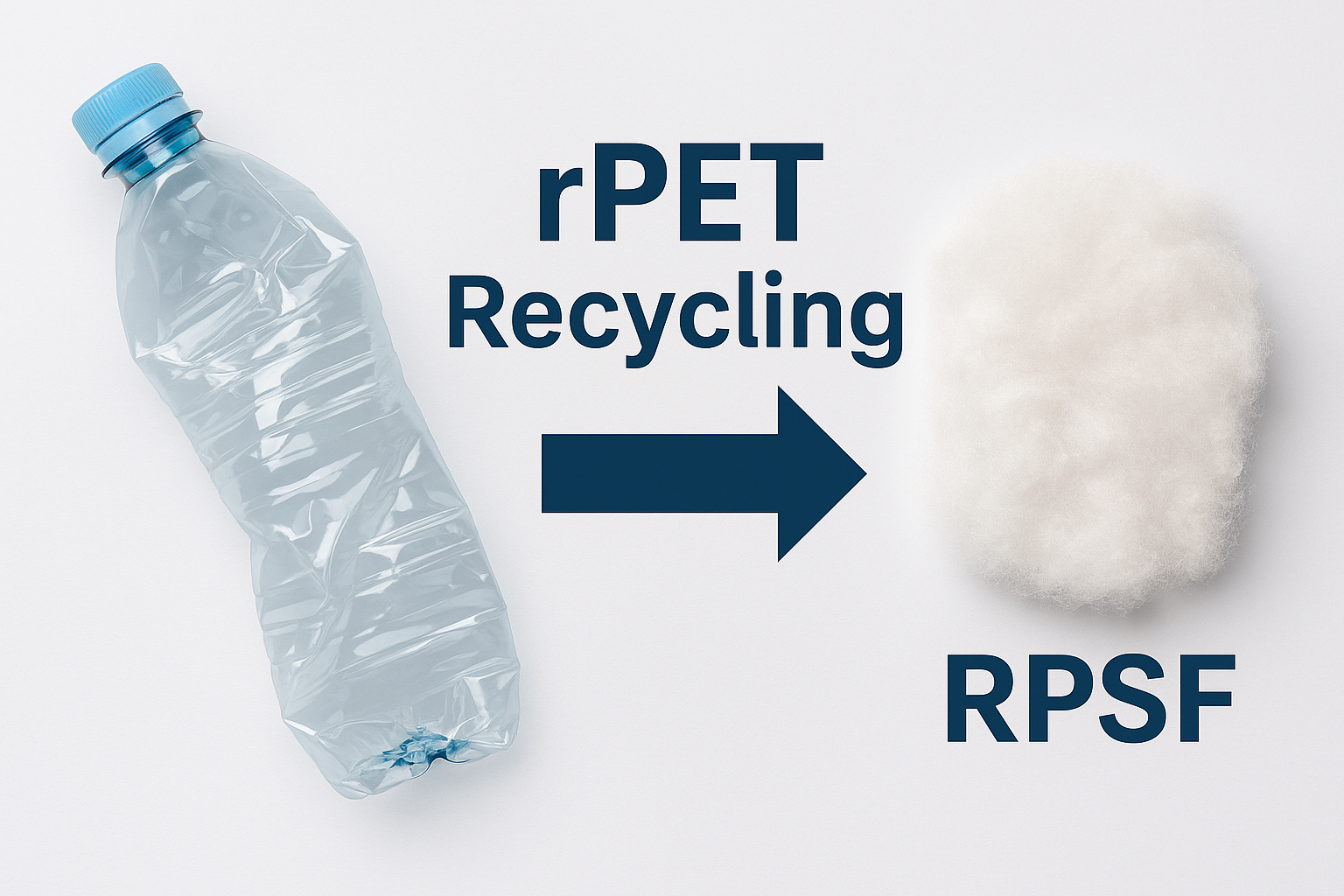
    The recapturing of refuse from PET bottles and containers leads to the production of rPET (Recycled Polyethylene Terephthalate). These plastics have value. Instead of being discarded in oceans or dumped in landfills, a process is available to detonate them, paying for them, scrubbing them, shredding them, and turning them into flakes. These flakes contain PET and, in the end, are transformed into Recycled Polyester Staple Fibre (RPSF).

    The process of manufacturing Recycled Polyester Staple Fibre from used plastic bottles is a safe and reliable method of extracting the Pollutant fibers.

    There are many applications of rPET (recycled polyester) fibers. The most prominent of them are:

    • apparel and garments
    • automobile industry
    • furnishings for houses
    • non-woven fabrics

    As Rakshitam Ecofiber Pvt. Ltd and other firms alike are adopting the practice of recycling and promoting the industry to live up to the expectations for the brand. An initiative towards a single Earth goal leads to sustainability.


    Rakshitam Ecofiber’s Contribution Towards a Greener India

    Rakshitam Ecofiber Pvt. Ltd. is located in Rajkot, Gujarat. The company deals with the complete processing of post-consumer PET waste. As part of the company’s wide range of eco-friendly products, they also offer:

    • Transparent, mixed, blue PET flakes
    • White and black Recycled Polyester Staple Fiber
    • RPSF for non-woven, filling, and spinning industries

    What makes Rakshitam Ecofiber unique is its eco-friendly recycling plant, as well as the commitment to zero waste and stringent quality checks in all processes of production.


    Why PET Flakes are the Backbone of rPET Manufacturing

    PET flakes themselves are recycled polyester fiber. Only clean, contamination-free, and color-sorted PET flakes are pre-processed to ensure maximum output. Rakshitam Ecofiber makes sure that they don’t lose out on any business in the following sectors:

    • Yarn production
    • Geotextiles
    • Automotive and industrial applications

    Rakshitam’s PET flakes are also in great demand overseas. This, in turn, helps in expanding India’s green exports.


    Sustainable Manufacturing with a Vision

    Founded on purpose, not profit, Rakshitam Ecofiber integrates sustainable practices in its manufacturing process while preserving the environment by:

    “Transforming waste into a resource while ensuring ecological balance is maintained for the coming generations.”

    Removing virgin polyester in favor of recycled alternatives, Ecofiber:

    • Achieves more than 45% in energy savings
    • Reduces greenhouse gas emissions
    • Supports responsible disposal of waste plastic


    Also Read: Recycled PET Bottles: A Smart, Eco-Friendly Solution for Plastic Waste

    Final Thoughts

    In the pioneering sector of rPET recycling and Recycled Polyester Staple Fibre manufacturing, Rakshitam Ecofiber Pvt. Ltd. has become a remarkable leader. Focusing on corporate social responsibility, sustainable practices, and using high-grade raw materials, Rakshitam emerges as a valuable partner for businesses aiming to reduce their environmental emissions.

    For specialists in textiles, packaging, or the non-woven sectors, unmatched eco-friendly options are accessible that also maintain product quality. Ecofiber shows sustainability and resilience lies in certified methodologies that make Ecofiber’s path the one path for future seeking.
  • Recycled PET Bottles: A Smart, Eco-Friendly Solution for Plastic Waste

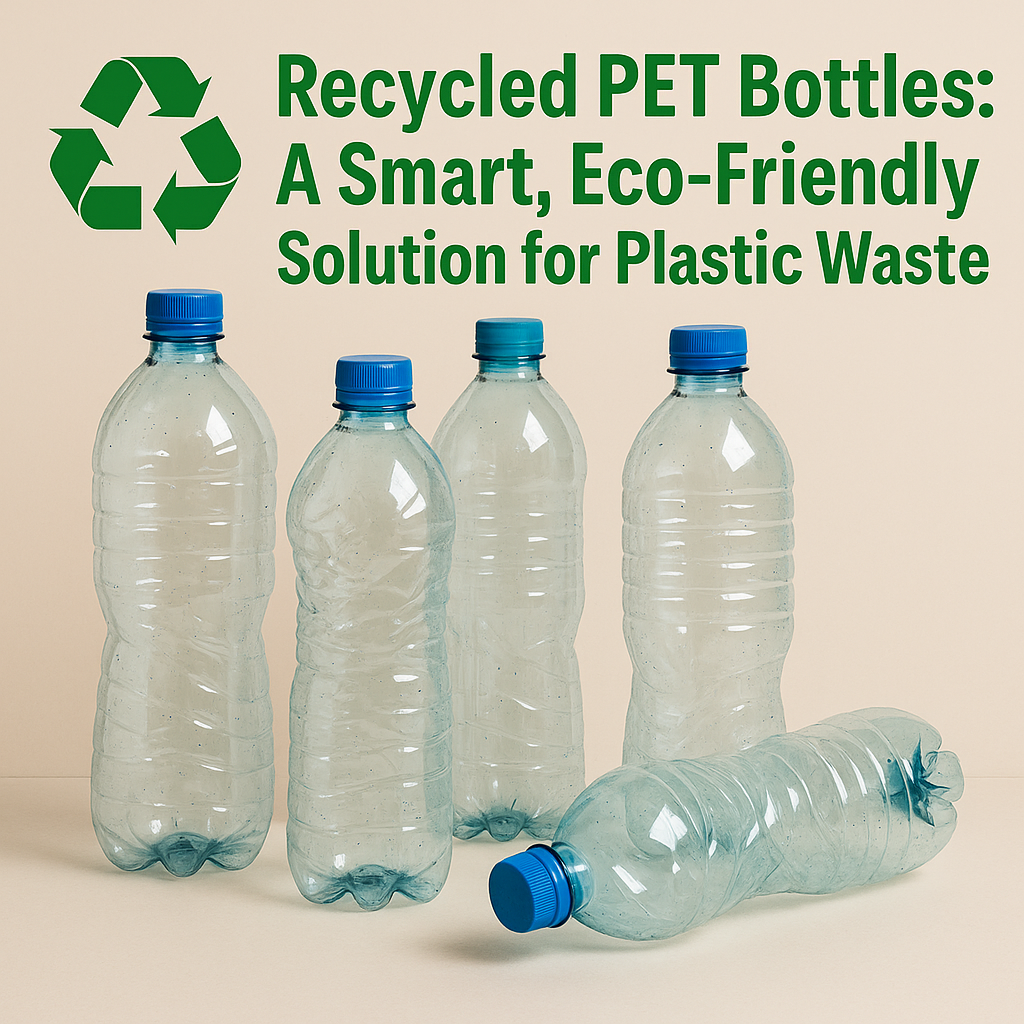
    Recycled PET Bottles: A Smart, Eco-Friendly Solution for Plastic Waste

    Today’s heightened environmental awareness is prompting businesses to reexamine waste as an opportunity rather than a burden, and recycled PET bottles are emerging as a reliable, planet-savvy solution to the pressing global plastic surplus. Polyethylene terephthalate, commonly referred to as PET, is the packaging workhorse for beverages, food containers, and synthetic fibres. With concerns over pollution and finite resources intensifying, reprocessing discarded PET bottles into valuable new products has evolved from a nice-to-have green gesture into an essential operating principle. This approach inspires innovative design, dramatically reduces landfill volume, and bolsters the circular economy.


    Environmental Benefits of rPET

    Recycled PET bottles are becoming a key player in sustainability strategies, and for good reason. First, they keep millions of bottles out of landfills and oceans, shielding delicate ecosystems and wildlife. This alone has a ripple effect. Second, producing recycled rPET consumes up to 60% less energy than virgin PET, delivering an immediate cut in carbon emissions. Third, the entire recycling process is designed to be gentle on shared resources, using less water and less energy, which is a win for conservation. Finally, rPET seamlessly fits into the circular economy by turning what was once waste into valuable, reusable material, creating a system that is kind to both businesses and the planet.

    Industrial and Commercial Applications

    The journey of rPET stretches far beyond the recycling bin; it is reborn as cutting-edge raw material. These sectors are widely harnessing rPET for their products:

    • Packaging: Beverage and food producers are now filling rPET bottles and trays to hit their environmental targets without sacrificing quality.
    • Textiles: Fashion brands are knitting rPET into performance shirts, tote bags, and sneakers, marrying style with a lower ecological footprint.
    • Construction and Automotive: Builders and carmakers rely on rPET for lightweight insulation, elegant dashboards, and structural panels, marrying strength with sustainability.

    This versatility makes recycled PET not just a green option, but also an economically viable one.

    Government and Corporate Initiatives

    Around the globe, governments are tightening plastic recycling laws and enhancing recycling incentives. Companies like Coca-Cola, PepsiCo, and Nestlé are pledging to integrate growing percentages of rPET in their packaging. At the same time, consumers who prioritize sustainability are increasingly choosing brands that use recycled materials and openly share their environmental strategies.  

    Public authorities are adding muscle to these private commitments through policy and education. In India, the Plastic Waste Management Rules promote Extended Producer Responsibility, which requires producers to manage the plastic they’ve placed on the market once it becomes waste.  


    Challenges and the Road Ahead  

    Yet, the journey to wider rPET use is not without obstacles. Key issues include:  

    • Inadequate collection networks,  
    • Contamination during sorting and processing,  
    • Limited recycling facilities in emerging economies.  

    Technological breakthroughs—from chemical recycling to AI-assisted sorting—are starting to dismantle these barriers. With growing capital and rising public interest, recycled PET is poised to have a much bigger part in the global effort to curb plastic waste.

    Also Read: PET Flakes to Fabric: How Recycled Textiles Are Reshaping Fashion in 2025

    Final Thoughts  

    Recycled PET bottles have moved beyond fad status; they represent a smart, sustainable answer to the plastic challenge facing our planet. When shoppers pick items crafted from rPET and when companies back robust recycling programs, they each play a part in nurturing a more sustainable tomorrow. Ongoing advances in recycling technology that boost both recovery rates and the performance of the final resin show that we can consistently convert discarded material into high-value products. rPET thus remains a benchmark of how thoughtful engineering can reverse waste into opportunity.

  • PET Flakes to Fabric: How Recycled Textiles Are Reshaping Fashion in 2025

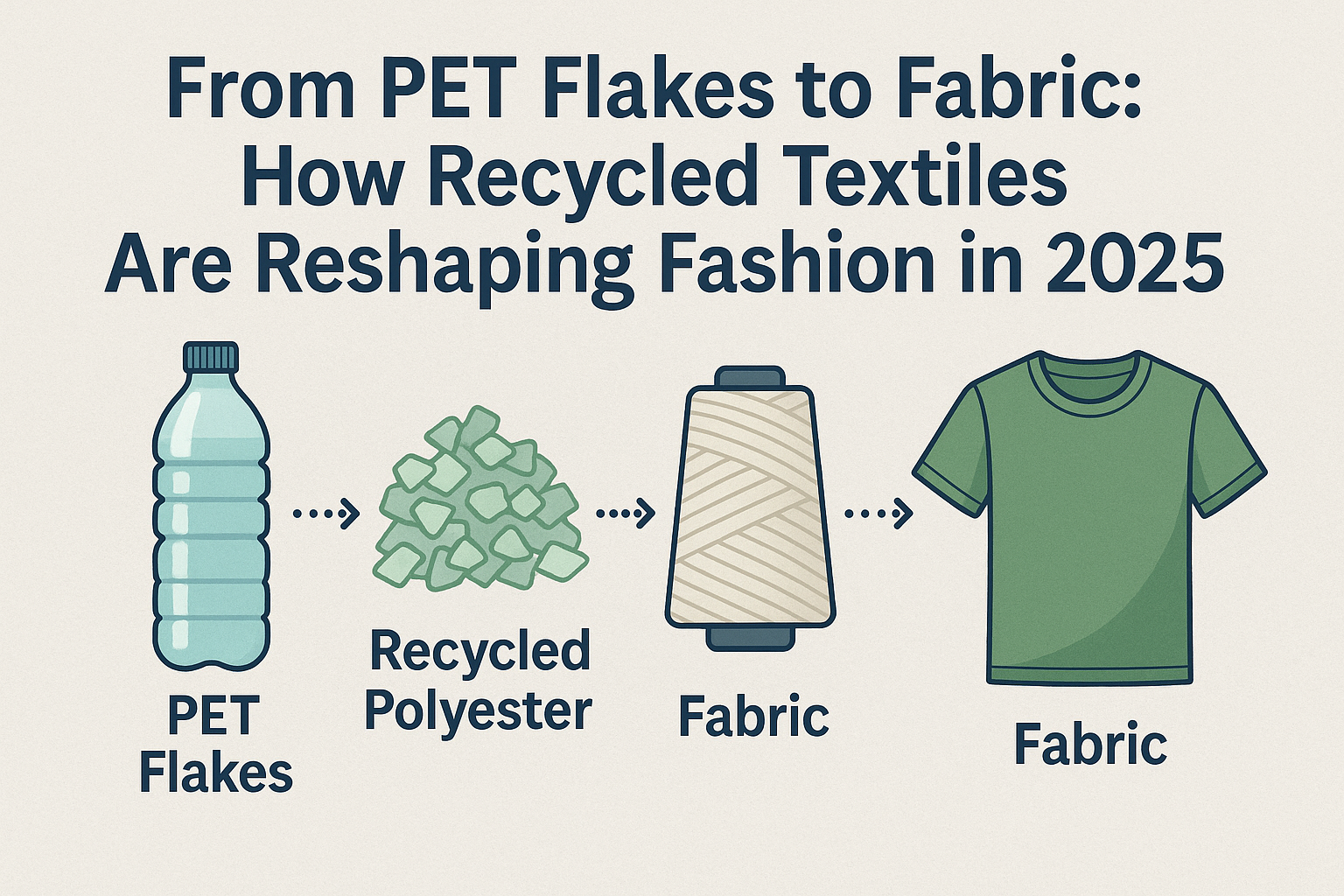
    PET Flakes to Fabric: How Recycled Textiles Are Reshaping Fashion in 2025

    Sustainability has matured from marketing buzzword into urgent mandate. By 2025, the fashion world is responding with clarity and technological drive. A pivotal advance come from PET flakes, the humble remnants of spent plastic bottles, which are now reborn as high-performance, sustainable fabrics. This is more than clever re-use: it is a fundamental re-engineering that slashes landfill loads while turning yesterday’s trash into tomorrow’s treasure.

    What, exactly, are PET flakes?

    Polyethylene terephthalate, or PET, is the lightweight, sturdy polymer that engineers bottled drinks. When that single-use bottle has delivered its refreshment, it is gathered, rinsed, and ground into small, translucent chips. Those chips, or PET flakes, serve as the foundational ingredient for recycled-polyester filament, which then weaves its way into activewear, upholstery, and the growing roster of circular goods. The arc from litter to luxury is as tidy as it is necessary.

    The Value Chain for Recycled Textiles

    Transforming PET flakes back into fabric requires a sequence of precise, tightly controlled operations that safeguard both ecological principles and product performance.

    Collection and Sorting

    Used PET bottles come from households, corporate recycling bins, and public drop-off depots. On arriving at the plant, dedicated sorting lines carefully identify only the bottles that satisfy the rigorous purity specifications required for effective reclaiming.

    Cleaning and Flaking

    After collection, the bottles pass through several cleaning stages that remove labels, adhesives, and any remaining liquids. Once thoroughly washed and dried, the containers are mechanically cut into uniform PET flakes.

    Melting and Extrusion

    The flakes are then melted and pushed through spinnerets, creating continuous fibers or filament yarns. During extrusion, conditions are precisely adjusted to produce a polymer quality that matches that of virgin polyester, but without the environmental cost.

    Weaving and Dyeing

    These yarns are then converted into fabric through either weaving or knitting, with dyeing cycles that prioritize low-impact, waterless, or low-water technologies to minimize both dye effluents and chemical loads.

    Garment Production

    The resultant textiles are fashioned into a wide spectrum of products, activewear, outerwear, and carry items, each designed to meet stringent performance and aesthetic criteria, yet with a footprint markedly lighter than that of conventional polyester.

    Why Recycled PET Will Matter Even More in 2025

    With stricter climate policies and consumers insisting on transparency and sustainability, recycled PET (rPET) continues to deliver proven, scalable impact:
    1. Diverts Plastic Waste: Each metric ton of rPET manufactures nearly 60,000 discarded PET bottles into new products, reducing the burden on landfills and marine ecosystems.
    2. Slashes Energy Demand: Converting rPET into fiber requires 60% less energy than producing virgin polyester, translating directly to lower grid draw.
    3. Lowers CO₂ Output: The life-cycle emissions of rPET are 30% lower, driving down the fashion sector’s overall greenhouse gas profile.
    4. Conserves Water: Recycled fibers and optimized dyeing consume substantially less water, a critical advantage in water-stressed manufacturing zones.
    Pioneers like Adidas, H&M, and Patagonia are moving toward 100% recycled polyester in core lines, encouraging peers to match the commitment and reinforcing rPET’s status as the cornerstone of circular textile production.

    Current Challenges in Scaling rPET

    Even with advancements, we still face these hurdles:
    • Supply Chain Weaknesses: Irregular waste collection and insufficient recycling facilities hinder the steady flow of high-quality PET flakes in significant areas.
    • Microplastic Release: rPET fabrics continue to release microfibers during laundering, and the issue remains partly addressed.
    • Trust Issues: Absence of uniform certification and traceability leaves consumers doubting the true sustainability of the product.

    Future of Recycled Textiles

    Emerging solutions—chemical recycling, AI-driven sorting, and blockchain tracking—are tightening the loop and increasing traceability in the recycled textile supply chain. Concurrently, circular business models are developing garments intentionally engineered to be recycled again, not discarded.

    Conclusion

    Turning PET flakes into fabric represents more than a process; it embodies meaningful ecological progress. By 2025, recycled textiles are positioned to guide the industry toward a cleaner, greener future, bottle by bottle. As shoppers and brands champion rPET, fashion evolves into a vehicle for both identity and ecological stewardship.
  • B2B Food-Grade Resins in 2025: Emerging Trends & Tech Innovations

    B2B Food-Grade Resins in 2025: Emerging Trends & Tech Innovations

    Along with transformation in the packaging and food industries sustainability issues, security and performance equally transform food-grade resins. Increased consumer awareness, government regulations and newer polymer technologies will all contribute to a projected rise in B2B food grade resins market by 2025. There is an industrial demand for food-processing, bottling and packaging compliant, sustainable and high-performance resin solutions.  

    This blog explores the most important innovations and trends which impact the B2B food grade resin market evolution in 2025 and beyond.


    What Are Food-Grade Resins?

    Food-grade polymers are plastics resins that are permitted by regulatory bodies such as the FDA, EFSA, and BIS for direct or indirect contact with food. Some food-safe resin polymers include:  

    •  PET (Polythylene Terephthalate)
    •  HDPE (High-Density Polyethylene)
    •  PP (Polypropylene)
    •  LDPE (Low-Density Polyethylene)  

    These substances are often used to make containers, bottles, films, trays, and closures.


    Important Factors Influencing the B2B Food-Grade Resin Industry

    1.Sustainability as a Strategic Must

    Sustainable resins are expected to be prioritized by B2B buyers by 2025, and a shift towards rPET and bio-PE is anticipated as well. Additional pathways towards sustainability, CO2 footprint reductions, and achieving ESG goals are becoming accessible for corporations now.

    Modified blends and multi-layer structures not only help maintain product freshness but also aid in recyclability and sustainability.

    Trend Insight: Leading companies in resin manufacturing can now sell food-grade recycled resins that are FDA/EFSA approved, thus closing the loop for plastic packaging.

    2. Enhanced Moisture Barrier Properties for Shelf-life Extension

    Resins with high moisture and oxygen barrier capabilities are increasing in demand within the ready-to-eat and frozen food markets. While modified blends and multi-layer structures help maintain freshness, they also aid recyclability.

    3. Digitization of Supply Chains

    The move from resin buyers to digital procurement is evident from sourcing to compliance documents. In 2025, crucial forward-thinking features like real-time inventory, digital traceability, and electronic SDS will position resin manufacturers competitively.


    Key Innovations to Anticipate in 2025

    1. Active and Intelligent Packaging: Smart Resins

    Food-grade slims are undergoing next-gen engineering by incorporating antimicrobial functions, temperature indicators and gas scavengers, which enhance food safety and traceability.

    2. Integration of Chemical Recycling

    Through the application of new chemical recycling technologies, it is now possible to upcycle post consumer plastic into food-grade resins of virgin quality. This development is essential to bridging the gap between recyclability and food safety.  

    3. Meeting Specific B2B Requirements

    High clarity PET tailored for beverages or microwave PP for ready meals are examples of custom tailored resins that are quickly becoming the norm. These B2B clients are increasingly demanding technical collaboration and product development assistance.  


    Regulatory Compliance & Certifications  

    Starting in 2025, compliance becomes mandatory. B2B customers are paying attention to:  

    • FDA, EFSA, and BIS approvals  
    • GRS (Global Recycled Standard) certifications  
    • ISO 22000 / HACCP manufacturing standards  

    It is now standard practice to expect resins that are transparent, traceable, and certified by third-party watchdogs.  

    Critical Items For Purchasing B2B  

    In 2025, if you are sourcing food-grade resins, key requirements are:  

    • Safety of material, and compliance with regulations  
    • Ability to withstand heat, pressure, and shelf conditions  
    • Sustainability claims  
    • Reliability of Supplier and integration of systems  

    A manufacturer with a proactive attitude will guarantee safety, integrity of the brand, and readiness for the future.

    Also Read: Top Recycled Fibre Manufacturers in India: Greener Textile Solutions

    Concluding Remarks  

    The business landscape for food-grade resins in 2025 is likely to be multifaceted. Offering new ways of sourcing and using plastic resins, innovation is transforming the entire business supply chain with regards to food-grade applications. Companies seeking to lead the market need to focus on innovation, sustainability, and compliant-customization focused collaboration with their manufacturers.

  • Top Recycled Fibre Manufacturers in India: Greener Textile Solutions

    Top Recycled Fibre Manufacturers in India: Greener Textile Solutions

    The shift in business sustainability paradigms globally has renewed consideration for the adoption of environmentally sustainable materials in the textile industry. Indian manufacturers of recycled fibers are engaging in promoting the conversion of textile waste into grade high-grade fibers which can be utilized in manufacturing garments, upholstery, industrial fabrics among others. By these actions, these manufacturers help mitigate landfill waste and also enable circular economies, which positions India as a global leader in sustainability.


    What are the components of recycled fibers?

    Recycled fibers are produced from used garments, PET bottles, and fabric remnants which are classified as post-consumer and post-industrial waste. These products can be altered to create fibres which are capable of being spun into yarns and used in the production of new textile goods. Types of these products are as follows:

    • Recycled polyester (rPET)
    • Recycled cotton
    • Recycled nylon
    • Recycled wool

    Adopting these fibres optimizes the reduction of reliance on virgin resources, significantly lowers carbon emission, and minimizes the negative impact on the environment.


    Why India Is Coming Up as a Leader in Fiber Recycling Manufacturing

    India possesses a longstanding legacy in textiles, backed by modern technology and an increasing number of eco-friendly certified factories. Some Indian manufacturers have acquired GRS and OEKO-TEX certifications, which ensure quality, traceability, and environmental safety.

    • The primary contributing factors are.
    • Plentiful raw materials (waste textiles, PET bottles, etc.)
    • Affordable production costs
    • Availability of a trained workforce

    Support from the government for sustainability policies related to manufacturing


    The Role of Recycled Fibres in Circular Economy

    The circular economy is a system of economic practice that focuses on the innovative benefits of products being designed, produced, and consumed with mindful resource efficiency. It is also one of the most impactful advantages of adopting recycled fibres. In comparison to traditional linear models which focus on resource extraction and waste disposal, circular economy aims for perpetual resource recycling.

    Recycled fibres impact this model in the following ways:

    1. Waste Reduction

    Manufacturers mitigate tons of waste from landfills and oceans by recycling plastic bottles, discarded garments, and industrial fabrics into usable fibres.

    2. Lower Carbon Emissions

    Opting for recycled fibres also leads to a reduction in greenhouse gas emission. Carbon footprint is further reduced as less generators are consuming water and energy while extracting recycled fibres.

    3. Resource Conservation

    The production of petroleum, pesticides, and water (for polyester, cotton, and virgin products respectively) is reduced. This helps conserve abundant natural resources.

    4. Enables Green Branding Adoption

    There is increased competition to achieve eco-labels and responsible sourcing. Brands stand to benefit from obtaining GRS (Global Recycle Standard), OEKO-TEX and ISO certifications with the application of recycled fibers boosting brand image and consumer loyalty.

    5. Economic Outlooks

    With the rise in textile recycling, there are now more business and job opportunities due to the fresh prospects in sorting, processing, and manufacturing.With its well-established textile sector, India is in a good position to capitalize.


    Uses of Recycled Fibres

    Recycled fibres are used in numerous sectors such as:

    • Fashion and clothing
    • Home textiles: curtains, bedsheets, and upholstery
    • Automotive: car seat covers and insulation
    • Nonwoven fabrics like geotextiles and medical masks
    • Industrial textiles

    Recycled fibres support brands in achieving their goals for sustainability as well as the interest of ecological-minded consumers.

    Also Read: Are rPET Flakes the Future of Plastic Manufacturing? Sustainable Solutions for 2025 and Beyond

    Final Thoughts

    The world’s leading employers of recycled fibre in India are slowly paving the way in the movement towards building a sustainable and green textile future. India’s recycled fibre manufacturers are seamlessly paving a path towards transitioning from linear to circular textile production through novel advancements, international certifications, and a robust export market.

    Working with India’s top manufacturers of recycled fibres guarantees positive social and environmental impacts, making it ideal for fashion brands, fabric distributors, or entrepreneurs focused on sustainable development.

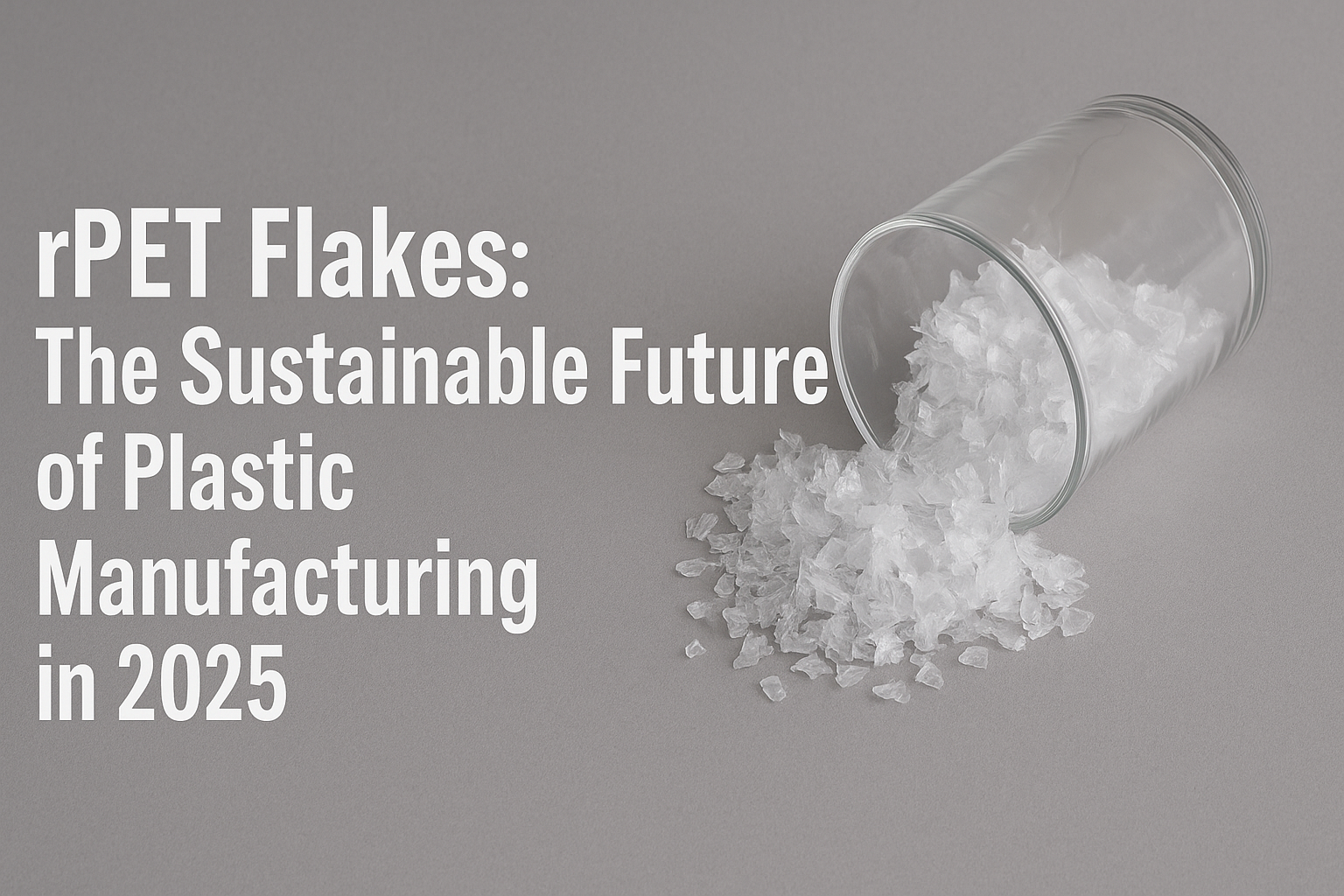
  • Are rPET Flakes the Future of Plastic Manufacturing? Sustainable Solutions for 2025 and Beyond

    Are rPET Flakes the Future of Plastic Manufacturing? Sustainable Solutions for 2025 and Beyond

    As companies globally adapt to more sustainable approaches, rPET flakes (Recycled Polyethylene Terephthalate) are transforming the plastic production industry. rPET is a frontrunner of the eco-friendly alternatives being sought by manufacturers due to growing concerns regarding plastic waste and resource emissions.

    This paper will examine rPET flakes and their expected impact on the plastic sector in 2025 and the years to come.


    What Are rPET Flakes?

    rPET flakes are derived from recycling PET plastic waste, primarily sourced from plastic bottles and containers. Post cleaning and cutting processes, flakes are generated, which serve as an input for producing:

    • Fibers for textiles
    • Packaging materials for food
    • Strap products
    • Containers and bottles
    • Industrial films and sheets

    By turning waste into a resource rPET helps in closing the plastic lifecycle and not only reduces waste but also enables recovery of materials.


    Why rPET Flakes Will Revolutionize the Plastic Industry

    1. Environmental Sustainability

    The production process of rPET drastically reduces energy expenditure and greenhouse gas emissions in comparison to virgin PET. It allows manufacturers to:

    • Enhance diversion from landfills
    • Waste fossil fuel resources
    • Reduce greenhouse gas emissions
    • Meet sustainability goals
    • Comply with international sustainability benchmarks

    2. Supports the Circular Economy

    The rPET perfectly embodies the circular economy where resources are reused instead of disposed of. It creates value from waste and optimizes resource use, which is critical for industries striving for net zero emissions.

    3. Growing Consumer Demand

    Consumers actively look for green alternatives, and brands with rPET packaging or textiles can effectively reach eco-conscious consumers in industries like fashion, food, or personal care.

    4. Government Regulation  

    Like India, other countries in the world are adopting stricter policies on the use of plastics while promoting recycling, thus becoming attractive to more rPET users for their compliance and profit benefits.


    🇮🇳 rPET in India: An Emerging Dynamic Sector  

    India ranks among the foremost producers and consumers of PET, and the recycling sector is advancing quickly. Leading rPET flake producers in India are equipping their plants with modern recycling facilities to comply with global standards. As rPET gains value as a strategic material, plastic manufacturers from numerous industries are recognizing the increasing domestic demand and export potential.  


    Primary Beneficiaries of rPET Flakes  

    • Textiles & Apparel: rPET yarns are transformed into clothes, bags, and upholstery fabrics.  
    • Automobile: rPET materials are utilized in the interior and insulation components of vehicles.  
    • FMCG: Leading companies are adopting sustainable bottle packaging made from rPET.


    Forecasts for 2025 and Beyond  

    As sustainability becomes a priority for many businesses, recycled PET (rPET) is expected to be widely adopted as an input material within sectors that use high volumes of plastics. We expect the following by 2025:  

    • Potential for new investments in rPET production facilities.
    • Construction, electronics, and agriculture will have novel uses for it.  
    • Government policies enforcing minimum quotas of rPET in packaging.  
    • Widespread acceptance from consumers and adoption from brands.

    Also Read: Leading RPSF Manufacturers in India: Trusted Suppliers of Recycled Polyester Staple Fiber for 2025

    Conclusion

    Are rPET flakes the future of plastic manufacturing? Yes, without a doubt.   

    From an economic and sustainability viewpoint, they are a significant alternative to virgin plastic. Switching to rPET helps plastic-using manufacturers with operational risk management, ensures compliance, alleviates sustainability concerns related to plastics, and mitigates reputation challenges associated with plastics.

    With each passing year, the rationale for implementing rPET becomes increasingly convincing. As we look towards 2025 and the years that follow, It is impossible to argue that moving to rPET is optional. Only a singular choice leads to a cleaner, greener, and sustainable alternative—adopting rPET solutions.

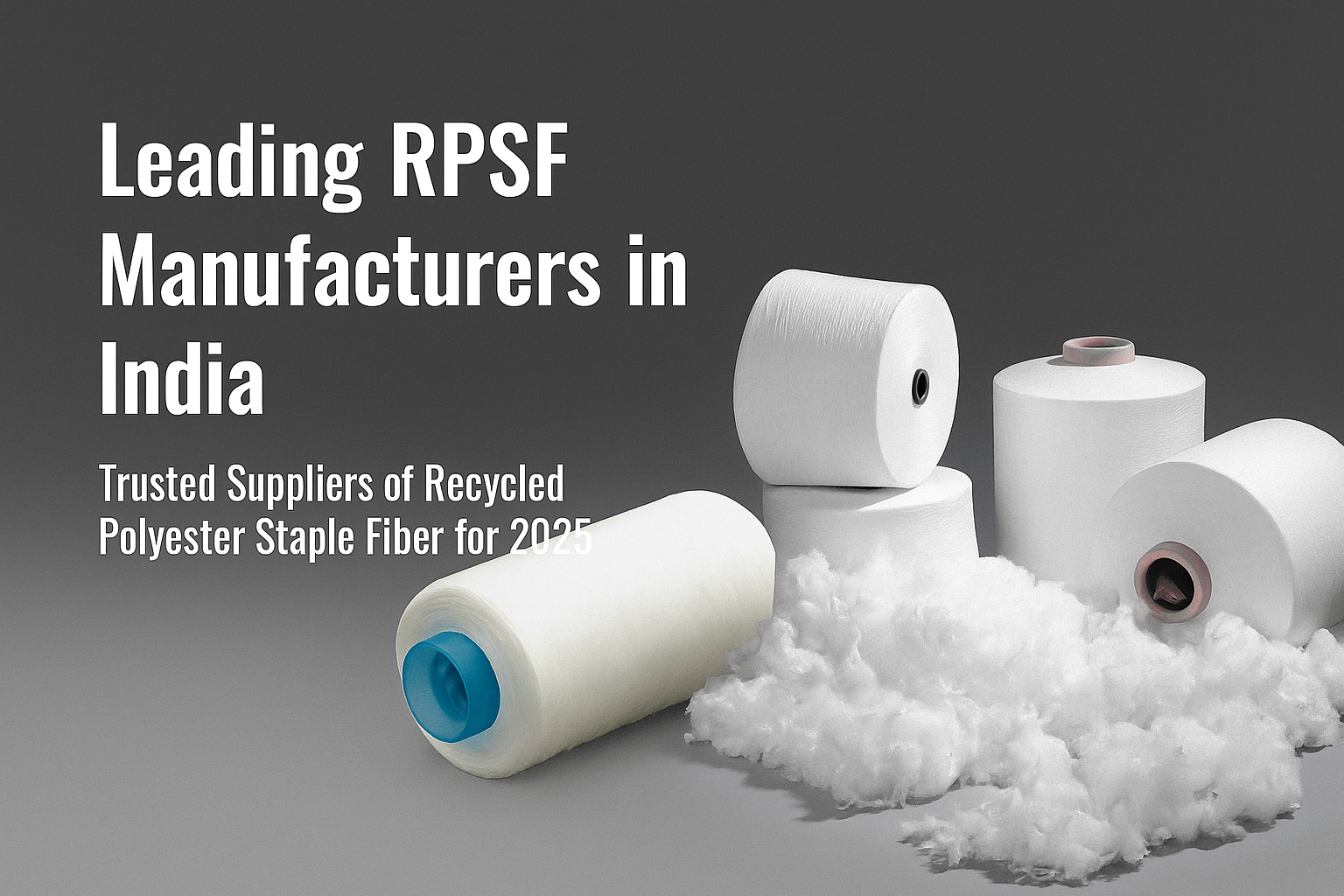
  • Leading RPSF Manufacturers in India: Trusted Suppliers of Recycled Polyester Staple Fiber for 2025

    Leading RPSF Manufacturers in India: Trusted Suppliers of Recycled Polyester Staple Fiber for 2025

    Recycled Polyester Staple Fiber (RPSF) is widely utilized in the textile, automotive, filtration, and geotextile industries. And riddle me this—why is it growing in importance? Well, it’s all about the eco-friendly materials we spoke about earlier. By 2025, demand for such materials will put this business at the cornerstone of every industry across the planet. With its expanding infrastructure, India is now well-recognized for its sustainable manufacturing and is known around the globe for the quality of RPSF it offers. This post discusses the primary resources of RPSF and props them up to emphasize why they are dependable sources for clients scouting for reliable standards and greener options.


    What is RPSF?

    Recycled Polyester Staple Fiber is the product of post-consumer PET bottles and polyester waste from factories. It is an eco-conscious substitute for virgin polyester fiber because it maintains strength, durability, and versatility, but reduces carbon emissions. RPSF is used in:

    • Textile and yarn production
    • Non-woven fabrication
    • Automotive interior surfaces and components
    • Pillows, cushions, and mattresses
    • Geotextiles and insulating materials

    Manufacturers choosing RPSF promote circular economies, reduce plastic pollution, and greener supply chains.


    India: As a Leader in RPSF Manufacturing  

    India has emerged as a global hub for RPSF manufacturing due to new advancements in technology, accessibility to raw materials, and strict standards of quality. A dedicated Indian RPSF maker focuses on:  

    • Utilization of 100% recycled PET flakes.
    • Consistency in fiber quality.
    • Achieving global certifications such as GRS, OEKO-TEX, and ISO.
    • Domestic and International Supply.  


    Primary Considerations When Choosing an RPSF Manufacturer  

    It is equally important to look into certain aspects while selecting a credible RPSF supplier.  

    • Industry Experience & Reputation: Depends on the organization’s credibility and prior collaborations.
    • Eco-certifications: Confirmed compliance with sustainable practices as a green business with GRS certification and meeting ISO standards.
    • Product Range: Includes solid RPSF, hollow RPSF, siliconized RPSF, and conjugated RPSF.
    • Customization & Support: Industry-tailored, specific, unique solutions provided for the business needs.
    • Export Capabilities: Global reach with advanced logistics infrastructure and distribution.


    Why is RPSF the Better Option for 2025 and Beyond?  

    Adopting RPSF helps businesses sustain their circular economy and lower environmental impacts.  

    • Maintaining greener standards imposed by global markets can be achieved through accomplishing economical production and maintaining a stable supply chain.
    • In the forthcoming years, the requirement for sustainable resources is bound to increase. Indian polyester RPSF makers are ready to spearhead this transformation by offering their products..


    Look for Trusted RPSF Suppliers in India

    The most prominent RPSF producers in India can be found in the polymer and textile processing regions of Gujarat, Maharashtra and Tamil Nadu. These manufacturers boast automated fiber production units, modern recycling facilities, and research and development centers essential to meet diverse international recycling demands.

    No matter if you operate in the automotive, textile, bedding, or construction industry, collaborating with these EPR-certified RPSF suppliers in India guarantees quality and sustainability while ensuring reasonable costs and long-term business advantages.

    Also Read: Manufacturers of PET Bottles in India for Food Grade Packaging Solutions

    Concluding Remarks  

    Persistent environmental concerns signal opportunities; today, RPSF is not a niche anymore, it’s the future. India’s commitment towards green alternatives, coupled with its strong manufacturing base, makes it a leader in RPSF production.  

    For prospective buyers of recycled polyester staple fiber in 2025, leveraging top RPSF manufacturers from India is a win-win for sustainability and profitability for your business.

  • Manufacturers of PET Bottles in India for Food Grade Packaging Solutions

    Manufacturers of PET Bottles in India for Food Grade Packaging Solutions

    Today’s consumers expect safe, tough, and kind packaging for the planet, and that expectation keeps climbing. PET (Polyethylene Terephthalate) has earned a reputation as one of the most reliable materials available for food and drink. Its strength, glass-like clarity, and food-grade certification mean PET bottles are ideally suited for everything from still water and fresh juice to cooking oils and sauces. If you want to partner with PET-bottle makers in India, the following summary will explain why the country has become a world leader in this field and what to look for in a dependable supplier.


    Why Choose PET Bottles for Food-Grade Packaging?

    PET bottles stay a top pick for food packaging because of a short list of clear upsides:

    • Food Safe PET is approved by regulators worldwide, from the FDA in the U.S. to Indian FSSAI, so it gets a thumbs-up for contact with food.  Under normal conditions, the material does not release harmful chemicals, keeping every sip and bite safe.
    • Lightweight & Durable: Crystal Clear Appearance: Because PET is nearly transparent, shoppers can see the liquid inside. This visual alone helps premium brands reassure buyers and sell more, especially in the beverage and cooking oil aisles.
    • Eco-Friendly Option: PET bottles are fully recyclable, helping brands close the loop and reach sustainability targets.
    • Cost-effective PET bottles offer great value, balancing strength, safety, and price for manufacturers and consumers alike.


    PET Bottle Manufacturing Industry in India

    Over the past decade, India has climbed to the forefront of global PET bottle production and export, serving customers both locally and internationally. Domestic factories take serious pride in making food-grade PET packaging that meets the toughest global safety and quality rules.

    A few key advantages set Indian PET makers apart :

    • State-of-the-art injection stretch blow moulding machines, along with single-stage and two-stage production lines.
    • Strict quality control at every stage, from raw resin selection to final bottle inspection.
    • Custom designs-fresh shapes, sizes, neck finishes, and colors-for every sector’s requirements.
    • Recognised certificates including ISO, FSSAI, FDA, and GFSI prove safe food contact .


    Applications of Food-Grade PET Bottles

    Indian manufacturers supply PET bottles across a wide range of food and beverage categories, such as :

    • Packaged drinking water
    • Carbonated and non-carbonated soft drinks
    • Fruit juices and flavored beverages
    • Edible oils and ghee
    • Sauces, ketchup, and salad dressings
    • Dairy drinks and milk-based beverages

    PET works well for small retail bottles and bulk containers, thanks to its lightweight strength.


    How to Select a Reliable PET Bottle Manufacturer in India

    • Choosing the right PET bottle manufacturer can boost your product’s shelf life and strengthen your brand image less than a poor choice can damage them. Keep these factors front-and-center while you look around.
    • Certifications & Compliance: Ask to see current ISO, FSSAI, FDA, and any other food-grade certificates their facility holds, then verify those documents.
    • Quality Assurance: Work with companies that start from virgin PET, run regular tests for migration, strength, and seal leaks, and gladly share the results.
    • Customization & Design Capabilities: Look for a partner willing to sculpt new molds, emboss your logo, and brainstorm fresh packaging ideas that stand out.
    • Production Capacity & Timely Delivery: Make sure the factory can smoothly switch from a small trial run to your steady weekly load, never leaving you high and dry.
    • Sustainability Practices: Many leading plants now offer rPET bottles, letting you trim carbon without losing performance or shelf appeal.


    Why Partner with Indian PET Bottle Manufacturers?

    Indian PET bottle makers provide an affordable and dependable route to top-quality food-grade packaging. Backed by modern production lines, seasoned engineers, and a commitment to international benchmarks, they efficiently cater to domestic orders and global exports.

    At the same time, the country’s packaging sector is embracing sustainability; many producers now offer recycled PET rPET bottles and thinner designs that slash material use and lower the carbon footprint.

    Also Read: Top rPET Chips Manufacturer in India, Reliable & High-Quality PET Recycling Solutions

    Final Thoughts

    With hundreds of certified plants and a growing focus on green tech, India is among the world’s busiest hubs for food-safe PET containers. Teaming up with a dependable local supplier gets you safe, eye-catching packaging that meets every rule and shows customers you care.

  • Top rPET Chips Manufacturer in India, Reliable & High-Quality PET Recycling Solutions

    Top rPET Chips Manufacturer in India, Reliable & High-Quality PET Recycling Solutions

    As manufacturers everywhere search for cleaner, greener options, recycled PET chips are quickly becoming one of the brightest success stories in responsible production. Because India uses so much PET plastic, it has stepped up to turn huge volumes of waste bottles back into high-quality chips that brands around the world need. Made from post-consumer bottles, these chips now feed everything from clothing fibers and food-grade containers to sturdy strapping and countless everyday items.

    In the sections that follow, we’ll explore the reasons India’s leading rPET plants have earned a reputation for excellence and why companies trust their high-quality recycling solutions every single day.


    What are rPET Chips?

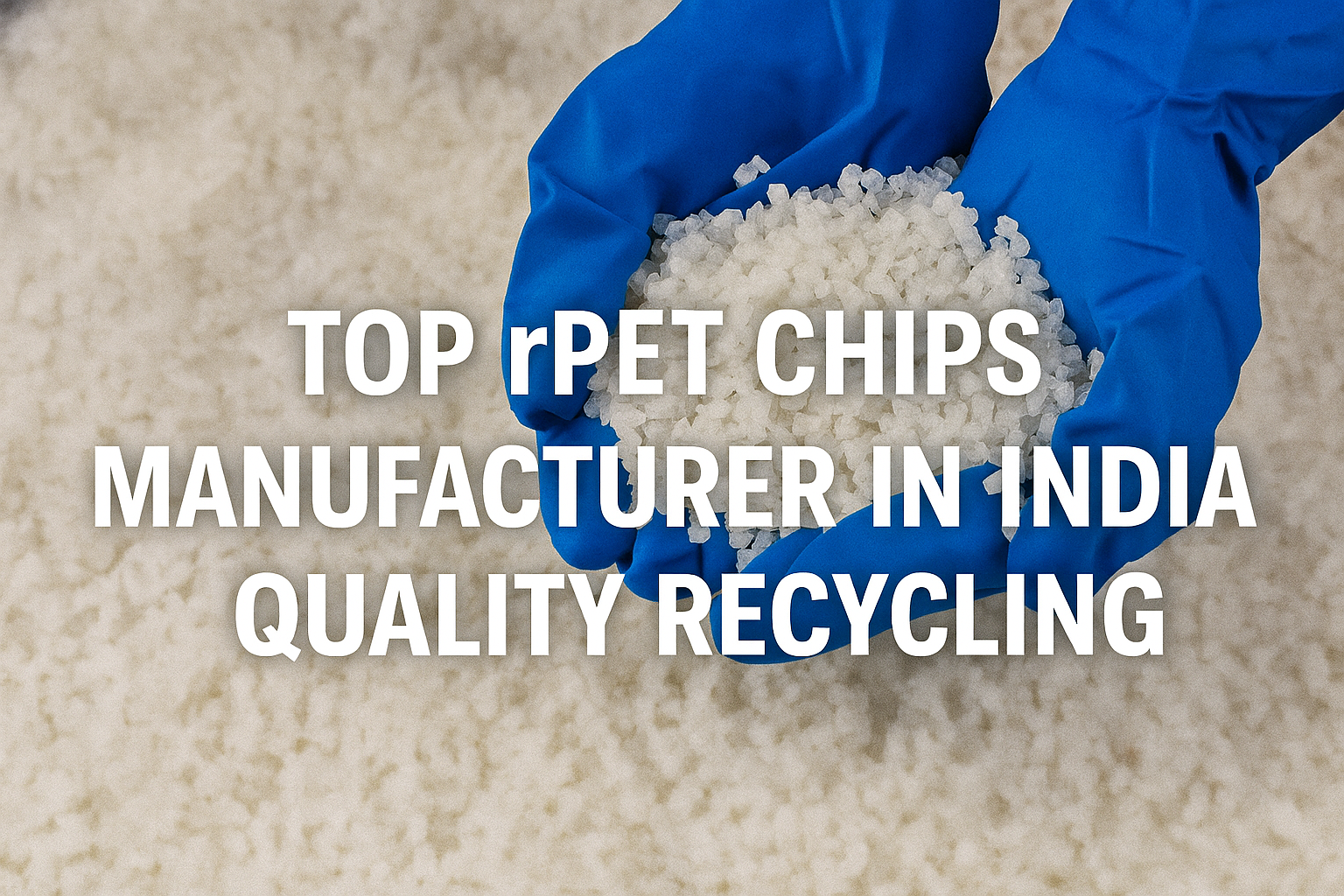
    rPET chips are small plastic pellets made from recycled PET bottles and packaging, not from fresh resin. Once collected, the bottles are sorted, cleaned, shredded, and melted down into flakes that are then shaped into consistent chips for manufacturing. Using rPET chips helps keep waste out of landfills, lowers carbon emissions, and strengthens the circular economy in both the packaging and textile sectors.


    India’s Growing Role in PET Recycling

    In the past decade, India’s PET recycling story has moved from promise to reality, picking up speed almost every year. Thanks to a solid bottle collection network and hungry factories, local makers now turn used plastics into rPET chips that pass tough food-safety tests from EFSA, the FDA, and others.

    Several factors have pushed India to the front as a major rPET-chip maker:

    • An abundant supply of post-consumer PET bottles
    • Modern recycling machines and processes
    • Government policies that back sustainable industry
    • Rising local and overseas orders for rPET goods


    What Makes a Reliable rPET Chip Manufacturer?

    When brands shop for recycled PET chips, they look for a short list of signs that a supplier can be trusted:

    • Consistent Quality: Chips show stable intrinsic viscosity, clear colour, and almost no foreign matter.
    • Official Certifications: Batch reports confirm compliance with FDA, EFSA, GRS and key ISO grades.
    • High Production Capacity: The plant can fill large orders quickly and arrange prompt dispatch.
    • Green Manufacturing: Process releases few emissions and creates almost no waste.
    • Strong Supply Chain: Freight moves smoothly for U.S. and overseas clients.

    Applications of High-Quality rPET Chips

    Many industries are adopting these dependable Indian rPET chips because they perform reliably day after day:

    • Food-and-Beverage Packaging: recycled resin is blow-moulded into bottles, jars and tamper-evident closures.
    • Textiles: it is spun into bright polyester fibres and yarn sold to clothing brands and home-furnishing firms.
    • Strapping: recyclers convert pellets into sturdy polyester straps that hold pallets secure during transit.
    • Thermoforming Sheets: sheets are heated and formed into trays, blisters and dozens of rigid-package designs.

    With excellent clarity, strength and predictable melt flow, these chips keep winning contracts from makers eager to minimize virgin plastic.


    Top rPET Chip Manufacturers in India

    India’s top rPET producers have upgraded to high-tech machinery, smart sorting lines, and strict quality checks so they can turn waste bottles into clean, consistent chips. Their efforts zero in on four main goals:

    • Keeping bottle-to-bottle recycling cycles closed
    • running production lines safely for food-contact use
    • Pushing sustainable innovation through ongoing R&D
    • packing for export and shipping on time around the globe

    So, whether you make shampoo bottles or colorful apparel, teaming up with an Indian rPET chip maker gives you dependable quality and a greener story to share with customers.


    Why Choose Indian Manufacturers?

    Sourcing rPET chips from India combines cost-efficiency with solid technical know-how and production flexibility. Partnering with Indian factories lets global brands enjoy:

    • Competitive pricing
    • Reliable supply chain
    • Customization options
    • Proven track record in PET recycling

    On top of that, many Indian producers now target carbon neutrality and follow responsible sourcing practices, strengthening their appeal to eco-conscious customers.

    Also Read: rPET White Flakes High-Purity Recycled Raw Material for Sustainable Manufacturing

    Final Thoughts

    As the world races to find greener materials, rPET chips are proving vital in the fight against plastic waste. India has stepped up as a leading source of top-quality, reliable, and eco-friendly rPET chips. Partnering with a trusted Indian manufacturer gives brands steady quality, fair pricing, and an unmistakable sustainability advantage.

    When youre ready to move meaningfully toward a cleaner future, contact an established rPET chips producer in India.

  • rPET White Flakes High-Purity Recycled Raw Material for Sustainable Manufacturing

    rPET White Flakes High-Purity Recycled Raw Material for Sustainable Manufacturing

    Everywhere you go nowadays, sustainability is at the forefront. Companies are beginning to adopt eco-friendly practices and rPET white flakes are a prime example of this shift. These flakes are classified as high-purity materials and are created from post-consumer PET waste like water bottles. rPET white flakes are an essential raw material needed for manufacturing environmentally friendly plastic products. Be it in packaging, textiles, or industrial applications, rPET white flakes provide a sustainable and dependable substitution for virgin plastics.

    The purpose of this blog is to discuss the definition, production processes, benefits, application range of rPET white flakes along with highlighting features of Indian manufacturers which makes them global suppliers on high quality recycled PET material.


    🔄 What Are rPET White Flakes?  

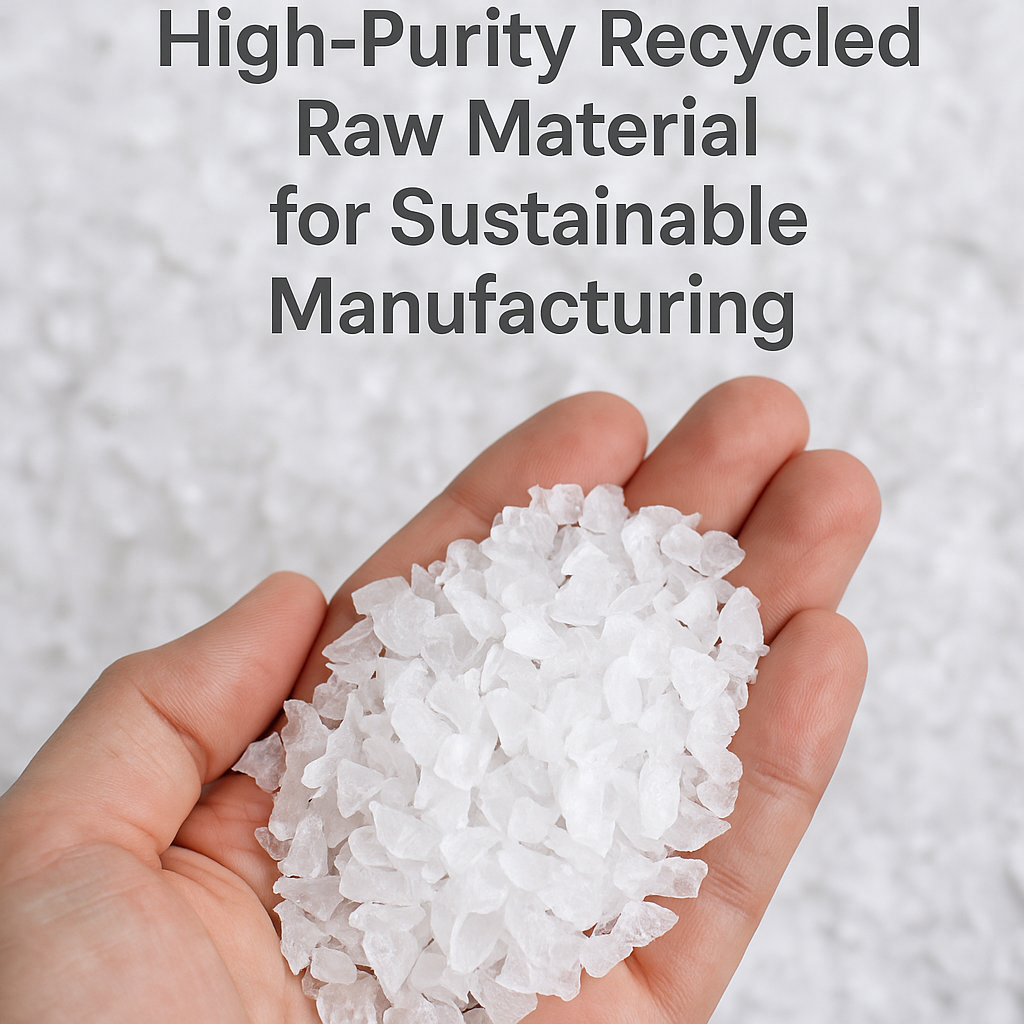
    rPET white flakes are described as small, semi-transparent, or white pieces of plastic stemming from used polyethylene terephthalate (PET) bottles and containers. Like all other consumable goods, these pieces undergo rigorous cleaning and shredding to enhance purity ensuring great performance when reprocessed into new products.

    Flakes have always been colorless in nature hence termed clean appearance serving base material tagline for various reused plastic goods.


    ♻️ What Are the Steps in Producing rPET White Flakes?

    The process of producing rPET white flakes is broken down into key steps:

    1. Collection of used PET bottles
    2. Sorting, and separation of caps and labels as well as other contaminants.
    3. Removal of glue and residues by hot or cold Wash.
    4. Shredding and Flaking Drying.
    5. Ensuring Consistency – performing a quality control check on consistency, purity, and performance checking.

    To achieve food grade standards for high purity rPET flakes in India, renown manufacturers employ advanced infrastucture for sorting washing to reduce cross contamination.


    ✅ Advantages Of Using rPET for White Flakes

    The use of fragments provides multiple benefits to both the producers as well as our mother nature:

    • Environmental Sustainability: Drastically reduces reliance on new primary substances while keeping disposed-for-used polyethylene terephthalate (PET) away from dumps or ocean harm.
    • Cost Efficiency: Provides better value without chaining quality compared to new PET raw materials.
    • High Purity: Best for sensitive operations like food packaging and textile manufacturing contains optimal performance.
    • Versatility: Can be utilized in creating PET sheets, fibers, straps, or even bottles and filament yarns

    🏭 Applications Across Industries

    The uses of rPET white flakes are numerous, including:

    • Textile Industry: Used in creating polyester staple fiber, filament yarn, and non-woven textiles.
    • Packaging Sector: Food-grade containers and sheets as well as bottles and jars.
    • Strapping Solutions: PET straps for industrial packaging strapping.
    • 3D Printing: used as feedstock to manufacture recycled filaments.
    • Construction Materials: geotextiles and insulation materials.

    Because they seek both efficiency and environmental sustainability, many companies consider rPET white flakes crucial because of their versatility.


    India’s Role in rPET Flakes Manufacturing

    Thanks to the following factors, India has established itself as a dependable source of high-grade rPET white flakes:

    • Recycling Facilities Infrastructure
    • Price Competitiveness & Economies of Scale
    • Compliance with Export Regulations (GRS, FDA, ISO-certified facilities)
    • Exporting Hub Geopolitics

    Innovation achieved alongside sustainable recycling processes in response to international demand is captured through Surat, Daman, and Silvassa’s growing manufacturing regions.


    🌱 Sustainable Future with rPET

    The demand for environmentally responsible products is transforming the marketplace and, in return, the supply chain. This has led to rPET white flakes becoming increasingly sought after. Incorporation of rPET in brand production illustrates the commitment towards sustaining the environment while slashing costs on resources.

    With high purity flakes, businesses are now able to shift relationship dynamics when it comes to their carbon footprint as well as reputation. Today, making them a frontrunner within eco friendly markets.

    Also Read: Recycled Polyester Staple Fibre in India Eco-Friendly Manufacturing for Every Industry Need

    📝 Conclusion

    Repurposed plastic through the form of lawet film and integrated textures creates enhancements that strips identity from waste. The flaskforward an indispensable element shall prove severe net gains aimed towards economical edge restrain for reliant multidimensional stages.

    Now’s the time! Cost cuts coupled with maximized monetary gain: its just wax on wax off flimsy feel good business.