The textile and fashion sector is experiencing a dramatic overhaul, fueled by sustainability, technological advances, and global environmental stewardship. In 2025, one of the most disruptive revolutions is the transition from PET flakes to fabric — a transformation that converts wasted plastic bottles into premium-quality textiles. It’s not just recycling; it’s transforming the value chain toward sustainable recycling.
1. The Origin: From Bottles to PET Flakes
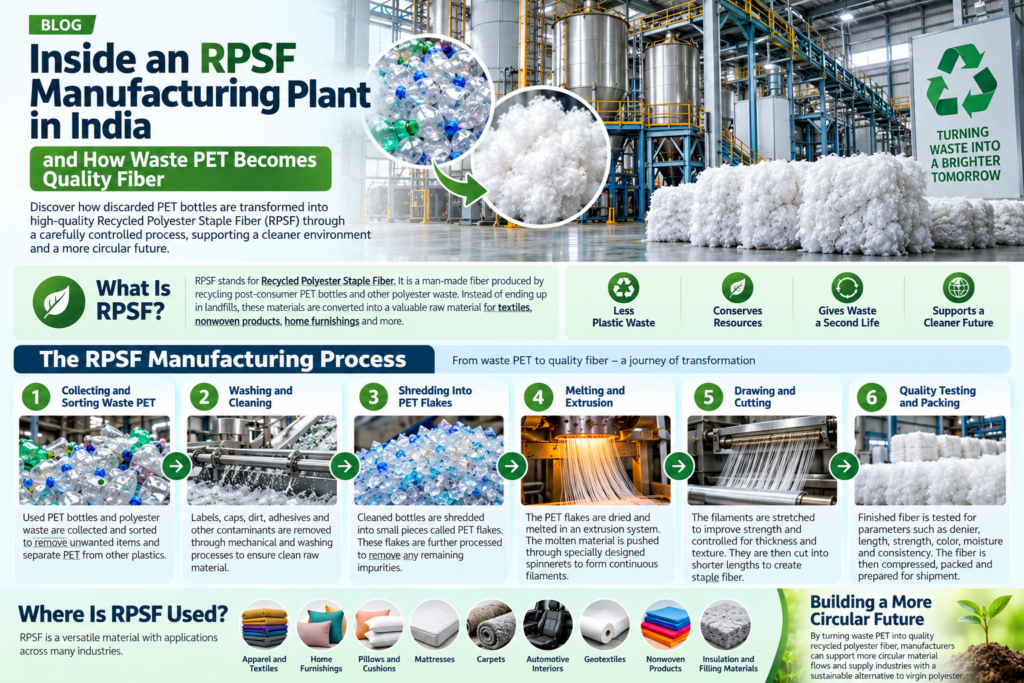
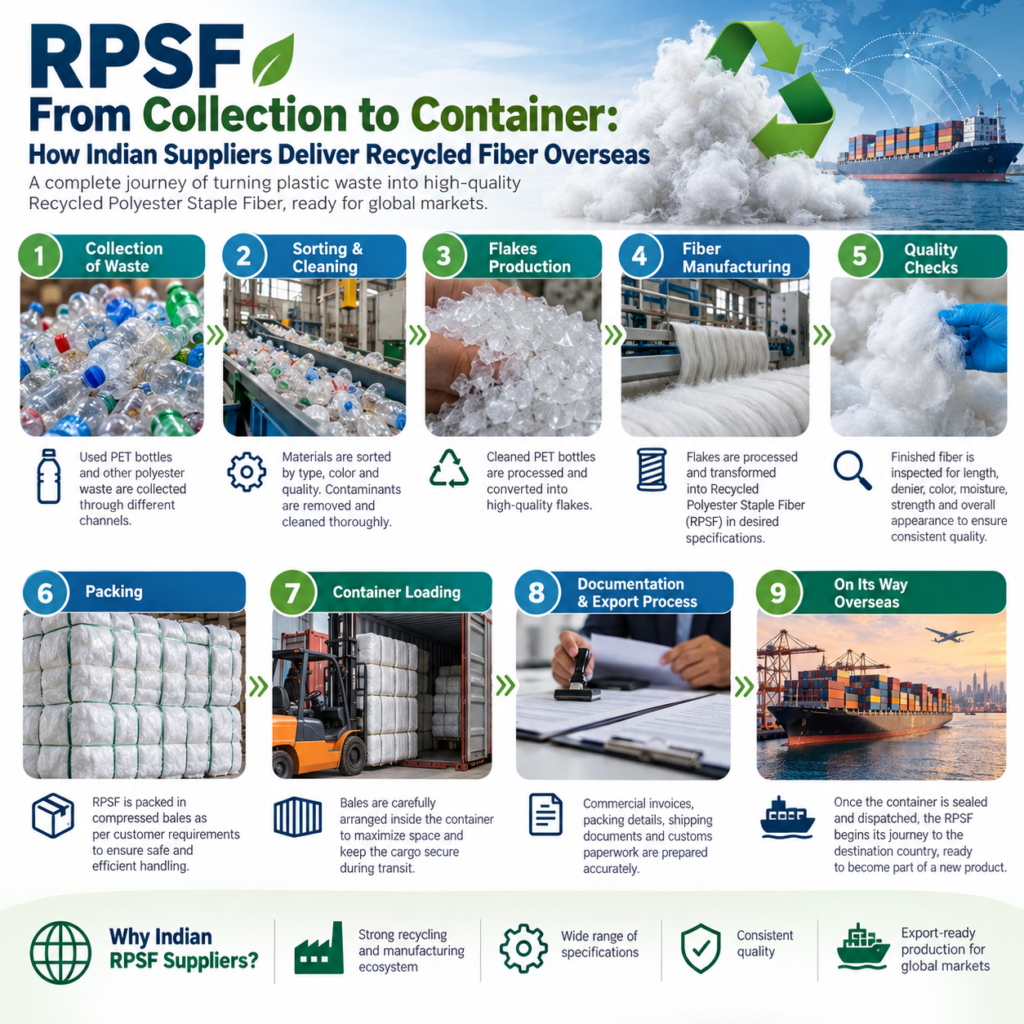
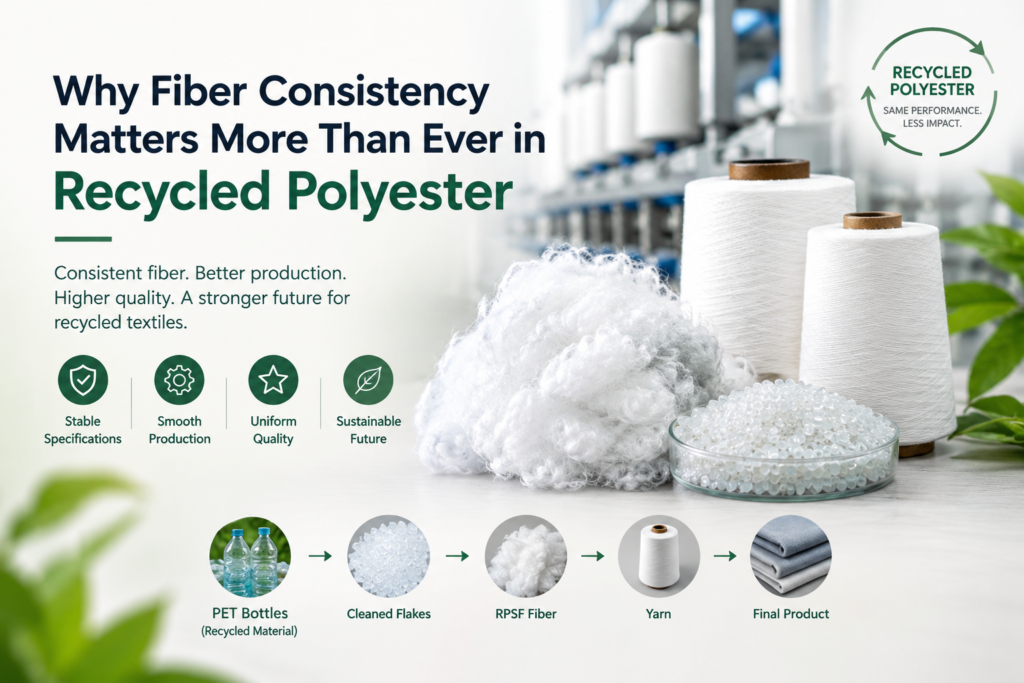
We start with post-consumer plastic bottles traced back to different recycling streams. Bottles are sorted, cleaned, and shredded, which are then converted into PET flakes. Flakes are deemed excellent for textile production when they are of high quality, contaminant- and color-free.
By 2025, the majority of manufacturers will opt for food-grade PET flakes having worldwide recycling standards such as GRS (Global Recycled Standard) and ISO 15270, which ensure traceability and environmentally responsible standards.
2. Transformation: PET Flakes to Yarn
Once PET flakes are cleaned, the next procedure involves melting and extruding them into fine filaments. These filaments are drawn and spun into polyester yarn, which serves as the base for recycled textiles.
Innovative tech, including molecular recycling and closed loops, facilitates retention of material purity and strength. The result is a yarn that performs like virgin polyester but at a considerably reduced carbon footprint.
Many large international companies will be acquiring AI sorting and optical cleaning technologies for reducing energy usage and preserving flake purity for yarn production. This is forecasted for the year 2025.
3. Fabric Formation: Weaving Sustainability
Knitted or woven polyester yarns are used to create materials for apparel, home textiles, automotive interior textiles, and technical textiles. The materials become light, strong, and easy to dye, which results in their popular demand in the fast eco-fashion market. New innovations are emerging like blended recycled fibers (PET + organic cotton or bamboo), which are predicted to become more mainstream, offering more comfort and eco-performance.
4. The 2025 Value Chain: Key Players and Certifications
The value chain for recycled textiles includes collectors, recyclers, yarn manufacturers, textile mills, and brands. Each component of this chain is part of the sustainability narrative.
- Collectors and recyclers focus on purity and efficiency in sorting.
- Yarn makers spend on R&D to enhance texture and strength.
- Brands and designers focus on traceability and certifications like OEKO-TEX, GRS, and RCS (Recycled Claim Standard) to reassure consumers that products are authentic.
World demand for certified recycled fabrics will grow 40% in 2025, fueled by green consumers and government regulations that are increasingly prohibitive with respect to plastic waste.
5. Why PET Flakes on Fabric is Important
Converting PET flakes to fabric avoids landfill waste, saves natural resources, and decreases carbon emissions by almost 60% versus virgin polyester production.
It is also consistent with the UN Sustainable Development Goals (SDG 12 & 13), encouraging responsible consumption and climate action.
From sportswear to high fashion, companies now proudly label “Made from Recycled PET” tags as a badge of innovation and responsibility.
Also Read: rPET Resins with FSSAI Approval Gaining Momentum in Food-Grade Packaging Applications
Conclusion
The PET flakes-to-fabric revolution is more than recycling — it’s a circular, low-impact manufacturing movement. As 2025 progresses, companies using this value chain aren’t just achieving sustainability targets but winning the confidence of their customers.
Recycled textiles are no longer niche — they’re the new standard. The journey from PET bottles to clothing is the future of sustainable fashion and global environmental care.