Category: Blog

Your blog category

  • How Recycling PET Bottles is Transforming the Future of Fashion.

    How Recycling PET Bottles is Transforming the Future of Fashion.

    In this age of innovation, recycling PET bottles has become a modern marvel of the sustainable fashion industry. The fashion world, which is notoriously known as one of the most polluting industries, is now radically changing its position by incorporating sustainable practices. rPET, which stands for recycled PET, is particularly interesting due to its ability to be converted into sustainable clothes and accessories. rPET is derived from polyethylene terephthalate (PET) bottles.


    What is rPET and How is it Made?

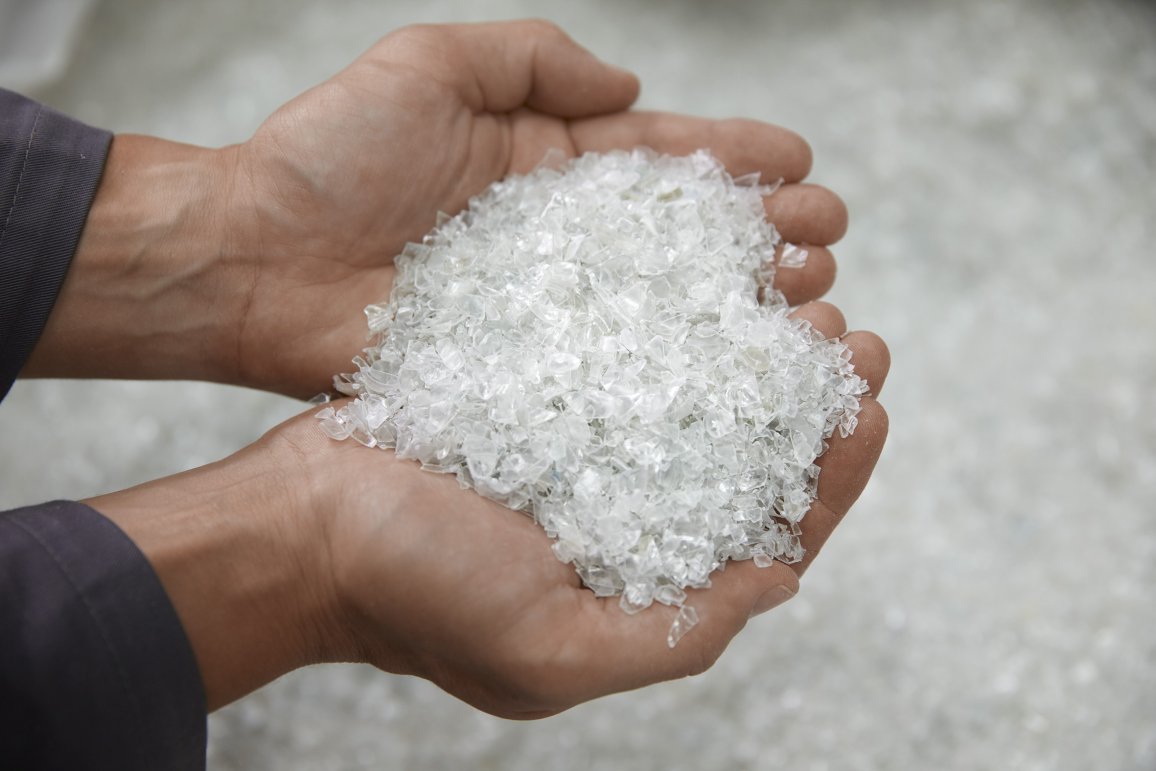
    Recycled PET (RPET) is made through shredding plastic bottles into small pieces and removing their caps and labels. Shredded bottles are cleaned first. After being cleaned, the flakes or small pieces are melted and turned into fibers. The resulting product is both strong and light which makes it useful for a variety of applications such as activewear and even high fashion clothing.

    Process Overview:  

    • Collecting the used PET bottles
    • Washing and sterilizing
    • Shredding into flakes  
    • Melting and extruding into fibers  
    • Knitting or weaving into textiles


    Why Fashion Companies Are Switching To rPET  

    The fashion sector is the largest industry responsible for pollution, water overconsumption, and waste. rPET allows for the conservation of virgin plastics and lowers the carbon footprint.  

    The Use of rPET in the Fashion Industry Has These Advantages:  

    • Diverts plastic waste away from oceans and landfills  
    • Decreases energy and water consumption in comparison to virgin polyester  
    • Decreases the emission of greenhouse gases  
    • Maintains the same strength and flexibility as virgin fibers.  


    Recycled PET Bottle Applications in Fashion  

    1. Activewear Sets And Sportswear  

    Athletic brands are now creating moisture-wicking and breathable sportswear using rPET. Such garments not only perform exceptionally but also enhance sustainable initiatives.  


    1. Travel and Outdoor Gear  

    Eco-friendly travel and outdoor enthusiasts love rPET backpacks, jackets, and sleeping bags. Recycled polyester’s strength helps sustain the durability appeal.  


    1. Urban And Casual Fashion  

    People now use blends of rPET to create casual clothes such as t-shirts, jeans, and dresses. These provide comfort, style, and eco-friendliness.  


    1. Accessories and Footwear  

    Consumers have as many rPET shoe, belt, and bag options as they do eco-friendly alternatives to leather or synthetic shoes, which helps lessen the ecological impact.


    Leading Brands Adopting Recycled PET  

    Numerous global and even Indian fashion brands are at the forefront of sustainable fashion by integrating rPET into their lines, such as:  

    • Adidas: Developed shoes and garments from PET plastic and ocean waste materials.  
    • Patagonia: First adopter of rPET in outdoor clothing.  
    • H&M Conscious Collection: Fashionable clothing made from sustainable resources, including rPET.  
    • Indian Startups: Contemporary fashion from post-consumer waste is being produced by labels such as Doodlage and B Label.  


    Challenges in Scaling rPET Fashion  

    Even with the ecological benefits of rPET, the fashion industry contends with:  

    • Some areas have insufficient recycling facilities.  
    • Higher costs of production than virgin polyester.  
    • Little consumer attention and demand.  

    Even with these obstacles, a shift toward rPET is being driven by heightened environmental awareness and regulations.


    Future Outlook: A Sustainable Fashion Revolution

    Winning Strategies integrates the use of discarded PET plastic bottles into clothing. This is more than just a trend; It has the capability of nurturing a circular economy. Development in textile advancements and robotics-focused industrial sewing techniques that emphasize transparency and RPET is likely to ensure its adoption in the secondary level of education fashion.

    The Way Forward

    • Invest in sustainable sourcing and supply chains.
    • Educate the public regarding the benefits of rPET products.
    • Support campaigns that promote recycling and ethical fashion.

    Also Read: Top Manufacturer & Supplier of High-Quality Dark Black RPSF in India

    Final Thoughts

    Imagine the possibilities that can stem from re purposing fashion, redefining styles, creating new brands while offering a solution to plastic waste. RPET promises to become award-winning, cutting-edge throughout the entire textile industry.

    By using garments from recycled PET, every individual is given an opportunity to express and contribute towards striving for a cleaner, sustainable world. The change has already commenced and secured the fashion world of the future, built on recycled, responsible, resilient innovation.

  • Top Manufacturer & Supplier of High-Quality Dark Black RPSF in India

    Top Manufacturer & Supplier of High-Quality Dark Black RPSF in India

    Recycled Polyester Staple Fiber (RPSF) is making a mark for itself in the synthetic fibers industry because of its definite strength and numerous applications. Dark Black RPSF offers the added advantage of intense color along with strength and uniformity. If you are searching for a reliable manufacturer and supplier of dark black RPSF in India, this blog highlights how a supplier can be considered top rated as well as the benefits of having Dark Black RPSF for manufacturing processes.


    What is Dark Black RPSF?

    Dark Black RPSF (Recycled Polyester Staple Fiber) is made from waste PET bottles and plastics. The waste undergoes a vigorous sorting and cleaning step before being turned into staple fiber of black color. It has widespread application in textiles, automotive, home furnishing, and nonwoven.

    Some of its advantages are listed below:  

    • Environment-friendly and sustainable
    • Provides exceptional thermal insulation
    • Remarkable tensile strength
    • Affordable
    • Consistent hue and quality


    Uses of Dark Black RPSF

    This fiber finds application in a variety of industries such as:

    • Textile: Used as filling material for pillows, cushions, and quilts.
    • Automotive: Used in padding and insulation of car seats.
    • Geotextiles: Used in the construction of roads and as filtration fabrics.
    • Non-woven Fabric Industry: Used to produce mats, felt, and insulation.
    • Furnishings: Used in sofas, mattresses, and other upholstered furniture.

    With its adaptability, Dark Black RPSF continues to be one of the most sought-after products within India as well as internationally.


    What makes you select a major supplier within India?

    Due to its low cost as well as the advanced technologies used in the industry, India is now one of the top producers of recycled polyester staple fiber. However, there are some suppliers which need to be avoided.

    Here’s what to look for in a top Dark Black RPSF manufacturer:

    1. Consistency in Quality A good supplier provides a fiber with consistent denier, cut length, and color which ensures it will perform satisfactorily in different manners of usage.
    2. Advanced Manufacturing Facilities These suppliers are the ones who purchase modern lines for recycling and producing fiber to ensure they comply with international ecological and safety regulations.
    3. Custom Requirements Good suppliers ensure flexibility and allow their clients to specify details such as cut length (32 mm, 38 mm), denier (6D, 15D), and siliconized or non-siliconized finishes.
    4. Timely Delivery Keeping up with the manufacturer’s schedule in delivering Dark Black RPSF is critical for smooth operations.
    5. Eco-Friendly Certification Ensure that your suppliers possess ISO and other GRS certifications that are recognized globally with environmental compliance checks.


    Leading Supplier of Dark Black RPSF in India

    Rakshitam Eco Fiber Pvt. Ltd. is positioned amongst the foremost suppliers of Dark Black RPSF in India. The company is distinguished by:  

    • Years of experience in PET recycling and fiber manufacturing.  
    • Having high-capacity production units.  
    • Rigid Quality control processes.  
    • Domestic and global distribution.    
    • Flexible pricing and proactive customer relations.  

    In case you are looking for fiber for domestic production or export, cooperation with a seasoned producer guarantees high-quality standards in production and low ecological impact during manufacturing processes.  


    How to Source High-Quality RPSF in Bulk?

    Adhere to these recommendations while purchasing Dark Black RPSF in bulk:  

    • Always ask for a sample batch before placing the bulk order.  
    • Verify the provided documents for sustainability and quality.  
    • Draft volume-based pricing and formulate a pricing structure based on regular orders.
    • Plan the shipment, delivery time, and additional support services offered.

    Also Read: Why rPET White Flakes Are the Best Choice for Industrial Applications: Durability and Cost-Effectiveness

    Final Thoughts

    The growth of India’s recycled fiber industry is remarkable, and for various manufacturers, Dark Black RPSF offers both sustainability and profitability. Selecting a reputable supplier guarantees that the fiber received fulfills performance and green metric standards.  

    Reach out to a supplier that offers reasonable prices while maintaining high standards of quality, dependability, and eco-friendly practices, and your business will soar in efficiency and responsibility simultaneously.

  • Why rPET White Flakes Are the Best Choice for Industrial Applications: Durability and Cost-Effectiveness

    Why rPET White Flakes Are the Best Choice for Industrial Applications: Durability and Cost-Effectiveness

    There is a global shift across industries to use raw materials that are more effective, reliable, and cost-efficient. One emerging option that is gaining popularity is recycled polyethylene terephthalate (rPET) white flakes. The strength and reasonable price of these high-grade plastic flakes from recycling make them positive on the environment, thus suitable for various industrial applications.

    In this blog, we will discuss the most important factors that make rPET white flakes the most preferred choice for industries looking to achieve an optimal balance between cost and performance.


    What Are rPET White Flakes?

    rPET white flakes come from post-consumer PET products, which are mostly clear plastic bottles. These bottles undergo a cleaning, sorting, and mechanical recycling process that yields a uniform, high-purity flake used in manufacturing.

    White flakes, and unlike lower-grade or mixed-color rPET, have uniform quality which makes their appearance consistent, and therefore, high-value for many industrial processes.


    1. Superior Strength for Industrial Uses

    rPET white flakes are preferred by many industries because of their mechanical strength and thermal resistance. These features are essential for uses such as:

    • Textile fibers like carpets and industrial fabrics.
    • Plastic strapping is used in packaging and logistics.
    • Containers and trays that are thermoformed.
    • Parts and components for automobiles.

    PET’s inherent strength ensures that rPET flakes continue to perform after recycling. They resist wear, impact, and temperature changes which is ideal in industrial settings.


    2. Cost Savings Without Lowering Standards

    rPET white flakes provide a substantial cost reduction when compared to virgin PET and other industrial-grade polymers. There are several benefits for manufacturers:

    • Reduction in material costs while still ensuring product quality.
    • Decreased energy cost when processing recycled materials as opposed to virgin materials.
    • Greater availability of supply considering the growing recycling network.

    Additionally, rPET use can help curb cited regulatory and environmental compliance costs which is becoming a common mandate in many industries due to sustainability goals.

    3. Flexibility Across Various Industrial Uses

    The versatility of rPET white flakes is another benefit. From automotive to construction, industries are adopting rPET in:

    • Injection molding and extrusion
    • Sheet and film production
    • Fiber manufacturing
    • Packaging for non-food products

    The flakes can be processed with industrial equipment, which means incorporating them into existing production lines requires very few minimal adjustments.


    4. Uniform Quality and Purity

    New sorting and recycling technologies mean that rPET white flakes yield lower purity and high uniformity. Leading manufacturers guarantee:

    • Minimal contamination
    • Homogeneity of color and dimension
    • Certifiable traceability

    These attributes lead to lower defects, waste materials, and downtime during the manufacturing process.


    5. Circular Economy Goals Support

    In this post, I have discussed the cost and durability of rPET, but let us not forget its alignment with the support of circular economy principles. Businesses integrating rPET demonstrate a willingness to be:  

    • Proactive
    • Conscious of waste
    • Responsible
    • Eco-friendly

    All of these make a company’s green reputation stronger and help to meet the expectations of consumers and regulators.

    Also Read: The Future is Fiber: How RPSF is Driving Innovation and Material Conservation

    Conclusion

    In the industrial landscape where cost-effectiveness and performance go hand in hand, rPET white flakes come out on top. Industrial manufacturers focusing on operational efficiency and dependability will find rPET white flakes durable, cost-effective, and versatile.

    Investing in your supply chains by purchasing rPET white flakes means acquiring a product that meets today’s expectations while embracing the challenges of the future.

  • The Future is Fiber: How RPSF is Driving Innovation and Material Conservation

    The Future is Fiber: How RPSF is Driving Innovation and Material Conservation

    In this ever evolving landscape, industries are continuously on the look out for materials that are both efficient and cost-accessible while setting long-term conservation objectives. One of the advancements is RPSF – Recycled Polyester Staple Fiber, which is a revolutionary material that alters our perception towards fiber application in manufacturing, textiles, and construction.  

    RPSF is one of the upcoming fibrous materials and its performance, affordability and eco-friendly practices make it the fiber of the future. Unlike virgin polyester which is made from petroleum resources, RPSF gives6 existing plastic waste a second life. This makes it cost-effective as well as responsible. It aids industries seeking to improve materials efficiency. This blog takes a deep dive into understanding RPSF and sheds light on how it is fostering innovations across various industries to enhance fibers with smarter material usage through innovation.


    What is RPSF?  

    Recycled Polyester Staple Fiber is made from used PET plastic bottles and other polyester waste materials. The waste materials undergo thorough cleaning and prepping, which allows them to be transformed into various types of synthetic fibers suitable for clothing, home furnishings, automotive upholstery, insulation, and even construction materials.


    Redefining Innovation Boundaries

    RPSF has far-reaching effects in various sectors, not as a recycled product, but literally as a sculpting material:  

    1. Apparel and Textiles

    Firms are utilizing RPSF to produce moisture-wicking and soft fabrics. This accomplishes the demands of apparel brands while they tackle quality standards, overcoming the increasing responsibility of brand image demand by consumers.

    1. Transport and Automotive

    In the automobile industry, RPSF is incorporated into seat headrests, cushions, and other insulating materials. The fiber’s lightweight property improves fuel economy while the increase in thermal and sound insulation adds to passenger comfort.

    1. Infrastructure and Construction

    RPSF is preferred in the leveraging role in concrete, geotextiles, and insulation panels. Unlike standard methods of reinforcement, RPSF has practical tensile strength with corrosion resistance, making it an ideal substitute.

    1. Home Furnishings

    The material is used for mattresses and enables the production of RPSF cushions and pillows as well as upholstered furniture. It improves durability and ease of maintenance while also adding aesthetic value.

    For manufacturers, the material’s consistent quality at lower costs is a major advantage.

    Material Conservation: A Smart Business Move

    This goal goes beyond gaining materials. Those who employ RPSF surpass their competitors and lessen their dependence on newly sourced raw materials. RPSF ensures:

    1. A decrease in production costs

    Newly produced alternatives are usually higher priced than pre-owned materials. Even when oil prices increase, RPSF provides a stable and well-defined price anchor.

    1. Better waste disposal

    RPSF manufacturing helps remove large volumes of used PET bottles from landfills and seas. This not only creates cleaner PET waste management solutions but, further enhances the overall environmental standing of a corporation.

    1. Gated supply chain improvement

    With the increase of volatility on a global scale, using recycled materials such as RPSF ensures better control and flexibility over sourcing.  


    Why RPSF is the Fiber of the Future

    RPSF is leading the Shift towards circular materials, due to its greatest competitive nature, price, and performance to pliable materials that aid innovatively and sustainably.

    In addition, surpassing modern requirements set by the manufacturing world and preserving quality allows RPSF to assist businesses in effortlessly adjusting to changing standards and preferences.

    Also Read: The Business Case for Transitioning to Mechanically Recycled rPET: Advantages in Cost and Quality

    Concluding Remarks

    RPSF isn’t just a material— it’s a smart choice for innovation and conserving materials. In a time when industries are shifting towards more responsible practices, RPSF offers a viable answer that helps achieve both business objectives and resource efficiency.

    If you deal with textiles, construction, or automotive production, changing to RPSF is not just an environmentally conscious decision— it will also increase profits.

  • The Business Case for Transitioning to Mechanically Recycled rPET: Advantages in Cost and Quality

    The Business Case for Transitioning to Mechanically Recycled rPET: Advantages in Cost and Quality

    Many companies are now adopting mechanically recycled rPET (recycled polyethylene terephthalate) as a more economically efficient option than virgin plastics as they struggle with higher consumer spending and spending on materials. Apart from the environmental advantages, mechanically recycled rPET also provides strong economic value alongside quality benefits, which makes it a tactical option for manufacturers, brands, and packaging suppliers.  

    In this blog, we explore why mechanically recycled rPET is being adopted across various sectors such as food and beverage, fashion, and consumer goods—and how embracing it can improve your profits.  


    What is a Mechanically Recycled rPET?

    Mechanically recycled rPET is a form of plastic that has undergone a cleaning and grinding process and reconstituted into new PET products, also known as non-chemically treated PET products. In contrast to chemical recycling which breaks materials down into their molecular building blocks, mechanical recycling maintains the original structure of the polymer, or plastic, making the process more cost-effective and easier to implement at industrial scales.

    This approach is especially common in bottle-to-bottle recycling where used PET containers are collected, processed, and converted back into food-grade packaging or textile fibers.


    How rPET Could Help Businesses Save Money

    The mechanical form of rPET stands out as a preferable option simply because of its cost savings. This is precisely how it saves money:


    1. Cheap raw material resources

    As long as the price of oil is high, recycled rPET will be cheaper as compared to virgin PET. There is always constant demand for sustainable materials and this is favorable for rPET.


    1. Lower cost of waste management

    Using rPET puts a company right at the heart of a circular economy — one where materials are either reused or repurposed rather than disposed of. This may reduce the cost of waste disposal, earning businesses waste diversion credits/partnerships with recycling schemes.


    1. Subsidies from the government

    Economic theorists have described the rPET “bounty” and funded subsidized payments offered by state governments to promote factory use of recycled materials for packaging. These public policy incentives like tax benefits or purchasing discounts provided by some NGO are now readily available. The shift to rPET has a lot of potential and capital.

    Quality and Performance of rPET

    Advancements in mechanical recycling have enhanced the quality of rPET, especially in the view of those who believe that recycled materials lack the already existing grade described in their non-recycled versions. The incorporation of advanced mechanical recycling techniques allows rPET to closely match, if not equal, traditional PET.

    1. Consistency and Reliability

    When rPET is produced within clearly defined criteria as food-grade, it exhibits properties of clarity, strength, and barrier effectiveness akin to virgin PET. Such properties enable its use in bottles, containers, trays, and even textiles.


    1. Customizability

    Recycled rPET can be blended with virgin PET, or used solely as a standalone material depending on the performance requirements. Companies can tailor the blend ratio and maintain rPET’s cost benefits while ensuring product consistency.


    1. Consumer Perception

    The primary focus of this article deals with cost and quality. Nevertheless, one cannot ignore the fact that consumer confidence in recycled materials has grown tremendously. Companies can now confidently adopt the use of rPET without the risk of tarnishing brand value or perceived performance.


    Is rPET the best option for your business?

    Making the change to mechanically recycled rPET is more than just a marketing choice; it is an operational strategy. For companies that utilize large quantities of PET in packaging or production, switching to rPET can:

    • Lower costs related to materials and disposals
    • Ensure product quality and functionality remain at par.
    • Strengthen procurement agility during volatile raw material markets.

    There has never been a better time to switch with the global supply of recycled PET increasing, and the mechanical recycling advancements.

    Also Read: Recycled PET Chips Driving Change in Eco-Friendly Fashion

    Concluding Statement

    Whatever industry you belong to—packaging, manufacturing, or retail,– doing business with mechanically recycled rPET can prove to be beneficial since it serves as a low cost, practical, and high-quality alternative to virgin plastics. The need for change is greater than ever.

    Getting educated about the benefits allows businesses to adopt a model that enhances operational efficiency in addition to meeting changing market standards.

  • Recycled PET Chips Driving Change in Eco-Friendly Fashion

    Recycled PET Chips Driving Change in Eco-Friendly Fashion

    With the ever-growing impact of the fashion industry on the environment, integrating solutions to this issue is more important than ever. One such material, which is considered a game changer in the world of fashion, is recycled rPET chips. rPET chips are fashionable, long-lasting, and environmentally friendly and are made from post-consumption PET bottles and waste. In this blog, we will discuss how rPET chips are revolutionizing fair fashion, the advantages offered by rPET chips, and the reasons for positive embrace from both, the consumers and brands.


    What exactly are rPET chips?

    Plastic waste, mostly in the form of PET bottles, is turned into (recycled PET) chips after the undergoes cleaning and processing. rPET chips can be shredded and heated until they transform into the desired shape, forming polyester threads and then fabrics to be further used in sewing clothes and accessories. rPET’s most distinguishing characteristic is its nature-friendly production and unlike typical petroleum-based polyester, rPET is made from previously existing waste plastics.


    The transformation cycle

    The process of turning a used bottle into trendy clothes can be broken down into various steps, outlined below.

    1. Collection and Cleansing All used PET bottles are gathered, scanned, and cleaned with the aim of removing any unwanted residues and pieces like labels.
    2. Shredding and pelletizing The shards of pet are cleaned and then turned into PET chips, only after the shards undergo shredding.
    3. Fiber Production To create fibers appropriate for the production of sustainable textiles, plastics chips go through extrusion processing where they are turned into long and strong durable fibers.  
    4. Fabric Creation The fibers are spun into Eco-friendly garment, shoe, and accessory fabrics, and then woven into yarn.  


    Why rPET is a Sustainable Fashion Industry Breakthrough  


    • Cuts Down Waste  Transforming fashion items, such as PET bottles, into recyclable materials stops millions of tons of plastic from being dumped into landfills, oceans, and other open places which is one of the main contributors to pollution.  
    • Reduces carbon emission  Making fabrics out of rPET chips consumes much less energy and releases significantly lower carbon emissions than making them out of virgin polyester; this greatly aids the fight against climate change.  
    • Protects the environment Creating new raw materials consumes petroleum and water, hence using recycled materials helps preserve these resources which are crucial in conventional textile production.  
    • Provides Synthetic fabrics of strength  Fabrics made out of rPET possess the strength, low weight, and versatility alike of conventional synthetic polyester, making them suitable for many fashion applications.


    Well-Known Brands Driving the Change in Fashion

    Famous brands in the fashion industry are adopting the use to enhance sustainability:   

    • Patagonia incorporates rPET fibers in fleece jackets is also used in other outdoor apparel.  
    • Adidas has introduced several product lines, such as sneakers and active wear, made with.  
    • H&M’s Conscious Collection includes items made with recycled polyester derived from rPET chips.    
    • Nike has active wear lines that are made of recycled PET materials.  


    These brands are leading in the industry proving that business sustainability can be stylish.  


    Obstacles and Possibilities  

    While the application of chips in fashion is promising, it does have challenges:  


    1. Challenges  

    • Collection and Sorting Difficulty: Collecting and sorting clean, usable PET waste has infrastructure limitations.  
    • Consistency: Maintaining uniform quality and safety standards for recycled fibers is always an important issue.  


    2. Opportunities  

    • Improvements: Redesign of chemical recycling processes may enhance the quality of rPET fabrics.  
    • Demand: The need for eco-friendly apparel is increasing due to heightened consumer awareness. This will encourage the adoption of rPET by more brands.


    The Future of rPET in Fashion

    As fashion progresses, the concern for the environment continues to have a greater impact on PET, and this is bound to increase. Emerging trends include:

    • Circular fashion models: These actively promote recycling and the reuse of fashion items by the industry itself.
    • Greater Domain Transparency: These grab a lot more brands these days, like GRS (Global Recycled Standard), who are willing to verify their claims on recycling.
    • Innovation in Design: Tailors are noticing and doing something regarding putting pet in collections of advanced and exciting clothing.

    Also Read: Turning PET Bottles into Eco Fiber Solutions Waste to Wonder

    Conclusion

    Sustainable fashion is greatly influenced by recycled pet chips as they provide for low-cost and sustainable alternative to virgin materials with no sacrifice on quality and style. The combination of brands, designers, and consumers focusing more on sustainability is an encouraging factor that pet is enabling us towards a responsible fashion industry. Adopting these materials is no longer optional; it is essential to achieving a beautifully designed sustainable future.

  • Turning PET Bottles into Eco Fiber Solutions Waste to Wonder

    Turning PET Bottles into Eco Fiber Solutions Waste to Wonder

    Indubitably, one of the most dire problems that the world grapples with today is the rampant problem of plastic pollution. The case of PET (or Polyethylene Terephthalate) bottles being thrown away by the millions daily signifies a sustainable approach to addressing this issue. Thankfully, PET recycling technologies have made it possible to turn the waste into invaluable resources. One of the most astonishing things is that PET bottles can be converted into environmentally friendly fiber solutions. This process aids in substantially reducing plastic waste and also a circular economy is promoted where different industries reap the benefits and enhance their eco-friendly initiatives.


    Steps Required For The Transmutation Of Plastic Waste To Eco-Friendly Fiber Derived From PET Bottles

    Achieving the eco-friendly fiber solution made from a PET bottle requires quite a few essential steps or processes such as:

    1. Collection And Classification Of PET Bottles

    The first step is to collect used PET bottles from houses, businesses, and recycling centers. Each is then sorted by type and color for optimal quality.

    1. Cleaning Followed By Shredding

    Strict cleansing of the marked caps, labels, and any impurities is followed. The next step is shredding the cleaned bottles into small pieces, which are referred to as PET flakes.

    1. Extrusion And Melting

    Extrusion and melting of the shredded PET flakes is done using very high temperatures. They must also be pushed through spinnerets to allow for the molding of long fiber. The yarn can then be spun and further woven into several fabrics.

    1. Final Processing

    The composite materials are further worked on to increase their strength, texture, and color to suit specific needs. The materials can now be applied in many different industries.


    Converting PET Bottles into Fiber and Its Benefits

    Recycling PET bottles into fibers presents various advantages concerning the environment, economy, and society:  

    1. Environmental Considerations  

    • Decreases Waste in Landfills: Recycling PET bottles aids in stopping a large amount of plastic coming from landfills and oceans.   
    • Low Carbon Emission: Producing fibers from recycled PET emits less energy than producing virgin polyester, hence decreasing greenhouse gas emissions.  
    • Preserves Natural Resources: It reduces the amount of oil, which is a non-renewable resource, required for creating new plastics.  

    2. Financial Benefits  

    • Cost Efficient Material: Recycled fibers are less expensive than virgin counterparts; thus, offering financial benefits to manufacturers.  
    • Employment Opportunities: The recycling market creates jobs in the collection, processing, and manufacturing sectors.  

    3. Helps Sustain Economically Developed Industries  

    • Fashion & Textiles: More brands are now using recycled fibers for the production of eco friendly clothing and accessories.  
    • Home Furnishings: Products like carpets, upholstery, and bedding are now made from PET and considered recycled fibers.  
    • Automotive Industry: Recycled fibers find application in interiors, seat covers, and insulation materials of cars.


    Innovations Driving Eco-Friendly Fiber Solutions  

    Advancements in technology thoughtfully enhance the quality and multifunctional use of fibers harnessed from recycled PET:  

    1. Improved Recycling Processes Recycling techniques are introduced that chemically deconstruct PET into the foundational monomers, enabling perpetual recycling without degradation.  
    2. Hybrid Textiles  Recyclable PET is being blended with natural such as organic cotton and hemp, resulting in hybrid textiles that are both sustainable and high-performing.  
    3. Other Uses  Fibers made from recyclables PET are also used beyond clothing and furnishings in construction materials, geotextiles, and composite industrial materials.  


    Future Emphasis  

    The prospects for converting PET bottles into fiber solutions are promising:  

    • Increased Consumer Demand: There’s a growing shift amongst consumers opting for products manufactured from recycled materials due to increased awareness surrounding Eco-issues.  
    • Corporate Sustainability Targets: Numerous conglomerate brands have pledged to incorporate recycled content in their products, thereby increasing the available supply of Eco-friendly fibers.  
    • Supporting Policy: There are policies and incentives being adopted by governments across the world that encourage the use of sustainable materials and recycling.

    Also Read: Top Plastic Recycling Company in India Converts Black PET Flakes into Valuable Products.

    Conclusion

    The recycling of PET bottles into eco-friendly fibers demonstrates the innovative capabilities of humanity in resolving sustainability issues. The recycling of plastic reduces environmental damage, resource consumption, and wasteland proliferation. This step alone marks a great achievement in sustainability. The sustainable fiber solutions technology will become more effective as consumers become aware of their benefits. This underlines the fact that you can use waste to create a change if approached correctly.


  • Top Plastic Recycling Company in India Converts Black PET Flakes into Valuable Products.

    Top Plastic Recycling Company in India Converts Black PET Flakes into Valuable Products.

    The India green movement and black PET flakes both hold importance in India’s progress towards a more sustainable future. Blended with emerging technologies, black PET flake recycling lies at the intersection of AI, sustainable innovations, and creativity, helping transform waste into highly sought-after materials. In the modern industrial ecosystem, disregarding sustainability in the production process involves overlooking a fundamental industry demand. Without question, the circular recycling of PET (polyethylene terephthalate) has shifted from an option to a major requirement. One of India’s top plastic recycling companies utilizes cutting-edge technologies to turn waste black PET flakes into eco-friendly reusable materials.  


    What are black PET flakes?  

    Black PET Flakes are shredded black plastic trims from consumer products like black PET bottles, trays, and containers. These materials undergo sorting, cleaning, and advanced recycling technologies to create flakes that can be used in many industries.  

    These black PET flakes are made from used PET parts(domain-specific products such as trays lunch trays and bottles) that give them a distinct coloration. black PET flakes were considered less favorable than clear or light-colored flakes due to their darker color. This technology can now be used to make more textiles, industrial-grade plastics, and even automobiles.  


    Recycling companies in India and their influence  

    The country generates nearly 3 million tonnes of PET trash each year, which is an environmental concern. Specialized plastic recycling companies are popping up to tackle the problem. These companies are managing the waste in a new and effective way.  

    For its proprietary black PET flake processing that is both economical and green, this company stands out from the crowd.


    The Following Will Discuss How Black PET Flakes Are Transformed:  

    1. Collection and sorting  

    PET bottles and containers are gathered from households, businesses, and commercial centers. Enclosed sorting systems allow for the precise separation of black plastics.  

    2. Shredding and cleansing  

    Attachments, stickers and contaminants are removed from black PET and cleaned thoroughly. It is then shredded into small uniform flakes.  

    3. Testing quality  

    Basic Tests performed on the flakes for their strength, durability, and cleanliness are done and an international standard achieved.  

    4. Conversion into end products  

    The following are substances that the black PET flakes transform into:  

    • Recycled polyester staple fiber (RPSF)  
    • Non-woven fabrics,  
    • insulator materials,  
    • Car interiors,  
    • Industrial packaging.


    The Importance of Black PET Flakes from Recycled Plastics  

    Black PET flakes are increasingly accepted as an almost virgin plastic alternative due to their overlooked value as raw material. Below is why black PET helps meet accepted plastics demand:  

    • Cost-Effective: Black flakes are lower priced than virgin plastics and as such serve as a cheap and reliable material.  
    • Eco-Friendly: The carbon and energy emissions outweigh the savings from not using recycled PET compared to virgin plastic.  
    • High Demand in Industry: The automotive, construction, textile and even packaging industries are embracing recycled content.  


    Impact on the Environment and the Economy  

    Recycling companies are transforming black PET flakes into valuable products for the market:  

    • Helping India achieve targets in the circular economy.   
    • Promoting employment opportunities in the recycling and manufacturing industries.  
    • Diverting millions of tons into landfills and oceans.  
    • Encouraging production and consumption to shift towards pro pro-environment stance.  


    Looking Ahead: A Sustainable Future  

    The demand for recycled PET products will continuously increase due to raised environmental awareness and as regulation pressure intensifies. Black PET flakes from top plastic recycling companies in India present a sustainable, inventive, and profitable solution contrived by leading recycling firms poised to drive the country’s economy forward and take on environmental challenges.

    Also Read: Transforming Plastic Waste into RPSF (Recycled Polyester Staple Fibre) Sustainable Solutions in India

    Conclusion

    The transformation of black PET (polyethylene terephthalate) flakes from discarded plastic into a PET product serves as an epitome of circular innovation. In case you are looking to procure sustainable materials or trying to promote green initiatives, showing support towards the best plastic recycling companies in India is a forward step. It is possible to change the narrative of waste into worth together while working towards a cleaner and greener world.

  • Transforming Plastic Waste into RPSF Sustainable Solutions in India

    Transforming Plastic Waste into RPSF Sustainable Solutions in India

    The issue of plastic waste in India is increasing rapidly. Consumption, population growth, and urban migration have led to an unprecedented increase in non-biodegradable waste like PET (Polyethylene Terephthalate) Bottles and packaging. This problem is, in turn, driving innovation. One of the most impactful examples of creating a positive change is the adoption of RPSF (Recycled Polyester Staple Fibre), a product created out of plastic waste. RPSF is transforming the textile and manufacturing sector of India.


    What is RPSF?

    Recycled Polyester Staple Fibre, or RPSF, is a type of synthetic fiber resulting from recycling PET plastic. Instead of letting plastic bottles clutter landfills and oceanic regions, they can be collected, properly cleaned, shredded, and changed into high-quality polyester fibers. These fibers have numerous applications including;

    • Garments and textile yarns
    • Automobile upholstery
    • Cushion and pillow covers
    • Geotextiles and some non-woven filtration fabrics
    • Insulating materials


    Importance of RPSF in Context of India

    Every year, approximately 3.5 million tonnes of plastic waste is produced by India and the recycling percentage is relatively low. The economical and sociological sustainability of industry are also crucial factors that allow for plastic waste reduction and economic development to coexist and are accomplished through RPSF production.

    The following highlights the advantages of RPSF:

    • Substitutes virgin polyester better than RPSF, which is produced from petroleum and is energy-demanding to manufacture.
    • Using PET Fibres requires minimal energy and new source fibers creation requires higher energy and water consumption.
    • Thousands of people of various skill sets within the recovering, processing and manufacturing forms are employed in multiple tasks throughout the supply chain of the RPSF.
    • Agreements for Corporate Responsibility are maintained better with RPSF because these companies can enforce Social Responsibility Policies aligning with Environmental Governance Policies.


    Operations in the RPSF Factory

    1. Collection: Municipal collection through channelized PET exhibitions, scavenging enterprises, or organized waste management workers can all be categorized under the collection of plastic waste.
    2. Sorting-Cleaning: Removal of caps, contaminations, label identification, and removal are all processes under cleaning and sorting.
    3. Shredding: Further cleaning processes lead to PET being shaven into minute pieces or flakes.
    4. Extrusion: Membranes of the lowest alteration are formed by heating and stretching these flakes into fine strands.
    5. Crimping and Cutting: Texturing followed by cutting into set sizes gives end Recycle.

    This closed-loop process reduces waste, emissions, and dependence on fossil resources—making it one of the most sustainable industrial practices.


    RPSF in Action: Real-World Applications

    And Eco-Friendly Apparel- Fashion brands are now marketing ‘green’ clothes and attempting to reduce emissions in their supply chains. RPSF is being used all over India for manufacturing:

    • Automotive and furniture-grade durable fillers
    • Infrastructure geotextiles like roads and erosion control structures
    • Civils Industrial textiles for filtering and insulating materials
    • Due to its affordability and ease of use, it benefits any industry aiming to reduce carbon emissions, and without losing quality.


    Challenges and the Road Ahead

    While many benefits exist, the RPSF industry also faces challenges such as:

    • Absence of coherent systems to collect waste
    • Lack of awareness of the concept of recycling plastic and its uses by consumers
    • Need for more sophisticated recycling systems.
    • Global fluctuations in the price of PET

    Implementing policies like the Plastic Waste Management Rules opens up new avenues for government action and, coupled with increasing consumer interest in environmentally friendly goods, the outlook for RPSF is positive in India. Investment in R&D alongside policy support will help scale its goal.

    Also Read: How rPET Chips Are Transforming the Manufacturing of Plastic Products

    Conclusion

    Recycling plastic waste into RPSF is more than simply recycling; it indicates a paradigm shift. There is potential for India to emerge at the forefront of the global circular economy by developing its RPSF ecosystem. For the manufacturers, entrepreneurs and consumers, in general, embracing RPSF translates to a cleaner and more responsible world.

  • How rPET Chips Are Transforming the Manufacturing of Plastic Products

    How rPET Chips Are Transforming the Manufacturing of Plastic Products

    The plastic waste problem is of growing concern, causing industries across the globe to find more sustainable and environmentally friendly options to manufacture products. One such promising innovation in this regard is the production of recycled PET (rPET) chips which are made from post-consumer PET bottles and containers.RPET chips are gaining acceptance as a sustainable raw material for manufacturing various plastic products. This post will analyze how rPET chips are changing the landscape of the plastic manufacturing sector along with their benefits, applications, and prospects.


    What are rPET Chips?

    rPET (Recycled Polyethylene Terephthalate) chips are the type of chips obtained by recycling the used PET plastic. rPET chips are a form of small cylindrical or oval beads manufactured from processed rPET granules. The recycling procedure starts with collecting PET bottles, cleaning them, shredding them into flakes, and melting and reforming them into rPET chips. These chips are a sustainable and quality alternative to virgin PET for the production of numerous types of plastic products.


    Advantages of rPET Chips in Manufacturing

    Using rPET chips in manufacturing processes in industries brings about new opportunities, especially towards economic benefits as well as improved efficiency:

    1. Environmental Preservation

    • Maintains balance in the ecosystem by reducing the amount of harsh plastic waste sent to oceans and in landfills.
    • Preserves natural materials by reducing and conserving new resources required to create petroleum-based PET.
    • Minimizes greenhouse gases emitted and the use of energy spent during production processes.

    2. Cost-Effectiveness

    • This minimizes the costs of raw materials by using existing plastic junk.
    • This achieves a manufacturer’s sustainability regulatory goals as well as corporate social responsibilities.

    3. High Performance and Versatility

    • Features identical durability, clarity, and strength as virgin PET.
    • Wide-ranging applications from packaging to textiles.


    Key Applications of rPET Chips

    Widely used across numerous industries, rPET chips can be applied in these ways.

    1. Beverage Bottles and Food Containers

    • To manufacture new PET bottles, food-grade containers, and other products.
    • Ensures the highest order for safety and hygiene.

    2. Textiles and Apparel

    • Used in the manufacture of polyethylene terephthalate (PET) apparel, upholstery, and also general home furnish goods.
    • Lends credence to sustainable fashion and cuts waste from the fashion industry.

    3. Automotive Components

    • Used for making automobile components such as seat covers, trim interior, and insulation materials for the interior.
    • Improves vehicle sustainability by increasing the amount of recycled content.

    4. Packaging Materials

    • Sourced from the production of films, sheets, and thermoformed goods packages.
    • Improves sustainability of consumer and industrial goods packaging.

    5. Industrial Straps and Sheets

    • Used for construction and logistics in strapping, which is of heavy-duty and sturdy plastic sheets, flexible.


    The impact of rPET chips on the industry:

    The advent of rPET chips is causing powerful shifts within the ecosystem of plastic manufacturing.

    1. Boosting the Circular Economy

    • Stimulates carried out shredding and reclamation of PET items.
    • Reintroduces the lifeline of plastics into the supply chain.

    2. Advancement Of Innovations

    • Meeting the required rPET chip standards boosts advanced recycling technologies.
    • Developments in chemical recycling and more aggressive decomposition cleaning make rPET applicable in numerous fields.

    3. Propelling Corporate Social Responsibilities

    • More and more global brands and manufacturers are incorporating rPET to achieve sustainability goals with their eco friendly packaging policies.
    • Assists in achieving a lower carbon footprint, while rPET enables the capturing of green financially savvy customers.


    What is next for rPET chips?

    Sprouting attention around the globe seeing plastic pollution, alongside the use of sustainable practices with goods will create a market boom for the rPET chips. The future path for the rPET lies on:

    • Technological Innovations: Improvements in the recycling processes will always be continuous which will result in higher quality and more usable rPET chips.
    • Stricter Policies: Countries from all over the globe are putting in place enhanced requirements around recycling and sustainability.
    • Purchaser Behavior: Changes towards the eco friendly goods are picking up which forces businesses to move towards using recycled materials.
    • New Opportunities: Further research is unlocking possibilities for the application of rPET in the building industry, in healthcare, and in high-performance engineering.

    Also Read: Top pet bottle recycling companies in india leaders in plastic waste management

    Final Thoughts

    Sustainable manufacturing of plastic products is being spearheaded by the development of rPET chips. The chips assist in mitigating carbon footprint, preserving ecosystem, as well as in implementing the principles of circular economy, and advancing several industrial sectors by providing a competitive substitute for virgin PET. rPET chips will have an expanding significance in the future of responsible manufacturing towards more eco-friendly practices as innovations and regulations in the industry increase.