Category: Blog

Your blog category

  • Why Brands Are Switching to PET Fiber in 2025: Emerging Trends and Sustainable Benefits

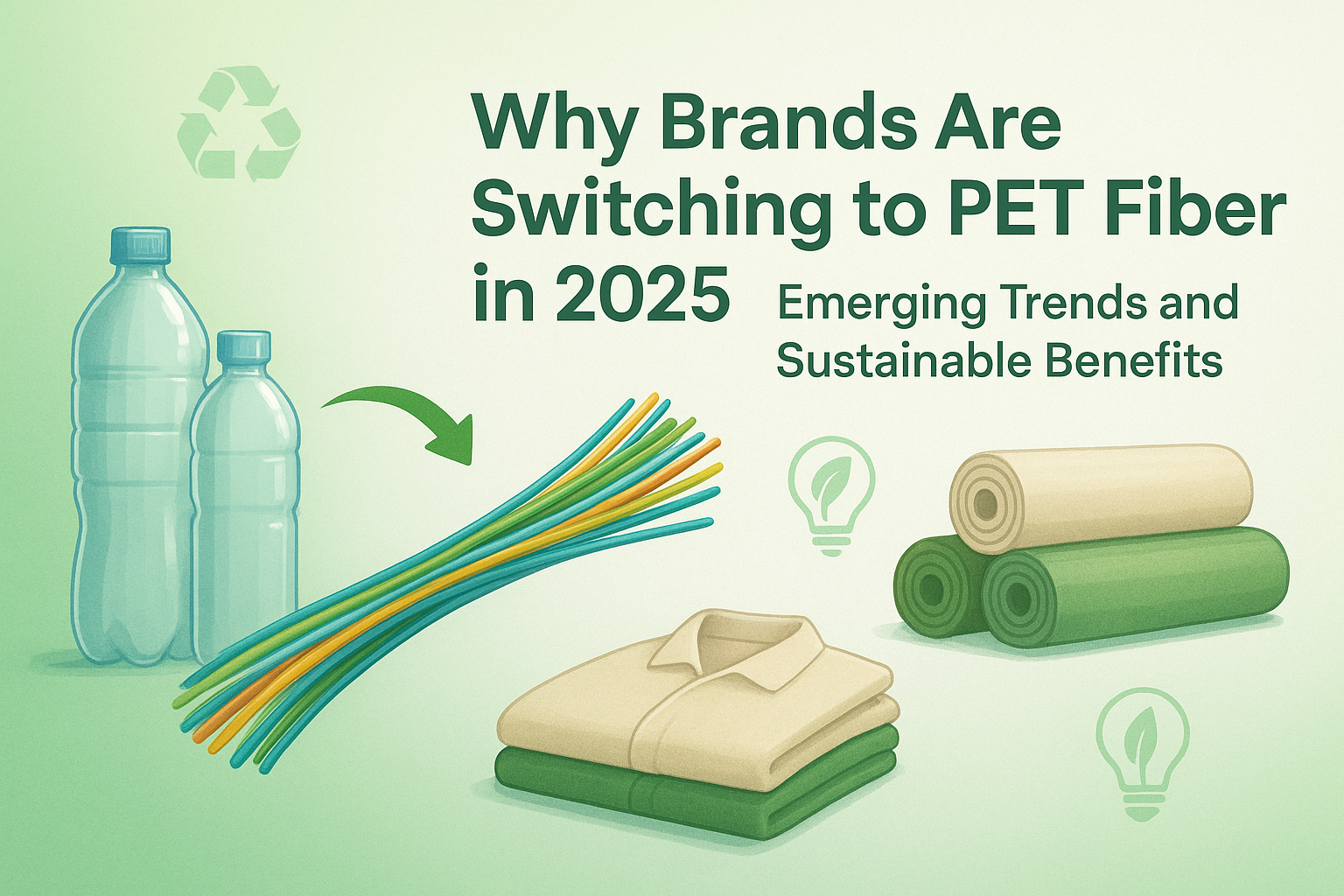
    Why Brands Are Switching to PET Fiber in 2025: Emerging Trends and Sustainable Benefits

    By 2025, sustainability is not a catchword anymore — it’s a business plan. From fashion to home furnishings, international brands are consciously embracing green materials worldwide. A leader among them is PET fiber (Polyethylene Terephthalate), a recycled polyester fiber derived from discarded plastic bottles. This shift is a significant step toward waste reduction and circular manufacturing processes. Let’s find out why brands are turning to PET fiber, as well as the current trends and advantages fueling this shift.


    What Is PET Fiber?

    PET fiber, or recycled polyester staple fiber (RPSF), is made from recycling post-consumer plastic bottles into soft, strong fibers. These fibers are utilized in textiles, apparel, upholstery, automotive interiors, and nonwoven applications. Plastic waste is converted into usable materials instead of going to landfills — with both environmental and economic benefits.


    Why Brands Are Turning to PET Fiber

    1. Sustainability and Environmental Impact

    Why Sustainability is Improving Brands PET Fiber Sustainability and ethical duties is no longer an option since every brand is looking to maintain a positive brand image. The conversion of brands to the use of PET Fiber is based purely on ethical and sustainable duty they owe the planet. The value and importance of sustainability and ethical brand duty is no longer an option since brand image is gaining great importance. The production of PET fibers requires minimal energy and produces less CO2 emissions than the troublesome virgin polyester production. Manufacturing just a ton PET fibers keeps thousands of plastic bottles out of landfills.

    2.Cost-Effectiveness

    Recycled PET fiber has a cost benefit compared to most natural fibers. Its longevity and minimal maintenance needs make it the perfect substitute in bulk production. With advances in recycling technology, the price difference between virgin and recycled materials continues to decrease, enabling brands to remain profitable while remaining environmentally friendly.

    3. Consumer Demand for Sustainable Products

    The demand for ethical and sustainable products is being fueled greatly by the younger generations. Over 70% of the world’s patrons are ready to pay a premium for a product advertised as sustainable. For each purchase of PET fibers, brands increase their reputation within sustainable circles and attract a new clientele.

    4. Government and Industry Regulations

    Governments across the globe are placing new regulations addressing recycling and plastic containment. Companies that use PET fibers are able to achieve certifications like the Global Recycled Standard.


    New Trends of PET Fiber in 2025

    1.Fashion Industry Revolution

    Global fashion brands are incorporating PET fiber into their lines — from sports and casual wear to luxury brands. The “green fashion” trend is fueling alliances between recycling firms and apparel producers.

    2. Removing Contamination

    Advancements in Recycling Technologies: The development of new technologies in chemical recycling and closed-loop systems is improving the quality and color fastness of fibers. Because of these advancements, PET fibers can now perform like virgin polyester and will meet the requirements of high-end products.

    3. Applications of Blended Fibers

    To blend comfort and style with eco-friendliness, brands are working with PET-cotton and PET-wool blends. These blends are increasingly popular in the home textile, furniture, and automotive industries.

    4. Corporate Sustainability Goals

    Leading brands like Adidas, Nike, and H&M are setting the target of using 100% recycled polyester in the near future. These targets are serving as motivation for smaller producers to do the same.


    Major Advantages of PET Fiber

    • Lightweight and Strong: Suitable for diverse uses in textiles and industrial materials.
    • Durable and Wrinkle-Resistant: Great for long-term fashion and furniture.
    • Moisture-Wicking: Provides comfort for athletic wear and sportswear.
    • Eco-Friendly: Lessens plastic waste and decreases reliance on petroleum-based products.

    Also Read: How rPET Chips Benefit Consumers: Uses, Advantages, and Sustainability

    Conclusion

    The move to PET fiber is part of a bigger global trend — where brands are balancing purpose and profit. In 2025, sustainability is influencing buying behavior, manufacturing processes, and brand values. PET fiber is at the center of this revolution with its ideal combination of innovation, responsibility, and performance.

    By embracing PET fiber, brands are not only saving the planet but also future-proofing their business in a world where consumers increasingly prefer environmentally-friendly options.
  • How rPET Chips Benefit Consumers: Uses, Advantages, and Sustainability

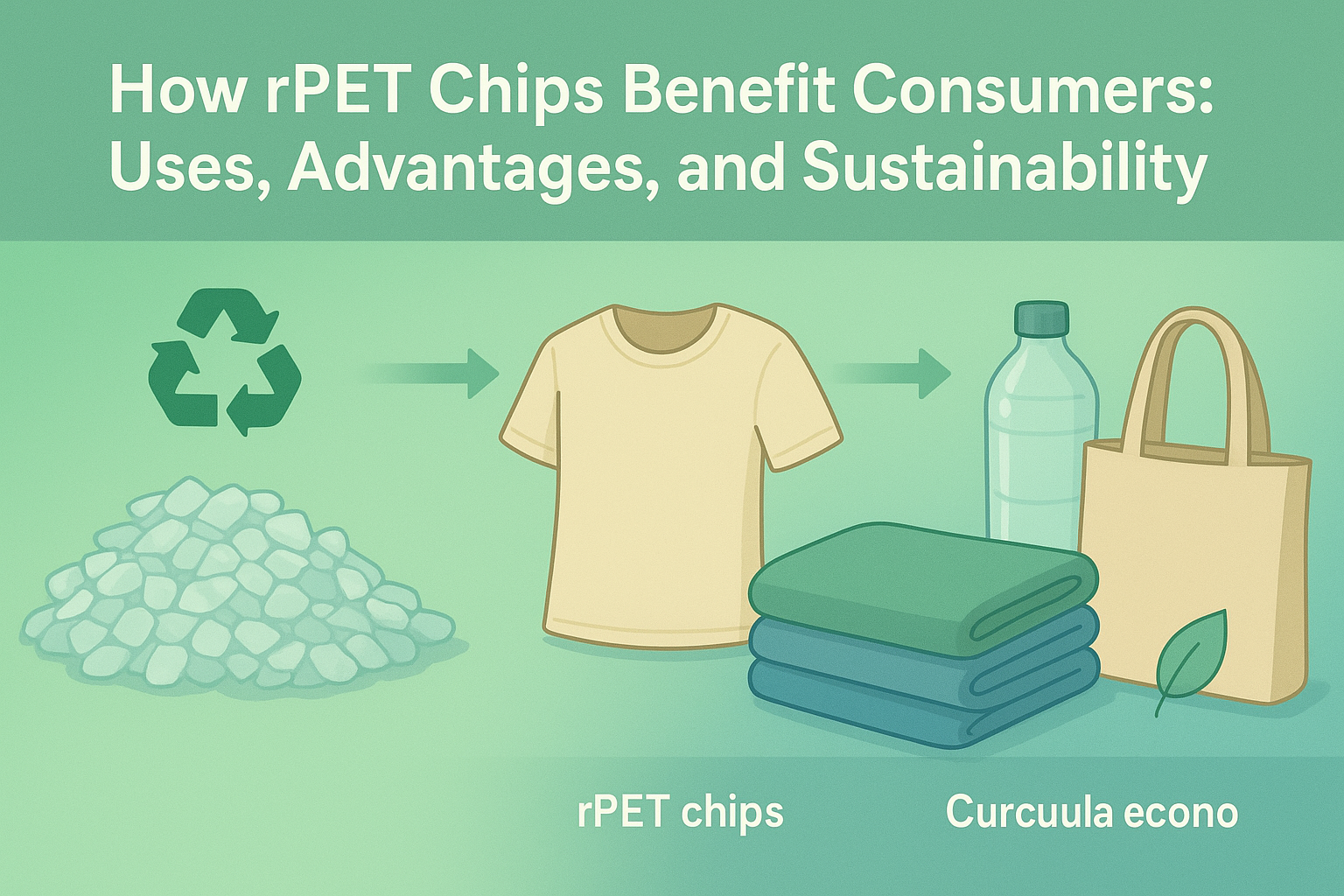
    How rPET Chips Benefit Consumers: Uses, Advantages, and Sustainability

    Recycling and using green materials are important for the global shift towards sustainability. rPET chips—recycled polyethylene terephthalate— are leading this change. By recycling used plastic bottles and transforming them into high-quality raw materials, we are able to replace them in textiles, packaging, and other industries. But how do rPET chips directly benefit consumers? Let’s find out about their uses, benefits, and contribution to a more sustainable lifestyle.


    What Are rPET Chips?

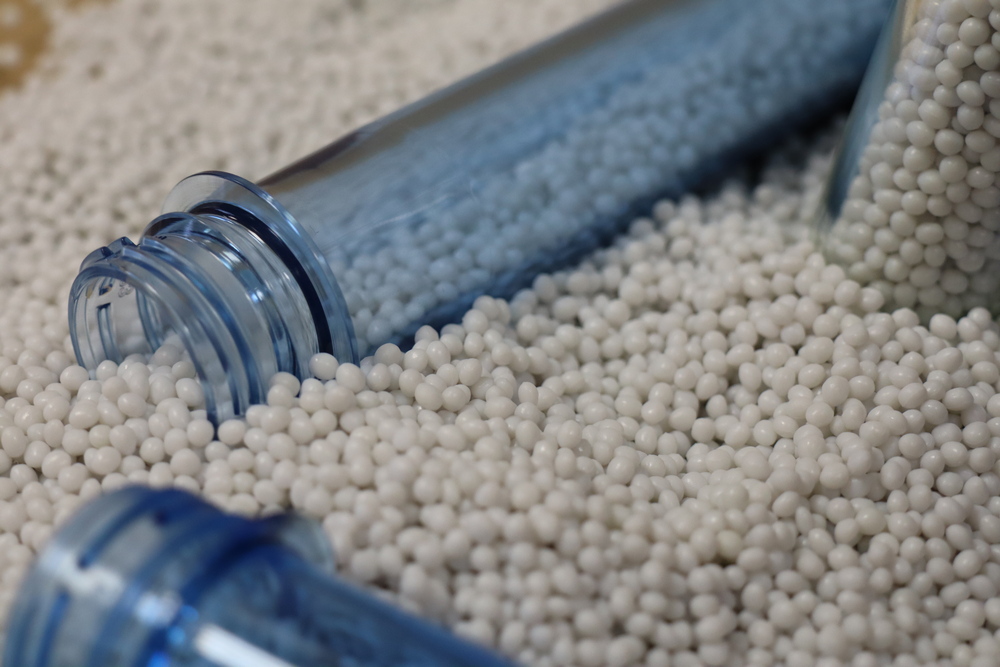
    rPET chips are produced from recycled PET bottles. Once bottles are collected, cleaned, shredded, and melted, they are reformed into uniform chips that serve as a sustainable raw material. The chips are utilized in the manufacturing of recycled polyester fabrics, packaging materials, and even food containers.


    How rPET Chips Benefit Consumers

    1. Eco-Friendly Purchases

    When consumers buy products made from rPET chips—like clothing, bags, or bottles—they contribute to reducing plastic waste. This turns daily choice into direct positive environmental action.


    2. Durability and Quality

    Products and materials obtained from rPET are strong, lightweight, and long-lasting. For the consumer, this means more value for money since products do not shrink, stretch, or lose their shape.


    3. Affordable Sustainable Options

    Unlike other eco-products that are overpriced, the price of rPET products is competitive. The consumers enjoy sustainability without a price premium.


    4. Flexibility in Everyday Life

    From fashion and sportswear to packs and refillable bottles, rPET chips are utilized across industries. Consumers appreciate stylish, functional, and environmentally friendly products.


    5. Supports Eco-Friendly Brand Initiatives.

    Purchasing rPET products signals the demand for environmentally positive corporate behavior. This leads more businesses to adopt environmentally positive, and potentially risky, changes increasing the amount of green options consumers can choose from.


    Major Applications of rPET Chips

    • Fashion & Textiles: Recycled polyester-based activewear, jackets, bags, and footwear.
    • Packaging: Recycled glass bottles, containers, and eco-friendly packaging.
    • Home Furnishings: Recycled fiber-based curtains, carpets, and upholstery.
    • Industrial Applications: Car interiors and building materials.

    Through the incorporation of rPET chips in various industries, consumers enjoy more product variety and sustainable living.


    Benefits to Consumers and the Environment

    1. Decreases Carbon Footprint – Production of rPET is lower in energy and water than virgin polyester.
    2. Reduces Waste – Every product produced using rPET prevents plastic bottles from being disposed of in landfills or oceans.
    3. Fosters Circular Economy – Consumers engage in a cycle where waste is constantly reused.
    4. Enhances Awareness – purchasing rPET-based goods makes customers contributors to the global sustainability cause.


    Sustainability Impact of rPET Chips

    For consumers who care about the planet, rPET chips are more than just a material—they represent a shift toward sustainable living. Every rPET-based product purchased reduces dependence on fossil fuels, limits plastic pollution, and supports companies working toward a circular economy. Over time, this collective consumer behavior can reshape industries and significantly lower global plastic waste.

    Also Read: How rPET Plastic Bottle Recycling Transforms Waste into Sustainable Fabric

    Conclusion

    rPET chips might sound like a technical product, but their effects on the consumer are by all means real. From affordable clothing and long-lasting packaging to green household goods, the advantages of rPET chips are both functional and environmentally friendly. With rPET-based products, consumers get to enjoy quality and value while helping mitigate wastage and conserve the environment at the same time.


    Simply put, rPET chips give shoppers the power to make better choices—ones that are good for their lives and the world.

  • How rPET Plastic Bottle Recycling Transforms Waste into Sustainable Fabric

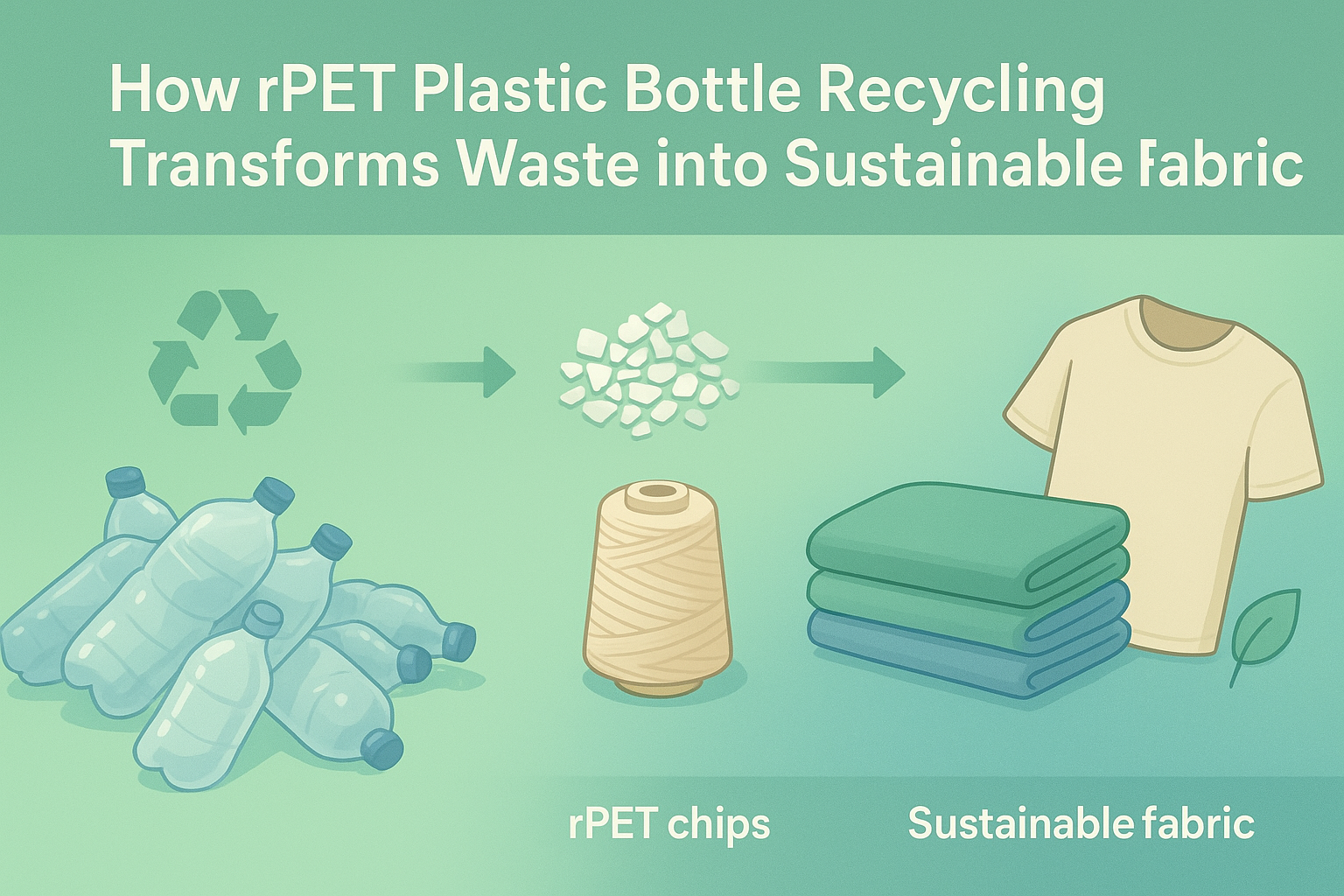
    How rPET Plastic Bottle Recycling Transforms Waste into Sustainable Fabric

    Over the last decade, sustainability has been a huge priority for both customers and industries. rPET plastic bottle recycling stands out as one of the most revolutionary solutions, recycling everyday plastic trash into recycled fabric. This reduces pollution and encourages the incorporation of sustainable materials into fashion and textiles.

    What is rPET?

    rPET is short for recycled polyethylene terephthalate, a product made from post-consumer plastic bottles. Polyethylene Terephthalate (PET) is most commonly utilized for water and soft drink bottles. By way of innovative recycling technologies, such abandoned bottles are transformed into rPET (Recycled PET) chips, which are raw materials for fabric manufacturing. These fabrics are mainly deployed in polyester fabrics, finding their way into clothing, home furnishing, sportswear, bags, and industrial uses.

    The Process: From Plastic Bottles to Fabric

    The recycling of PET bottles into rPET fabric is an organized process to ensure quality and sustainability:

    • Collection & Sorting: Used plastic bottles are collected from households, commercial establishments, and recycling centers. Carefully color-coded and sorted by type to provide consistency and quality.
    • Cleaning & Shredding: The collected bottles are washed thoroughly to strip off the labels, caps, and contaminants. After cleaning, they are shredded into tiny PET flakes.
    • rPET Chips Conversion: The PET flakes are subsequently melted and formed into uniform, purity-free rPET chips. These chips are durable, versatile, and now ready for use as raw material in textile production.
    • Fabric Production: The rPET chips are spun into yarn, which is weaved or knitted to form recycled polyester fabrics. The fabrics are subsequently used to produce garments, bags, upholstery, and other home textiles.

    Benefits of rPET Fabrics to the Consumer

    Besides providing environmental benefits, rPET fabrics also have useful benefits to consumers.

    1. Eco-Friendly Choice: By recycling plastic waste, rPET fabrics minimize the amount of bottles that otherwise would be left in landfills or oceans and contribute to a cleaner world.
    2. Light and Durable: PET polyester is tough, resistant to shrinkage, stretching, and wrinkling, and very durable. This means that products have a longer lifespan without compromising on quality.
    3.  Value for Money: Shoppers get good quality fabrics at reasonable costs and, in the process, promote sustainable options that feed the circular economy.
    4.  Versatile Applications: From fashion clothing and sports wear to bags, upholstery, and home furnishings, rPET materials provide comfort, style, and functionality in various segments.
    5. Fosters Sustainable Fashion: Purchase of PET products inspires brands to be environmentally friendly, having a positive effect on the environment.

    rPET and the Circular Economy

    With the use of rPET, one helps promote a circular economy where waste products are reused constantly. Use of rPET fabrics helps industries to reduce their reliance on virgin polyester which helps in reducing the consumption of energy, water and the emission of greenhouse gases. It is an excellent example of recycling and the sustainable products that can come of it for everyday use.

    Also Read: What Are rPET White Flakes? Properties, Applications & Recycling Process

    Conclusion

    rPET plastic bottle recycling is not merely waste disposal—it is a move towards sustainable living and green fashion. This initiative recycles discarded bottles, helping the environment while providing ethically made, high-quality products to the consumer in the form of durable fabrics. Using rPET fabrics helps reduce plastic waste and promotes sustainability in everyday use.

  • What Are rPET White Flakes? Properties, Applications & Recycling Process

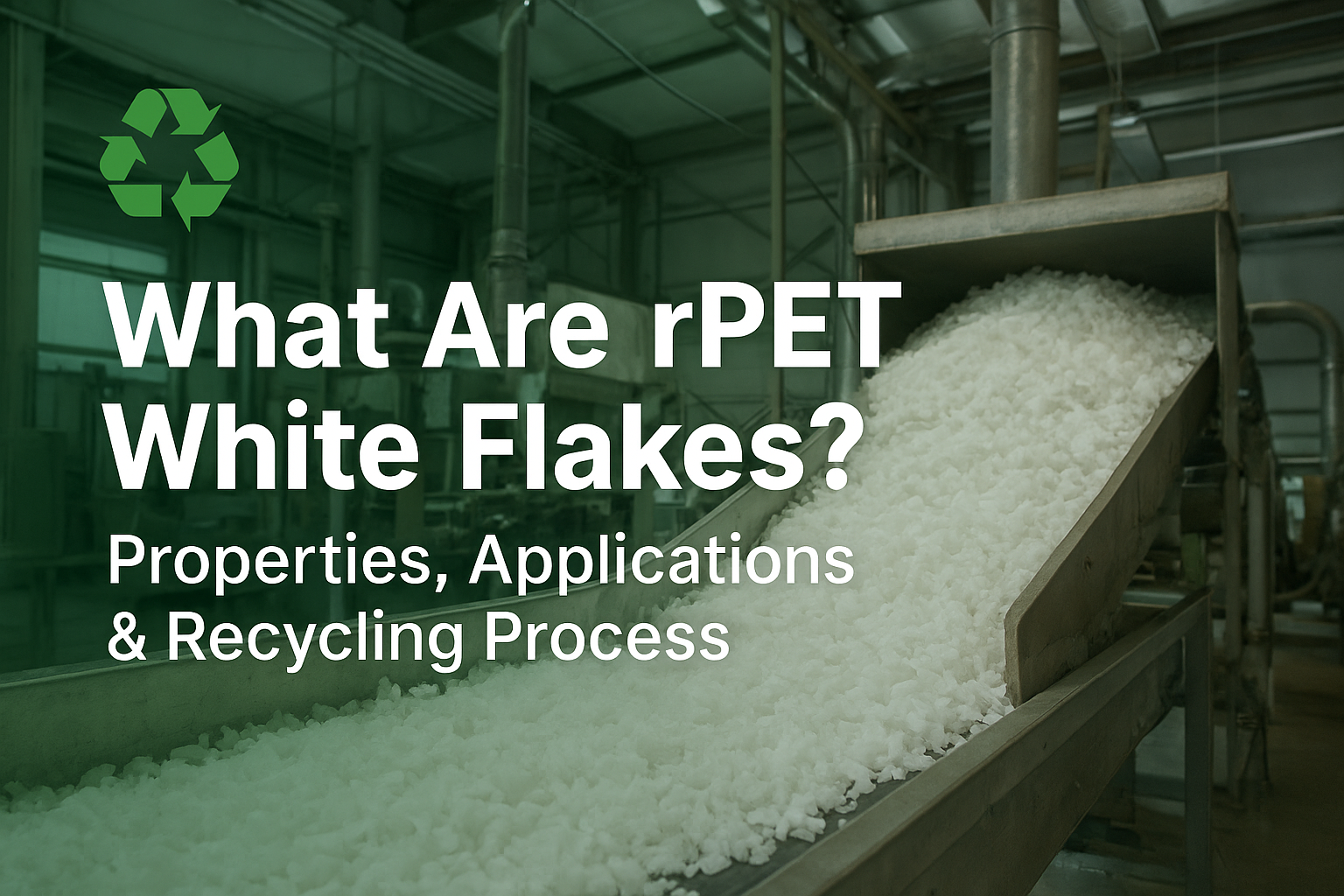
    What Are rPET White Flakes? Properties, Applications & Recycling Process

    The international trend towards sustainability has turned rPET White Flakes into the most sought-after raw material in the recycling and textile markets. Produced from recycled PET bottles and other PET trash, the flakes undergo processing, washing and turn into premium recycled polyester commodities. Knowing what the rPET white flakes are, what they entail, and the multitude of industries they can be applied to is necessary for companies, producers, and eco-friendly buyers.

    What Are rPET White Falakes?

    rPET White Flakes are recycled polyester products resulting from the washing, shredding, and processing of used PET bottles or plastic waste. “White” indicates their naturally clear-to-white color after thorough washing and decontamination. These flakes are mainly the raw material for making recycled polyester staple fiber (RPSF), polyester filament yarn (PFY), PET sheets, and packaging materials.

    They are commonly used as they provide an equilibrium between quality, cost, and sustainability. Through the replacement of virgin PET, rPET white flakes minimize carbon emissions, conserve energy, and promote the circular economy.

    Properties of rPET White Flakes

    The properties of rPET white flakes depend on the sorting (or) cleaning of the flakes, and the processing technology employed on them. The main properties are as follows:

    • Purity: High-quality flakes contain no PVC, metals, or other impurities.
    • Color: White or clear flakes are ideal since they can be dyed easily or processed into transparent goods.
    • Moisture Content: Low moisture content means improved processing and increased strength in the end product.
    • Intrinsic Viscosity (IV): Determines the strength and durability of recycled fibers or sheets produced from the flakes.
    • Eco-Friendly: Produced from post-consumer waste, they help decrease landfill and ocean plastic pollution.

    Recycling Process of rPET White Flakes

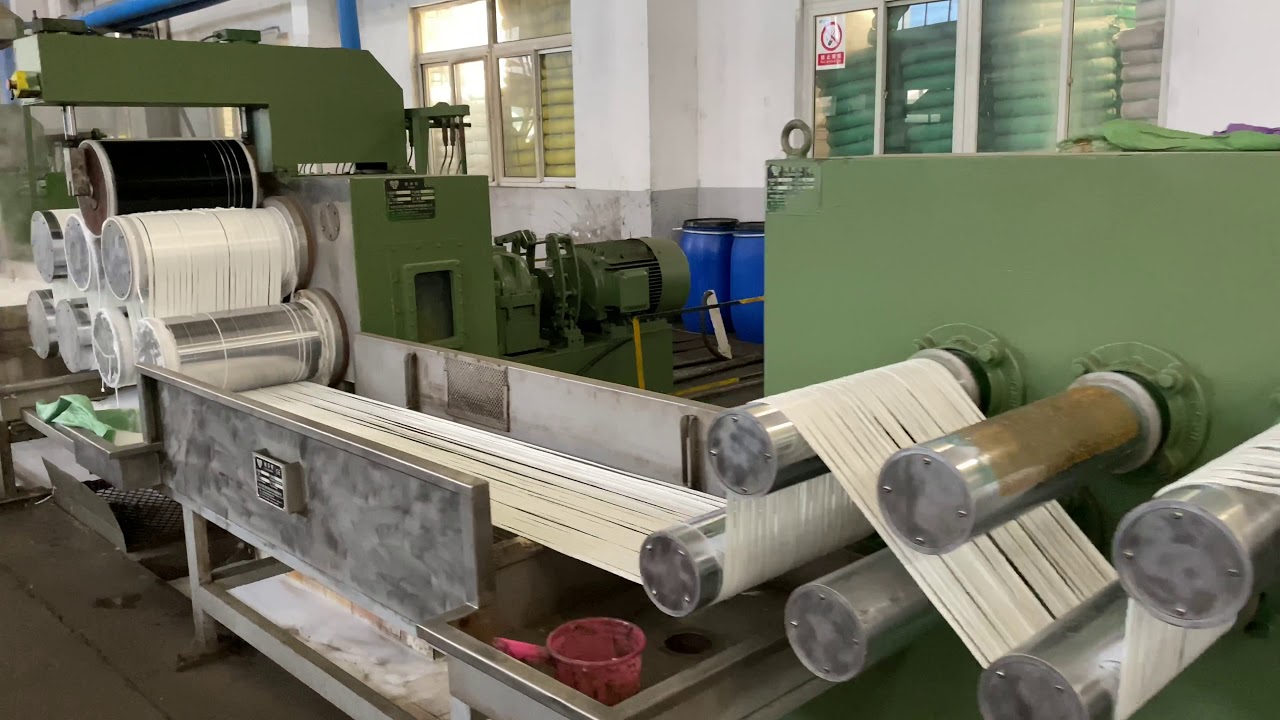
    The manufacturing of rPET white flakes involves a step-by-step recycling process:

    • Collection & Sorting: PET bottles used are gathered and sorted apart from other plastics or garbage.
    • Label & Cap Removal: Bottles are freed from caps, labels, and adhesives to maintain purity.
    • Washing: Chemical and hot water washing eliminate impurities, dirt, and glue.
    • Shredding: Clean bottles are shredded into flakes of small size.
    • Drying & Packaging: Flakes are dried, inspected for quality, and packaged for industrial application.

    Certain state-of-the-art recycling facilities also employ food-grade recycling technology to generate flakes appropriate for direct food-contact purposes like beverage bottles.

    Uses of rPET White Flakes

    rPET white flakes are extremely versatile and find application in industries:

    1.Textile Industry:

    • Manufacturing of Recycled Polyester Staple Fiber (RPSF) for yarn and fabrics.
    • Making garments, upholstery, carpets, and non-woven fabrics.

    2.Packaging Industry:

    • PET sheets, containers, and thermoformed packaging.
    • Food-grade uses (water, soft drinks, and edible oil bottles).

    3.Automotive Industry:

    • Applied to carpets, seat covers, insulation, and interior textiles.

    4. Construction & Industrial Application:

    • Insulation products, strapping wraps, and plastic parts.

    5. Sustainability Initiatives:

    • Green-branded packaging and recycled fashion collections.

    Why Companies Select rPET White Flakes

    • Affordable Substitute: Less expensive than virgin PET without reducing quality.
    • Green Branding: Brands can emphasize eco-friendliness by integrating rPET into products.
    • Government Regulations: Most regions promote or mandate the inclusion of post-consumer recycled content within packaging and textiles.
    • Consumer Behavior: Consumers, as of late, prefer and actively purchase products from brands that promote sustainability and use recycled materials.

    Also Read: What is Denier in Recycled Polyester Staple Fiber (RPSF) & Its Applications

    Conclusion

    rPET White Flakes fill a void as highly recycled polymers that enhance sustainability within the textile, packaging, and other industrial value chains. They possess unique and outstanding properties, have abundant applications, and are made from environmentally safe recycling processes. Thus, they are a safe and reliable option for the environment.

  • What is Denier in Recycled Polyester Staple Fiber (RPSF) & Its Applications

    What is Denier in Recycled Polyester Staple Fiber (RPSF) & Its Applications

    Recycled Polyester Staple Fiber, or RPSF, has green credentials as a substitute for ‘virgin’ polyester, used for textiles, non-wovens, and for further industrial purposes. Of critical importance to RPSF is denier, or the term used to classify the weight of the fiber. Denier is of fundamental importance to many manufacturers, designers, and buyers and is a whole measurement of great importance because it determines the quality, touch, and the use performance of the fiber.

    What is Denier in RPSF?

    Denier is a measuring unit that describes the fineness or thickness of a fiber. It is technically defined as the weight in grams of 9,000 meters of fiber. An example is a fiber with a denier of 1 weighs 1 gram for 9,000 meters. Denier in RPSF assists in establishing the strength, softness, and durability of the fiber, which are all needed to produce various fabrics and materials.

    A lower denier number means a finer, more flexible, softer fiber, usually for lightweight materials such as linings or blends. Conversely, a higher denier means a stronger, thicker fiber good for heavy-duty fabrics, upholstery, or industrial applications.

    How Denier Impacts RPSF Quality

    Denier in RPSF has a major contribution to the quality of the fiber:

    • Strength and Durable Strength: Stronger and more durable are the higher denier fibers. They are suited for carpets, ropes, and bags.
    • Softness and Comfort: Lower denier fibers are softer to touch. They can be used well in clothing, bedding, and home furnishings.
    • Appearance of Fabric: Denier influences the texture and drape of the fabric. Smooth, lightweight fabrics are created by higher denier fibers, while rougher denier fibers add bulk and structure.
    • Recycling Efficiency: Optimal denier in recycled fibers provides improved performance with sustainable properties intact.

    Typical Denier Ranges in RPSF

    Recycled Polyester Staple Fiber is available in a range of denier ranges, often classified as:

    • 1.2 – 3 Denier: Finest fibers for gentle fabrics, non-wovens, and clothing.
    • 3 – 6 Denier: Medium denier fibers for blends, padding, and wadding.
    • 6 – 15 Denier: During the spinning of synthetic textiles, denier measurement, a heavy duty fabric, rope and carpet industrial denier division, and thicker strands of fabric are used.

    Producers opt for the shortest unit of measurement for denier processing paying attention to the final use value and processing cost of the product, balancing among strength, tensions, and aesthetics.

    Uses of RPSF Depending on Denier

    An understanding of denier is critical to optimally utilize RPSF.

    1. Fabrics and Clothing: Thin denier RPSF can be used for t-shirts, jackets, and casual clothing with soft feel and porous material.
    2. Home Furnishings: Medium denier fibers are best suited for quilts, cushions, upholstery, and rugs, with a balance between comfort and strength.
    3. Industrial Usage: High-denier RPSF is applied in ropes, mats, filters, and similar heavy-duty usage requiring tough and resistant fibers.
    4. Non-Woven Materials: RPSF is extensively utilized in non-wovens for hygiene items, insulation, and geotextiles, where the thickness of the fiber influences absorption, weight, and strength.

    Also Read: B2B Food-Grade Resin Traceability Certification and Innovation Guide

    Conclusion

    Denier is a critical factor in the assessment of Recycled Polyester Staple Fiber (RPSF). Denier influences the thickness, texture, strength, and quality of the fiber. Through the knowledge of denier, manufacturers and consumers can select the appropriate fiber for various uses, from soft clothes to robust home furnishings to industrial-strength fabrics. With increasing demand for environmentally friendly and sustainable textiles, maximizing RPSF denier provides high-quality products while sustaining recycling efforts.

  • B2B Food-Grade Resin Traceability Certification and Innovation Guide

    B2B Food-Grade Resin Traceability Certification and Innovation Guide

    Food-grade resin has become more than just an item of consideration; its importance in the supply chain of the world has become crucial for business operations. Important aspects of hygiene and safety in food and drink packaging are major components of the food-grade resin said to be reliable. More than sellers and buyers, producers too are interested in the innovation and certification of food-grade resins. There are many important things that certification, compliance, and traceability can help ascertain. This article will help evaluate the reasons the aforementioned issues are of great importance, and how they influence the current market.

    What is Food-Grade Resin?

    Food-grade resin is a plastic that has been certified for use in direct food and beverage contact. The most widely used is PET (Polyethylene Terephthalate), which is used extensively because of its strength, transparency, and recyclability. In order to be considered food-grade, resin needs to comply with stringent standards by bodies such as the FDA (U.S.), EFSA (Europe), and FSSAI (India).

    For B2B food businesses, food-grade resin isn’t simply about packaging — it’s about establishing consumer trust with safe and sustainable solutions.

    Traceability in Food-Grade Resin

    Why Traceability Matters

    Traceability allows for every batch of resin to be traced from raw material through to finished product. This is particularly critical for companies such as the food and beverage sectors, where consumer health and safety are paramount.

    • Supply Chain Transparency: Companies can trace back the source of raw materials.
    • Quality Control: Traceability enables the quick detection and recall of faulty batches.
    • Compliance with Regulations: Governments increasingly require traceability to minimize risk.

    How It Works

    Sophisticated tracking systems employ batch coding, electronic databases, and blockchain technology to capture resin movement. Manufacturers and B2B purchasers can ensure that the resin in their packaging meets international safety standards.

    Certification Standards for Food-Grade Resin

    Certification proves that the resin’s products are of a specific quality and free of safety issues. For B2B buyers, working with certified suppliers mitigates risks and builds brand reputation.

    Major Certifications Are:  

    • FDA Approval (U.S.) – Resins for direct food contact.  
    • EFSA Compliance (Europe) – Compliance with the European Food Safety Authority.
    • FSSAI Standards (India) – The domestic legislation concerning food-contact substances.
    • ISO 22000 / ISO 9001 – Establishes food safety and quality management systems.
    • GMP (Good Manufacturing Practice) – Guarantees a high level of hygiene of the production.  


    With no added compliance burden, certified resin manufacturers give their clients a sharper competitive edge.

    Innovation in Food-Grade Resin


    The packaging of food and beverages is changing at a fast pace. Innovation in food-grade resin assures that food items are safe, as well as environmentally friendly and cost-efficient.

    Recent Innovations:

    • Recycled PET (Local rPET): Helps accomplish a closed-loop economy by recycling plastic trash.
    • Lightweight Resin Technology: Saves the cost of transportation and packaging by decreasing in overall weight.
    • Coatings Technologies: Saves the product from getting contaminated and keeps it longer on the shelf.
    • Smart Packaging: Embedded traceability codes are packed.

    For B2B buyers, innovation equates to reduced costs, enhanced compliance, and better sustainability.

    Why This Matters for B2B Sectors

    Food, beverage, pharmaceutical, and FMCG companies depend extensively on food-grade resin. By focusing on traceability, certification, and innovation, these sectors can:

    • Ensure consumer safety.
    • Meet regional and global regulatory requirements.
    • Minimize product recall risks.
    • Gain consumer confidence with sustainable packaging.

    Also Read: Top Industries Using PET Flakes in Everyday Products & Recycled PET

    Conclusion

    The B2B food-grade resin market is moving towards sustainability, safety, and transparency. Traceability provides confidence in supply chains, certifications assure compliance, and innovations such as rPET and intelligent packaging propel the industry. For firms sourcing food-grade resin, selecting the right supplier with established certifications and innovative processes is no longer a choice — it’s a necessity.


    By emphasizing these three columns, businesses can protect their reputation, comply with regulations, and make the world a greener place.

  • Top Industries Using PET Flakes in Everyday Products & Recycled PET

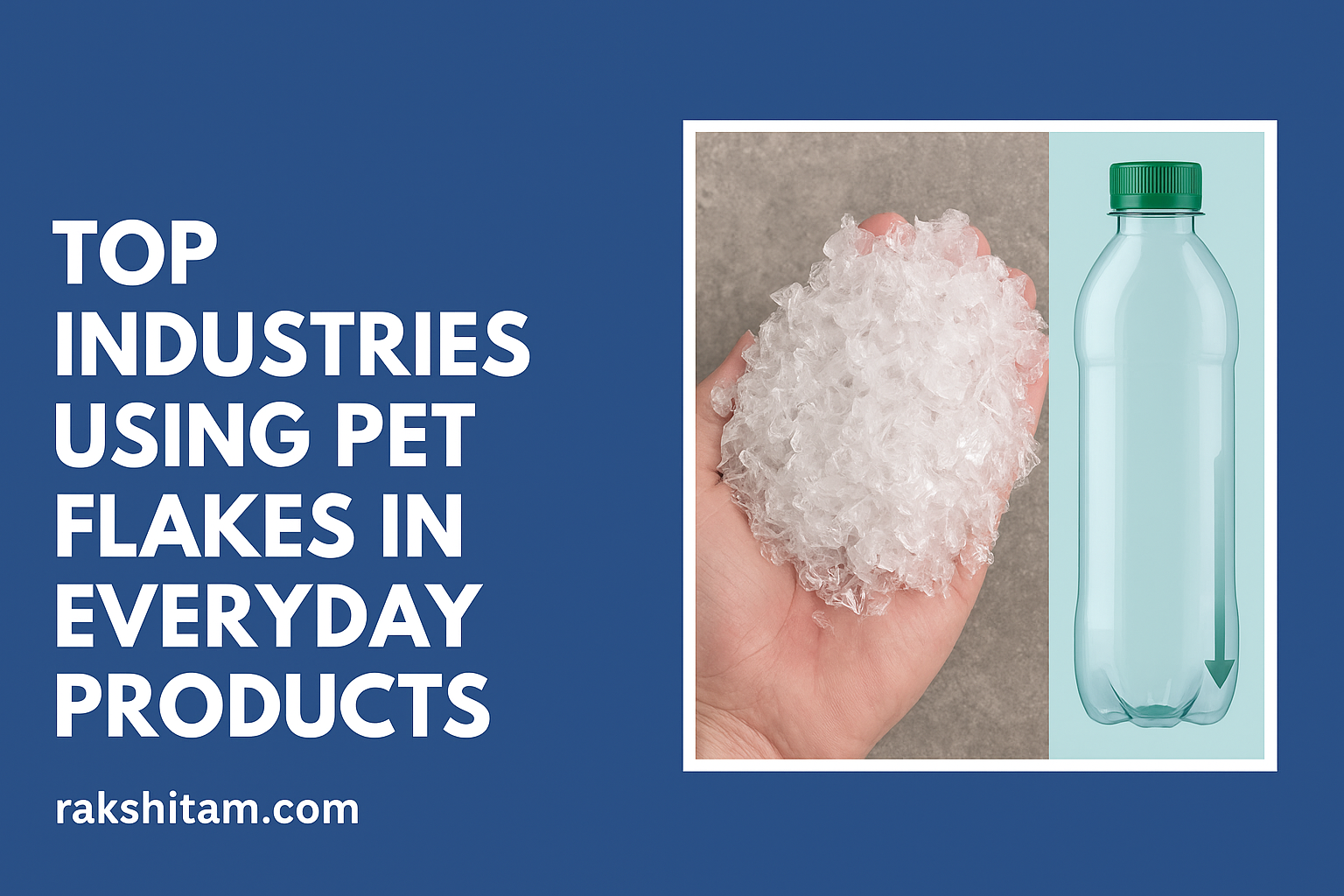
    Top Industries Using PET Flakes in Everyday Products & Recycled PET

    Sustainable industries have pioneered the use of recycled PET (rPET) flakes. These flakes can be made from post-consumer PET Bottles and converted into a wide array of products. PET flakes now find application in clothing and food packaging, in construction along with automotive industries, and in a wide range of products. With the help of rPET flakes, a circular economy can be achieved while minimizing the use of virgin plastic.

    What Are PET Flakes and Why Are They Popular In Industries?  

    To start with, PET flakes are tiny multipurpose square-shaped chips, which are produced by shredding, cleaning and processing recycled PET bottles. Industries prefer them because they are…  

    • Tough and lightweight  
    • Much cheaper relative to virgin resin  
    • Certifications available  
    • Environment-friendly

    Due to these attributes, PET flakes are the raw material of choice for many industries.  

    1. Overall, the textile and apparel industry is the most prominent for purchasing PET flakes.  

    Production of Polyester Fiber  

    • Activewear and performance sportswear – engineered moisture and breathable fabrics.*  
    • Apparel – Jackets, dresses, and everyday clothing.*  
    • Home textiles – curtains, carpets, beddings, and cushions.*  
    • Technical textiles – uniforms, safety uniforms, and other industrial fabrics.*  

    Sustainability Impact  

    The use of PET flake textiles decreases the dependence on virgin polyester, which helps to support the circular economy, and lowers carbon emissions along with saving resources.  

    2. The packaging industry helps support the circular economy.  

    Sustainable packaging for food and beverages  

    • Food-grade PET bottles – for mineral water, soft drinks, and juices.  
    • Food containers and trays – which are microwaveable, hygienic, and other food-safe alternatives.  
    • Barrier packaging helps prolong the shelf life of perishable items.

    Cosmetics and Personal Care Packaging

    Recycled PET is also utilized in shampoo bottles, lotion jars, and cosmetic containers, where durability gets paired with environmentally friendly branding.

    Sustainability Impact

    Packaging is the face of recycling. Brands tout sustainability while minimizing single-use plastic by utilizing rPET.

    3. Automotive Industry: Engineering Excellence with Recycled Materials  

    Interior Components  

    • Fabrics and upholstery of seats  
    • Carpets and mats  
    • Door trims and panels.  
    • Insulator materials.  
    • Under the hood applications e.g. sound damping layers.  

    Sustainability Impact  

    rPET-based components improve fuel efficiency due to less vehicle weight within rPET-based components, achieving the green mobility objectives of the automotive industry.  

    4.  Building and Construction Materials: Eco-friendly Infrastructure

    Composite Materials and Panels

    • Composite decking and panels
    • Insulation materials for energy efficiency
    • Geotextiles for soil and road reinforcement
    • Roofing materials providing longevity
    • Infrastructure uses fiber-reinforced concrete.

    Sustainability Contribution

    Recycled PET makes the construction process more sustainable as it offers long-lasting, cost-effective, and environmentally friendly alternatives to conventional materials.


    5. Home and Garden Products: Consumer Uses

    • Outdoor furniture constructed from PET composites
    • Lightweight and robust storage containers
    • Garden accessories and planters
    • Camping equipment and play equipment, recreational products

    These household items illustrate the ease with which PET flakes incorporate themselves into consumer lives.

    6. Electronics and Technology Industry

    PET flakes are converted into:

    • Thin and resilient device casings
    • Safeguarding cable insulation for safety and flexibility
    • Packaging components that guard sensitive electronics

    7. Medical and Healthcare Uses

    In the healthcare sector, recycled PET is imperative:

    • Disposable medical supplies like trays and test kits
    • Protective gear parts such as face shields
    • Medical packaging to store sterile and safe

    Quality Standards and Certification in PET Flakes Production

    Industry Certifications

    Used PET for food and medical purposes should satisfy certifications such as:

    • FDA approval (Food and Drug Administration)
    • EFSA compliance (European Food Safety Authority)
    • ISO and GRS certifications for quality and sustainability

    Quality Control Procedures

    The manufacturers adopt stringent processes such as sorting, washing, decontamination, and melt filtration to guarantee purity, safety, and traceability of PET flakes.

    Also Read: Textile-to-Textile Recycling Innovations in the Polyester Fibre Industry 2025

    Conclusion: PET Flakes Pushing Industrial Sustainability

    From fashion to medicine, PET flakes are transforming industries across the globe. Their adaptability, conformity with international standards, and environmentally friendly aspects position them as a must-have raw material for tomorrow. With industries making sustainability commitments, PET flakes are a beacon of innovation and circular economy strategies that ensure tomorrow’s resource is today’s waste.

  • Textile-to-Textile Recycling Innovations in the Polyester Fibre Industry 2025

    Textile-to-Textile Recycling Innovations in the Polyester Fibre Industry 2025

    The world textile market is witnessing a paradigm shift in 2025 with the emergence of textile-to-textile (T2T) recycling technologies. Polyester fibre, the most common man-made fibre used in various applications, is poised in the middle of this revolution. Rather than depending on virgin polyester derived from petroleum-based materials, businesses are now adopting eco-friendly solutions through recycling. The 2025 polyester fibre business is featuring new technologies, sustainable processes, and scalable recycling solutions that are transforming the future of fashion, apparel, and industrial textiles.


    Why Textile-to-Textile Recycling Matters

    Millions of tonnes of textile waste are dumped in landfills annually. Conventional recycling systems were limited to downcycling, where the textile waste was recycled to make products of lesser value. Textile-to-textile recycling shifts the paradigm by recycling polyester fibres to high-value yarns and fabrics. It reduces the reliance on virgin material and reduces the carbon footprint and energy use to a great extent.


    Key Innovations in 2025

    1. Chemical Recycling of Polyester

    • New depolymerization technologies are reducing polyester to its raw monomers.
    • These monomers are cleaned and repolymerized to create 100% virgin-like polyester fibre.
    • Brands are embracing this technology to make sustainable fashion lines without sacrificing quality.

    2. Mechanical Fibre-to-Fibre Recycling

    • Progress in shredding and re-spinning technology has never maintained fibre strength like it does now.
    • Blended fabrics which had been a challenge in the past, are now being efficiently separated for recycling.

    3. Digital Sorting & AI-Based Waste Management

    • The application of Artificial intelligence and robotics is improving accuracy in the classification of textile waste.
    • More polyester-based fabrics get recycled into the loop, increasing efficiency.

    4.Closed-Loop Production Systems

    • Diverse textile companies are incorporating circular economy systems in which polyester clothes are gathered, recycled, and fed back into the supply chain.

    Advantages of Textile-to-Textile Recycling

    • Reduced Environmental Impact – Less landfill, less greenhouse gas emissions.
    • Cost advantages – The lowest Integrative Cost Attribute relative to reliance on the virgin polyester price fluctuation due to crude oil.
    • Sustainability deficiency branding – the virgin polyester price fluctuation, in which crude oil is used.
    • Government & Policy Support – Most governments are promoting textile recycling with subsidies and sustainability requirements.


    Global & Indian Market Outlook 2025

    The world polyester recycling industry is expected to expand aggressively in 2025 with double-digit growth in Asia, particularly India and China. As a textile giant, India is focusing more on recycled polyester staple fibre (RPSF) and rPET-based yarns. With a growing demand from international fashion brands looking for green sourcing, Indian firms are investing in advanced recycling mills.


    Challenges Ahead

    • Advanced recycling technologies are too expensive.
    • Challenges in recycling polyester blended with other fibres.
    • Inefficiencies in the collection system and consumer awareness.

    Notwithstanding these challenges, the industry is firmly on a path of sustainable growth.

    Also Read: Best rPET Chips Manufacturers in India for Recycling and Textiles

    Conclusion

    Fashion-to-fashion recycling technologies in the polyester fibre business 2025 are transforming the way the world makes and consumes fashion. This business is closing the loop by recycling high-quality old fabrics into new fibres and in doing so, minimizing waste and paving the path for a more sustainable future. The uptake of these innovations is no longer a fascination, but a means to survive for firms, brands and consumers alike.

  • Best rPET Chips Manufacturers in India for Recycling and Textiles

    Best rPET Chips Manufacturers in India for Recycling and Textiles

    With sustainability becoming the focus in industries around the world, Indian rPET chips manufacturers are leading the charge in recycling and the textile industries. rPET chips, or recycled PET chips, are made from discarded plastic bottles and other PET scrap. The chips are used as the raw material for creating fibres, textiles, packaging materials, and sheets and are pushing India toward a circular economy.

    This blog delves into why rPET chips are important, how they are produced, and who the top suppliers in India for the recycling and textile industries are.


    What are rPET Chips?

    There are specially made rPET chips used in textiles, automotive, and versatile furnitures. They are used in all of these industries controlled and managed by rPET. They are used in the textiles, automotives, and versatile furnishing industries controlled and managed by rPET. rPET chips are made by recycling old plastic bottles and other related plastic by recycling plants. Instead of vanishing old plastic bottles, these plants transform and further process them into clean flakes to be chips. The chips are used contrained in the borders of the specific industries to be fully melted and remolded into specially crafted solid shapes.


    The carbon footprint made is significantly lower than the carbon footprint made when using virgin PET chips.


    Why rPET Chips Matter to Recycling and Textiles

    In India, the textile industry is the largest consumer of rPET chips. rPET chips are used to produce polyester staple fibre (PSF), filament yarn and non-woven fabric. They are used for the following reasons:

    • Sustainable Development: Reduces dependence on virgin plastic and fossil fuel.
    • Raw Material: Available to the industry at almost zero-cost.
    • Environmental Benefit: Saves millions of tons of plastic waste.
    • Versatility: Applicable for textiles, packaging films, and engineering plastics.


    India Manufacturing Process of rPET Chips

    The manufacturing process adopted by rPET chips makers in India is:

    1. Gathering post-consumer PET bottles from recycling chains.
    2. Sorting and destacking for the removal of contaminants, caps, and labels.
    3. Shredding into flakes, followed by washing at high and low temperatures.
    4. Cleaning flakes are transformed into rPET chips by extrusion and pelletizing.
    5. Quality inspections to ensure that chips are suitable for textile and packaging applications.


    Top Applications of rPET Chips

    • Textiles – Polyester yarns, fibres, upholstery, and clothing.
    • Automotive – Used as belts, carpets and as sound and thermal insulation.
    • Packaging – Used as food containers, plastic films and bottles.
    • Engineering – Supplied as sheets, plastic straps and injection-moulded widgets.

    These uses make rPET chips an important bridge between plastic recycling and contemporary manufacturing.


    Development of rPET Chips Manufacturing in India

    India is experiencing a boom in demand for eco-friendly raw materials, and rPET chips are leading the charge. The Indian rPET market is expected to grow exponentially by 2025, driven by:

    • Government policy favors recycling.
    • Textile exports necessitate sustainable sourcing.
    • Increased awareness among consumers of green products.
    • Global brands are insisting on using recycled inputs from Indian suppliers.

    Also Read: rPET Bottles Market in India 2025 | Demand, Benefits & Export Potential

    Conclusion

    The top rPET chip manufacturers in India aren’t merely churning out recycled raw materials—they’re leading the charge towards a cleaner and greener tomorrow. By recycling PET bottles and turning them into chips that power the textile and packaging sectors, they are responsible for minimizing plastic waste and ensuring sustainability.

    With increasing demand for recycled textiles and green packaging, rPET chips will remain the pillar of India’s recycling sector. Being a friend to such manufacturers is being a friend to a sustainable industry and environment.

  • rPET Bottles Market in India 2025 | Demand, Benefits & Export Potential

    rPET Bottles Market in India 2025 | Demand, Benefits & Export Potential

    The increasing concern regarding the management of plastic waste has led to the heightened usage of rPET bottles in the place of conventional virgin PET bottles. This shift in packaging preference is also in alignment with the sustainable development goals polices support increased adoption for rPET bottles. This intervention is being led by Food & beverage multinationals, FMCGs, and packaging companies. Global rPET adoption has therefore gained ground, as leading companies seek to minimize their carbon footprints in alignment with sustainable policies.

    According to reports, the Indian market for rPET bottles will continue to grow at a rapid pace until 2025 due to the increasing domestic demand and new opportunities for exports. In this writing, we will look at the demand, benefit, and export potential of rPET bottles in the Indian market.

    What are rPET Bottles?

    rPET bottles are made from recycling post-consumer PET bottles. The manufacturing process includes:

    • Collection and sorting of PET bottles.
    • Cleaning and processing into rPET flakes or chips.
    • Manufacturing into new bottles using the latest technology.

    They are in common usage in beverages, packaged water, dairy, housekeeping products, and cosmetics packing, which makes them a key player in India’s packaging sector.

    Growth of rPET bottles Demand in India in 2025

    There are various reasons that have raised rPET bottles demand in India.

    • Policy Action: the EPR and the bans on single use plastic are incentives for manufactures to adopting recycled packaging.
    • Market penetration: FMCGs and rPET top beverage companies are focusing to strengthen their market penetration strategies by optimizing rPET to enhance their sustainability objectives.
    • Cost Efficiency: rPET bottles are cheaper in the long term than virgin PET, given reduced raw material prices.
    • Consumer Awareness: Eco-conscious consumers prefer products that use recycled packaging.

    Industry analysts rPET Bottles sales in India 2025 is predicted to grow by 10-12% per annum, making India one of the top rPET adoption countries.

    Benefits of rPET Bottles

    The rPET bottles are acclaimed for their features, both n economic and environmental:

    • Sustainability: Reduction of plastic waste and virgin PET usage.
    • Energy Saving: Energy required for manufacturing rPET bottles is much less than virgin PET production.
    • Carbon Reduction: Supports brands in achieving carbon-neutral ambitions and meeting global climate targets.
    • Safe & Reliable: International-quality and safe food-grade rPET bottles.
    • Brand Value: Businesses employing rPET packaging reinforce their brand reputation as green and responsible.

    Export Potential for Indian rPET Bottles

    India is not only serving its domestic market but also emerging as a major exporter of rPET bottles. By 2025:

    • Global Demand Boost: European, North American and Asia-Pacific markets are responding to recycling legislation and now need food grade rPET bottles.
    • Competitive Position: For other producers, India’s low production costs and abundant PET waste provides a production stronghold.
    • Handy shipping to clients raw and rPET machine-made flakes and fibres, finished goods and Eco Friendly textile and rPET packaging.
    • Partnership with International Brands: Major FMCG and beverage companies are purchasing rPET packaging materials from suppliers based in India.

    With this, India will become a global hub for rPET bottle exports by 2025’s end.

    Challenges to the Manufacturers

    In spite of growth, some challenges arise:

    • Requirement of organized waste collection facilities in cities.
    • Investment to be made in sophisticated food-grade recycling facilities.
    • Maintaining consistent standards of quality to obtain export certifications.

    Overcoming these challenges will enable India to grow quicker in international rPET packaging markets.

    Also Read: rPET Flakes Material Manufacturer in India | Uses, Market Growth & Export Potential

    Conclusion

    The Indian rPET bottles market 2025 is booming, driven by increasing demand, environmental advantages, and healthy export prospects. As FMCG, beverage, and packaging sectors increasingly adopt rPET bottles, they are not only a green option but also a lucrative business prospect.

    As India reinforces its recycling facilities, it is well on the way to becoming one of the top manufacturers and exporters of rPET bottles in efforts towards a cleaner and more sustainable world.