These days, parents are increasingly concerned about what comes into contact with their baby’s skin—from organically grown food to toys made without toxic materials, safety always comes first. When it comes to baby clothes, there is an up-and-coming player in town that is gaining interest for its eco-friendliness: recycled polyester fiber. But many parents wonder, is recycled polyester fiber safe for baby clothing?
This comprehensive guide covers its composition, safety considerations, and benefits, and everything parents should know before adopting it.
What is Recycled Polyester Fiber?
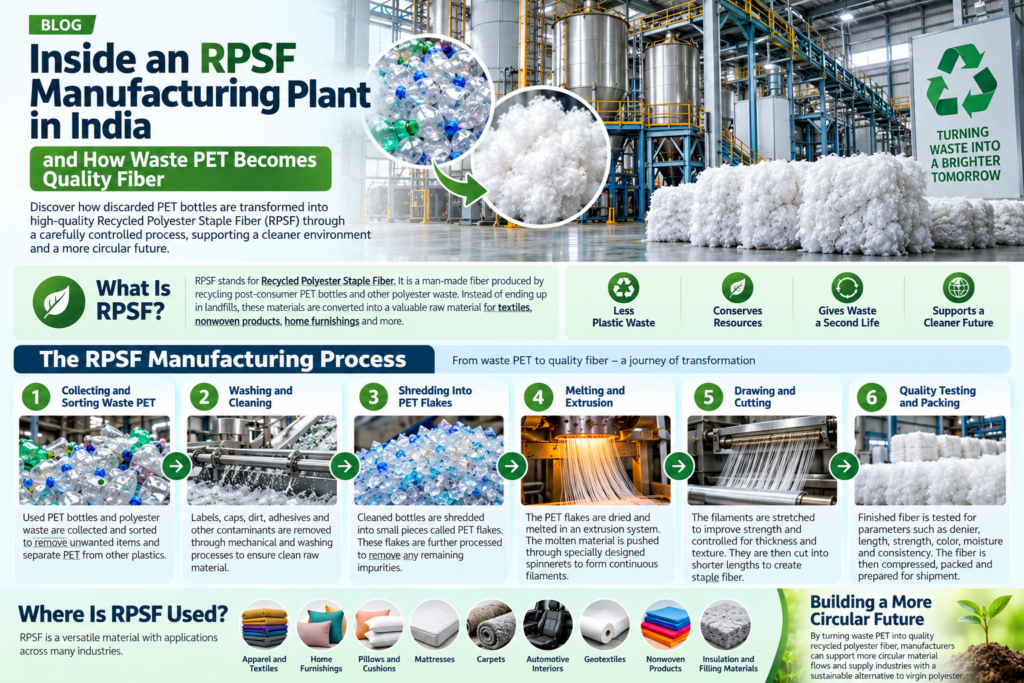
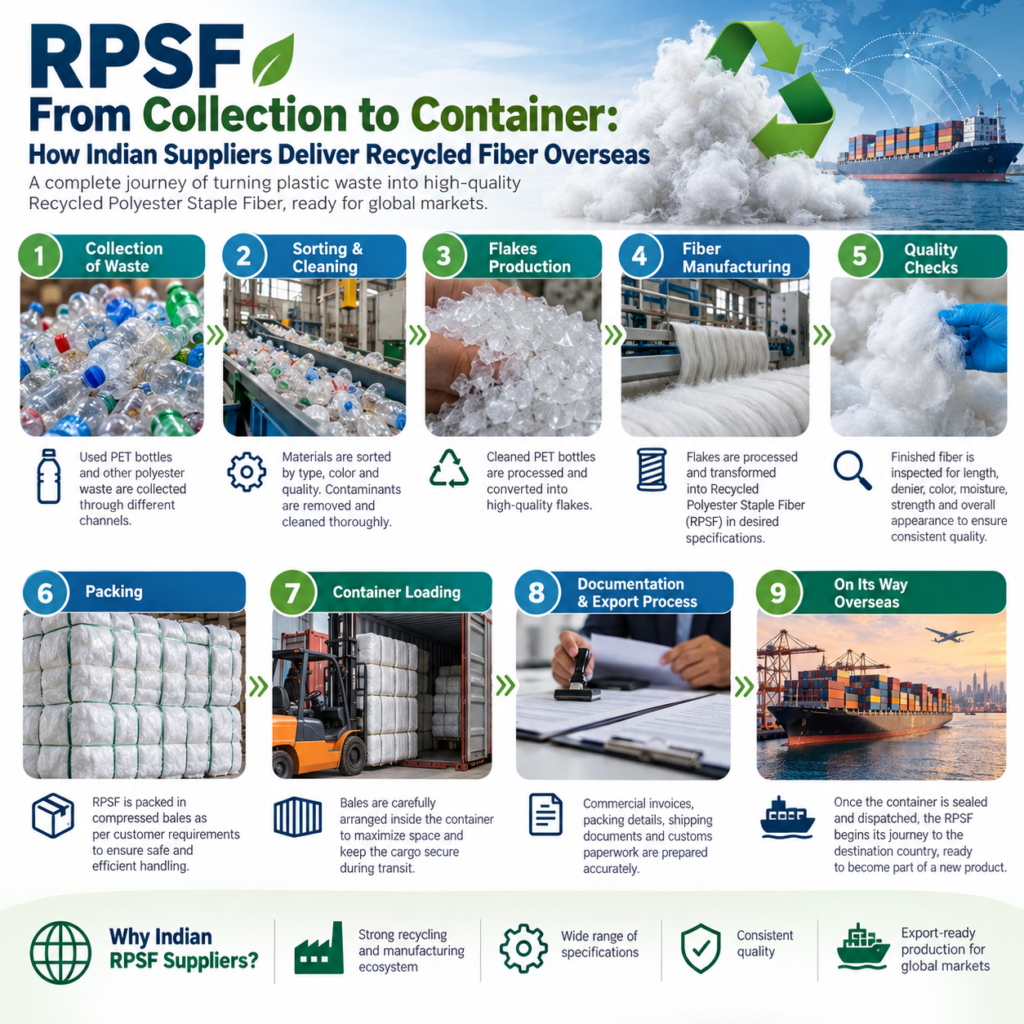
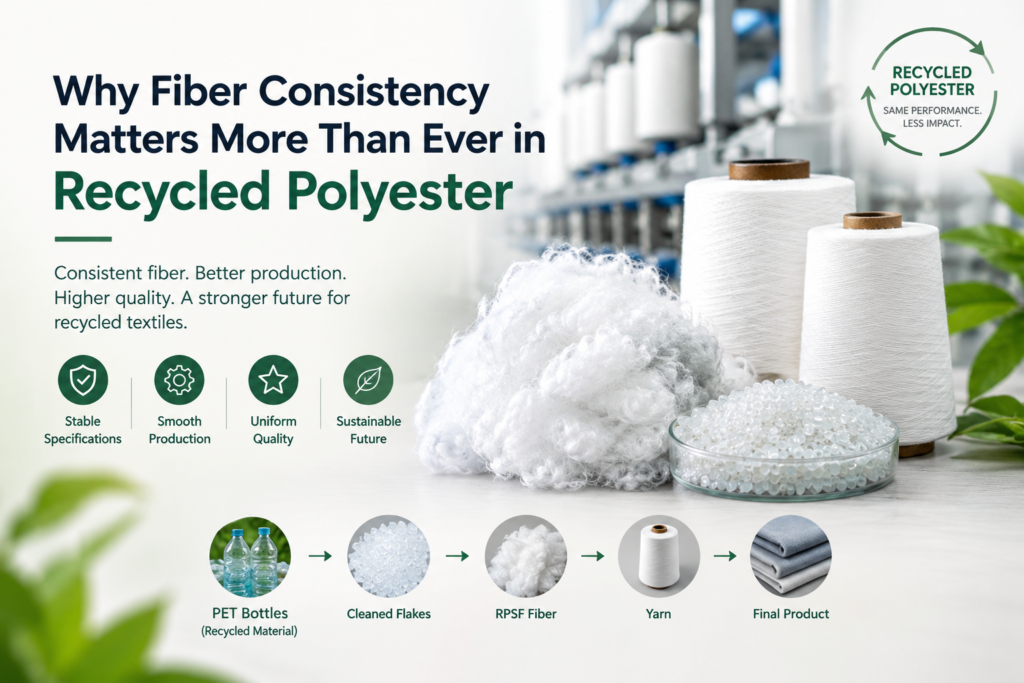
Recycled polyester fiber, also known as rPET, is manufactured through processing post-consumer plastic bottles or waste polyester fabrics into new, reusable fibers. It offers the same durability and softness as virgin polyester but with a smaller environmental footprint.
Through reusing plastic waste, manufacturers reduce landfill loads and conserve energy, making rPET a key player in sustainable textiles.
Why is recycled polyester used in baby clothing?
Recycled polyester is fast finding its way into baby wear, blankets, and accessories because it is lightweight, anti-wrinkle, and quick-drying. When blended with other natural fibers like cotton or bamboo, it creates soft, durable fabrics for active babies.
rPET is the preferred choice for sustainable brands because it:
- Reduces dependence on new petroleum resources.
- Reduces greenhouse gas emissions within the chain.
- Supports circular fashion by giving new life to waste materials.
Safety of Recycled Polyester for Babies
The biggest concern for parents is, ‘Is rPET safe for sensitive baby skin?’ This is primarily determined by the manufacturing standards and certifications awarded to the manufacturer.
When advanced processing techniques are used and appropriate tests carried out, high-quality Recycled Polyester can be used for baby products safely, especially when produced by certified manufacturers.
Key safety factors include:
- Certifications to consider are the OEKO-TEX Standard 100, Global Recycled Standard (GRS), or REACH compliance, which confirm no hazardous chemicals in the fabric.
- No Skin Irritation: Blending recycled polyester with natural fibers generally makes the yarn softer, reducing any probability of skin irritation.
3.Non-toxic dyes: The brand uses eco-friendly, azo-free, and non-toxic dyes to prevent allergic reactions.
- Proper Washing: Baby clothes must always be washed before first use to remove any chemical residues and processing agents.
All of these conditions indicate that recycled polyester fiber can be deemed safe and ‘green’ for use in baby clothing.
Advantages of Using Recycled Polyester Fiber in Baby Wear
- Eco-Friendly Choice: Every kilogram of rPET saves close to 60 plastic bottles from entering landfills.
- Durable and easy to maintain: strong fibers resist wear and tear, keeping baby clothes looking new longer.
- Breathable, wicking: For keeping babies dry, especially in warm weather.
- Lightweight and quick-drying, ideal for everyday wear and repeated washing.
- Supports sustainability and encourages responsible production that reduces the carbon footprint.
- Positive Impact on Sustainability: Helps in setting eco-friendly norms for polyester and economically responsible practices.
Things to Keep in Mind
- Wet polyester does invite breathability when compared to cotton, which is 100% natural.
- Microfiber shedding within the wash can contribute to ocean pollution if not managed responsibly.
- Poor-quality rPET may contain residual chemicals from unapproved sources.
For safety, always purchase from well-known brands that explicitly mention the source of the material and certifications.
Also Read: What Recycled PET Flakes Buyers Want in 2025: Quality, Certifications & Global Market Trends
Conclusion
With all the international safety standards concerned, recycled polyester fiber is beginning to be recognized as a safe, sustainable, and suitable fabric option for baby clothes. It is sourced responsibly and combined with natural materials to provide a non-compromising, comfortable option for eco-conscious parents. When parents turn to certified rPET products, they are not just safeguarding their child’s skin, but are also preserving the planet for their children.