Category: Blog

Your blog category

  • Major Applications of Recycled Polyester Staple Fibre (RPSF)

    Major Applications of Recycled Polyester Staple Fibre (RPSF)

    Plastic waste is emerging as a major issue globally, and Recycled Polyester Staple Fibre (RPSF) could be the solution to this. RPSF advocates for sustainability while serving a myriad of industries by transforming worn PET bottles and other forms of plastic into useful fibers. This blog discusses some of the significant applications of RPSF with a focus on how it can help create a better future.


    What are Recycled Polyester Staple Fibers (RPSF)?

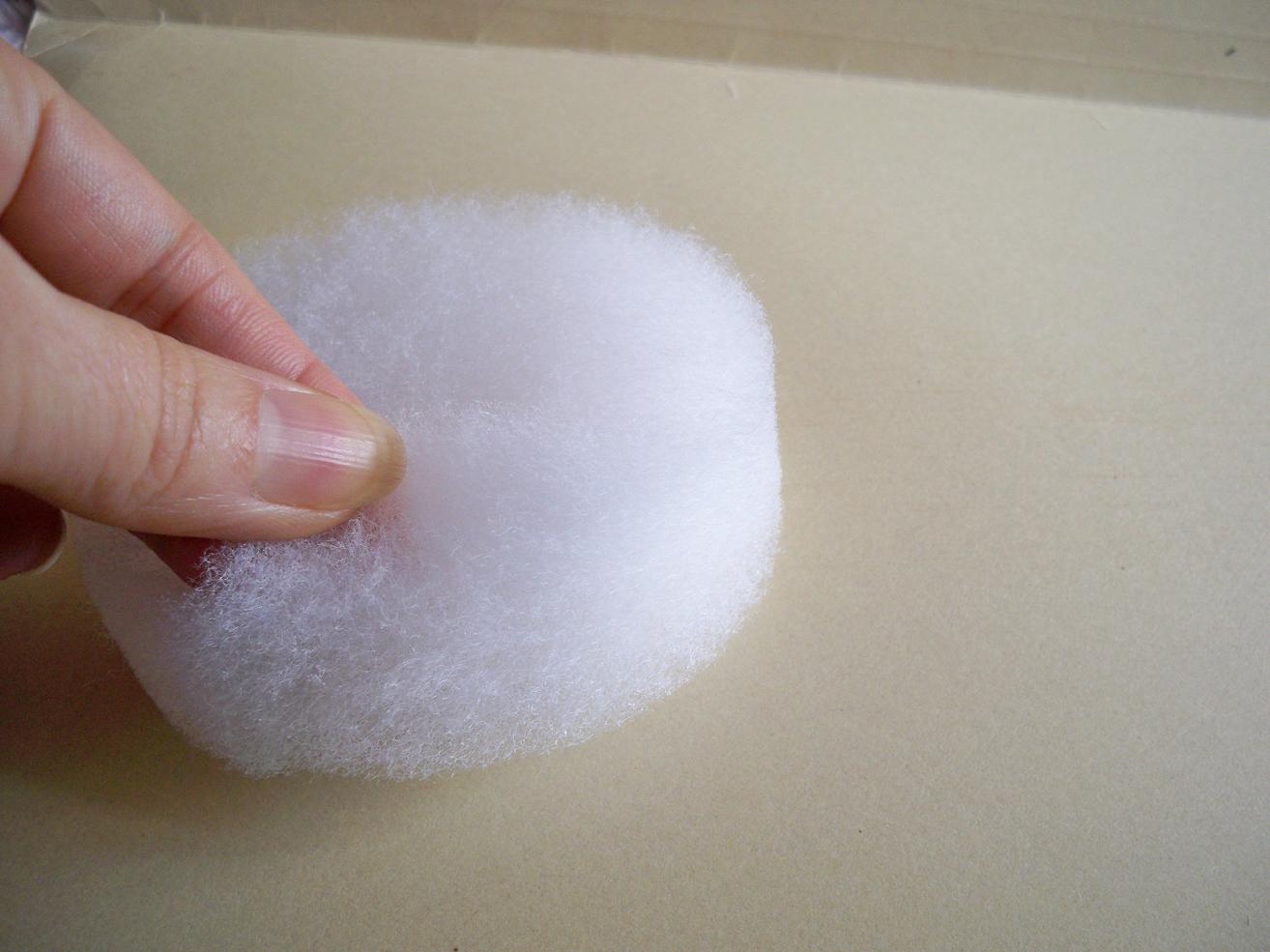
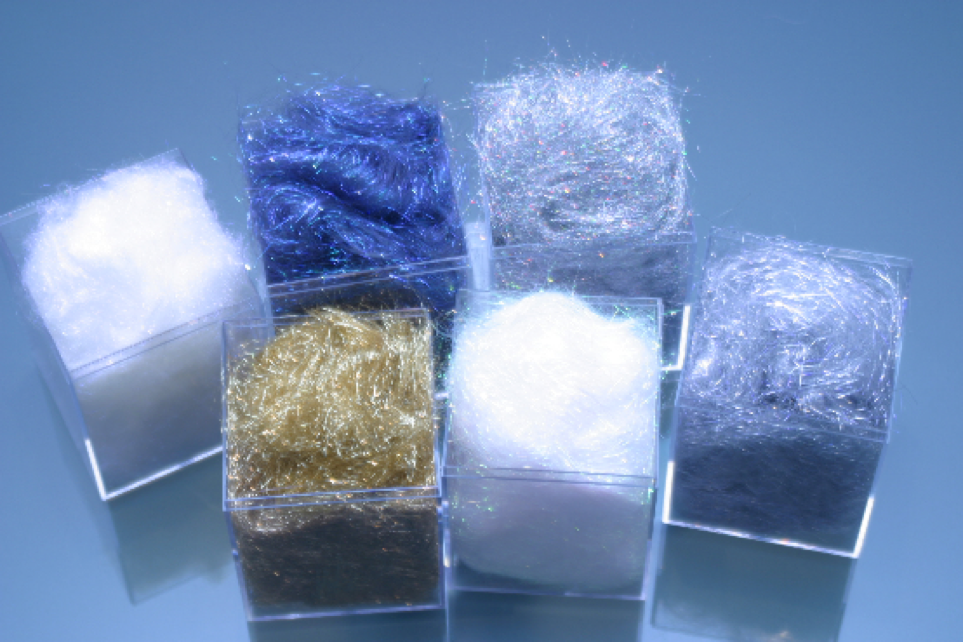
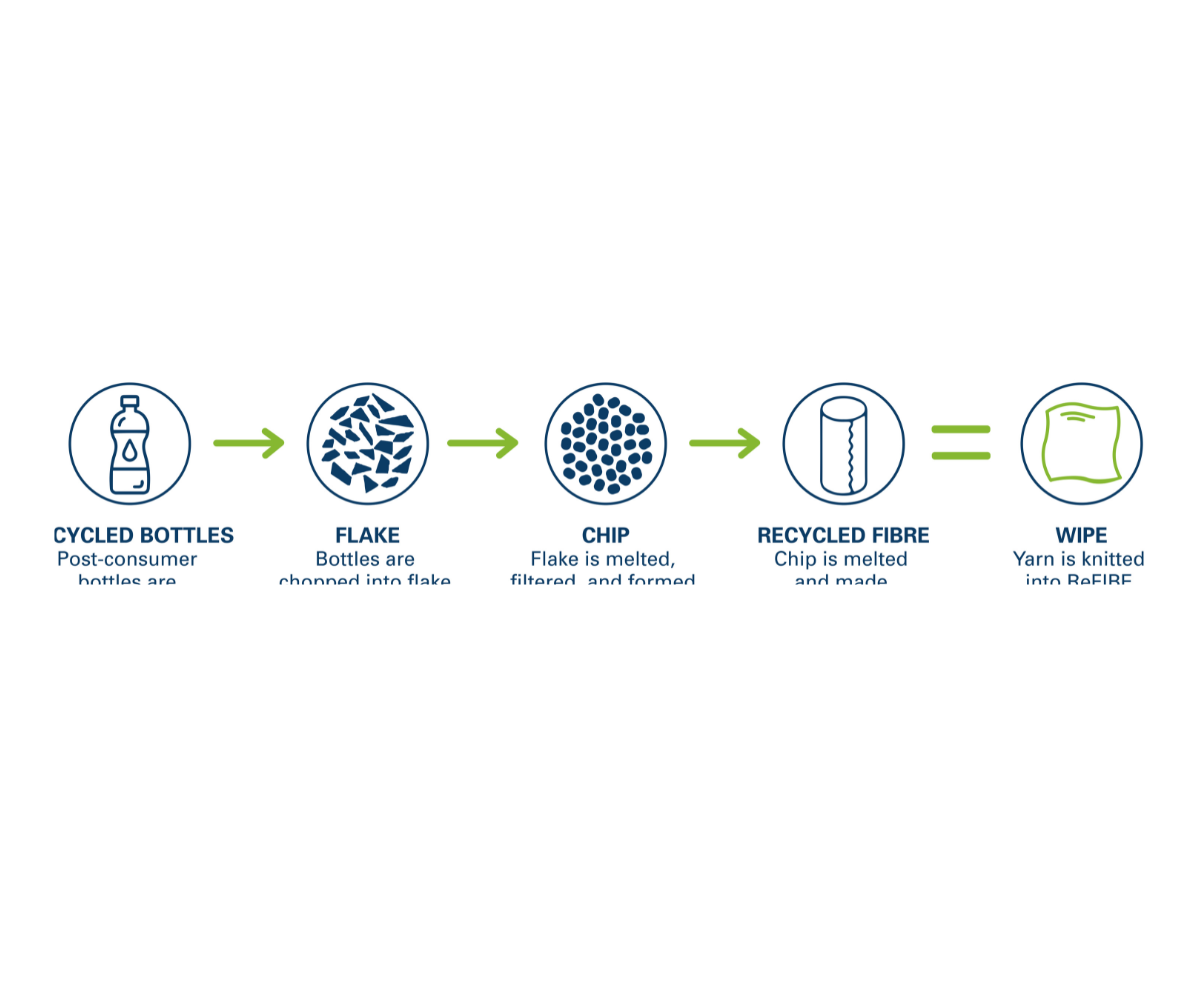
    Similar to other synthetic fibers, RPSF is produced by melting and extruding plastic waste, in this instance, post-consumer PET bottles. It is regarded as an eco-friendly option to polyester since it exhibits similar characteristics as the original polymer, such as durability, flexibility, and economics. RPSF is widely utilized in textiles, automobiles, home furnishings, and even construction due to its eco-friendly properties alongside adaptability.


    Key Applications of RPSF

    RPSF proves to be very adaptable due to the different industries it can cater to. Its most prominent application sectors consist of:

    1. Textiles and Clothing

    RPSF is used as a basic component for the following materials that fall in the category of garments and textiles:

    • Yarn and Fabrics: RPSF is first processed into yarn which is then used for producing garments, upholstery, and other industrial fabrics.
    • Non-woven Fabrics: These are RPSF fabrics used for hygienic purposes, filtration, medical supplies, and other items.

    Applying RPSF in the fabrics industry makes challenging the negative impacts the fast fashion industry has on the planet’s health achievable.


    2. Fabrication de produits domestiques et meubles

    RPSF products have very important applications for decoration and furniture products such as:

    • Cousin et Oreillers: Due to its softness and elasticity, Fiber is well suited for use as filling for cushions and pillows.
    • Savon de brosse et carpette: RPSF is strong and cheap which results in extensive use of the material in carpets and rugs for residential and business use.
    • Rideaux et tissus d’ameublement: RPSF fabrics are very appealing for home furnishings because of their aesthetic elegance and practical nature.


    3. Automotive Industry

    The automotive sector leverages RPSF for various components, including:

    • Car Seats and Upholstery: RPSF’s strength and durability make it suitable for automotive interiors.
    • Sound Insulation: The fiber is used in sound-absorbing materials to enhance passenger comfort.
    • Floor Mats and Trunk Liners: RPSF provides a cost-effective and sustainable solution for automotive mats and liners.


    4. Construction And Infrastructure

    The properties of RPSF make it appropriate for utilization in construction and its related works. Its most common features include:

    • Soil Stabilization: These are RPSF geotextiles that are used for drainage, erosion control, and soil stabilization.
    • Insulation Materials: RPSF materials are lightweight and agile which makes them suitable for the thermal and acoustical insulation of buildings.
    • Reinforced Concrete: RPSF enhances the strength and durability of structures when mixed with concrete.


    5. Industrial Applications

    RPSF is applied for the following purposes in the industries:

    • Filters: This type of fiber has great efficacy in trapping particles and therefore can be used for air and liquid filtration systems.
    • Packaging Materials: RPSF is incorporated in the production of biodegradable packaging materials.
    • Industrial Belts and Ropes: It is recognized for its high tensile strength coupled with flexibility.


    6. Environmental Products

    RPSF promotes sustainability through the following applications:

    • Environment-Friendly Bags: Shopping bags and tote bags are made from recycled fibers.
    • Green Roofing: RPSF is used in the materials for sustainable roofing systems.
    • Landscaping Fabrics: RPSF fabrics are used for landscaping and gardening because of their biodegradability and strength.

    Why RPSF is a Game-Changer

    Implementing the RPSF technology represents a crucial milestone towards addressing the problems associated with plastic waste. It has the positive impact of:

    • Reducing Plastic Waste: Millions of plastic bottles are saved from being dumped in landfills and oceans, reducing waste pollution from these sources.
    • Conserving Resources: The process of recycling uses less water and electricity than the production of new polyester.
    • Lowering Carbon Emission: The greenhouse gas emissions from the production of RPSF are comparably smaller since it relies on recycled products as inputs.
    • Facilitating Circular Economy: The disposal of goods is transformed into useful materials enhancing the value of the goods, which RPSF encourages.


    Conclusion

    Recycled Polyester Staple Fiber (RPSF) is not simply a sustainable material; it is a multi-purpose solution used in various industries. Its application in various products including textiles, automotive, construction, and, environmental products indicates the ability of RPSF to foster sustainability across multiple industries. Adopting and advocating RPSF allows businesses to lessen their footprints on the environment while satisfying the increasing need for green solutions. We can all work together to unleash RPSF’s full potential, paving the way for a more sustainable future.
  • Recycled Products You Didn’t Know Were Made from PET Bottles

    Recycled Products You Didn’t Know Were Made from PET Bottles

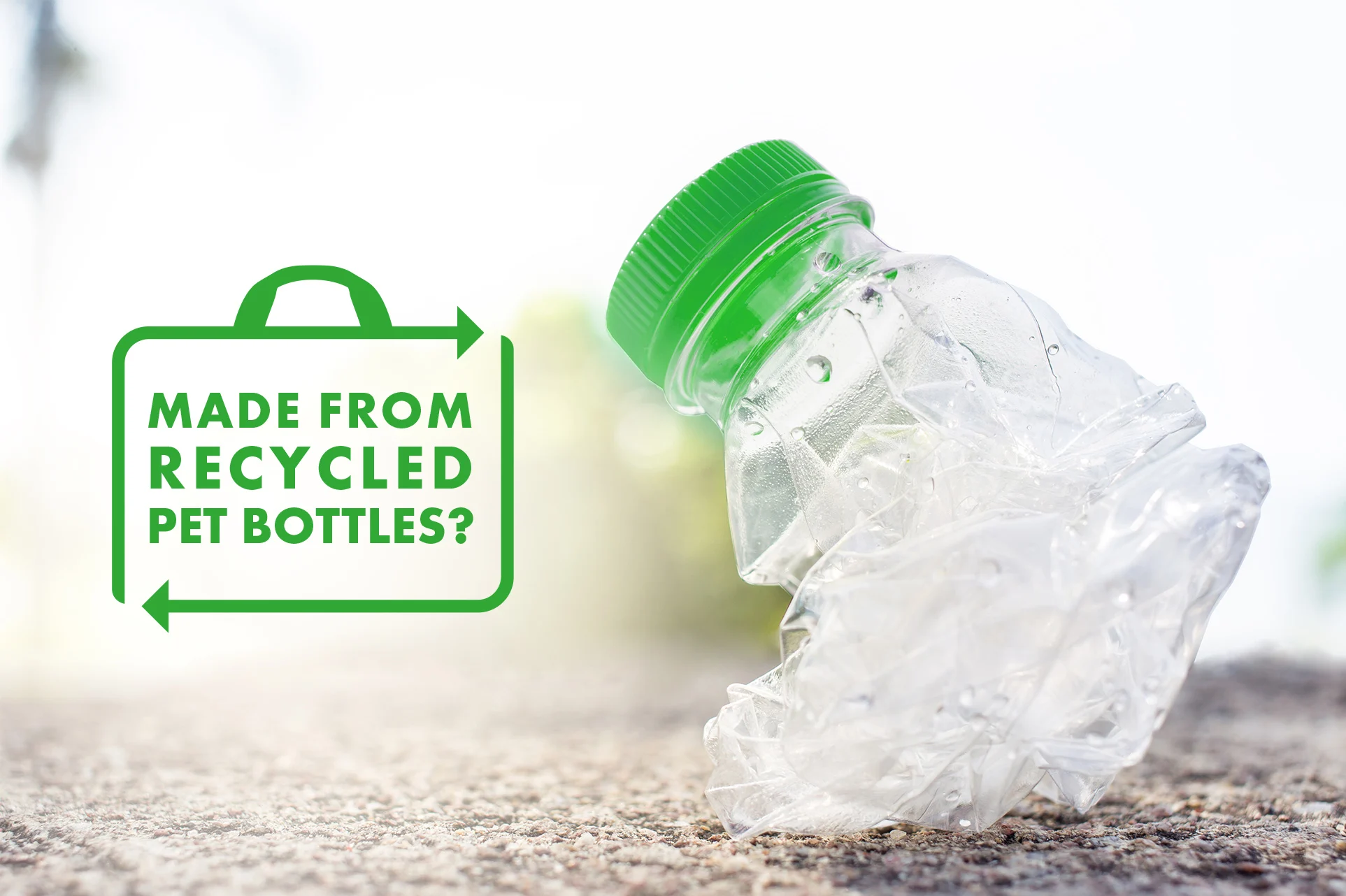
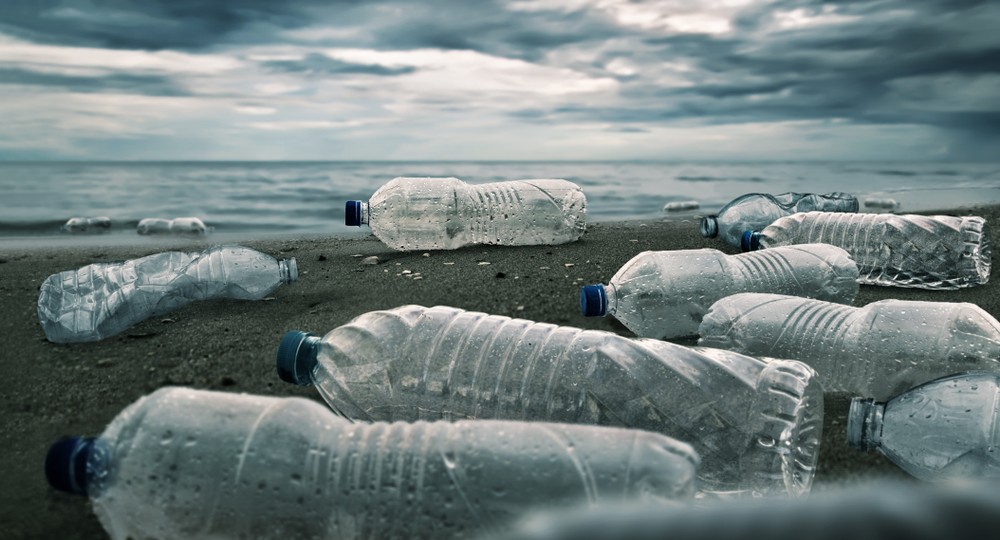
    With the growing focus on global warming, plastic waste management has become an emerging economic concern. But what if you were to learn that PET bottles are not lethal after all? We use Polyethylene Terephthalate (PET) in packaging materials, which is an incredibly recyclable plastic used in the crafting of soda and water bottles. With the help of proper recycling techniques, PET can be turned into a vast array of eco-friendly products that can help reduce harm to the environment and foster a circular economy.

    In this blog, we will highlight some astonishing and radical products that can be created from waste PET bottles.


    1. Clothing And Fabrics

    Besides environmentally friendly PET bottles serving multiple purposes, one of their common utilization is clothing. Recycled plastic gets converted into polyester fibers which then are crafted into threads for making clothes, accessories, and even shoes. Major brands use recycled PET fabric to manufacture:

    • Sportswear
    • Jackets
    • T-shirts
    • Shoes
    • Handbags

    By choosing clothes made from recycled PET, you contribute to reducing plastic waste while supporting sustainable fashion.


    2. Rugs And Carpets

    Another utilization of recycled PET fibers is in the crafting of rugs and carpeting. These environmentally friendly floor covering options are stain-resistant, cost-effective, and incredibly durable. As quality does not get compromised, homeowners and businesses are increasingly choosing pets recycled carpets to aid sustainability.


    3. Furnishing and Household Articles

    Did you realize creatively reusing PET plastic bottles could refurbish and serve functional purposes? Many producers manufacture chairs, tables, cushion fillings, and upholstery fabrics using PET materials. These goods can be described as lightweight, durable, inexpensive, and eco-conscious.

    4. Building and Construction Materials

    The construction sector has also reaped the benefits of PET recycling. Insulation materials, roofing tiles, and even eco-bricks are made from recycled PET bottles. These materials are easily maintained as they can withstand moisture, which is perfect for green building models.


    5. Packaging Products

    Remade PET is frequently utilized in the creation of new containers and packaging items such as plastic bottles. Nowadays, numerous drink manufacturers utilize recycled PET-RPET to fabricate water containers, food jars, and cosmetic package bottles. By incorporating remade PET plastic into their products, these manufacturers are making strides to decrease their carbon emissions while supporting a greener labeling industry.


    6. Sports and Recreational Equipment

    People who love spending time outdoors can now get their hands on equipment made from recycled PET bottles. Numerous companies make use of PET fabric in backpacks, tents, sleeping bags, and yoga mat production. These items are more eco-friendly as they enhance performance without adding to infrastructure strain.


    7. Sculptural Works

    Lateral usage of recycled PET bottles can be found in electronic accessories, for example, which is truly astonishing. Now, companies are making:

    • PET-based laptop sleeves
    • cell phones’ cases
    • headphones’ cushions

    The products are not only pleasing to the eye and long-lasting but also help with tackling plastic depredation.


    8. Parts of Automobiles

    Automotive features that are also made from recycled PET have been a part of the design process for quite some time. A lot of car producers have created:

    • Automobile seat covers
    • car floor mats
    • car door panels

    This new front helps conserve resources and minimize waste without compromising the quality and strength of the car’s internal features.


    Conclusion

    Recycling a PET bottle is not just an advanced sustainable practice – it is a revolution for many industries. It is not only beneficial for the fashion world and construction but for the automobile industry and even home decorations as well, which is why recycled PET is turning into a quick alternative for mankind’s need for eco-friendly solutions.

    Choosing goods created from recycled PET means aiding the green revolution by reducing the availability of plastic-contaminated zones. Next time you go shopping, try to find greener options and help the world.

    Let connect with us on social media. Do you possess things created from recycled PET bottles?

  • High-quality products Made from Recycled PET Bottles by Rakshitam Ecofiber

    High-quality products Made from Recycled PET Bottles by Rakshitam Ecofiber

    Rakshitam Ecofiber is leading the movement towards sustainability by transforming used PET bottles into eco-friendly products. We no longer have the option of forging ahead aggressively without concern for the environment, and the company is setting the standards on how that can be done.


    The PET Plastic Bottle Industry: Responsible Innovations Over Time

    PET (Polyethylene Terephthalate) bottles rank among the most profound types of plastic pollution around the globe. Abandoned, they are often located in landfills, oceans, or any other location that makes it easier to dispose of them. This, however, is a thing of the past with the invention of technologies that allow for the collection and recycling of PET bottles by cleaning and converting them into some of the finest fibrous materials. Ecofiber has an efficient closed-loop system that guarantees no bottles are wasted, thus conserving essential resources and lowering carbon footprints.


    What Sets Rakshitam Ecofiber Aside From Others?

    1. Innovation in Recycling Techniques: The innovative technologies employed at Rakshitam Ecofiber allow for the transformation of a mundane PET bottle into a strong and versatile product that can withstand an array of surfaces.


    1. Quality Focused: The entire product line is made up of top-quality material and the expert production process accompanies quality control measures that maintain all standards. This way the company’s products outperform the industrial minimum.


    1. Eco-conscious Practices: The Rakshitam Ecofiber is designed to reduce the negative impact on the environment. The company is committed to green manufacturing by using energy-efficient equipment and minimizing water usage, among other things.


    Product Range: Functionality With A Side Of Sustainability.

    Rakshitam Ecofiber’s product range offers the best of both worlds, sustainability and functionality. Here are some of their flagship offerings: 

    1. Textiles and Fabrics:

    • The fibers produced by Rakshitam Ecofiber are of high quality and can be used to develop eco-friendly textiles and fabrics, which are suitable for brand fashion, home furnishing, and industrial use.

    2. Insulation Materials:

    • PET bottle-derived fibers are also used as insulation materials for the construction and automotive industries.

    3. Filling Materials:

    • The company manufactures soft and durable filling materials for pillows, cushions, and mattresses, offering comfort while promoting sustainability.

    4. Geotextiles:

    • Rakshitam’s eco-friendly fibers are also used in geotextiles, which play a critical role in soil stabilization, erosion control, and infrastructure development.

    recycled PET bottles

    Why you should choose Recycled PET items

    1. Saving of the Environment:

    If you use products made out of recycled PET bottles, you are contributing to minimizing the amount of plastic waste and saving the environment.

    1. Profitability:

    The use of recycled materials instead of virgin materials tends to be more economical for businesses as well as consumers.

    1. Brand Value’s Growth:

    For industries, the use of recycled materials is a way of earning responsibility which increases their brand image and customer loyalty.

    1. Endurance and Efficacy:

    Products endorsed by Rakshitam Ecofiber made from recycled PET fibers claim and stand for great endurance.


    The importance of being Sustained

    The consequences of plastic pollution are beyond argument. We can see the evidence every year in wildlife along with the human population as millions of tons of plastic waste poisons our ecosystems. While there are, for these reasons Pet bottles must be recycled into valuable products. So, Rakshitam Ecofiber tries to avoid this difficulty as well as motivates others to do likewise. It highlights the regard for maintaining a circular economy, in which resources are reused and transformed to enable a sustainable future.

    Join the Movement with Rakshitam Ecofiber

    Purchasing from Rakshitam Ecofiber goes beyond just a transaction it is also a commitment towards sustainability. Rakshitam Ecofiber has something for everyone – be it a corporate client wanting to use eco-friendly materials in their operations or a consumer needing a sustainable option.

    Rakshitam Ecofiber contributes towards redefining waste into wealth by converting PET bottles into top-grade fibers. We can all work together to achieve a cleaner and greener planet, starting from recycling just a single bottle. Explore their product range today and take a step towards a sustainable tomorrow.

  • RPSF and Flakes Together with rPET Chips Eco-Friendly Ideas

    RPSF and Flakes Together with rPET Chips Eco-Friendly Ideas

    Within the modern world, practicing eco-friendly operations and sustainability has become a necessity. A pioneer in providing sustainable solutions, Rakshitam Ecofiber Pvt. Ltd. is creating a buzz with its unique products such as Recycled Polyester Staple Fiber (RPSF), rPET White Flakes, and rPET Chips. This blog details how Rakshitam creates innovative ways to transform waste into useful materials for a brighter tomorrow.


    What is RPSF (Recycled Polyester Staple Fiber)?

    RPSF is a fiber manufactured from recycled materials, making it an excellent substitute for virgin polyester fiber. By using RPSF, pet bottles are repurposed, thereby preserving natural resources. Rakshitam Ecofiber produces top-quality RPSF, which is in great demand in the textile, automotive, and home decor industries. Because of its immense durability, it is popular among industries looking to reduce their carbon footprint.


    The Role of rPET White Flakes in Recycling

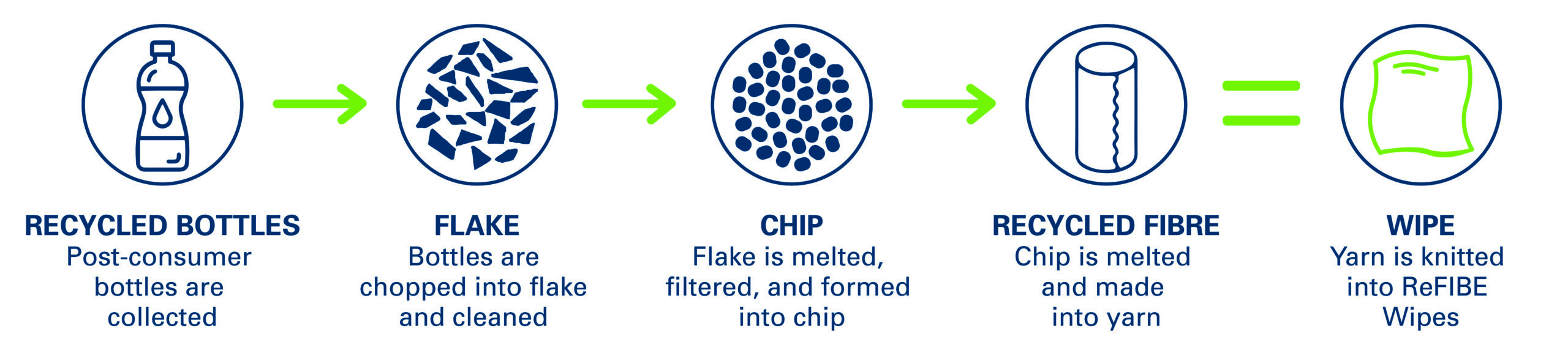
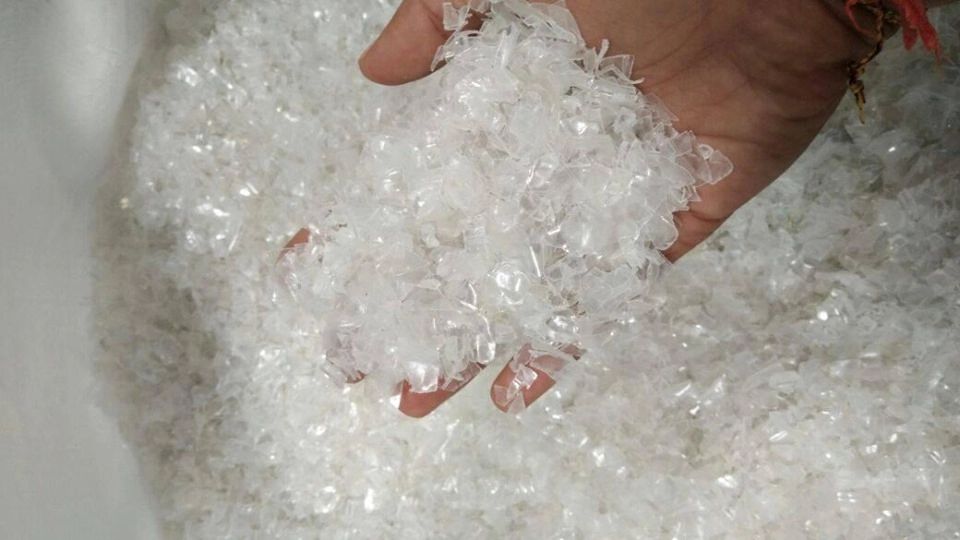
    rPET White Flakes is another astonishing product developed by Rakshitam. These flakes are formed from discarded PET bottles which are cleaned and shredded into small pieces, making sure they are not contaminated. The flakes can then be used in a wide range of products like RPSF, rPET chips, and even food-grade containers. The use of rPET White Flakes can tremendously help various industries in lessening their environmental impact.


    Understanding rPET Chips

    rPET chips, which are utilized in the production of polyester fibers, sheets, films, and a lot more, are derived from PET bottles. Along with the purpose and breaking down of the sorts of rPET chips, getting everything processed for recycling is the most vital step. The rakshitam ecofiber rPET chips are of utmost standard and are cost-effective, enabling industries to use them without sacrificing quality.


    Why Choose Rakshitam Ecofiber?

    For their creativity and incorporation of sustainability, they stand out amongst other companies. This is the reason why the people choose Rakshitam Ecofiber for their environmentally friendly requirements:

    1. High-Quality Products: The company has set it as a policy that all items, such as RPSF, rPET Flakes, and Chips, are produced to a prescribed quality.
    2. Sustainability Focus: By transforming used PET bottles to their new useful form, Rakshaatam engages in the business of reducing plastic and preserving the environment.
    3. Versatility: It is a comprehensive provider of green materials because its products are used in many sectors, including textiles and packaging.
    4. Cutting Edge Technology: The issue of recycling remains. Aerobic bacteria do require oxygen, but increased efficiency will lead to a reduction in the complete aerobic biomass. Rakshitam attempts to tackle this issue using advanced recycling methods.


    Applications of RPSF, Flakes and Chips:

    • Textiles: Garments, furniture covering fabric, and carpets are some of the items made from RPSF.
    • Packaging: Sustainable packaging features are made with rPET Flakes and Chips.
    • Industrial Use: These materials find applications in automotive components, insulation, and construction materials.


    The Environmental Impact of Innovations Executed by Rakshitam

    With the conversion of PET bottles to RPSF, rPET Flakes, and Chips, Rakshitam Ecofiber can do the following:

    • Decrease Landfill Waste: The recycling of PET bottles eliminates the prospect of them getting into either the ocean or a landfill.
    • Reduce Carbon Footprint: The amount of energy and resources spent during production is minimized since recycled materials are being utilized.
    • Encourage Circular Economy: Through their products, Rakshitam can help corporations embrace environmental responsibility, achieving a closed-loop economy.

    Also Read: rPET white flakes a sustainable solution for High Quality Recycling

    Final Thoughts

    Rakshitam Ecofiber Pvt. Ltd. is not only a manufacturer, but also these are the forerunner of green proposals. Their innovative products like RPSF, rPET Flakes, and Chips are setting the global standard for environmental sustainability in India. Having Rakshitam as a partner comes with material benefits, as well as the opportunity to contribute to the improvement of the environment.

    Find out more on how Rakshitam Ecofiber can help your business achieve its sustainability objectives. Together, we can create a cleaner and greener world!


  • rPET White Flakes : A Sustainable Solution for High-Quality Recycling

    rPET White Flakes : A Sustainable Solution for High-Quality Recycling

    White rPET flakes are gaining recognition as a versatile and sustainable material, following the principles of sustainable development. These flakes are essential for the development of green products that minimize the ecological footprint. These green products are derived from post-consumer and post-industrial PET plastics. This article outlines what rPET white flakes are, how they are manufactured, what they are applied for, and their role in sustainability.

    What Are rPET White Flakes?

    rPET white flakes are willingly recycled plastic that is small, clean, and triangular in shape. They can be derived from other items including plastic bottles, containers, and packages. Additionally, they are processed and sorted, then utilized as raw materials to make up different products. Any firms that believe themselves to be circular regard rPET as playing a significant role within their raw material needs.

    How Are rPET White Flakes Made?

    Sharp measures have been taken to assure the quality and purity of rPET white flakes, and some measures that assure a quality final product are listed as follows:

    1. Collection: Used PET materials are collected from industrial wastes and recycling activities among many others places.
    2. Separation: Utilizes advanced separating technologies to ensure the separation of PET materials with other metals, papers, or kinds of plastics; many facilities will require this with superior technology.
    3. Purification: Even though numerous facilities throw out filthy sheathing, this will call for leftovers in plastic be excessively rinsed, in volume, and the quality of the water to eradicate stains, labels, and glue.
    4. Shredding: Lastly, the washed PET is shredded to be irregular bite-sized flakes that can be processed easily.

     rPET White Flakes Applications

    rPET white flakes are friendly and can be used in various industries like:

    1. Textiles: The fabrics to be used as clothing, carpets, and upholsteries are produced from the Polyethylene Terephthalate (PET) fibres, which can be provided in PET flakes form.

    2. Packaging: Cans, bottles, and trays destined to be used as food products also find their genesis in this same material.

    3. Construction Materials: Insulation, roofing, or composite.

    4. Automobile industry: Is used in manufacturing the inner part of the automobile, such as seat cushions, car carpets.

    However, these flakes don’t stop here because of their diversity. They can be utilized in other environmentally advanced applications of the novel manufacturing system.

    Advantages Of rPET White Flakes

    1. Protection of the environment

    Plastic waste is a significant contributor to pollution. However, through recycling Pet into white flakes, the virgin plastic requirement can easily be eliminated. This saves natural resources and cuts down carbon emissions. Repurposing plastic waste with rPET flakes promotes pollution control and a circular economy.

    2. Energy Efficiency

    Compared with the amount of energy invested to produce white flake rPET, it takes almost half of this amount of energy to make virgin PET, but much more efficiency is observed; hence, low greenhouse gas emission and clean air are guaranteed.

    3. Affordability

    For manufacturers, rPET white flakes are relatively cheaper than the other materials. This further reduces the cost of production since all and any accessible quality grade recycled material is available and sold at a lesser price for meeting standard requirements.

    4. Versatile and Durable

    Unlike the rPET white flakes, which are recycled, virgin PET is not touched and has strong quality. Make sure that all the end products are reliable and durable and fulfill the requirements of diversified industries.

    Challenges in rPET White Flake Production

    Some restrictions have to be kept in mind while using rPET white flakes, which are as follows:

    1. Supply Chain Management: It should be properly managed, having an effective sorting and gathering of PET wastes so that supply could be stabilized.

    2. Perception of consumers: Some of the customers might opt for virgin material instead of rPET just because of a poor perception toward products made of recycled materials.

    As with the increasing market of rPET flakes, there have been innovations on the recycling technology side along with awareness campaigns allowing the rPET flakes to be used at a broader and more global level.

    What Are The Benefits Of rPET White Flakes To Your Enterprise?

    To show a step in the direction towards sustainability, environmentally friendly rPET white flakes, offering the same performance capacity as virgin materials, are an eco-friendly solution for enterprises. The sector you deal with may be packaging, textiles, or some other sector. Using rPET flakes is an effective way of demonstrating your seriousness about green technologies and resource usage efficiency.

    Summary

    rPET white flakes are more than merely recycled material; these flakes represent the safe fight against the problem of plastic waste pollution plaguing our earth. With rPET flakes, firms can decrease their carbon footprint and alter their manufacturing while devising an overall cost-effective and resource-wise environmentally sustainable circular economy model.

  • Recycled PET (rPET): Separating Myths from Facts on Quality, Safety, and Sustainability

    Recycled PET (rPET): Separating Myths from Facts on Quality, Safety, and Sustainability

    Recycled PET (RPET) has become exceptional and more helpful in recent years. It has become easier to consume, shrinks down waste, and has set a high standard that has inched its way while retaining its essential quality, and people often seem to have an issue with that. This blog will discuss rPET and its most common misconceptions while clarifying its impact.


    What Is rPET?

    During the recycling of used PET (Polyethylene Terephthalate) bottles and containers, this plastic is typically rPET, which is obtained when this plastic is further processed. It becomes a brand-new material that can be used as packaging, textiles, or other products.


    Myth #1: rPET is a compromise on the quality

    Fact: The Certificated Standard offered to rPET is Virgin PET.

    One of the strong misconceptions in public is that rPET products can never compete against rPET as they are made with virgin glucose. But it must be noted that movies with advanced technology fused with rPET are now widely used in performance, strength, and firmness more clearly than older films. Additionally, rPET is now commonly used in the food and beverage industry, making it the rPET standard.


    Myth #2: rPET is unsuited for food packaging

    Fact: All rPET materials are endorsed for carefully going through safety evaluations.

    The widespread belief regarding rPET is that it is not fit for food-grade applications, but this remains unproven. After conducting specific tests, RPET used in food packages is always certified by competent authorities like the FDA and EFSA. These tests verify that rPET complies with rigorous manufacturer safety standards, making it a reliable choice for food and beverage containers.


    Myth #3: Recycling PET Is Costlier Than It Is Worth

    Fact: Recycling PET is economically savvier and helps save on costs.

    The belief that recycling PET consumes energy presupposes an electric misuse significant to the surrounding environment. The technique of producing rPET has been shown to utilize dramatically more resources. rPET technology can potentially halt greenhouse gas emissions by as much as 40% in some locations. In this way, it is safe to say that rPET is more eco-friendly than whatever the industry’s current position.


    The advantages of rPET on the Environment

    1. Aids in Plastic Waste Decrease: 

    Recycling PET helps save millions of tons of plastic from being thrown away.

    2. Contributes in Resource Management: 

    Greater depletion of new PET and fossil fuels utilized for its manufacture is lessened by reusing

    3. Circular Economy Advocate:

     rPET supports a sustainable approach to manufacturing by ensuring that materials are reused rather than wasted.


    Resolving rPET Apprehension

    Even though rPET does have its benefits, there are certain apprehensions, such as:


    1. Durability: rPET packaging is expected to possess similar strength to any virgin material.
    2. Aesthetics: With the development of technology, it can be ensured that versions made of rPET are of good quality.
    3. Cost: rPET requires more effort to process, which results in higher prices. However, it results in saving money in the long run.


    Which rPET Should You Use and Why

    The rPET is an ethical innovation that replaces plastic waste with sustainable services. The companies that use it have proved their corporate responsibility and commitment to preserving the environment and its core values.


    Final Remarks

    As consumers and businesses, knowing the truth about recycled PET is critical to making educated choices. The reality is that rPET is not the compromise many presume to be; it is an excellent, safe, and natural solution for the ever-growing waste plastic problem. Instead, if rPET is adopted, a greener planet and sustainable economic development are ideal.

    Go rPET for a better future now!

  • High Tenacity Recycled Polyester Staple Fiber: Properties, Process, and Uses

    High Tenacity Recycled Polyester Staple Fiber: Properties, Process, and Uses

    Today, the interdependence between sustainability and innovation creates space for eco-friendly solutions. RPSF, or high-tenacity recycled polyester staple fiber, turns out to be one of the best materials boasting strength, durability, and environmental conservation. This blog examines the features, manufacturing techniques, and wide range of uses of high-tenacity RPSF while also discussing its increasing popularity in this modern world.


    To begin with, what is high-tenacity RPSF?

    High-tenacity recycled  is defined as recycled polyester fiber made from different applications, such as PET bottles, postconsumers, and any other application. The term “high tenacity” is used because of its ability to withstand great stress without breaking, which makes it suitable for use in harsh environments. This fiber helps greatly alleviate pollution with the use of recycled materials.


    Properties of High-Tenacity RPSF

    1. Strength and Durability: One major advantage of the high tenacity feature is that it gives the fiber high tensile strength fabric that is highly resistant to any wear and tear.
    2. Lightweight: Because of being lightweight, coupled with high tensile strength, this fiber is useful in many industries.
    3. Eco-Friendly: Protecting the environment by ensuring a net positive petrichor, through an upcycled product while also endorsing circularity.
    4. Moisture Resistance: The characteristic of the fiber is that there is strong moisture resistance and it can be stored for long periods without deteriorating.
    5. Thermal Stability: High temperatures can be dealt with which fuels the assurance of overlaps in the environmental weathering.
    6. Customizability: Driven easily to meet one’s standards, the fiber is supplied in multiple colors with multiple finishes.


    The Manufacturing Process of High-Tenacity RPSF

    1. Collection of Recycled Materials: The entire process starts with a collection of PET bottles and some other recyclable polyester materials.
    2. Cleaning and Sorting: Collected material is then cleaned from impurities and sorted for quality assurance.
    3. Shredding: Cleaned material is then broken up into small flakes to ready them for cleaning and processing.
    4. Melting and Extrusion: The flakes are heated until becoming softened and formed into threads.
    5. Drawing and Crimping: The thread is pulled apart to strengthen the polymer’s molecule position and structure and then crimped to integrate the texture of the staple fiber.
    6. Cutting and Finishing: The fibers are trimmed to the required length and are ready for sewing and packaging.


    Uses of High-Tenacity Recycled Polyester Staple Fiber

    1. Textile Industry: RPSF has found substantial use in the textile industry for manufacturing garments, furnishing fabrics, and household items on account of its strength and comfort.
    2. Non-Woven Fabrics: Recycle Plastics fiber is also suitable for use in geotextiles, filters, and other industrial purposes.
    3. Automotive Sector: Similar cords have been used in a wide range of automotive textile applications like seat covers, carpets, and insulation.
    4. Construction: In the construction sector, rpsf finds use in reinforcing concrete and in the production of composite materials.
    5. Packaging: a is also suitable for use in green packaging materials.
    6. Outdoor Gear: Recycled polyester staple fiber is increasingly used in the manufacture of ropes, tents, and other high-strength outdoor equipment.

    Also Read: Understanding the Recycling Symbols on Water Bottles

    Why Choose High Tenacity Recycled Polyester Staple Fiber?

    With the current global shift towards greener technology, it only makes sense that the use of high-tenacity recycled polyester staple fiber is embraced. High-tenacity recycled polyester staple fiber has plenty of applications, and because it is strong, durable, and environmentally friendly, it is an ideal option for several purposes. Your business and other stakeholders will achieve their environmental strategies while assuring quality products & services via the implementation of this innovative material.

    To find out more on high-tenacity recycled polyester staple fiber and how to go about with other sustainable methods, visit Rakshitam. Their zeal for recycling and innovation places them at the forefront of the industry making a huge impact on building a better tomorrow.

  • Understanding the Recycling Symbols on Water Bottles

    Understanding the Recycling Symbols on Water Bottles

    What are those small triangular recycling symbols sometimes accompanied by a number or letters on the neck of a water bottle? These Resin Identification Codes, or RICs, are more than just marks: they carry very important information about what kind of plastic is used in the bottle and whether it’s recyclable. Knowing these symbols is important in making informed decisions about recycling and contributing to sustainability.

    This will help you know common recycling symbols found on water bottles, what they mean, and their effects in recycling.

    1. What are Recycling Symbols?

    Recycling symbols on water bottles are standardized codes designed to classify plastics based on chemical composition. First adopted by the Society of the Plastics Industry in 1988, the codes are there to guide the recycling community as well as the consumers on which kind of plastic and its possibility to be recycled.

    The symbols usually have a number in a triangular loop of arrows, along with letters that indicate the type of material.

    2. Common Recycling Symbols on Water Bottles

    Let’s look at the most common recycling symbols found on water bottles:

    a. PET or PETE (Polyethylene Terephthalate)
    Symbol: ♺ Code: 1
    PET is the most commonly used plastic for water bottles. It is light, transparent, and strong. PET bottles can be recycled and turned into items such as polyester fabric, carpets, or even new bottles.

    Recycling Tip: Empty and clean the bottle before recycling. Remove caps and labels if your local recycling guidelines require it.

    b. HDPE (High-Density Polyethylene)
    Symbol: ♺ Code: 2
    While less often for water bottles, HDPE is used in thicker, sturdier containers. It can be recycled and commonly becomes items such as plastic lumber, pipes, or detergent bottles.

    Recycling Tip: Crush the bottle to save space and check local rules for special requirements.

    c. LDPE (Low-Density Polyethylene)
    ♺ Code: 4
    Though less common for traditional water bottles, LDPE may be found in flexible pouches or squeeze bottles. LDPE is sometimes recyclable and often gets “downcycled” into trash bags or floor tiles.

    Recycling Tip: Find out if your facility takes LDPE plastics.

    d. Other (Mixed Plastics)
    Symbol: ♺ Code: 7
    This type of plastic may include polycarbonate and bioplastics that are not very easy to recycle. Bottles that have “7” on the code may have specialty plastics or compostable materials.

    Recycling Tip: Items bearing this code may not be collected in regular recycling programs, so it is recommended to search for special recycling facilities or composting facilities.

    3. Why Are These Symbols Important?

    Knowing what the recycling symbols mean helps you

    Correct Segregation of Plastics: Proper segregation ensures the efficient recycling of plastics, preventing contamination in the recycling streams.
    Reduce Waste: Identifying what can be recycled helps divert more waste from the landfills.
    Informed Decision: Knowing what is easier to recycle can sometimes influence your purchase decisions.

    4. Problems associated with Plastic Recycling

    Although the symbols are useful, the recycling systems themselves are not standardised everywhere. There may be areas that do not have facilities for processing certain types of plastic. Moreover, contamination from food residues or mixing of plastics with other non-recyclable materials also prevents recycling from happening.

    5. Responsible Recycling Tips

    Wash Before Recycling: Bottle residue should be cleaned off.

    Local Guidelines: Each municipality has its own set of rules regarding recyclables.

    Avoid Single-Use Plastics: Use a refillable water bottle to avoid unnecessary waste.

    Awareness: Let others know why recycling symbols are so important and the importance of waste management.

    The numbers on the water bottle recycling symbol are more than just a bunch of numbers. They tell you what kind of plastic it is, whether or not it can be recycled, and what its potential impact on the environment might be. Decoding these symbols and adopting responsible recycling habits can really make a difference in reducing plastic waste and keeping our environment safe. Next time you pick up that water bottle, take a glance at the symbol, understand its meaning, and recycle wisely!

  • How to Precisely Calculate the Tensile Strength of RPSF?

    How to Precisely Calculate the Tensile Strength of RPSF?

    Plastic bottles and plastic goods constitute one of the biggest threats to the environment, with millions of them being thrown away daily. This sort of waste not only accumulates in dumping areas but also has pollution potential, mainly for soil and water, with the possibility of emitting dangerous gases in the future.

    Plastic pollution can be said to have reached catastrophic levels worldwide, and even the inhabitants of the affected areas suffer. In this scenario, it has become urgent and crucial to recycle plastic waste.


    The Recycling Technologies that Assist Different Industries

    There is a paradigm shift in how industries have treated waste materials owing to the innovation of recycling technologies. Such innovation is Recycled Polyester Staple Fiber (RPSF), which is made from PET bottles and is used by textile, automotive, and home furnishing industries. With the help of cutting-edge recycling techniques, waste can be converted into fibres with excellent mechanical properties. It can be used in many sectors without negatively impacting the product’s performance.

    Tensile strength, which is one of the RPSF’s mechanical characteristics, enables many uses to be fulfilled. The amount of force or stress applied to a material on its stretching or pulling to the point it fails to hold the stress is called tensile strength. In the case of RPSF, it is of great importance to be able to comprehend and evaluate tensile strength since it is one of the prerequisites to the quality and industrial applications of the RPSF.


    Dissecting the Understanding of Tensile Strength on Recycled Polyester Staple Fiber (RPSF)

    It is important to understand that tensile strength is a major requirement for almost all materials, including RPSF. This has quite an impact on the fibre’s ability to withstand wear and tear, usage effectiveness, and the way the fibre can be used in yarns, ropes, and other industries. For RPSF, the tensile strength is dependent on these factors:

    1. Source Material Quality: The fibre’s tensile properties are influenced by the quality and purity of the PET bottles that were used.
    2. Manufacturing Process: The processes of extrusion and spinning have a direct impact on the total structure of the fibre.
    3. Additives: Reinforcements or stabilizers employed during the making of a product assist in increasing the tensile strength.


    The Way Tensile Strength Affects Technology and the Use of Waste Material

    Proper tensile strength is a significant disadvantage that will determine how effective the use of waste materials for construction, such as PET bottles, can be. The recycled fibres must have high tenacity, which means the fibres can be put to harsh uses, and thus, they can substitute virgin materials. For industries, this entails the following:

    • Cost Savings: The use of durable RPSF ensures that there is minimal wastage of materials and increases the lifespan of the product.
    • Sustainability: The fibres obtained from recycled materials are able to replace the use of fibres made from non-renewable resources.
    • Performance Assurance: In construction materials such as automotive interiors and geotextiles, the materials need to have a high tensile strength to ensure safety and functionality.


    Key Facts About Fabric Tensile Strength of RPSF

    1. Measurement Units: Typically, for any material, the tensile strength is represented in megapascals (Mpa) or pounds per square inch (Psi).
    2. Standards: To avoid disparity, ASTM and ISO guidelines are used to aid tensile strength tests.
    3. Applications: Transformed RPSF has a definitive tensile strength, making it usable in heavy-duty applications such as


    Methods for Evaluating the Tensile Strength of Recycled Polyester Staple Fibers (RPSF)

    To measure the tensile strength accurately, the following test methods are generally followed;

    1. Universal Testing Machine (UTM):
    • The sample fibre is held at one end and is pulled until the fibre snaps.
    • The machine automatically notes the best force that it can pull together with the elongation achieved at the breaking of the fibre.
    1. Tensile Testing Procedure:
    • Sample Preparation: The fibres to be used are cut to a standard specified length and allowed to equilibrate to a standard temperature and humidity.
    • Load Application: The sample is being pulled at a constant speed until it fails.
    • Data Analysis: The data retrieved will entail the force of tension created, the percentage elongation achieved, and the modulus of elasticity.
    1. Microscopic Inspection: Microscopic structural examination is useful in establishing any deficiency in the internal structure that affects tensile strength.
    2. Batch Testing: Testing a few samples of the batch helps in assessing the uniformity and profiles of the batch


    Key Takeaways

    • Recycling has enabled the RPSF to be thicker and thinner in different applications across industries.
    • Tensile strength is deemed a major performance indicator as far as RPSF usability and reliability in various applications are concerned.
    • The tensile strength of a product is sure to be affected by factors like the source material and the processes used in its manufacture.
    • The use of the test methods UTM and the batch analyses allows for sufficient computation and benchmarking of such products.
  • How Rakshitam Group Became the Leading Recycled Polyester Staple Fibre Company in India

    How Rakshitam Group Became the Leading Recycled Polyester Staple Fibre Company in India

    The Rakshitam Group has emerged as a trailblazer in the recycled polyester staple fibre (PSF) industry in India, setting benchmarks for innovation, sustainability, and operational excellence. As the world grapples with environmental challenges, the group’s unwavering commitment to eco-friendly practices and cutting-edge technology has propelled it to the forefront of this sector. This article delves into the journey of Rakshitam Group and the factors that have contributed to its leadership position in the recycled PSF market.

    1. Visionary Leadership and Strategic Planning

    At the core of Rakshitam Group’s success lies its visionary leadership. The founders recognized the growing demand for sustainable alternatives in the textile and fibre industry early on. By aligning their business objectives with global sustainability goals, they positioned the company as a pioneer in recycled polyester production. Strategic investments in infrastructure, technology, and human resources laid a strong foundation for the company’s growth.

    2. Focus on Sustainability

    The Rakshitam Group’s dedication to environmental sustainability has been a key differentiator. By recycling post-consumer PET bottles into high-quality PSF, the company has significantly reduced plastic waste that would otherwise end up in landfills or oceans. This process not only addresses the global plastic pollution crisis but also reduces dependence on virgin polyester, conserving natural resources like crude oil and energy.

    The group’s commitment extends beyond recycling; it continuously innovates to minimize its carbon footprint and optimize resource efficiency. By adhering to sustainable practices, Rakshitam Group has earned the trust of environmentally conscious clients and stakeholders.

    3. State-of-the-Art Technology

    Innovation has been the cornerstone of Rakshitam Group’s operations. The company has invested heavily in advanced recycling technologies and automated systems to ensure the highest quality of recycled PSF. From efficient bottle collection systems to state-of-the-art processing units, every aspect of the production cycle is designed to maximize output and maintain consistency.

    The adoption of cutting-edge technologies has enabled the group to produce PSF that meets global quality standards. This ensures that the fibre is suitable for a wide range of applications, including textiles, home furnishings, and industrial uses.

    4. Commitment to Quality

    Rakshitam Group has established itself as a trusted name in the industry by maintaining uncompromising quality standards. The company implements rigorous testing protocols at every stage of production to ensure the durability, texture, and performance of its fibres. This focus on quality has helped it forge strong relationships with domestic and international clients, driving its growth in competitive markets.

    5. Strong Supply Chain and Distribution Network

    The company’s robust supply chain and extensive distribution network have played a crucial role in its success. By fostering partnerships with suppliers and recyclers, Rakshitam Group ensures a steady supply of raw materials. Additionally, its efficient distribution channels allow the company to cater to clients across India and export markets, further strengthening its market position.

    6. Customer-Centric Approach

    Rakshitam Group places a high value on customer satisfaction. By understanding the unique needs of its clients and offering customized solutions, the company has built long-lasting relationships with customers in various industries. This customer-centric approach has not only boosted brand loyalty but also contributed to the company’s reputation as a reliable and innovative partner.

    7. Awards and Recognition

    The group’s achievements have been recognized with numerous awards and accolades, underscoring its contributions to sustainability and innovation. These recognitions have further cemented Rakshitam Group’s position as a leader in the recycled PSF industry.

    8. Future Outlook

    As the demand for sustainable products continues to rise, Rakshitam Group is poised for even greater success. The company plans to expand its production capacity, explore new markets, and invest in research and development to stay ahead of industry trends. By continuing to prioritize sustainability and innovation, the Rakshitam Group is well-equipped to maintain its leadership position and inspire others in the industry.

    Conclusion

    The rise of Rakshitam Group as the most leading recycled polyester staple fibre company in India is a testament to its vision, dedication, and relentless pursuit of excellence. By championing sustainability, investing in technology, and focusing on customer satisfaction, the company has set a gold standard in the industry. As it continues to grow and innovate, Rakshitam Group not only contributes to a greener planet but also exemplifies the transformative potential of responsible business practices.