Category: Blog

Your blog category

  • Top Pet Bottle Recycling Companies in India Leaders in Plastic Waste Management

    Top Pet Bottle Recycling Companies in India Leaders in Plastic Waste Management

    From the perspective of India’s spiraling problems with plastic waste, the country has moved ahead with the management of plastic waste, especially with the recycling of PET bottles, to a commendable level. These containers are used for beverages and other products, and they are easy to recycle. Hence, they are an asset in the circular economy. The focus of this blog is on the pioneer companies in India participating in the recycling of PET bottles which are paragons of sustainable endeavors and precursors in the nation’s recycling industry which leap.


    Why Recycling PET Bottles is Important

    Recycling PET bottles significantly lessens the negative impact of plastic waste by conserving resources, and reducing carbon emissions. Recycling PET bottles from used plastics.

    • Eliminates the requirement of producing new plastics.
    • Saves energy and base materials.
    • To encourage cleanliness and protect nature. To lessen the accumulation of waste in landfills.
    • To increase the manufacture of environmentally friendly fiber, fiber sheets, eco-friendly packing materials, and other sustainable products.


    Ideas of Subjects for Recycling PET Containers in India

    1. Role of PET Bottle Recycling to Achieve Circular Economy Goals for India

    • Analyze the activity of recycling in the context of sustainable Indian resource management towards a ‘Waste-free India’ vision.

    2. PET Bottle Recycling Process in India

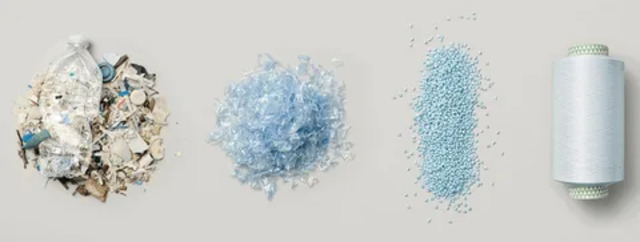
    • Consider all the processes of collection, sorting, washing, shredding, flaking, and end-use applications.

    3. Consumer’s Guidelines on Disposal and Segregation of PET Bottles for Recycling

    • Simple procedures and information for residential, institutional, and educational facilities.

    4. Innovative Items from Recycled PET Bottles in India

    • Discuss garments, carpets, construction materials, and many other such items.  

    5. Competition and Cooperation in PET Bottle Recycling in India

    • Analyze the impact of the informal economy, poor infrastructure, and new business opportunities.

    6. Changes Caused by EPR Policy on PET Recycling

    • Focus on how EPR is shaping brand responsibility and marketing policies within the sector.

    7. India PET Bottle Recycling: Anticipated Trends and Market Outlook Towards 2025

    • Discuss the opportunities available in the best interest of the government, new technologies, and sustainable markets.


    Developing Patterns in PET Bottle Recycling

    The PET bottle recycling sector in India is adopting new patterns with techniques and innovations. Major trends comprise the following:

    • Heightened Use of Technology – AI-based sorting systems and automation are enhancing the efficiency and effectiveness of the recycling process.
    • Growth of Extended Producer Responsibility (EPR) – Subsidized policies by the government are shifting post-consumer waste responsibility to brands.
    • Enhanced Recycling Facilities – There is an increase in construction of new recycling plants and collection centers aimed at managing the high volume of plastic waste.
    • Focus on Circular Economy – There is a shift for companies that focus on sustainable models driven towards reuse, recycling, and resource consumption.

    Also Read: Exporting premium recycled pet flakes from india to global markets

    Final Thoughts

    With industry-leading companies aiding the adoption of Eco-friendly practices, India is on the right track towards addressing plastic waste. PET bottle recycling plays an essential role in combating the growing concern of plastic pollution in the country and working towards a balanced circular economy ecosystem. Supporting these initiatives enables India to advance as a global influence in sustainable plastic waste management while protecting the environment through resource redemption.

    Be active in local recycling schemes, stay updated, and choose products made from recycled materials to contribute to a cleaner, greener future.


  • Exporting Premium Recycled PET Flakes from India to Global Markets

    Exporting Premium Recycled PET Flakes from India to Global Markets

    In the quest of different industries trying to shift towards more eco-friendly approaches, recycled PET flakes have become extremely useful for the circular economy. Thanks to excellent recycling facilities, India is now a frontrunner in exporting premium-grade recycled PET flakes. This blog post focuses on how India has become a leader in supplying high-quality PAL (polyester Amide Lyocell)-recycled PET flakes internationally, outlining the advantages and standards of quality set for these materials, along with the potential that global consumers can utilize.


    What Are Recycled PET Flakes?

    Recycled PET flakes come from the processing of used post-consumer PET bottles. The processing involves cleaning and shredding PET bottles. Recycled PET flakes serve as the primary feedstock in the production of:

    • Polyester fiber textiles
    • Food packaging materials of superior quality
    • Parts for vehicles
    • Durable plastic straps
    • Thermoforming and sheet extrusion

    Virgin plastic and its numerous forms are widely utilized all over the world, however, in these slabs, the environmental damage that has taken place is minimized through emission reduction, helping to achieve international sustainability goals.


    Reasons Behind India’s PET Flake Exports

    1. Comprehensive and Efficient Recycling Infrastructure

    India has a well-defined and organized environment for managing plastic waste. The informal and formal recycling sectors collaborate to recycle multiples of plastic waste every year. This polymer value chain gives a constant supply of raw materials to these recyclers.

    2. Highly Developed Technological and Processing Facilities for Recycling

    Indian recycling companies possess the latest technology in washing, sorting, and extrusion which guarantees purity and quality PET flakes. Many exporters comply with international requirements like:

    • GRS (Global Recycled Standard) Certification
    • FDA and EFSA approvals for Food-Grade PET
    • ISO 9001 & 14001 certifications

    Such certifications deepen the trust and credibility of Indian PET flakes in the global market.

    3. Reasonable Cost with Superior Quality

    Due to the availability of cheaper labor and materials, India provides PET Flakes at reasonable rates without infringing the quality. This makes Indian exports favorable to European and North American Countries along with the Middle East and South-Eastern Asia.


    Industries Globally Utilizing Indian Recycled PET Flakes

    Indian Recycled PET Flakes are utilized in various segments, such as:

    • Textiles: Polyester staple fiber and filament yarn production.
    • Packaging: Manufacturing trays, containers, and bottles.
    • Construction: Production of composite construction materials and insulation products.
    • Automotive: Vehicle parts, as well as PET fiber composite linings.

    Due to Indian manufacturers’ quality and consistency with blends of sustainable materials, performance is not compromised.


    Market Expectations and Export Possibilities

    The anticipated development of global markets, such as India, poses a significant opportunity for growth. This is due to environmental policies, consumer demand for sustainable packaging products, and corporate ESG initiatives driving the worldwide recycled PET market. India’s strategic strengths are:

    • Close distance to shipping ports.
    • Well-established trade partners.
    • Government Policy Support for Exports.
    • Providing enhanced digitalization and supply chain visibility.

    Demand for eco-friendly materials is rising. In response, Indian exporters are collaborating with global brands to provide traceable, premium-grade recycled PET, fulfilling the growing market need.


    How to Source Recycled PET Flakes from India

    Global purchasers should consider the following when sourcing recycled PET flakes from India:  

    • Verified certifications (GRS, FDA, ISO)  
    • Consistent flake quality (color, size, contamination level)  
    • Trustworthy communication, guarantee of information provided, and traceability  
    • Sensible shipping arrangements and clear export papers  

    Working with Indian exporters allows for compliance and transparency while ensuring a steady supply of recycled PET flakes.  

    Also Read: How to Identify RPSF-Based Products: A Complete Buyer’s Guide for 2025

    Conclusion  

    The country has positioned itself as a leading exporter of replenished PET flakes due to its competitive pricing and premium quality. Owing to all the industries shifting towards greener alternatives, Indian PET recyclers are ready to offer a blend of reliability, environmental responsibility, and global compliance.  

    From manufacturers and wholesalers to sustainability brands, everybody is advised to look for recycled PET. This could help them reduce their carbon footprint significantly while maintaining excellent products.  

    Want to import recycled PET flakes?  

    Get in touch with a reputable supplier who focuses on sustainability aligned with global standards, ethics, and environmental care.

  • How to Identify RPSF-Based Products: A Complete Buyer’s Guide for 2025

    How to Identify RPSF-Based Products: A Complete Buyer’s Guide for 2025

    An illustrative case of a material that is Recycled Polyester Staple Fiber (RPSF) is now found in textiles, automobiles, construction, and even home furnishing industries. Purposeful consumers with eco-friendly principles have deep concerns about finances, and therefore, differentiating between real and fake RPSF products in the market becomes crucial.

    We, at Rakshitam Ecofiber Pvt Ltd, feel proud to be the foremost producers of RPSF fibers with the latest technologies in recycling, and by 2025, our consumers will have the guides needed to make informed decisions concerning RPSF.

    RsPSF, or recycled polyester staple fiber, is fairly self-explanatory; it is the resultant material for recycling post-consumer PET bottles and other plastic materials. Apart from being an eco-friendly alternative when compared to virgin polyester, it’s also used in:   

    • Non-woven textiles  
    • Automotive interiors  
    • Home insulation  
    • Geotextiles  
    • Carpets and mats  
    • Pillows and cushions  

    Its strength, durability, and environmental benefits make it ideal for both manufacturers and consumers.


    Why RPSF Matters In 2025

    With sustainability trending across the globe, different industries and governments are trying to contemplate policies on the mandatory use of recyclable materials. RPSF is fast becoming popular in 2025 because:

    Lower carbon emissions

    Reduction in the cost of production

    Meeting eco-friendly guidelines

    Compliance with sustainability

    Policies supporting circular economy practices not only help save the environment but also improve brand perception as socially responsible.


    How to Identify Genuine RPSF-Based Products

    Not all products claiming “recycled” have the same standard. This is what to check when looking for RPSF-based materials.

    1. Check The Label And Certification  

    Manufacturers who receive accolades for their RPSF products usually tend to credential their materials. Do they possess:  

    • GRS (Global Recycled Standard)  
    • ISO 14001 certification
    • Documents of product traceability

    Award winning RPSF manufacturers undergo scrutiny from various organizations. All RPSF in Rakshitam Ecofiber Pvt. Ltd comes with the global recycled standard certification.

    2. Verify Fiber Quality

    Good quality RPSF should have:

    • Even texture and color
    • Low moisture content
    • Constant denier and cut length

    The fiber with the worst quality is bound to deliver the lowest quality products.

    3. Claim a Technical Data Sheet

    Every competent supplier must offer a TDS (Technical Data Sheet) with:

    • Denier range
    • Cut length
    • Tensile strength with elongation
    • The melting point of ash measured

    Ensure these matters meet your specifications before purchase.

    4. Inquire Regarding The Source Of The Raw Material

    Identifiable RPSFs come exclusively from post-consumer PET bottles as opposed to industrial remnants. Always inquire:

    • From what source do the raw materials come?
    • Was it a locally sourced or globally recycled material?
    • Is it able to be traced?

    These questions would help elucidate the quality and environmental claims of the material’s fibers.

    5. Perform Burn and Solubility Tests

    These tests aren’t conclusive but identifying polyester fibers can be done with the burn test as they yield a black bead and burn slowly. Other pecific solvents can aid in solubility tests to ascertain another fiber’s composition.


    Choosing the Right Supplier

    A reliable supplier provides guarantees on the consistency and quality of their supply. You may want to pay attention to:

    • Track record in RPSF production
    • Recycling and spinning technology on location
    • Their certifications and audits
    • Customer care and supply capacity

    Rakshitam Ecofiber Pvt. Ltd is one of the longest sustainable fiber producers, serving both international and domestic clients. Them being a trusted partner, it is evident that the company excels in client servicing.

    Also Read: How pet bottles are changing the face of packaging

    Final Thoughts

    Identifying and sourcing authentic RPSF-based products will become more important than ever as we move towards a zero-waste economy by 2025. As this case highlighted, the right partners and adequate knowledge allow for the achievement of sustainability alongside stringent requirements in the products.

    If you’re looking to shift to eco-friendly materials, reach out to us at Rakshitam Ecofiber Pvt. Ltd. We offer a diverse catalog of certified RPSF products that exaid your performance needs.

  • How PET Bottles Are Changing the Face of Packaging

    How PET Bottles Are Changing the Face of Packaging

    Sustainable development today is perhaps one of the most important aspects of any business or organization. Companies across the globe are shifting towards more sustainable Innovation, and sustainable packaging is one sector that has evolved tremendously in innovation. PET (Polyethylene Terephthalate) bottles are perhaps the most revolutionary invention in this regard i.e. these bottles are highly durable, can be packed in an Eco-friendly manner, and offer great recycling options for a variety of different products. Companies such as Rakshitam Eco-fiber are at the forefront of these transformations as they use  to make eco-friendly materials, thus making the world a better place. This blog discusses the ideas of making sustainable development possible along with how revolutionizing packaging.


    What PET Bottles Are Ideal For?

    The popular use of PET bottles has greatly earned their valuable properties of being very useful for several packaging applications. Here is a list of carefree reasons that contribute to changing the packaging industry profoundly:

    • Lightweight & Durable – bottles are far lighter in weight in comparison to glass or metal containers which subsequently lowers the transportation costs and minimizes the emission of carbon.
    • Recyclable & Sustainable – PET is guaranteed to be 100% recyclable which means that any used bottles can be converted into brand-new products rather than piling up in the landfills and polluting the environment.
    • Safe & Non-Toxic – Everything ensures the safety and non-toxic nature of PET for this particular material that the FDA approves and is extensively used in the food and drink industry.  
    • Cost-Effective – is very economically favorable as compared to other materials used for packaging.


    The Role of PET Bottles in Sustainable Packaging

    One focus for modern packaging is sustainability, and PET bottles are central to achieving this goal. Here is how they impact sustainability significantly:

    1. Recycling PET Bottles

    Perhaps the best feature of PET bottles is that they can be recycled. Used bottles are able to be collected, cleaned, shredded, or made into new products which eliminates the need for creating virgin plastic.

    1. Supporting Circular Economy

    Rakshitam Eco-fiber and other companies are spearheading the transformation of waste into valuable materials, such as Recycled fibers for textiles Sustainable packaging solutions Reusable PET products.

    1. Lower Environmental Impact Than Other Options

    PET bottles are also less expensive than glass or aluminum since less energy goes into their production and transportation.

    Recycling Innovations In The PET Bottle Industry By Rakshitam Ecofiber

    Leading the revolutionary shift in PET recycling and waste transformation is Rakshitam Ecofiber. Some of their notable programs involve:

    • Conversion of PET Waste into Eco Friendly Fiber – This program aims to create fibers for textile products from post-consumer PET bottles by synthesizing them into high quality polyester.
    • Invention of Biodegradable Blend of PET – The primary focus of this research and development project is to make PET environmentally friendlier by creating nonpolluting, biodegradable forms of PET.
    • Education and Awareness Campaigns and Sustainability Projects – Initiatives to spread knowledge of the benefits of PET recycling and its associated activities.


    What Consumers Can Do To Further The Cause Of PET Recycling

    Petitioning for sustainable packaging and the recycling of PET is largely dependent on the consumers. Here are ways you can make a difference:

    • Place PET Bottles in Their Relevant Bins – Make certain that the bottles labeled PET are placed in their respective recycling containers instead of rubbish bins.
    • Choose Brands That Use Recycled Products – Purchase from suppliers that incorporate recycled versions of PET in their products or packaging.
    • Encourage Industries to Adopt Alternative Sustainable Packaging – Show preference to brands such as Rakshitam Ecofiber known for their sustainable CSR practices.

    Also Read: The importance of high quality white rpet flakes in plastic recycling

    Conclusion

    Plastic bottles are changing the packaging landscape with their economical, recyclable, and environmentally friendly solutions. We are on the way to a sustainable future with innovation in  recycling brought by Rakshitam Ecofiber. Supporting and consuming recycled  products will have a considerable impact on the reduction of plastic waste by both businesses and consumers. This allows to shift towards a circular economy. By adopting PET recycling, we can work together for a more eco-friendly world.

  • The Importance of High-Quality White rPET Flakes in Plastic Recycling

    The Importance of High-Quality White rPET Flakes in Plastic Recycling

    With the escalating issues surrounding plastic waste, the processes of recycling are critical for lessening ecological effects while endorsing a circular economy. One of the types of plastics that is frequently regarded with worry is the rPET flakes which have high quality and are white. They are of significant importance to consider the efficiency and sustainability of the recycling process. Why are these flakes important, and what can manufacturers and recyclers do to give them priority?


    What are White rPET Flakes?

    White rPET flakes are made from post-consumer plastics like bottles and containers. The plastics are first gathered, separated, sanitized, and then fragmented into fine flakes. These high-quality white rPET flakes are a result of the advanced stage of recycling when the flakes are rendered to their cleanest state, free from any sort of contamination coupled with a neutral state suitable for processing into sturdy raw materials.


    The Importance of High-Quality White rPET Flakes in Production

    The Role of High-Quality White rPET Flakes In Production Processes. The sectors of packaging, textiles, automotive, and even consumer goods show growing interest in the use of white rPET flakes. These are some of the explanations provided:     

    • Improved Product Prototype Design: White rPET flakes, being of higher grade, are generally accepted for food-grade applications because a higher level of cleanliness and purity is required. The more these high-grade flakes are used the greater the chances that the recycled material is actually in good condition. Low-grade contamination flakes lead to unsightly colors and high-grade rPET flakes help in getting clean Clear Cup Blends.     
    • Flexibility: White rPET flakes can be processed to make clear and lightly colored products without further need for dyes…Because of their neutral color, manufacturers can achieve various aesthetic results.
    • Lower Environmental Impact: There is a much lower emission of greenhouse gasses as well as energy spending when using rPET plastics as opposed to virgin ones. rPET flakes being of high-quality white rPET bypass the unsightly color rPET waste. These benefits can be Maximized considering longer lifecycle of the recycled materials.     
    • Production reliability: High-quality flakes enable producers to achieve reliable production standards. Unfortunately, low-quality flakes or contaminated flakes suffer from production inefficiencies, defects, and unsightly color variation in the final product.


    The Importance of Quality When It Comes to rPET Flakes

    While rPET flakes can be created from recycling facilities, their quality differs significantly. The distinction between low-grade and high-grade white rPET flakes comes down to the care given during the washing and sorting as well as the overall processing stages.

    • Purity: As is typical for all rPET flakes, their quality is correlated with the amount of contamination in the product, such as paper, adhesive, and other plastic scraps. Premium rPET flakes have a high degree of purity with low levels of contamination.
    • Low Moisture Content: Excess moisture greatly affects the performance of processing machinery while also weakening the strength and beauty of the final product. Premium rPET flakes are packaged with minimal moisture content, which prevents damage to the product.
    • Uniform Flake Size: Uniform flake sizes also enhance the speed of manufacturing lines aside from melting consistency.


    Additions of High-Quality White rPET Flakes

    • Bottles for Beverages: The production of new bottles, especially clear and lightly colored ones, is a popular use of rPET. Because white flakes are clean and neutral, they are ideal to be used.
    • Food Containers: White rPET flakes that meet food-grade standards are highly sought after for packaging films, as well as containers and trays.
    • Textiles and Fibers: Clothes, upholstery, and industrial fabrics made from recycled polyester fibers are popular items made from rPET flakes.
    • Filaments for 3D Printing: With the expansion of the 3D printing industry comes an increased need for sustainable filament. White rPET flakes can be transformed into eco-friendly 3D printing materials.

    Also Read: RPSF the next innovative approach to sustainable fiber

    Conclusion

    The role of superior grade white rPET flakes in the plastic recycling industry is of paramount importance. They serve as building blocks for various industries to create sustainable, dependable, and visually acceptable recycled goods. Focusing on quality helps manufacturers not only enhance product performance but also make a positive difference in the environment.

    Accomplishing sustainability and efficiency goals becomes easier when R and D focus on investing or procuring high grade white rPET flakes which supersede their business objectives while being environmentally conscious.

  • RPSF The Next Innovative Approach to Sustainable Fiber

    RPSF The Next Innovative Approach to Sustainable Fiber

    There is a need to address issues that are more advanced in scope; thus, almost all sectors are seeking to change traditional materials with more environmentally friendly ones. The RSPF innovation is possibly one of the greatest inventions for both the textiles and manufacturing industries. This new fiber is made from recycled plastic garbage and therefore, helps alleviate pollution issues. In this post, we will discuss how RPSF marks the next great leap forward in the development of sustainable fibers, and explain why it is gaining popularity in virtually all industries.


    What is RPSF?

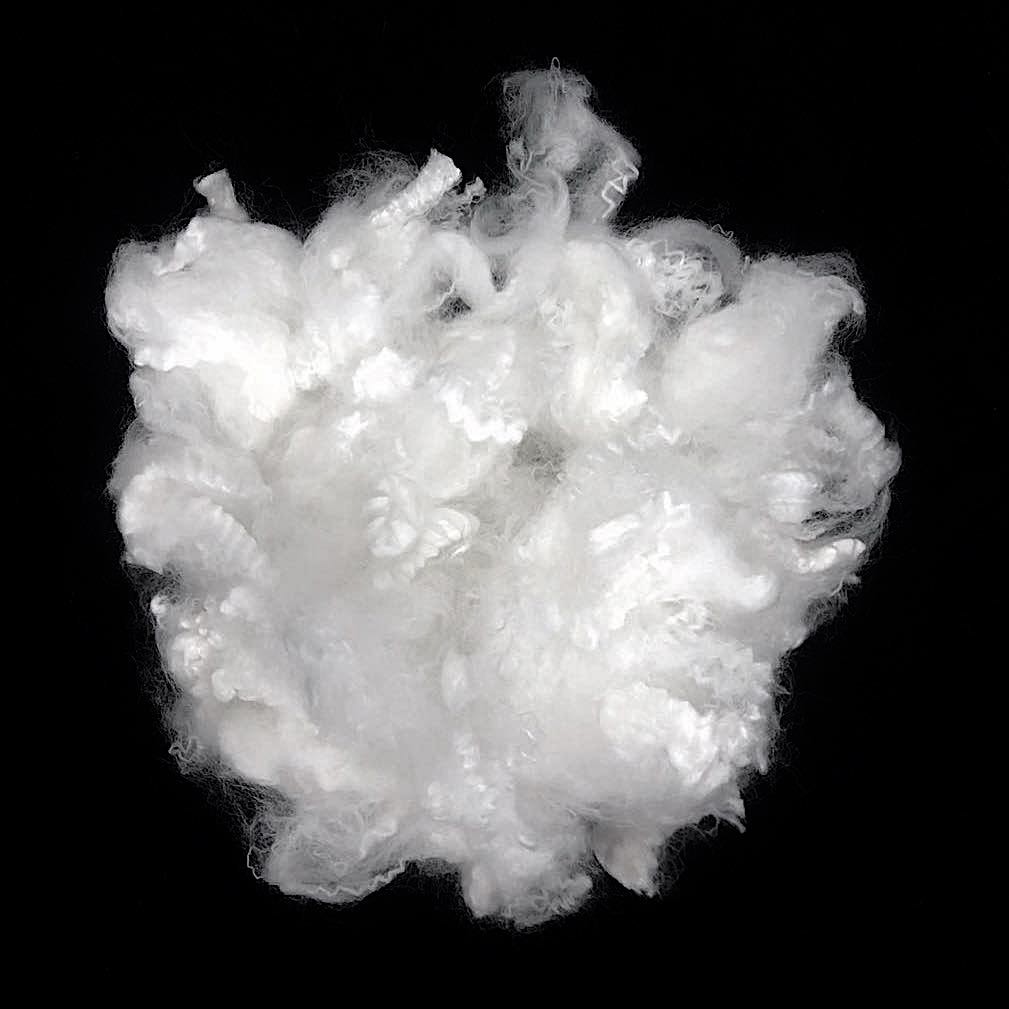
    RPSF or Recycled Polyester Staple Fiber is a result of recycling PET beverage bottles and other plastics. These plastics are gathered and then put through a cleansing and processing stage where they become usable raw materials. These fibers can then be made into a variety of textiles, home accessories, automotive parts, and several other industrial products. The procedure not only aids in decreasing the amount of plastic waste but also contributes to energy and resource conservation.


    The Impacts of RPSF on the Future of Sustainable Fiber


    1. Environmental Benefits

    RPSF’s contribution to the environment is remarkable, particularly in the production of polyester. Unlike traditional processes, RPSF decreases carbon emission output, waste disposal, and water consumption, within the process. Moreover, the RPSF’s fibers made from waste materials supports a circular economy which helps with plastic waste reduction that has heavily impacted the globe.


    1. Versatile and High-Performance

    Clothing and upholstery are just a few examples of what RPSF can be utilized in, it’s also used in carpets, automotive interiors, and non-woven fabrics. In addition, RPSF competes in strength, softness, and durability with virgin polyester. Furthermore, its remarkable long-term durability and exceptional resilience make it highly sought after by industries that are striving for eco-friendly dependable materials.


    1. Cost-effective and Market-Driven

    RPSF is another answer to stranded fibers around the globe as the demand for sustainable goods continues to consistently rise. What is notable is that brands are searching for methods of fulfilling the customers’ needs without causing a spike in production costs. RPSF is a balance between sustainability and economy, highlighting it as a beneficial endorsement for progressive companies.


    Industries Embracing RPSF

    1. Textiles and Apparel

    While being one of the biggest polluters in the global economy, the fashion industry is now making significant strides towards sustainability, in part due to RPSF’s impact. To achieve their sustainability targets and lessen their negative effect on the environment, several apparel companies are now incorporating recycled polyester fibers into their collections.

    1. Home Furnishings

    RPSF is gradually permeating homes around the globe, starting with beds, pillows, and flooring textiles to window valances, all of which benefit from its impact. As a home textile, it offers exceptional environmental and functional benefits owing to its durability and comfort.

    1. Automotive Industry

    RPSF adoption within the automotive industry, in seat covers, insulation, and internal structures, is part of the industry’s effort to lessen the carbon emissions of vehicles. The automotive industry’s acceptance of RPSF clearly illustrates how exceptional reused fibers function in harsh conditions.


    The Growing Demand for Sustainability

    In this contemporary world, people care more about the environment than ever. They seek products that are not only of the best quality but are also produced in a sustainable manner. Companies are able to demonstrate environmental concern as well as appeal to green marketers by using RPSF in their product lines. This also stems from government policies and regulations that intend to cut down on plastic waste and encourage environmentally friendly initiatives.

    Also Read: Rpsf smart fiber a sustainable solution for a better planet

    Conclusion: RPSF is Pioneering a Sustainable Future

    RPSF is the innovation of the future fiber. It tackles not only the dire environmental concerns, non-renewable resource dependency, and the quality needed by the various industries ski, but also offers something new and multifaceted. RPSF remains at the lead when it comes to sustainability in manufacturing as the world transitions to using more environmentally sustainable practices.

    Opting for RPSF goes beyond being environmentally friendly; it’s a choice towards a healthier planet. Both industries and consumers are able to spend less on materials and work towards maintaining a cleaner environment by supporting the use of recycled materials while being able to contribute to lowering the world’s waste and building a sustainable future.

  • RPSF Smart Fiber A Sustainable Solution for a Better Planet

    RPSF Smart Fiber A Sustainable Solution for a Better Planet

    Sustainability is a need in the present world. It is not just a beautiful word to throw around anymore. Every industry is working tirelessly to come up with new ways to reduce its footprint on the environment. One solution that is attracting attention in both the textile and manufacturing industries is RPSF Smart Fiber (recycled polyester staple fiber). This modern material stands out as a very good option for traditional fibers as it helps in ecological balance, and quality is not sacrificed.


    What is RPSF Smart Fiber?

    RPSF or Recycled Polyester Staple Fiber is one of the more eco-friendly forms of fibers that is produced from waste PET (Polyethylene Terephthalate containers) bottles. These used products are now famously known as plastics. Instead of letting these materials rot away in oceans or landfills, they are collected, cleaned, and used in many ways; textiles, automotive components, construction materials, and many more. Not only does RPSF Smart Fiber help in eliminating plastic waste, but it also has less reliance on fossil fuels.


    The Smart Fiber RPSF Advantage

    1. Green Production

    RPSF captures the production of plastic fibers from any recyclable plastic material such as bottles and waste. It possesses an eco-advantage from other methods of production as it consumes less energy and water when compared to the production of virgin sexually externalized fibers. Greenhouse gases that would otherwise be released into the atmosphere are captured and lowered, making it a smart solution for businesses that are looking to be part of the sustainability movement.

    1. Multiple Use TV Shows

    Smart fibers RPSF is incorporated with Clothing, automotive parts, home furnishing, insulation materials, and non washable fabrics. It extends its application and adoption by extending durability beyond the requirements of most manufacturers interested in using eco-friendly materials.

    1. Outstanding Durability and Quality

    Surprisingly, RPSF does not compromise quality for eco-friendliness, durability and endurance. It has excellent tensile strength, resilience, and color fastness. RPSF smart fibers works wonders on textiles and industrial applications, performing exceptionally as virgin sexually externalized fibers.

    1. The Value Fiber Alternative

    For producers, RPSF provides an economic opportunity to shift to, decreasing increasingly dependent on nonrenewable materials, lowering the production cost and satisfying the escalating demand from consumers for a greener solution.


    The Reasons For Sustainability Importance Now More Than Ever

    Everyone suffers from the climate crisis and environmental issues. Consumers care more and more about how their spending impacts the state of the world which is forcing brands and industries to reconsider their material selections. Using RPSF Smart Fiber is not only being responsible but also gaining a competitive edge. Businesses incorporating eco-friendly materials tend to capture the market as environmental leaders which helps in building trust and loyalty among green consumers.


    The Next Five Years In Sustainable Manufacturing

    The same logic applies to the changing attitude toward the RPSF Smart Fiber as it is an integral part of the circular economy system. Rather than depleting available resources, industries have shifted focus to leveraging waste. By transforming plastic waste into high-quality fibers, RPSF helps in pollution reduction and resource conservation. Such innovations mark the beginning of a more environmentally friendly planet.

    Also Read: We are exporting premium white rpsf recycled polyester staple fibre worldwide from india

    Final Words: A Wise Decision Towards A Better Earth

    For both industries and consumers, RPSF Smart Fiber is a sustainable solution. It reduces plastic waste, lowers carbon emissions, and conserves resources while providing exceptional performance and versatility which helps address major environmental problems. As businesses strive to meet their sustainability goals and consumers demand greener alternatives, RPSF is proving to be a game-changer.

    By choosing RPSF Smart Fiber, we take a significant step toward a better planet — one fiber at a time.

  • We Are Exporting Premium White RPSF (Recycled Polyester Staple Fibre) Worldwide from India

    We Are Exporting Premium White RPSF (Recycled Polyester Staple Fibre) Worldwide from India

    One of the products leading the forefront of the green revolution in India as the country transitions to a global powerhouse in sustainable manufacturing is the Recycled Polyester Staple Fibre (RPSF). RPSF has various types but the most renowned globally for its eco-friendly attributes and versatility is the premium white RPSF. Our company takes pride in supplying high-quality white RPSF and in turn contributes to a greener and more sustainable world while enabling different industries.


    What is White RPSF?

    White RPSF “a la forme” is amongst the best, cleanest,& eco-friendly fibers of all. It is created from the finest PET bottles and other plastic waste which are post-consumer and goes through a chain of repurpose processes to obtain the fibers. The purity and brightness, alongside the strength of white RPSF, allow for easier and cleaner manufacturing compared to standard virgin polyester fibers. Moreover, it emits carbon along with landfill waste.


    Reason to Choose India’s Premium White RPSF

    India has emerged as a reliable economic powerhouse as new-age technologies in recycling are being infused with cost-effective pricing of green manufacturing. Noted below are the reasons why the premium white RPSF India offers is the best in its class:

    • Incomparable Economy– The highest guarantees on the tenacity of the RPSF and uniform color along with the least amount of impurities from the latest post-consumer plastic waste fiber is unmatched as it goes through several processes and quality control checks.
    • Eco-Friendly Production – We help reduce pollution, save energy, and aid in the circular economy because repurposed plastic waste helps gain everything good.
    • Cost Effective – It is easy to get premium quality services and costs with us because we have the best pricing in the market.
    • No Compromised Quality – We use high-quality fibers that meet international quality and safety standards to ensure that the global RPSF market demands are met.
    • Dependable Logistics – With our manufacturers, we integrate good logistic services so that we can deliver on time to all areas of the world.


    Industries that benefit from White RPSF.

    Due to extensive usability, white RPSF offers various industries an extremely affordable option, such as:

    • Furnishing and Home Decor: Exceptional for creating bolster, pillows, matrice, upholstery, and even curtains.
    • Textile Industry: For producing fabrics used in garments, home textiles, industrial textiles, and textiles.
    • Automotive Industry: A popular option for car seat padding, door panels, and roof liners.
    • Non-Woven Products – Used in hygiene products, filtration materials, and geotextiles.
    • Packaging Industry – Incorporated into eco-friendly packaging materials.


    Our Export Reach

    We are proud to export premium white RPSF across Europe, North America, the Middle East, Africa, and Asia. The quality of our resources, coupled with timely deliveries and sustainability, has won the trust of international buyers and partners.

    From production to shipment, we ensure consistent, high-quality fiber is delivered to our global clients, which subsequently enhances their end products.


    Sustainability at the Core

    Our mission encompasses more than just exports; we strive to create a sustainable future. Turning plastic waste into valuable white RPSF reduces the need of virgin polyester, consequently reducing fossil fuel usage and carbon emissions. For every ton of RPSF produced, 6000 liters of water is saved and 60 kilograms of plastic waste is prevented from being dumped in landfills or the ocean.


    Why Partner with Us?

    We take pride in delivering unmatched quality, sustainability, and customer satisfaction which makes us the ideal partner as your white RPSF supplier. Here is what makes us different:

    • Advanced Infrastructure – The production and output of our facilities are of the highest quality which allows us to recycle on a greater scale.
    • Tailored Fiber Requirements – Our business stands out because we can customize the fiber specifications to match your prerequisites.
    • Comprehensive Client Services – We assist our customers throughout the entire process from the moment an order is placed to the time it is delivered.
    • Global Contracting – We build long-lasting contracts with global clients so that we can provide them with stability and accountability over time.

    Also Read: Items you never knew were made from recycled PET bottles

    Conclusion

    The innovation with sustainable premium white RPSF is rapidly evolving, and by choosing our high-quality recycled fibers, you can enhance your products while ensuring a greener planet.

    Join us as we strive to change towards a more sustainable future – one fiber at a time!

    If you are looking to source premium white RPSF from India, reach out to us so we can discuss your guidelines and provide exceptional fiber solutions to your designated location regardless of where in the world you are.

  • Items You Never Knew Were Made from Recycled PET Bottles

    Items You Never Knew Were Made from Recycled PET Bottles

    When it comes to single-use plastics, Recycled PET (rPET) bottles are far more than just a sustainable replacement. rPET can be used to produce a mind-boggling range of products and items, from soda and water bottles to decanters of water. Recycled PET (pet) bottles help the fashion and home decor industries work towards an eco-friendly future. Here are some items made with recycled PET bottles you did not expect to see.


    1. Clothing and Textiles

    The most noticeable and sharp change rPET bottles undergo is in the fashion industry, particularly clothing. Recycled PET (rPet) goes through several processing steps to become fabric and is spun into fibers as a result. This creates strong and light fabrics that are incredibly practical.

    • T-shirts and Hoodies: Eco-friendly clothes are manufactured by well-known brands that use rPET.
    • Activewear and Sportswear: rPet fabric’s ability to breathe and its moisture-wicking character make it a perfect fit for performance apparel.
    • Jackets and Outerwear: In most insulated winter jackets, it’s common practice to fill them with carpet fiber. This provides warmth without the use of virgin synthetic materials.


    2. Footwear

    It’s true, your shoes can also be made out of recycled bottles! Unconventional rPet materials are being used by many companies to create more sustainable footwear.

    • Sneakers: Incorporating rPET material into shoe bubbles and soles is a move many brands, Nike and Addidas for an example, have already taken.
    • Slippers and Sandals: Dries rapidly and are very lightweight, rPET sandals are becoming a popular beachwear option.


    3. Bags and Accessories

    It is common nowadays to come across bags made from rPET. These bags are also fashionable, functional, and eco-friendly.

    • Backpacks and Tote Bags: Many everyday bags available in the market today are made from rPET because it is both flexible and durable.
    • Wallets and Purses: The chic and sleek purses and wallets in the market are also being crafted from recycled PET fibers making them more sturdy.
    • Luggage: Several luggage manufacturers have now created whole collections that are crafted exclusively out of rPET.


    4. Home Furnishings and Decor

    Recycled PET furnishings may be integrated into modern homes without people knowing, even making a living space more cozy.

    • Carpets and Rugs: The fabric rPET is used to weave a variety of modern rugs because they are easy to clean, soft, and stain resistant.
    • Cushions and Upholstery: The use of traditional polyester in the filling of cushions, pillows, and even the upholstery of furniture is being replaced by rPET fiber.
    • Curtains and Linens: Recycled PET fabrics have begun to emerge in home decor as curtains and blankets because they are lightweight, easy to wash, and super durable.

    5. Automotive Interiors

    Manufacturers of vehicles have started to adopt the use of rPET in the making of eco-friendly car interiors.

    • Car Seats and Seat Covers: Seat covers made out of recycled PET bottles are now widely used as they are comfortable and durable.
    • Floor Mats and Trunk Liners: The strength and durability of these covers made from recycled PET far exceed that of most materials, making them ideal for use.
    • Door Panels and Dashboard Components: Automotive companies are reducing carbon footprints by incorporating rPET-based components.


    6. Packaging Materials

    Now, rPET is versatile because it not only comes in bottle forms but also in other more sustainable forms.

    • Food Containers: Recycled PET is very suitable for food, plastic takeaway containers, and deli packaging because it is lightweight, durable, and food-safe.
    • Cosmetic Packaging: Skincare and cosmetic brands are now shifting to the use of rPET because of its stylish and eco-friendly designs.
    • Clamshell Packaging: rPET is widely used in retail for electronics and produce, instead of single-use plastic packs because they are now more responsible.


    7. Industrial and Construction Materials

    Recycled PET is an excellent material for construction and industrial applications because of its strength and resiliency.

    • Plastic Lumber: Weather-resistant rPET is also now transformed into durable lumber for decking, fences, and even benches.
    • Insulation: Buildings now have better lightweight insulation because of recycled PET fibers.
    • 3D Printing Filament: The increase of eco-conscious manufacturers gives rise to the use of rPET filaments for 3D printing.


    Also Read: PET chips are one of the most important elements in the reuse and production of plastics

    Conclusion

    Most people still don’t know the range of impact recycled PET bottles have. It goes as far as making apparel, automobile interiors, decor for the home, and so much more. Recycled polyethylene terephthalate is innovating sustainability in many sectors. This is possible by adopting more eco-friendly practices, and by using products made from rPET materials, consumers aid in saving the environment while creating a circular economy – one bottle at a time.

    So next time you shop for clothes, furniture, or even shoes, take a closer look. You might just be surprised at what’s made from recycled PET bottles!

  • PET chips are one of the most important elements in the reuse and production of plastics.

    PET chips are one of the most important elements in the reuse and production of plastics.

    PET chips are some of the most important materials in the circular economy of plastics. Currently, sustainability and eco-consciousness are at the center of industry practices. PET chips are essential in mitigating plastic waste, as they are critical in the reuse and production of plastics. PET chips are some of the highly consumed plastic materials, used in Packaging, automotive, construction, textiles, and other industries. For businesses that want to go green, the fact that these can be recycled endlessly makes them a go-to choice by every enterprise. Industries and consumers must acknowledge how PET chips facilitate sustainability and plastic production.


    What Are PET Chips?

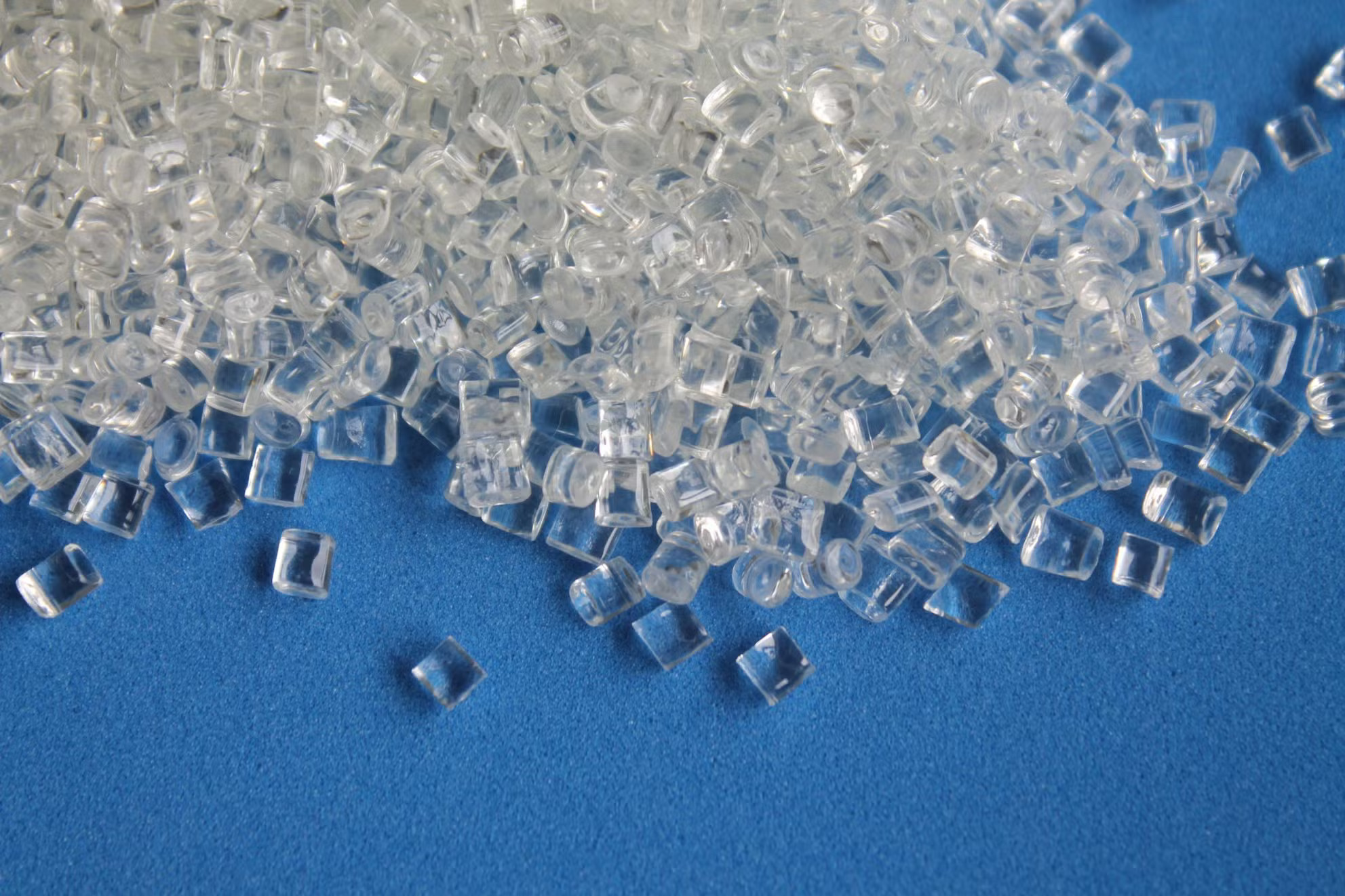
    These chips are created through polymerization using virgin PET or recycled PET (rPET). Their extensive applications in the production of plastic ensures that granulated forms of PET resin will always be in demand. The durability and versatility of these chips makes them one of the most preferred materials for plastic manufacturing.

    Manufacturers select certain types of PET chips to produce the desired results accompanied with the application. The PET chips are divided based on their characteristics like intrinsic viscosity (IV), molecular weight, and transparency.


    Why PET Chips Matter in Plastic Recycling

    PET chips are essential for the recycling of plastics. They assist in converting post-consumer plastic materials into usable resources, which lessens the requirement for new plastic. Some key points are:

    1. Sustainability: The carbon footprint and waste sent to landfills can be lowered by recycling used plastic bottles and containers into PET chips.
    2. Energy Efficiency: The energy costs for creating rPET (recycled PET) are far less than the costs of producing new PET.
    3. Cost-Effectiveness: Manufacturers are able to save on the cost of raw materials by using PET chips created from recycled plastic.
    4. Environmental Impact: The recycling of PET chips aids in reducing the consumption of fossil fuels because plastic bottles and containers are made using PET.
    5. Durability and Reusability: The quality of PET chips remains intact even after going through several recycling processes, making them suitable for a circular economy.


    How PET Chips Are Used in Plastic Production  

    The beverage and food industries are not the only ones that capitalize on the use of PET chips. PET chips enable the creation of an assortment of various plastic materials and items, such as:  

    • Beverage and Food Packaging: Bottles for water, juices, and soft drinks are produced using PET chips through plastic molding as they are more lightweight and tougher than glass.  
    • Medicine: Because of PET chip’s sterile and hygienic properties, they are used in medical packaging.  
    • Textile Industry: Used PET is shredded toiles of fabric and can be made into carpet or urethane polyester clothing fibers using PET chips.  
    • Electronics and Automotive: Plastic molded components for electronics and vehicles made from PET-based plastics are used as covers and interior parts as they are easier to manufacture and lighter than conventional alternatives.  
    • Construction and Industrial Applications: PET chips are cast into sheets, pipes, sleeves and many other durable plastic products and materials, as they are nonabrasive.


    The Recycling Process of PET Chips

    Here’s how the recycling process of PET chips is put into action:

    • Collection: PET containers and bottles are sourced from a variety of individual and commercial users as well as from current waste disposal systems.
    • Sort and Clean: The collected plastic is washed and sorted by color and quality to eliminate contaminants.
    • Shred and Process: The clean plastic is converted into flakes and later liquefied into PET chips.
    • Reform: Recycled PET chips are the starting sustenance for remaking plastic materials which then adds new life to the already utilized materials.
    • Quality Control: The final stage wherein PET chips undergo purity and strength assessments before dispersal.


    The Future of PET Chips in a Sustainable World

    Embracing even more circular economies will make PET chips ubiquitous as more people seek them out to shift their focus toward sustainability. The development of sorting technologies, advanced biodegradation systems, and bio-PET all make these PET-based products more green-friendly.

    Notably, these products benefit from increases in funding subsidies by other waste policies but at the same time rely on these policies to increase demand for recPET which makes industries go around to sustainable solutions. Subsequently, increased awareness around consumption will mean a lot of finished products from rPET.

    Also Read: Revolutionizing Strength in Textiles with Recycled Polyester Staple Fiber

    Conclusion  

    These conclusions suggest that PET chips and other recycled materials play an important role in both the production and reuse of plastics, while also doing their part in the global fight against plastic pollution. Their use in packaging, textiles, automotive, and even healthcare industries demonstrates their relevance towards achieving a sustainable future.  

    Adopting cutting edge technologies and investing in recycling infrastructure will enable companies to take full advantage of the PET chips – wasting no resources in the process. With the development of new technologies and improvement of recycling techniques, PET chips will most definitely sustain the appreciative roles of innovation and environmental conservation.  

    The sustainable production of plastic cannot progress unless PET chips are embraced as a primary raw material.