Category: Blog

Your blog category

  • Revolutionizing Strength in Textiles with Recycled Polyester Staple Fiber (RPSF)

    Revolutionizing Strength in Textiles with Recycled Polyester Staple Fiber (RPSF)

    The industry of textiles is now shifting to a more innovative and sustainable realm. One such innovation is the Recycled Polyester Staple Fiber (RPSF). As global concern for the protection of the environment increases, the need for sustainable and strong materials for textiles has gone up significantly. RPSF is emerging as a new material that offers all the strength and quality of virgin polyester, while also delivering on the sustainability front.


    What is Recycled Polyester Staple Fiber (RPSF)?

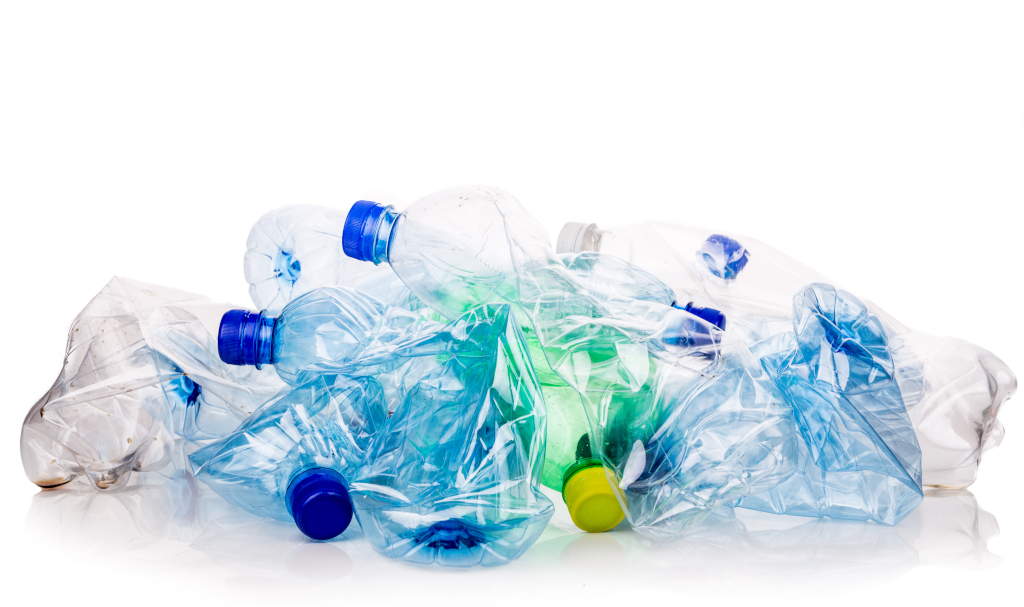
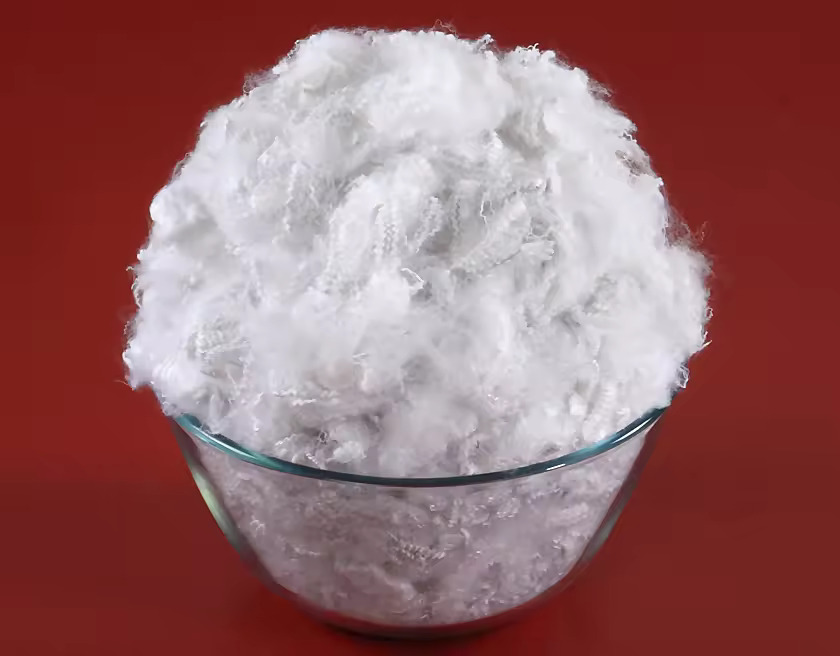
    Recycled Polyester Staple Fiber (RPSF) is a product created with the aid of synthetic fiber from used PET bottles, waste from industrial polyester, and textiles that have been thrown away. RPSF, unlike virgin polyester, has a considerably less harsh impact on the environment, as it is made from post-consumer and post-industrial waste. Polyesters that are newly made are made by using petrochemicals which adds to global warming. This process aids in waste management alongside protecting natural resources.  


    Benefits of RPSF in Textiles  

    1. Superior Strength and Durability  

    RPSF’s high tensile strength gives it several uses in the textile industry. It guarantees durability of fabrics for a long period of time. This makes RPSF an ideal fabric for clothing and construction purposes.

    2. Keeping our Earth Clean and Green

    RPSF is one of the leading sustainable polyester fibers in the world. It single-handedly aids in combating plastic pollution by recycling PET bottles and Polyester waste. By reducing the reliance on raw petroleum based resources, RPSF reduces carbon emissions, saves energy and is an eco-friendly solution for the textile industry.

    3. Economical Solution

    RPSF is cost-effective in comparison to virgin polyester. The middle-sized manufacturers of RPSF fabric are appealing since it lowers their production cost while providing the same quality fabrics, making it likable for both small as well as large-scale producers in the textile industry.

    4. Wide Range of Products

    RPSF has a substantial amount of versatility, which makes it useful in a diverse set of textile products, including but not limited to:

    • Fashion and Apparel: Casuals, Activewear, Sportswear, Jackets
    • Home Furnishing: Beddings, Upholsteries, Carpets, Cushions
    • Automotive Industry: Insulation Materials, Seat Covers, Padding
    • Industrial Use: Safety wear, Geotextiles, Filtration Fabrics


    Manufacturing Steps Involved in RPSF Production:

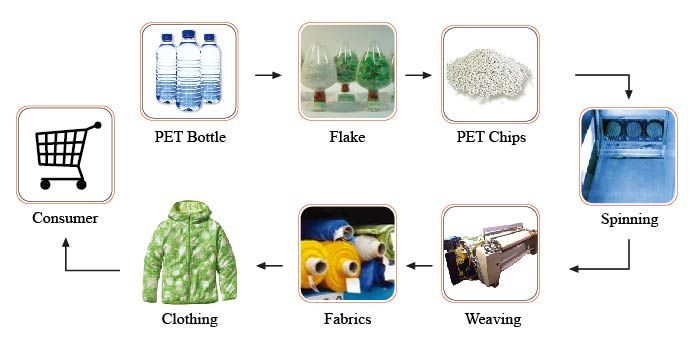
    To achieve maximum quality in production, the manufacturing of RPSF involves a sequential approach:

    1. Collection and Sorting: The PET bottles and cultures from which polyester is derived are fetched and segregated by color and grade.
    2. Cleaning and Shredding: The fetched items are washed and shredded into small pieces of plastic chips.
    3. Melting and Extrusion: The chips are melted into plastic and extruded in the form of thin strands of polyester fibers through the spinneret.
    4. Spinning and Processing: These fibers undergo further processing of crimping and chopping into staple lengths for use in textiles.


    RPSF and The Future Of Sustainable Fabrics

    With the heavy emphasis placed on green options within the realm of textiles, RPSF is poised as one of the leading contributors to the sustainable fabric sector. With the continuous shifts being observed from government agencies as well as brands and consumers towards the use of recycled good materials, the market for RPSF is assumed to grow rapidly. Advances in fiber and fabric-making technology will, in turn, improve the grade and utility of RPSF in the market making it a dominant material.


    RPSF’s Challenges and Opportunities

    Even though RPSF has many upsides, it also has some drawbacks that require attention:  

    • Quality Assurance: The fibers’ recycled quality is based on the quality of its raw materials, therefore there is a need for stringent quality assurance.   
    • Consumer Education: There is a great deal of consumers who do not know about RPSF’s benefits which shows more education and advertisement is needed.  
    • Innovation: More advanced recycling technologies enable the improvement of fiber strength, which increases the scope of its application in various branches of industry.  

    Regardless of the challenges, the benefits of RPSF would suggest that it will provide a promising alternative for a sustainable future.

            Also Read: White pet flakes are the future of sustainable and long lasting Textile Manufacturing

    Conclusion

    Recycled Polyester Staple Fiber (RPSF) is ushering in a shift in the textile sector as it uses RPFS both as a sustainable and economical option to virgin polyester. The increase in demand for greener options will enable RPFS to take a prime position in the global staple fiber industry. Adopting this new material enables and motivates consumers and manufacturers to support a sustainable environment without losing out on quality textile products. RPFS is set to pave the new direction for a sustainable future and is introducing a new concept of sustainability in the textile industry.
  • White PET Flakes Are The Future Of Sustainable And Long-Lasting Textile Manufacturing

    White PET Flakes Are The Future Of Sustainable And Long-Lasting Textile Manufacturing

    The emergence of White PET Flakes is unrivaled as the global textile industry moves toward sustainability. These flakes, which come from the recycling of polyethylene terephthalate (PET) plastic bottles, serve as a crucial feedstock for the eco-friendly polyester fiber manufacturing industry. Industries are shifting towards White PET Flakes for sustainable and robust textile manufacturing solutions due to the increasing concern regarding pollution caused by plastic and its impact on the ecosystem.   

    In this blog, I will discuss how White PET Flakes help in achieving sustainability, how they assist in textile production, and why they represent the shift towards a greener future.   


    What Are White PET Flakes?   

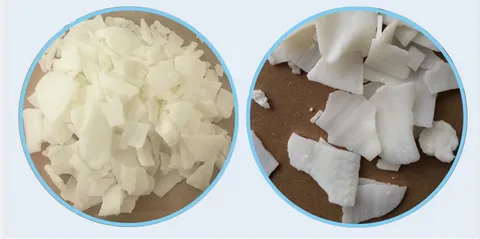
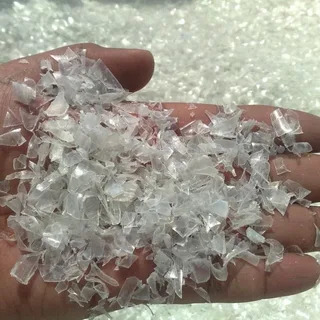
    These White PET Flakes are post-consumer and post-industrial recycled flakes obtained from PET bottles. They are flakes of PET plastic that have been minimally processed. These flakes go through washing, sorting, and recycling processes so that they have the desired purity and quality levels for textile manufacture.


    Key Characteristics of White PET Flakes:

    ✅ Free of undesirable substances, ensuring optimal fiber quality.

    ✅ Perfect for making durable polyester garments.

    ✅ Minimizes disposal of plastic waste and encourages a circular economy.

    ✅ An affordable option when compared to virgin polyester.


    How White PET Flakes are Contributing Towards Sustainable Textile Manufacturing

    1. Lessens Plastic Waste

    Plastic pollution is one of the major environmental issues today. White PET Flakes helps mitigate the problem by recycling waste PET bottles into usable raw materials for the textile industry. This contributes to:

    • Keeping plastic waste from contaminating landfills and oceans.
    • Lowering the need for producing new plastic materials.
    • Advocating for sustainability initiatives across the globe.

    2. Economically Efficient and Low Carbon Output

    The process of recycling PET flakes consumes less energy and natural resources when compared to virgin polyester production. Research indicates that creating polyester out of recycled PET flake consumes:

    • 75% less energy in comparison to manufacturing virgin polyester.
    • Fuel reduction CO₂ emission which assists in lowering global warming.

    3. Improves Fabric Durability and Performance

    Textiles produced from recycled White PET Flakes are lightweight, durable, and strong. Fibers are utilized in a range of products including:

    • Fashion Apparel – Eco-friendly design brands utilize recycled polyester for their sustainable clothing line.
    • Sportswear – Its moisture-wicking and durability features make it ideal for high-quality activewear.
    • Home Textiles – Recycled fibers are used in bedding, curtains, and upholstery which lowers the environmental impact.


    4. Encourages Circular Economy in Fashion

    White PET Flakes are useful in the closed-loop recycling system, and fast fashion has created a large amount of textile waste. Many brands are now marketing:

    ♻️ White PET Flakes clothing – Clothing made from recycled materials.

    ♻️ Clothing return programs – Programs where consumers give back used clothing for recycling.

    ♻️ Reusable clothing programs – Programs that support and promote sustainable consumer behavior.


    Why White PET Flakes Are the Future of Textile Manufacturing

    1️⃣ Increasing Need for Sustainable Textiles – Eco-friendly clothing is becoming a popular demand which compels brands to utilize White PET Flakes as a raw material.

    2️⃣ Government Rules and Policies Over the Environment – A good number of nations are enacting aggressive legislation regarding the management of waste plastic and motivating the use of recycled material in production.

    3️⃣ Economically Viable Option for Raw Polyester – In the current unstable oil market, White PET Flakes serve as an inexpensive substitute as opposed to polyester obtained from crude oil.

    4️⃣ Wholesome Fashion Brands at the Forefront of the Movement – Adidas, Nike, AMERICAN OUTDOOR PRODUCTS Company, and other top brands are purchasing recycled PET textiles which proves that these brands are shifting from traditional materials of clothing to eco-friendly alternatives.

    Also Read: rpsf black fiber manufacturer in india

    Final Words

    The textile sector’s production of polyester fibers is being transformed through the introduction of innovative White PET Flakes that are eco-friendly, long lasting, and flexible. With businesses and consumers shifting towards greener options, the use of White PET Flakes is an emerging necessity across the line, and it is no longer a shift but rather the next movement in eco-friendly fashion as well as textiles reform.

    We all can make a difference by using recycled PET fabrics and in turn cut down on pollution, conserve energy, and foster a sustainable world.

    🔹 Are you prepared to welcome the new age of sustainable textiles?

  • RPSF Black Fiber Manufacturer in India – Best Solution for the Textiles Industry

    RPSF Black Fiber Manufacturer in India – Best Solution for the Textiles Industry

    The textile and fabric industry is shifting towards sustainability and so certain parts of the industry are trying to make strides towards becoming greener. An emerging environmentally friendly option to traditional polyester is Recycled Polyester Staple Fiber (RPSF), which helps minimize the environmental issue of plastic waste without compromising on fabric quality. Out of the many types of RPSF available today, black fiber has the most potential and is the most useful in the garments and textiles industry. This blog is focused on RPSF fiber and its applications, advantages and how it makes a difference in an Indian context so let’s discuss it further.


    What is RPSF Black Fiber?

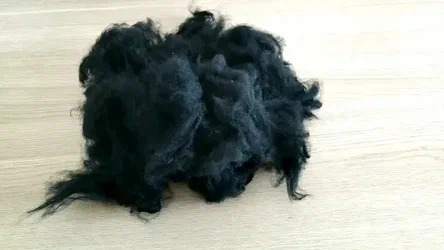
    Recycled Polyester Staple Fiber (RPSF) is the fiber produced from waste PET bottles and other post-consumer PET sources. Black RPSF fiber is a type of fiber with superior recycle quality that is mainly used in textiles and the apparel industry, as well as home textile and industrial markets. Black RPSF fiber is more economical because it does not require dyeing which is costly and adds to environmental damage and pollution.


    Benefits of RPSF Black Fiber

    • Sustainable Development: As a recycled product, the black RPSF fiber ensures a portion of plastic waste is reduced, therefore serving as a green alternative for businesses.
    • The black yarn can function without extra dyeing. Cost Effective: It saves resources and money all while getting the job done.
    • Persistence and Strength: Ensures durable products by preserving the new polyester’s robust features.
    • Vast applicability: Busily manufactured for garments, the automotive industry, cushions, carpets, and other nonwoven materials.
    • Absorbancy and crease resistance: It is well known in the textile industry for creating fabric of excellent quality.


    Application of RPSF black fiber in the textile industry.

    Due to its endless advantages, RPSF black fiber is used in multiple regions and industries throughout the world.

    • Textile and Fashion: Used in the fabrics of garments, home furnishings, and even upholstery.
    • Automobiles: In-car seats, thermal insulation, and sound-absorbing materials.
    • Foam Mattresses and Cushions: As foam backing for better durability.
    • Carpets and Mats: For better feel, strength, and durability of the mats and carpets with no need for dyeing.
    • Nonwoven materials: In medical textiles, filter fabrics, and packing textiles.


    What are the Benefits of choosing an RPSF Black Fiber Manufacturer based in India?

    Among other countries, India stands out for hosting the most sophisticated firms that manufacture recycled polyester fiber because of low-cost availability and its global sustainability niches. Indian manufacturers provide:

    • Proprietary Recycling Methods: Delivering exceptional quality during the recycling processes.
    • Fulfilling Industry Requirements: Customizable fibers that are designed according to the demands of the industry.
    • Reduced Cost: Quality production at affordable prices.
    • Environment-friendly Production: Reduction of carbon dumps and unethical compliance against the international sustainability mark.


    Why Should One Consider RPSF Black Fiber Sustainability Initiatives?

    The issues and policies concerning single-use plastics are a lot to handle and that is where choosing plastic RPSF black fiber comes in handy. Indian industrialists are leading in the efforts to maintain eco-friendly plastic disposal by transforming waste into useful textiles. With the increased demand for RPSF black fiber in India, make sure to properly vet the manufacturer for eco-friendly production and quality standards along with available customization options. It is possible to enhance eco credentials with branded fiber and increase operational goals in the circular economy. There is no doubt that innovation in the fabrics and apparel industry has one of the hardest environmental sustainability challenges, but using recycled polyester fiber is a step forward.

  • How PET Bottles are Processed and Recycled Into PET Flakes

    How PET Bottles are Processed and Recycled Into PET Flakes

    The accumulation of plastic bottles is particularly concerning because of their slow rate of degradation. However recycling plastic bottles into PET flakes significantly mitigates the concerns of plastic pollution as well as conserves natural resources, thereby assisting the economy. This article will detail the processes by which PET is flaked and used as a raw material for another industry.


    Step 1: Collection and Sorting

    The process of recycling plastic begins with collecting used plastic bottles from designated collection depots, which are household and business places. These bottles are then taken to sorting facilities, where they are sorted into different bins according to their color, material type, and transparency. De-labeling and removing other non-PET materials like caps is vital to ensure proper shredding in the second phase of the process.


    Step 2: Cleaning and Shredding

    After sorting, the telescoping heads on the stuffing machine are brought down to a rigged cleaning process that focuses on specialized washing, de-labeling as well as cap removal.

    • Washing – Hot water combined with detergent is used to wash the bottles to help the adhesives and dirt come off.
    • De-labeling – Systems are used to automate the taking off of labels from the bottles.
    • Cap Removal – These processes separate caps that are usually made from polypropylene or polyethylene before further shredding is done.

    After the bottles have been cleaned, they are shredded into flakes which are then used in a variety of industries.


    Step 3: Separation of Impurities

    To get high-quality PET flakes, the shredded plastic has to go through a separation procedure. Some of the methods used are:

    Shredded plastic is carefully placed into a tank. The medium is filled with water and its weight is regulated so that only the PET material sinks to the bottom and all other floating contaminants (such as PP or PE caps) are separated easily by skimming off the top. This technique is known as Floating Separation.

    Lightweight particles like paper and dust are removed using the Air Classification technique, which ensures purity.

    Advanced systems use Metal Detection to eliminate all metallic pieces of minerals and other debris cut into granules.


    Step 4: Hot Washing and Drying

    To cleanse the PET flakes of any remaining glue, oils, or organic residue, they are cleansed using a combination of chemicals and the application of high temperatures. After washing, they are dried thoroughly to eliminate moisture retention that could render them unusable.


    Step 5: Quality Control and Packaging

    The quality of the flake material is put under scrutiny for complete contamination without debris cut to granules, size, color, the presence of any minerals, and other pieces of debris. Only then are the flakes approved for usage. Clean flakes are put through strict quality control testing to pack and supply for modernization and all industries for reuse.


    Uses of Recycled PET Flakes

    The mechanically recycled PET flakes are a useful secondary raw material for a range of applications, as follows:

    • Textiles: Makes polyester fiber for use in garments, carpets, and upholstery.
    • Plastics: Remanufactured into new PET bottles and containers for food.
    • Automobiles: Used in upholstery and other parts of the automobile.
    • 3D Printing: Used in making biodegradable filaments.

    Also Read: RPSF How its positively impacting the textile industry forever

    Conclusion

    Recycling PET bottles into PET flakes is one of the major processes that can be done to lessen the amount of plastic waste generated and increase sustainability. With the understanding and support of the PET recycling processes, both businesses and individuals can be part of a movement to create a greener and cleaner environment.

  • RPSF How It’s Positively Impacting The Textile Industry Forever

    RPSF How It’s Positively Impacting The Textile Industry Forever

    The textile sector is evolving drastically with the introduction of new sustainable materials. One such development that is revolutionizing the industry is Recycled Polyester Staple Fiber (RPSF). With increasing fears regarding environmental sustainability, industries are making efforts to shift towards more eco-friendly alternatives and RPSF is leading this charge.

    RPSF is produced from recycled PET (Polyethylene Terephthalate) bottles and post-consumer polyester waste which sharply reduces landfill as well as carbon emissions. In this analysis, we outline what RPSF is as well as how diesel reshapes the textile industry around the globe.

    What is RPSF in detail?

    Recycled Polyester Staple Fiber (RPSF) is synthetic fabric obtained by recycling plastic bottles and polyester wastes into usable fibers. It is a sustainable alternative material to ordinary polyester and a significant contribution to modern eco-friendly textile manufacturing.

    Key characteristics of RPSF

    • Durability: it has very high tensile strength, making it last long, thus great for the textile industry.
    • Eco-friendly: its production incorporates recycling and therefore prevents pollution.
    • Cost-effective: economical alternative to virgin polyester, thus boosting business for textile manufacturers.
    • Versatile Applications: it is also used in the clothing, home textiles, automotive industries, and others.

    How Does One Undertake The Production of RPSF?

    RPSF production processes are developed to achieve the best outcome in fiber quality without sacrificing the environment.

    1. Theft of PET Waste Collection

    Recycled plastic bottles and polyester waste received from garment manufacturing centers are gathered as the primary input for the manufacturing of RPSF.

    1. Sorting and Cleansing

    Plastic waste is sorted and cleaned to get rid of non-operational parts, followed by washing to remove traces of dirt.

    1. Shredding and Melting

    In the next stage, PET bottles are cleaned and shredded into small flakes before being heated to high levels for melting, thus creating polyester fiber.

    1. Casting and Spinning Into Fiber

    After the polyester has cooled, it is cast and melted further into a formable polymer. The spun staple fiber can subsequently be cut into the desired length and thickness for other processes.

    1. Alteration And Quality Check

    Pulled fibers can undergo additional treatment to make them softer, tougher, or better looking before delivery to garment producers.


    Ways In Which RPSF is Changing The Textile Industry

    1. Supports Environmental Stewardship

    The usage of RPSF saves on the consumption of virgin polyester raw materials which are derived from petroleum. The reuse of plastic waste further facilitates a circular economy while decreasing the carbon footprint of the textile sector.

    1. Eliminates Plastic Bans

    Millions of plastic bottles that would otherwise be abandoned somewhere/end up in landfills or seas are transformed into useful textile materials. This will contribute to better physical and metaphysical regions and solve the major issue of pollution to a great extent.

    1. Reduces Business Costs

    Compared to virgin polyester, RPSF is cheaper. Thus, these savings are felt by the textile producers whose production expenses go down. Since RPSF is cheaper than virgin polyester, it becomes possible to set lower market prices without losing the margins on quality.

    1. The Ultimate Performance Fabric

    For ultra-high-performance positioned clothing items, RPSF is unmatched for providing durability, strength, and moisture management for the maximum range of apparel, industrial textiles, and soft furnishings.

    1. Sustainable Fashion in High Demand by Green Consumers

    There is a new segment of consumers who prefer eco-friendly products. Brands that produce garments using RPSF can differentiate themselves and achieve brand loyalty because the consumers appreciate their sustainability messaging.


    The Impact and the Future of RPSF in the Textile Industry

    With green focus still being a priority, the future of RPSF looks promising. This is attributed to numerous stakeholders who are investing in R&D to enhance the quality of fibers and at the same time, governments are encouraging recycling initiatives for green manufacturing. Helped by continual advancements, RPSF is bound to transform the textile industry for good.


    Final Thoughts

    Recycled Polyester Staple Fiber (RPSF) embodies how the paradigm of the textile industry is changing with the objective of sustainable development through the preservation of the environment and minimizing costs. With eco-friendly materials being the expectation in the industry, the use of RPSF is bound to increase drastically because of their favorable characteristics. The adoption of RPSF by businesses and individuals aids in achieving the goal of a sustainable and eco-friendly planet whilst making great strides in the industry.

  • PET Lumps Everything You Need to Know About Their Uses and Recycling!

    PET Lumps Everything You Need to Know About Their Uses and Recycling!

    PET lumps, also called Polyethylene Terephthalate, are recognized as one of the most employed types of plastic globally. Although PET is well known for being used in bottles and other packaging, it can also be found in other forms such as PET lumps. These lumps are a by-product of the production and recycling of plastics, often resulting from surplus material or flaws in the manufacturing process.

    It is very important to know about PET lumps, their purpose, and recycling methods which are important for different industries trying to curb plastic pollution and waste. This blog focuses on the importance of PET lumps, their industrial uses, and how they can be eco-friendly recycled.


    What Are PET Lumps?

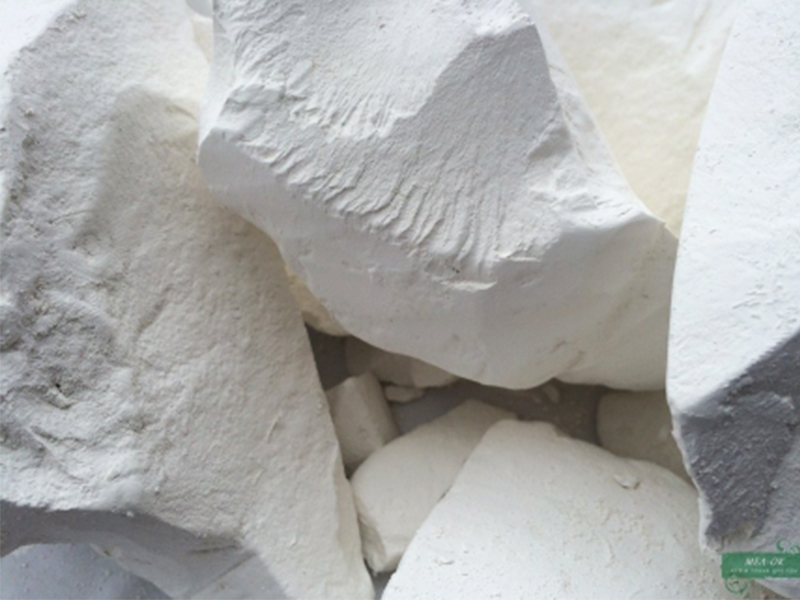
    PET lumps are pieces of plastic that come in simple chunks and get formed through the process of cooling and heating in the manufacturing stage. The size and composition of these chunks depend on the conditions in which they are formed. They usually form during the setting of molten PET, this can be during the production stage when PET gets cooled and sharpened poorly, or during the recycling stage when plants try to break down PET waste.


    Characteristics of PET Lumps

    • High Density: The lumps have high rigidity as a result of their cooling process
    • Varied Shapes and Sizes: Constituents and conditions of production may form lumps that range from large to small.
    • Recyclable: These lumps can also be reevaluated to form new products like other forms of materials made from PET.


    Pet lumps might look like trash, but across different industries, they are pretty useful.  

    1. The First Step Involves Further Processing Into PET Flakes and Pellets  

    From pet lumps, pet flakes can be produced. Pet lumps can also be melted and reshaped into pellets. Recycling products are used to create new pet products and at the same time lower the requirement for fresh plastics.  

    1. The Manufacturing Plant for Plastic Parts  

    Recycled pet lumps are frequently transformed into resistant plastic parts, for instance:  

    – Parts for automobiles,  

    – Plastic surfaces,  

    – Parts for the construction industry,  

    – Different types of containers, and many more.  

    1. Uses in the Textile Industry  

    For making polyester fiber, a recycled pet is used, which is then woven into fabric for clothes, upholstery, and even industrial clothes.  

    1. Extrusion and Injection Molding  

    Injection molding and extrusion processes make it possible to bring recycled pet lumps back to life. Do-it-yourselfers can make a range of items using the new tool, including plastic boxes, trays, and domestic items.


    Recycling PET Lumps

    Recycling lumps of PET plastics play a big role in achieving environmental balance and lowering plastic pollution. The whole recycling procedure consists of specific stages:

    1. Collection And Assignment Sorted

    PET lumps are picked from production companies, plastic processing factories, and recycling units. They are ultimately assigned and sorted by color, type, and level of contamination.

    1. Cleansing And Overkill

    After being sorted, PET lumps undergo a cleansing stage to remove contaminants. They are then shredded into smaller pieces to aid in the melting and reprocessing stage.

    1. Depolymerisation And Repurposing

    The shredded PET was passed through a coolant and changed into a pouch or meal PET flakes. These two forms are essentially raw materials that can be used in the fabrication of a new plastic product.

    1. Quality Verification And Dispatch

    The materials after usage will have to undergo PET quality verification testing for they meet regulations set by the industries. Afterward, the material will be circulated among other industries for further manipulation and refining.


    Advantages of Recycling PET Lumps

    Here is why recycling lumps of PET is advantageous to both the economy and the environment.

    1. Decreases the Quantity of Plastic Waste

    Recycling helps limit the amount of plastic that PET lumps produce because these lumps can be repurposed instead of residing in a landfill.

    1. Decreases the Cost of Manufacturing

    Reusing materials means less new plastic has to be produced, which decreases overall manufacturing expenses.

    1. Helps Sustain Natural Resources

    Ending the use and the need for virgin petroleum-based materials helps industries conserve the natural resources and materials they rely on.

    1. Aids the Circular Economy

    The recycling of lumps of PET helps to ensure the structures that are built using plastic materials are reused instead of thrown away.


    Summary

    Excess lumps of PET are not just an outcome of industrial processes but serve a purpose within the workspace as they can be repurposed. Understanding and developing better recycling techniques offer both companies and consumers the opportunity to strive for a better world. PET recycling serves the economy by creating a sustainable chain while also protecting the environment.

    Developing new technologies to better make use of PET lumps can dramatically affect the world’s struggle with pollution and environmentally friendly production.

  • Recycling & Reusing PET Lumps: Everything You Need to Know

    Recycling & Reusing PET Lumps: Everything You Need to Know

    Due to the increasing necessity for eco-friendly solutions, recycling and reusing PET (polyethylene terephthalate) lumps are important in the plastic market. By reusing and recycling the lumps of PET, which was produced as a waste product during the manufacturing and processing of plastic, we can mitigate waste and environmental harm. This guide will detail what PET lumps are, the importance of recycling them as well as how people and industries can most effectively reuse them.


    What Are PET Lumps?

    PET lumps are solid plastic waste formed during the manufacture, molding, or extrusion processes. They are often produced due to machine stoppages, overflowing, or mistakes within the production process. While they would be regarded as scraps, PET lumps are pieces of a greater whole because they can be remanufactured into plastic materials that can be reused.


    The Importance of Recycling PET Lumps

    There are many ecological and economic advantages to recycling PET lumps.

    • Reduction in Plastic Waste: Proper recycling of PET lumps prevents them from finding their way to landfills and creating pollution.
    • Resource Management: Wastes and materials used in the manufacturing of plastic lumps result in a lower need for newly produced PET plastic.
    • Energy Effectiveness: The amount of energy that goes into using PET lumps energy saves costs compared to making the plastic from scratch, which results in higher emissions costs.
    • Taking Into Consideration Affordability: The bulk of businesses take advantage of recycling PET lumps because it cuts costs and allows them to reintroduce it back into the production cycle.


    Ways of Recycling PET Lumps

    1. Mechanical Recycling

    Mechanical recycling is shredding PET lumps into mechanical flakes, washing them, melting them then remolding them into different plastic products. This process is used widely because it is efficient and cost-effective.


    1. Chemical Recycling

    Chemical Recycling relies on splitting lumps of PET into their most basic units. In this case, the bonds within the polymers are cleaved to produce new monomers which can further be polymerized to make high-grade Polyethylene Terephthalate resin.


    1. Thermal Recycling

    Thermal recycling is a process where lumps of PET are heated under controlled conditions to recuperate energy. While this practice does inhibit waste from accumulating, its downside is increased emissions and energy consumption.


    What Can Be Done With Recycled Pet Lumps

    Some of these products which can result from them are:

    • Textile Fibers: Used to make polyester fabric, carpets, and upholstery.
    • Packaging Materials: Plastic bottles, containers, and packaging films.
    • Construction Materials: Plastic lumber, insulation panels, and other building materials.
    • Automotive Parts: Vehicle interiors, dashboards, and other parts.


    How To Efficiently Recycle PET Lumps And Shredded Plastics.

    For effective reprocessing and recycling of PET lumps, industries should target the following components:

    • Remove Impurities: Ensure that lumps are free of contamination before shredding and recycling.
    • Adopt New Technologies: Employ high-quality shredders, washers, and reprocessors.
    • Allot Specific Plants for PET Recycling: Most of these plants have integrated research and development facilities that allow them to become more efficient and sustainable.
    • Promote Competition Towards Circular Economy: Compete for the best price for shredded PET.

    Also Read: How rpsf contributes to environmental conservation and waste reduction

    Conclusion

    Improper methods like recycling and reusing PET lumps are steps that if not carefully controlled can lead to waste generation and at the same time create pollution. Sustain It is a platform that helps businesses minimize waste and conserve resources to protect the environment. With the improvement of technology, new efficient solutions for recycling PET lumps will be developed. Everything from industry manufacturers, and recycling plant operators to common PET bottle consumers can equally participate in the PET recycling effort greatly helping the world’s sustainability.

  • How RPSF Contributes to Environmental Conservation and Waste Reduction

    How RPSF Contributes to Environmental Conservation and Waste Reduction

    Environmental health and sustainability have become more significant than ever in this modern era. An important step towards achieving this is the Recycled Polyester Staple Fiber (RPSF). RPSF is instrumental in waste minimization, resource preservation, and adopting an environmentally friendly approach. In this post, we will analyze how RPSF helps conserve the environment and minimize waste.


    What is RPSF?

    Recycled Polyester Staple Fibre or RPSF is a designed mechanism that promotes the use and adoption of recycled plastics in many businesses. This framework is focused on eliminating plastic pollution, cutting down the carbon footprint, and creating a circular economy where plastic products do not end up in dumps or incinerators.


    How RPSF Makes a Difference in Environmental Protection

    1. Combating Plastic Contamination

    RPSF contributes to the overwriting of issues by assuring that plastic waste is collected, eyeballed, processed, and reused rather than just dumped in landfills where it is not used or in oceans. This helps keep the environment cleaner, enables cutting down on the adverse impact of plastic waste on wildlife and aids natural sanctuaries. The plastic problem is the main reason for pollution all over the globe as it affects marine life, ecosystems, and the health of humans.


    2. Reducing Global Emissions

    The production of new plastic products uses a significant amount of fossil fuels and energy, and RPSF makes use of it by cutting down new emissions by endorsing plastic fabrication. The use of recycled plastics helps in spending less energy while plastic products are being fabricated. This new method helps lower the carbon footprint and helps in fighting against global warming.


    3. Keeping Important Assets Safe

    Oil, natural gas, and water are some valuable natural sites that get consumed and depleted through plastic production, this helps run and supply demand for new raw materials through RPSF, enabling and giving room for valuable resources to be saved. This strategy helps balance the needs of industries whilst protecting the environment.


    How the RPSF can be implemented in Waste Management Reduction Strategies

    1. Facilitate the Practice of Recycling and Reusing

    RPSF assists in supporting the circular economy by recycling plastic materials instead of throwing them away. This change in plastic waste management mentality also helps sustain the environment through lowered landfill waste.


    2. Manufacturing Should Be Done In An Environmentally Friendly Manner

    Adopting RPSF allows businesses that recycle plastic waste to incorporate it into the plastic that they process during production. This increases the reused materials while reducing the waste that will be created. Such companies working under this framework also assist other organizations in understanding the significance of green business undertakings.


    3. Sustainable Product Design

    Businesses for RPSF focus on developing products that are more recyclable and cause less harm to the environment in the manufacturing processes. This includes increased use of biodegradable materials, reduction in the amount of packaging, and use of recycled materials for constructing new products.


    Effects of RPSF on Shifts in Industries and Consumer Trends

    1. Advantages for Companies
    • Economical by decreasing expenses related to recycling and the procurement of raw materials.
    • Improved adherence to environmental policies.
    • Enhanced reputation as a socially responsible brand due to environmental initiatives.
    • Market competitiveness through an increase in eco-friendly consumers.


    1. Consumer’s Advantage
    • Sustainable goods are now available.
    • Helps in lessening waste through the selection of recycled products.
    • Supporting eco-friendly brands results in a reduced carbon footprint.


    Final Thoughts

    The Recycled Plastic Sustainable Framework (RPSF) serves as an admirable weapon in battling environmental destruction as well as pollution waste. RPSF establishes a cleaner and greener Earth by advocating for recycling, and reducing carbon footprints, while also conserving natural resources.

    The incorporation of RPSF will effortlessly limit waste and work towards environmental preservation as both households and businesses become more conscious of sustainable habits.  

    Every one of us can do our part in making this world a better and more sustainable place through promoting and applying RPSF.

  • Recycling & Turning Post-Consumer PET into High-Value Products

    Recycling & Turning Post-Consumer PET into High-Value Products

    An estimated million tons of plastic waste is generated on a global scale every year with PET (Polyethylene Terephthalate) being one of the most abundant materials in packaging, specifically for beverages. Even though PET is extremely recyclable, a large percentage of such plastics end up in landfills or other areas across the globe, leading to an increase in plastic waste. Nevertheless, businesses such as Rakshitam Ecofibe. are changing the narrative by using post-consumer PET waste for high-value items, thus increasing the chances of sustainability and fostering a circular economy.


    The Increasing Issue of Unsustainable PET Waste

    The use of plastic bottles is one of the leading causes of environmentally derived pandemic globally, which greatly contributes to single use plastic pollution. Even though the world is slowly growing whatever awareness and recycling frameworks are projected, there is still a willful consumption rate that is incredibly high. However, now there is a chance for innovative solutions to tackle the issue. As we speak, novel recycling technologies are empowering businesses to utilize wasted PET and create economically friendly, sustainable solutions.


    How High-Value Products Are Made from Recycled PET Waste

    The Pet Waste Recycling process enables used plastic bottles to be transformed into high-quality products through the following steps:

    1. Collection and Sorting

    PET recycling begins with the collection of used PET bottles from different households, commercial places, or waste collection centers. These bottles are then sorted according to their color, quality, and level of contamination.

    2. Cleaning and Shredding

    The first step in the recycling process of PET waste involves separating the bottles by their color. Then, the separated bottles go through a clean and cut process to get rid of labels, adhesives, and other impurities. The cleaned bottles are then shredded or flaked into raw material for further processing.

    3. Processing into Recycled PET (rPET)

    The PET flakes are melted down and reformed into rPET pellets or fibers. The material can be in an array of industries decreasing the need of new virgin plastic while improving the environmental impacts.


    High-Value Uses of Recycled PET

    As a multipurpose recyclable product, rPET is of great value in several sectors.

    1. Fabric Sector  

    The textile sector is one of the top users of rPET. Recycled PET is made into polyester fibers, which are further used in garments, sportswear, shoes, carpets and even upholstery. This fabric is rPET, and more and more brands across the globe are using these fabrics in a bid to become more environmentally responsible.

    2. Packaging Solutions

    as consumers become more environmentally conscious, recycled PET products are becoming more common in food-grade packaging, such as new PET bottles, trays, and containers. The closed-loop recycling system used allows for the recycling of PET bottles into new bottles. This method lessens the need for virgin plastic and lessens environmental concerns.

    3. Automobile and Building Industry  

    The automobile sector is using more and more rPET in the production of carpets, seat covers, and some insulation materials. In the same manner, the building industry uses rPET to produce composite panels, insulation, and even 3D-printed construction materials.

    4. Retail Products and Fashion Items

    Modern-day brands are now combining style with sustainability by using recycled PET to make bags, shoes, phone covers, and even furniture.


    Understanding The Environmental And Economic Gain Brought by PET Recycling

    The conversion of PET waste into precious resources yields remarkable ecological and financial rewards such as the following:

    Prevents Plastic Waste– Recycling PET averts millions of bottles from being thrown into landfills and the sea.

    Reduces the Ranted Global Warming Potential: The production of recycled PET (rPET) requires less energy than the production of new plastics.

    Supports Circular Economy – The recycling of PET forms a closed-loop cycle which guarantees that materials will be constantly used again and again.

    Employment Growth – The industry of recycling creates jobs in waste collection, processing, and manufacturing.


    Leaders Of The PET Recycling At Rakshitam Ecofiber.

    By being the frontiers of sustainable recycling strategies, Rakshitam Ecofiber has taken a firm stand in both rPET waste and high-quality products. This will lead to the company making great strides towards helping the environment through the use of advanced technology and best practices to support the circular economy. These innovations along with environment-friendly tactics represent a huge step in ensuring that the coming generations will be left with a healthier planet.


    Also Read: Advancing Mechanical Recycling Premium rPET resin Production by Rakshitam

    Conclusion

    The revolution in PET recycling is paving the way for a more sustainable and resource-efficient world. By converting post-consumer PET waste into high-value products, companies like Rakshitam Ecofiber. are proving that plastic can have a second life, reducing waste and promoting responsible consumption. As consumers and businesses embrace recycled materials, we move closer to a cleaner, more sustainable future.

    Want to be a part of the PET recycling revolution? Choose products made from recycled PET and support sustainable initiatives today!

  • Advancing Mechanical Recycling: Premium rPET Resin Production by Rakshitam

    Advancing Mechanical Recycling: Premium rPET Resin Production by Rakshitam

    Multiple research studies show that mechanical recycling has brought a massive revolution in the world of plastic. If we compare the plastic waste produced today with a decade ago, we would observe an alarming trend. Companies like Rakshitam Ecofiber Pvt Ltd are already trying to manage this growing problem with innovative approaches. More specifically, Rakshitam Ecofibers specializes in producing high-grade rPET (recycled polyethylene terephthalate) resin and boasts advanced eco-friendly recycling systems.


    What is rPET Resin?

    rPET resin is produced from post-consumer PET bottles and is specifically designed for high-quality applications. Compared to virgin PET, rPET has many benefits, not just in terms of lower carbon emissions but also in aiding the circular economy. Common uses of rPET include bottles, textiles, packaging, and many other consumer products.


    The Importance of Mechanical Recycling

    Mechanical recycling is the process of breaking down waste plastic into reusable raw materials. It is an eco-friendly solution to plastic waste management and involves the collecting, cleaning, shredding, and reprocessing of plastic waste without changing its chemical bonds.

    This method:

    • Decreases the amount of plastic waste in landfills
    • Reduces the use of virgin plastic
    • Cuts carbon emissions
    • Encourages a circular economy


    Rakshitam Ecofiber Propels Into the Future with rPET Resin Manufacturing.

    At Rakshitam Ecofiber Pvt. Ltd, there is a blend between innovation and sustainability. The company implements rPET resin mechanical recycling technology to allow broad utilization ranges while ensuring consistency on both performance and quality.

    Some of the factors that set Rakshitam apart about rPET resin include:

    1. High Purity & Quality – The company combines advanced techniques with overly stringent internal and external quality assurance measures to eliminate unwanted contaminants which in turn guarantees higher resin quality.
    2. Eco-Friendly Process – Their mechanical recycling process is much less energy and water-intensive than traditional recycling methods.
    3. Versatile Applications – Rakshitam’s rPET resin is ideal for use in industries such as food packaging, textiles, automotive, and even consumer goods.
    4. Cost-Effective & Sustainable – Production using rPET is much cheaper which boosts the economy while boosting the environment.


    Benefits of Using rPET Resin

    As the world becomes more reliant on rPET, industries are experiencing benefits such as:

    • Less reliance on fossil fuels
    • Less pollution of the environment
    • Meeting sustainability standards throughout the global market
    • Achieving brand and regulatory sustainability goals.

    Rakshitam Ecofiber’s Commitment to a Greener Future

    In the field of plastic recycling, Rakshitam Ecofiber Pvt. Ltd. strives towards sustainability through thorough research, innovation, and environmentally friendly production processes. The company is involved in delivering high-quality rPET solutions that meet the requirements of the industry while also ensuring eco standards are met.

    Conclusion

    While rPET resin production is important in the efforts against plastic pollution and resource management, some businesses still find it difficult to adopt sustainable practices. We hope that the lead that Rakshitam Ecofiber Pvt. Ltd. has taken in mechanical recycling will enable the rest of the industries to embrace the need for eco-sensitive rPET alternatives.

    For more information about Rakshitam Ecofiber’s rPET resin solutions, visit Rakshitam.com today!