Category: Blog

Your blog category

  • Exploring the Booming Market Trends of Recycled Polyester Staple Fibre (RPSF)

    Exploring the Booming Market Trends of Recycled Polyester Staple Fibre (RPSF)

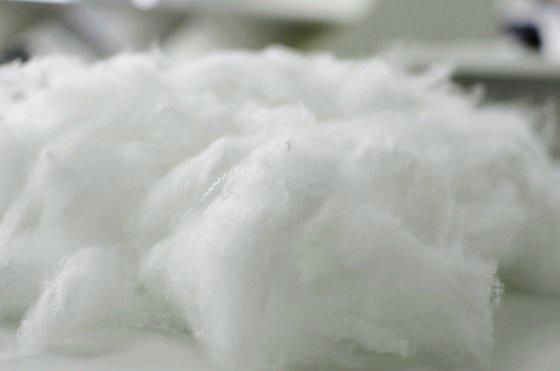
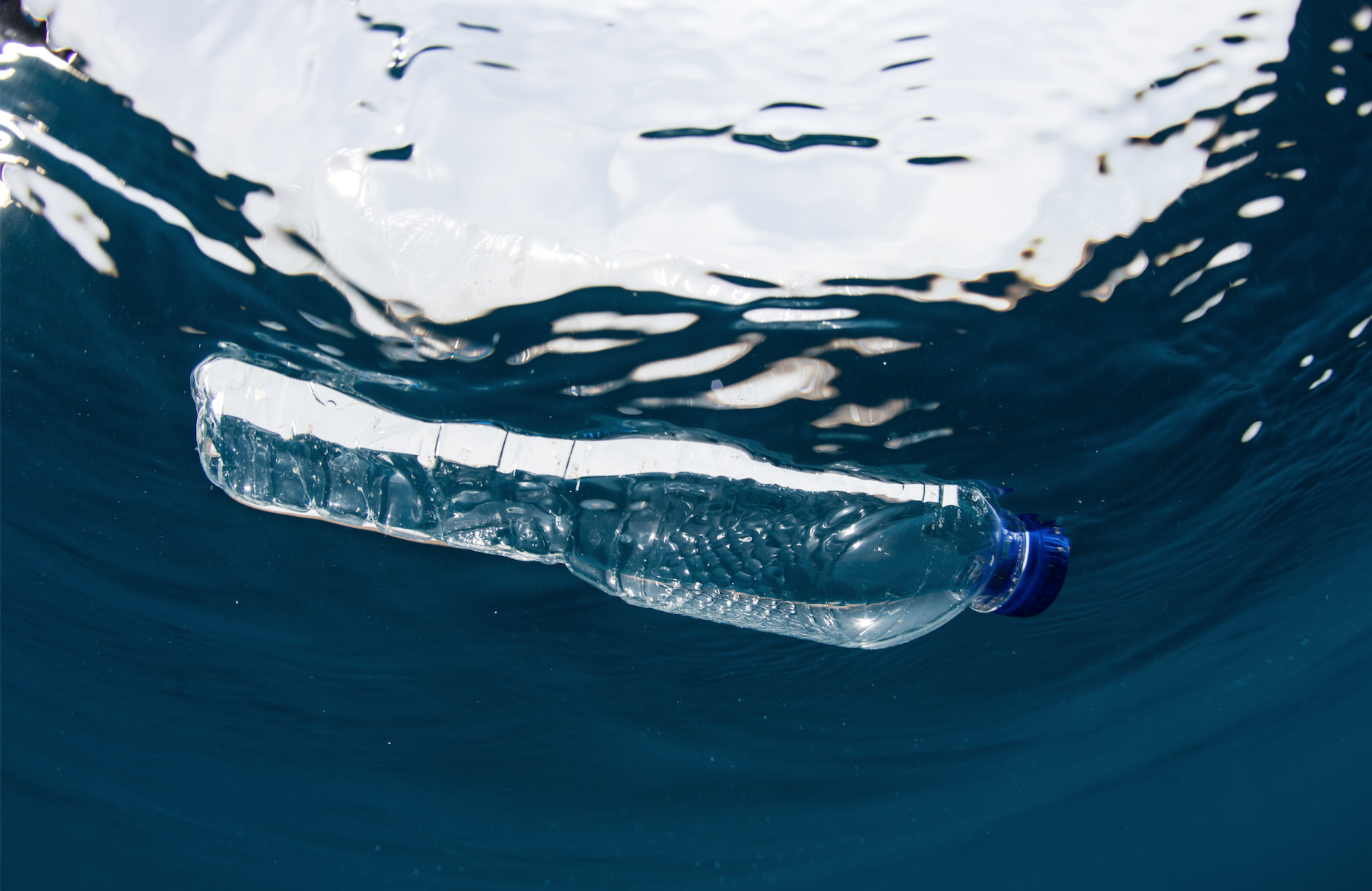
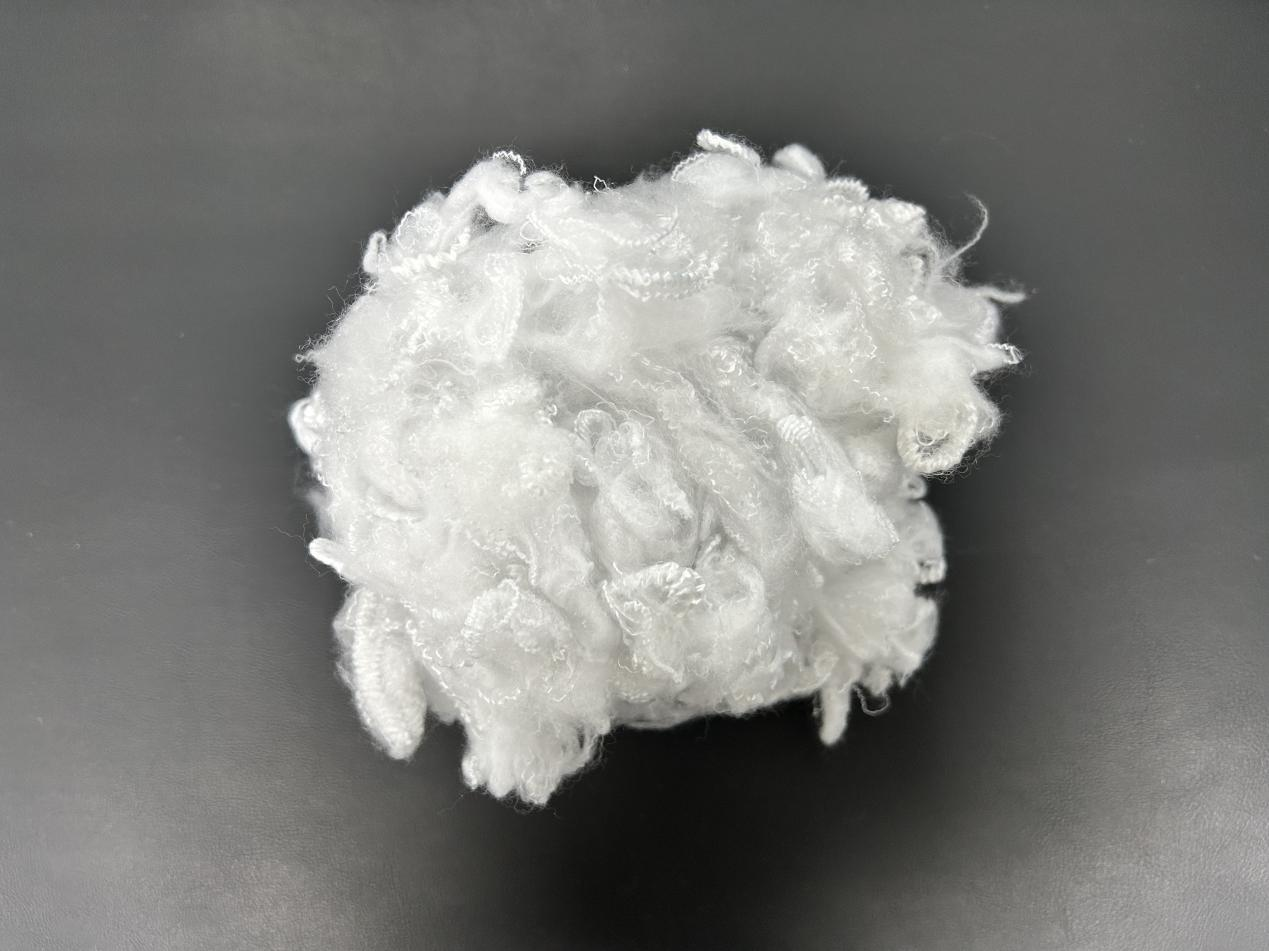
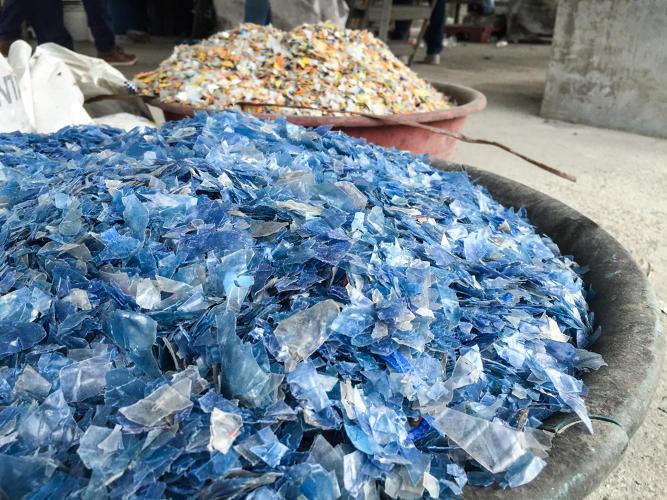
    The requirement of RPSF in global markets is attracting new investments that are further propelled by the worldwide focus towards sustainability, which has led to the idea of this recycling polyester. With regard to that, this industry that uses this eco-friendly alternative will continue to expand while contributing to the overall economy. Therefore, let us examine the trends related to RPSF and its impact on the modern society.


    Paybacks of Sustainable Recycled Polyester Staple Fibre (RPSF) Used Globally

    The benefits of RPSF are multifaceted, making it a preferred choice across industries:

    • Environmental Conservation
    • RPSF production reduces landfill waste by recycling PET bottles and other plastic waste.
    • It reduces greenhouse gas emissions and saves energy compared to virgin polyester production.
    1. Assorted Refers
    • Apart from apparel and rugs, it is also applied in upholstery, structures, and automobiles. Such a range is incredible as it is usually limited to a few items only.
    1. Cost-Effectiveness
    • As RPSF is produced from recycled resources which saves the price of raw materials, the business can save a lot of money.
    1. Improved Performance
    • Due to the increased heat and moisture resistance, RPSF uses it for multiple industrial tasks.


    Economic Assistance by Global Adoption of Recycled Polyester Staple Fibre (RPSF)

    In the first place, using RPSF is not only advantageous to the environment but has economic advantages also as follows:


    • Job Creation
      • Every recycling and manufacturing activity generates jobs across the world, whether in developed countries or developing countries.
    • Trade Opportunities
      • The nations that embrace RPSF technologies can grow their exports, thereby improving their economy.
    • Reduced Import Dependence
      • Recycled materials come from local sources and thus reduce the dependence on imported materials. 
    • Incentives and Support
      • Countries all over the world have introduced grants and incentives for recycling schemes, which is also a plus for the RPSF market. 

    Swift Growth and Expansion of PET Recycling Business

    New Developments In Direct Spindle PET Recycling Business The business of PET recycling has grown tremendously due to the need for recycling at this hour. Significant developments of this growth are as follows:

    1. Technological Advancements
      • Improvements in the recycling of RPSF materials have improved the process’s efficiency and production characteristics.
    2. Increased Awareness
      • There is a growing consumer trend of using only environmentally friendly products, and this has increased the appetite for RPSF.
    3. Corporate Responsibility
      • Recycled materials are now more commonplace in business supply chains as companies try to win customers who value green businesses.
    4. Global Regulations
      • Stringent environmental policies and bans on single-use plastics have fueled the need for PET recycling and RPSF production.


    About Rakshitam Ecofiber

    Founded on the vision of ensuring a plastic-free environment, Rakshitam Ecofiber is a firm dedicated to full-scale re-purposing of plastic waste. In contributing to this effort, Rakshitam Ecofiber considerably decreases the adverse effects of plastic waste by recycling plastic bottles into polyester staple fibre and converting them into threads used for production.

    • Sustainability Focus
      • Rakshitam In its operations, Rakshitam Ecofiber minimizes the use of harmful chemicals such as heavy metals which is compliant with its goal to reduce waste during the entire supply chain.
    • Quality Assurance
      • Various sectors of the economy utilize their products because their advanced technology enables them to produce RPSF that is internationally compliant.
    • Community Impact
      • With Rakshitam Ecofiber working alongside local waste collection and local communities, it can promote infrastructural and economic growth.


    Key Takeaways

    • Growing Demand: RPSF is seeing more demand than ever on a global scale, thanks to the need for sustainability and the change in consumer behaviour.
    • Economic and Environmental Benefits: RPSF is a suitable replacement due to its environmental benefits and its ability to create more bubbles in the economy by creating more jobs and being traded.
    • Innovation in Recycling: Better PET recycling processes can improve the means of making RPSF.
    • Pioneering Efforts: Rakshitam Ecofiber and other firms are key players in the push for the sustainable agenda and producing RPSF products.

    Conclusion

    Recycled Polyester Staple Fibre (RPSF) is not only a product but rather a vision for a sustainable and affordable future. It is time for industries and consumers to actively engage in exploiting RPSF and work towards the cause of saving the planet. The booming market trends indicate a bright future for RPSF and represent a cornerstone for the sustainable revolution.
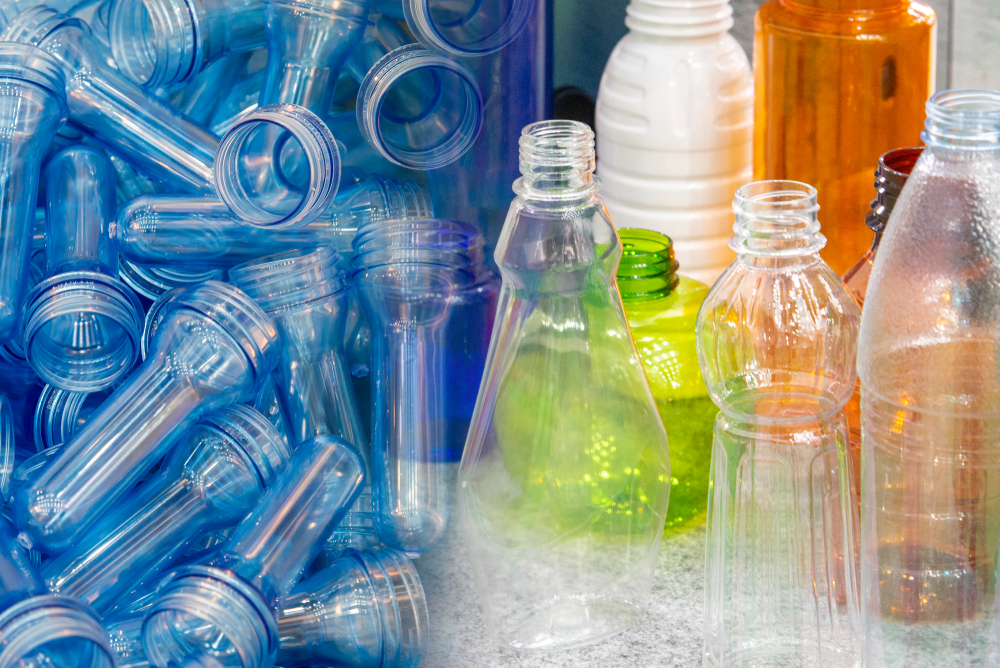
  • The Environmental Benefits of Using rPET Resins in Food Packaging

    The Environmental Benefits of Using rPET Resins in Food Packaging

    The awareness of environmental sustainability over the past years has forced industries to change their practices and move towards greener methods. Among such measures, rPET resins in food packaging is considered one of the significant moves toward the reduction of impact on the environment. rPET, a resin from recycled plastic bottles and containers, offers a number of benefits that are environmentally friendly and also economically sound. This article discusses the environmental impact of rPET resins on food packaging and explores how they can help a greener future.

    Plastic Waste Reduction

    Perhaps the most compelling argument to use rPET resins in food packaging is plastic waste reduction. The earth produces millions of tons of plastic every year, most of which end up in the landfill or in natural ecosystems that pollute them. Manufacturers convert used PET bottles and containers into rPET resins, hence diverting plastic waste away from landfills and oceans. This recycling process minimizes the volume of wastes and reduces the need to produce virgin plastic, eliminating the source of plastic pollution.

    Conservation of Natural Resources

    Although high-volume usage of virgin PET requires enormous reservoirs of crude oil and natural gas, which are very precious depleting resources, its production of rPET-based resins relies on recycling existing plastic waste instead of raw materials, making them unnecessary completely. Further, the consumption of rPET by industries conserves natural resources further. This also saves the pollution caused by the extraction and further processing of the resources.

    Carbon Footprint Reduction

    The production of rPET resins consumes relatively less energy compared to the virgin PET. Studies reveal that rPET can decrease greenhouse gas emissions by as much as 60% in comparison to the virgin PET production. This is through reduction in energy usage in recycling and avoidance of emissions related to the extraction and processing of raw materials. With the adoption of rPET in food packaging, companies can significantly reduce their carbon footprint, aligning with global efforts to combat climate change.

    Support for a Circular Economy

    rPET resins are highly significant in advancing the circular economy, which is a system that places emphasis on reusing and recycling materials to prevent waste from happening. As applied in food packaging, rPET manifests the potential of a close-loop system where materials are continuously recycled and repurposed. In doing so, it not only avoids waste but also creates value by developing industries for recycling as well as encouraging innovation in sustainable package solutions.

    Reduced Virgin Plastics Dependence

    The demand for virgin plastics has been a push factor for plastic pollution and environmental degradation for many years. If virgin PET is replaced by rPET, then the new production of plastics will become less dependent on industries, thus saving resources and countering the environmental impacts in virgin plastic production, such as habitat destruction and water pollution, as well as greenhouse gas emissions.

    Consumer Awareness

    This would, in turn, communicate a strong message to the consumers about the importance of recycling and sustainability. Whenever a consumer finds a product packaged in recycled material, they tend to buy brands that take responsibility for the environment. Such awareness would promote increased recycling rates and motivate people to choose the environment-friendly options that could be further carried beyond the packaging.

    Food Safety

    Although the environmental benefits are extremely crucial, food packaging materials should not pose a health hazard to human consumption. rPET resins undergo extreme cleaning and processing so as to be free of stringent regulations in terms of food-grade packaging. Modern technologies ensure that the recyclable material is contamination-free and, thus safe for the storage of food and beverages. With dual benefits such as environmental sustainability and food safety, rPET has been chosen for the ideal option of green packaging solutions.

    Innovation in Recycling

    Increasing demand for rPET resins has stimulated new innovations in recycling technologies. Improved sorting techniques, new cleaning processes, and enhancements in the lines enhance not only the efficiency but the quality of recycled materials too. All this contributes both to the development of the packaging industry and to the overall infrastructure of recycling and the ease with which it will eventually be possible to recycle other types of plastics and other materials.

    Economic activities boom

    The use of rPET in food packages goes to support the industry, hence creating employment in a nation and boosting economies as a whole. Where people need more recycled items, so do they necessitate proper collection, sorting and processing mechanisms. This results in the stronger recycling industry but propels a greener economy.

    Conclusion

    Of all the environmental benefits as depicted above, the use of rPET resins for food packaging is true without doubt. rPET is a sustainable alternative to traditional packaging materials by reducing plastic waste, conserving resources, lowering carbon emissions, and supporting a circular economy. It also ensures food safety while raising consumer awareness, making it a versatile and practical solution. It means we move closer to the more sustainable future where material is valued, resources conserved, and the earth preserved for generations to come. And as industries and consumers embrace the shift toward rPET, we look forward to a brighter tomorrow.

  • Are PET Bottles Safe for All Types of Drinks?

    Are PET Bottles Safe for All Types of Drinks?

    PET is one of the most commonly used packaging materials in the beverage industry. Lightweight, shatterproof, and recyclable, PET bottles are used for water, soda, juices, and even alcoholic beverages. Questions regarding their safety for various types of drinks often arise, especially with increased consumer awareness about health and sustainability. This article would outline the safety of PET bottles, their use in various drinks, and some of the best practices regarding the use of PET bottles.

    Understanding PET Bottles

    PET is one of the most common plastics used in packaging. It is tough, transparent, and shatter-resistant. The chemical inertness of PET allows it to hold carbonated and non-carbonated beverages. PET bottles are also approved by health authorities for food and beverage applications. Examples include the U.S. Food and Drug Administration (FDA), the European Food Safety Authority (EFSA), and others around the world.

    Safety of PET Bottles

    1. Approved by Health Authorities

    PET bottles are put through comprehensive testing before they are approved for usage. Regulatory agencies make sure that PET does not leach into the beverages it holds hazardous chemicals under normal conditions of usage. Studies have been conclusive in showing that PET bottles are nontoxic and do not pose a danger to human health when used properly.

    2. Harmless to Chemicals

    One common misconception is that PET bottles contain Bisphenol A (BPA), a chemical found in some plastics that has raised health concerns. PET is completely BPA-free. Additionally, PET bottles do not contain phthalates, another group of chemicals often associated with plastics.

    3. Resistant to Contamination

    PET’s impermeable surface prevents bacteria and other contaminants from penetrating the material, making it safe for storing beverages over extended periods.

    Suitability for Different Types of Drinks

    PET bottles are safe for most beverages, but the performance and life vary with the type of drink being stored.

    1. Water and Non-Carbonated Beverages

    PET bottles are very suitable for water and non-carbonated beverages like iced tea, juice, and sports drinks. Their lightweight nature and durability make them ideal for on-the-go consumption.

    2. Carbonated Drinks

    Other carbonated drinks, such as soda and sparkling water, can be safely packaged in PET bottles because they can withstand the pressure generated by carbonation from inside without affecting the integrity of the bottle.

    3. Liquors

    PET bottles are mainly used for some beverages like beer or premixed cocktails that contain a low content of alcohol. High alcohol drinks have fewer applications since high levels of alcohol may affect the PET structure gradually with time.

    4. Hot Liquids

    PET bottles are not acceptable for hot drinks. At high temperatures, the material can deform and increase chemical leaching. For hot drinks, glass or other thermoplastics specifically developed for such use are preferable.

    5. Acidic Drinks

    High acidity beverages, like citrus juices or some energy drinks, are usually safe in PET bottles. However, the long storage of highly acidic drinks may degrade the material a little bit.

    Factors to Consider for Safe Use

    While PET bottles are safe for most beverages, there are factors to consider to ensure optimal performance:

    Avoid Extreme Temperatures

    Exposing the PET bottles to high heat sources, and direct sunlight for hours could weaken the material with potential trace chemicals release within the beverage.

    One Use versus Reuse

    They are meant to be a single-use product. Many repeats use will cause scratches that turn into cracks, the dirt, and the bacteria chance and, at times, are easy to clean.

    Storage Length

    Long-term storage in PET bottles is usually safe for water and non-carbonated drinks. However, carbonated and acidic drinks should be consumed within the time frame recommended by the manufacturer.

    Proper Recycling

    For environmental sustainability, always recycle PET bottles. Many beverages are now sold in recyclable PET packaging that can be processed into new bottles or other products.

    Environmental Considerations

    PET bottles may be safe for drinks but definitely a problem for the environment. Annually, millions of PET bottles are disposed of irresponsibly, contributing to plastic litter. However, of all plastics, PET is among the most recycled ones; therefore, using recycled PET can dramatically reduce waste and consumption of energy.

    Conclusion

    PET bottles are safe and versatile to use for packaging a wide range of beverages, including water, carbonated drinks, and juices. They are light in weight, durable, and cost-effective, which makes them a preferred choice for manufacturers and consumers alike. However, they should be used responsibly, avoiding exposure to high temperatures and recycling practices to reduce environmental impact.


    Understanding the properties and limitations of PET bottles allows consumers to consume their beverages with confidence, knowing they are using a safe and sustainable product.

  • Why rPET is the Safest and Most Sustainable Choice for Food Packaging in India

    Why rPET is the Safest and Most Sustainable Choice for Food Packaging in India

    In India, the food packaging sector is being turned upside down courtesy of the rise of Recycled Polyethylene Terephthalate (rPET). rPET’s emergence as the darling of food packaging can be attributed to the heightened awareness of sustainability among consumers coupled with strict food safety practices. In this blog, we will delve into the reasons rPET comes out as the best and the most environmentally friendly alternative for food-grade applications in India.

    food grade

    What is rPET?

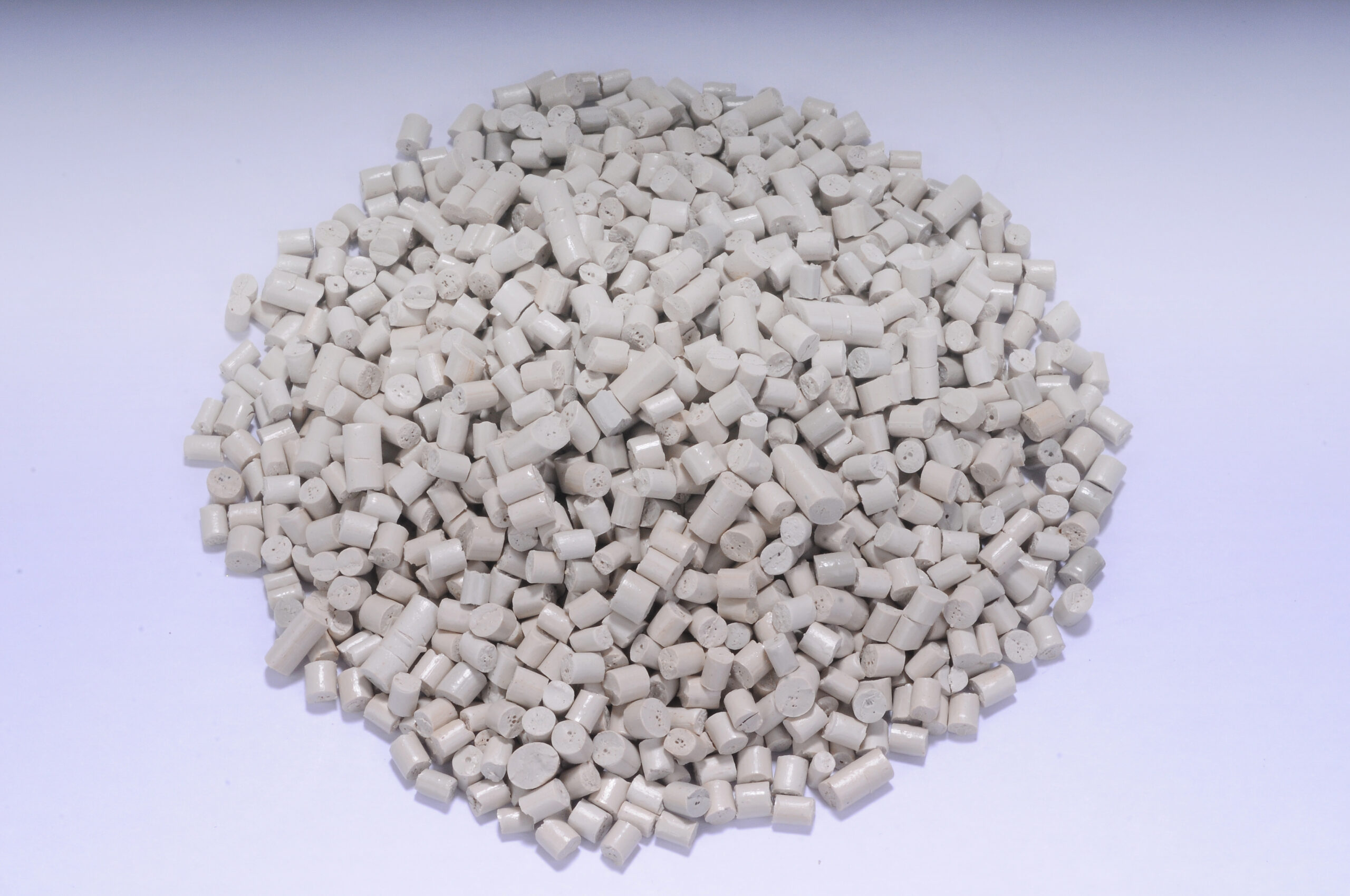
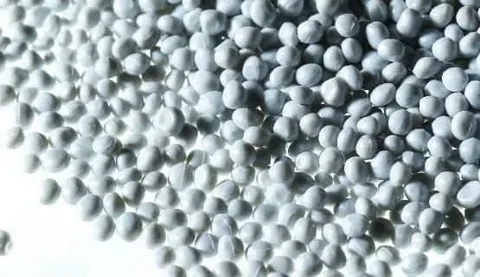
    rPET is obtained from the scraps of PET bottles, food containers, and other such consumer goods. These wastes are sourced, sanitized, and then converted into premium granules or flakes through refinement. This cycle not only enhances the life cycle of PET but also curbs the requirement of manufacturing new plastic from scratch.

    Food Safety Standards and rPET

    1. Regulatory Compliance: Food grade rPET material used in India for packaging has to adhere to certain standards, which could include BIS (Bureau of Indian Standards) and FDA (Food and Drug Administration), certification as provided by the EFSA (European Food Safety Authority). With these certifications, rPET is endorsed for usage in direct contact with food and beverages.

    2. Purity Levels: Thanks to advanced recycling technologies, it is possible to obtain rPET devoid of any contaminants, satisfying the most severe purity levels of food packaging materials. Also, processes like chemical recycling further improve the safety and value of rPET.

    3. Traceability: The manufacturers of the leading rPET products make sure to maintain the traceability of the material at every point in the chain making them trust that it is of food-grade quality.

    Environmental Advantages of rPET

    1. Reduced Carbon Footprint: Consumption of rPET is reported to lessen the amount of Greenhouse gases that are emitted into the atmosphere in comparison with the use of virgin PET. Converting plastic waste so that it is not disposed of in a landfill or ocean, aids in a circular economy.

    2. Energy Efficiency: Compared to the production of virgin plastic, the production of rPET takes up less energy and is therefore more sustainable for industrial use.

    3. Waste Reduction: The use of rPET in food packing helps tackle the serious menace posed by plastic pollution, which resonates with India’s Swachh Bharat Abhiyan and other programs claiming to reduce waste management.

    Advantages for the Food Packaging Sector

    1. Versatile Applications: Since rPET may be produced in the form of bottles, trays, and containers, it can be used for a number of food packages.

    2. High Resistance: rPET obtains the strength, and high resistance of virgin PET making sure the food product does not get rotten in order to keep the food product safe.

    3. Marketing and Advertising: Most competitors prefer to use products that are easily visible and rPET is an excellent substitute as it is non-concealed and clear.

    4. Affordable: rPET can be considered a cheap option since the influx of sustainable materials in the market is high which creates further demand for this specific resource.

    Rising Use of rPET in India

    The application of rPET in the Indian market is shifting upwards as a result of government initiatives and business goals due to the want to be more sustainable. Companies such as Coca-Cola and Pepsi have started rPET packaging lining up with consumer preferences. Also, there are local companies that are installing modern recycling technologies to have higher-grade food rPET.

    Challenges and Innovations

    1. The Collection and Recycling Systems: The complete unorganized structure of collection regarding rPET waste is something that makes it difficult for industries specializing in Indian rPET production to increase their output levels numerous fold. Nonetheless, new and inventive approaches such as the deposit return scheme and public-private partnerships

    2. Technology Upgrades: Advances in recycling technology such as chemical depolymerization are making it possible to achieve near-virgin quality rPET, boosting its safety and usability for food packaging.

    3. Consumer Awareness: Educating consumers about the safety and benefits of rPET can drive its acceptance and adoption, creating a larger market for sustainable packaging solutions

  • Top Products Made from Polyester Staple Fibre You Didn’t Know About

    Top Products Made from Polyester Staple Fibre You Didn’t Know About

    One of the most versatile materials in the textile and manufacturing industries is polyester staple fibre. Once used only for clothing and fabrics, PSF has undergone tremendous evolution and emerged far beyond its conventional uses. Today, this material is a critical component in many ranges of products, and some of these may really surprise you. Now, let’s look at some of the lesser-known products made from polyester staple fiber and see why this material has become so highly sought after.

    Plush Toys

    Plush toys are the most coveted childhood good, and most of these owe their softness and resilience to polyester staple fiber. PSF is mainly used as filling in plush toys because it is light, hypoallergic, and easy to clean. This makes sure that shape will be maintained long after extensive use-why a manufacturer would love it.

    Furniture Upholstery

    Polyester staple fibre mainly plays a significant role in the furniture industry, particularly in upholstery. PSF is used as padding for cushions, sofas, and chairs which are comfortable and rugged. Its resistance to wrinkles, moisture and wear gives a wide application to furniture that needs to maintain appearance and functionality over a long time.

    With this, PSF is often mixed with other material to make the upholstery fabrics attractive and strong enough while at the same time retaining style and durability.

    Mattresses and Pillows

    Materials for comfortable mattresses and pillows must be those that give good loft and support. Most of these are filled with polyester staple fibre. Therefore, PSF is perfect for bedding products due to its anti-microbial properties and resistance to allergens, which makes it ideal for sensitive people.

    Recycled PSF, derived from post-consumer plastic, is also gaining importance in the bedding industry as a sustainable alternative to the traditional materials.

    Automotive Interiors

    Polyester staple fibre has been a surprise in the automotive world. It is used in car seat padding, headrests, and door panels, which help to provide comfort and sound insulation. PSF also plays a major role in car carpets and floor mats, where its strength and moisture resistance are called into play.

    Increasingly, the car interior is made of recycled PSF, because auto makers want to produce eco-friendly cars.

    Geotextiles

    Geotextiles are commercially produced engineering textiles for civil engineering construction applications such as pavement construction, soil erosion, and drainage. Non-woven geotextiles are most widely used with polyester staple fiber based mainly on its tensile strength, flexibility, and durability against environmental factors such as UV and moisture.

    PSF is more viable to use in infrastructure projects due to the fact that it’s more durable and less costly when long-term performance is desired.

    Filters

    The third most infrequent application of polyester staple fiber is in manufacturing filters. Because of finer fibers, it finds use in air and water filters because the particles catch well. From air purifiers to industrial water filters and HVAC systems, PSF manages to ensure proper performance of these appliances by achieving optimum filtration efficiency.

    It is also fit for use in highly demanding environments because of its resistance to chemicals and heat.

    Insulation Material

    PSF is used for the thermal and acoustic insulation of buildings. PSF is an excellent material for the following products: wall panels, roofing, and flooring because it is light in weight and has an insulating property.

    Recycled PSF has gained a great interest in green building projects. It reduces dependency on non-renewable sources and yet provides a sound solution to insulation problems.

    Shopping Bags

    With the momentum on single-use plastics, reusable shopping bags have gained popularity, and most of them are made from polyester staple fibre. PSF-based bags are lightweight, tear-resistant, and durable, which makes them a practical and environment-friendly alternative to plastic bags.

    Most of these bags use recycled PSF, hence promoting sustainability and minimizing plastic waste within the environment.

    Artificial Flowers and Plants

    Among other decoration items, artificial flowers and plants are the most basic for a home and an office. Polyester staple fiber is among the most common materials in the making of artificial flowers and plants. PSF has facilitated the production of very realistic-looking flowers and leaves that are vigorous and easy to clean.

    It is highly flexible, and it holds dye very well, making it an excellent choice for creating vivid and lifelike designs.

    Cleaning Equipment

    Most of cleaning equipment’s like mops, dusters, and microfibers are made from PSF. As far as dust particles or moisture trapping by PSF tight structure makes it one of the best material offering a clean effect.

    PSF microfiber cloths are specifically in demand because they do not scuff and leave no lint on the object being cleaned, which for delicate electronics, glassware, and any delicate surface, is important.

    Polyester staple fibre is one versatile material and is used for applications other than textile. It is found in stuffed toys and mattresses, to automotive interiors and geotextiles, and proved itself to be of great value across industries.

    Its recyclability has further increased its appeal in making it an important player in the shift towards sustainable practices. As innovation continues, so will the product range developed from polyester staple fibre; it will have proven significant in shaping a more sustainable and efficient future.

    Polyester staple fibre is definitely revolutionizing industries in ways that might not be as noticeable-comfortable, durable, and sustainable.

  • Why Recycled Polyester is Transforming the Textile Industry

    Why Recycled Polyester is Transforming the Textile Industry

    One of the world’s largest and most resource-intensive sectors is the textile industry, and it is under pressure to go green. At the helm of this revolution is recycled polyester (rPET), which not only is friendly to the environment but also versatile and economical. With the need to balance economic growth with environmental responsibility, recycled polyester is now an important player in this field. Here’s why recycled polyester is transforming the textile industry.

    Knowing Recycled Polyester

    Recycled polyester is generally referred to as rPET. This fiber comes from post-consumer plastic waste, which can include the PET bottles thrown away by consumers or other types of industrial polyester waste. Through collecting, cleaning, and melting the plastic, one obtains high-quality fibers to weave into fabric. It looks and feels and even feels just as strong as virgin polyester even though it was recycled from something that has been disposed of in a landfill or incinerator.

    Environmental Challenges

    The textile industry has significant environmental challenges, such as high water consumption, greenhouse gas emissions, and waste generation. Recycled polyester has a more sustainable production process.

    Reduce Plastic Waste: Plastic pollution is a global crisis, with billions of PET bottles being thrown away every year. rPET reduces the volume of plastic waste in landfills and oceans by converting this waste into textile fibers.

    Reduce Carbon Footprint: rPET requires much less energy to produce than virgin polyester. This means a reduction in greenhouse gas emissions and is in line with global efforts to combat climate change.

    Saves Natural Resources: Since rPET is produced from existing materials, natural resources are conserved and the new raw material is also preserved.

    Multi-usage Applications

    One of the most compelling reasons for why recycled polyester is finding its space in the textile industry is due to versatility. rPET can be used in a variety of products like clothes, accessories, home textiles, and industrial fabrics.

    Fashion Industry: High fashion houses are using rPET in all types of products such as active wear, casual wear, and haute couture.

    Outdoor Gear: This rPET is very suited for outdoor clothing such as jackets, backpacks, and tents due to water resistance and durability.

    Home Textiles: The recycled polyester is being applied to curtains, upholstery, and carpets to allow people to have an eco-friendly interior design.

    Meeting Consumer Demand for Sustainability

    Presently, the green-conscious consumer demands greater sustainability in purchasing decisions. Such change in the nature of consumers makes green products more desirable, and companies are selecting sustainable materials such as rPET for producing goods.

    Premium products fulfilling the needs and values of the environmentally conscious consumer serve as a perfect answer for rPET in satisfying such consumers. Labels or marks related to recycled material have now become a good marketing tool as they enhance the reputation of brands and contribute to consumer loyalty.

    Circular Fashion Support

    Recycled polyester is one of the pillars of circular fashion, the aim behind which is to achieve an almost closed loop for this industry. In such a structure, materials are continuously used repeatedly over and over again, further reducing waste and maximizing the lifecycle of products.

    An example is recycling polyester garments into new fibers, reducing virgin resource dependence and encouraging sustainable production cycles. As recycling technologies continue to evolve, the vision of a fully circular textile industry draws closer.

     rPET Overcoming Obstacles

    rPET has several advantages but still suffers from challenges with the large-scale use of its application:

    Quality Control: It is hard to ensure the constancy and quality of rPET fibers when working with materials collected from different waste streams.

    Cost: Sometimes, rPET production can be more costly than virgin polyester because it involves complicated recycling processes.

    Scaling: The recycling infrastructures have to be developed, and production capacity has to be scaled up to provide for the increased demand for rPET.

    These industry players have now started to address the said issues through innovation, cooperation, and investment in rPET technologies.

    Trends around the World Promoting rPET Use

    Some of the global trends support increased adoption of rPET: The governments globally are enforcing legislation that eliminates plastic waste generation and enhances recycling. Therefore, it becomes easy to adopt rPET.

    Company Sustainability Targets: Many companies have reported bold targets for sustainability. For example, such companies claim the use of 100% recycled materials in their productions by a certain date.

    Consumer Awareness: Awareness about the environmental impact of textiles has driven demand for sustainable alternatives.

    Future of Recycled Polyester

    In the context of a growingly sustainable textile industry, recycled polyester will continue to be at the forefront of that development. Improvements in recycling technology, including chemical recycling, will further increase the quality and scalability of rPET. Interactions between brands, governments, and NGOs are driving the way toward a more sustainable textile ecosystem.

    The future of recycled polyester lies in its ability to be integrated into a more circular economy, where materials would be reused and waste at minimum. This vision meets the global efforts to help create a more sustainable, resilient textile industry.

    Conclusion

    Recycled polyester is much more than a sustainable material; it is a change in production and consumption by the textile industry. rPET, by addressing environmental challenges, meeting consumer demand, and supporting circular fashion, transforms the industry for the better.

    As brands and manufacturers continue to innovate and focus on sustainability, recycled polyester will shape the future of textiles. The future of the textile industry will be balanced with economic growth and environmental stewardship.

  • Top 5 Common Uses for PET Flakes in Everyday Products

    Top 5 Common Uses for PET Flakes in Everyday Products

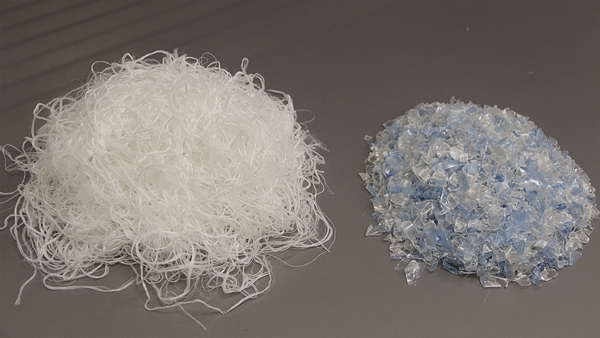
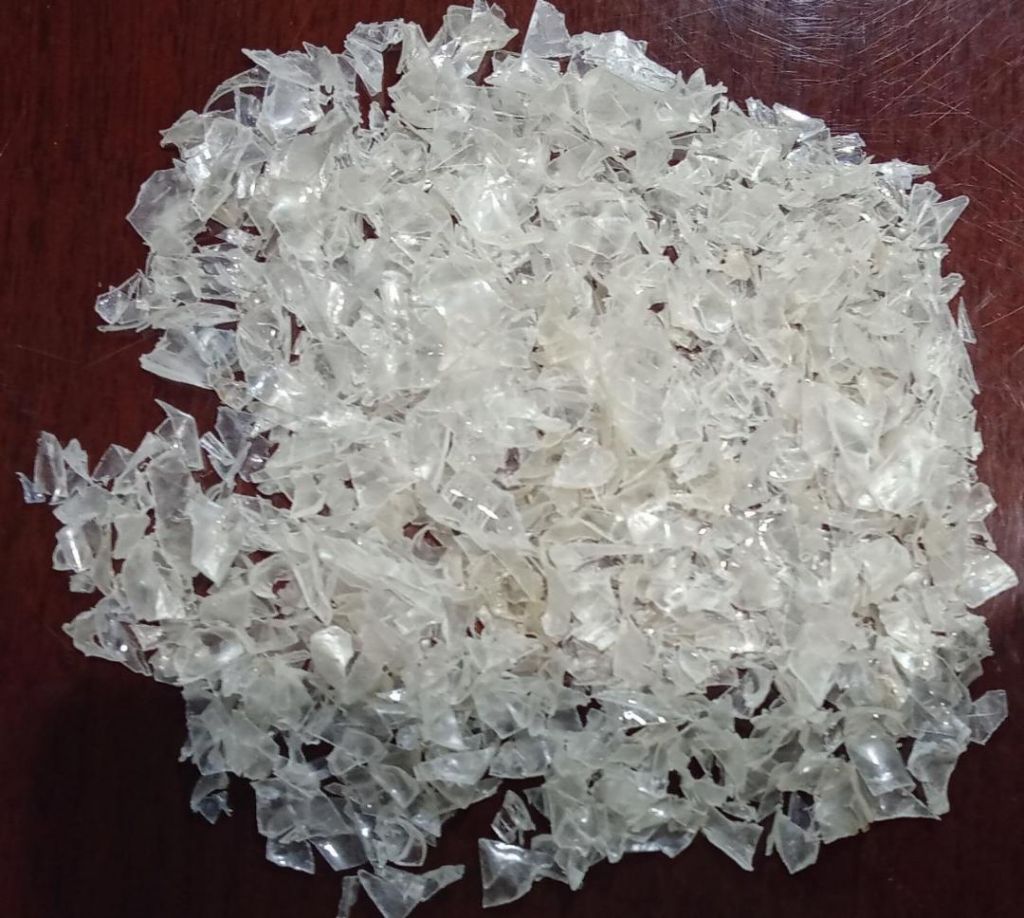
    PET is a versatile plastic, known for its strength and recyclability. In the recycling of PET materials, such as plastic bottles and containers, it is processed into PET flakes, which become a raw material for a range of products. These PET flakes are reducing the burden of plastic waste on the environment while promoting a sustainable, circular economy.

    Some of the most common everyday product applications include the following five for PET flakes:

    1. Textiles and Fabrics

    PET flake is highly in the application for the manufacture of polyester fibers, which finds their majority usage in the textile sector. Polyester fiber can be obtained as many articles including:

    Apparels: Sportswear, casual wear apparels, and outdoor wear garments and so on are all found to contain polyester fiber derived by PET flake through the process of melting.

    Home Furnishings: Carpets, upholstery, curtains, and cushions often consist of polyester that comes from PET flakes.

    Industrial Applications: Polyester fibers are applied in the manufacture of conveyor belts, ropes, among other industrial applications because of its strength and durability.

    The recycling of PET into textiles reduces the dependence on virgin polyester, and the preservation of natural resources thus makes it an environmentally friendly material for fashion and home application.

    2. Food and Beverage Packaging

    New food-grade packaging materials are mainly produced from recycled PET flakes. These include the following products:

    Bottles: PET flakes are reprocessed to produce beverage bottles for water, soft drinks, and juices.

    Containers: Food storage containers, trays, and jars are often produced from recycled PET, providing a sustainable alternative to single-use plastics.

    The food packaging industry highly benefits by the use of PET flakes in the reason that they are lighter and tough. They maintain the safety as well as quality of packed items during its delivery to consumers. All this also aids them to fulfill environmental as well as policy regulations around the globe.

    3. Building Materials

    PET flakes, commonly applied in the building industry by reason of their long-term strength and acting like insulation. They are sometimes employed in:

    Roofing Materials: The PET flakes serve to develop roofing sheets that can be described as lightweight, weather resistance, and enduring.

    Insulation: They also develop thermal materials for insulating buildings for energy efficiency.

    Composite Panels: PET flakes are used in the production of composite panels for walls and ceilings, thus offering a solid and environmentally friendly building material. The construction sector helps reduce the waste and minimizes the environmental impact of the construction processes of buildings through the use of recycled PET.

    4. Car Componentry

    More and more car componentry uses post-consumer recycled PET flake.

    Important application:
    Vehicle seats, vehicle carpets, door trim etc interior cloth material of automobile made with use polyester fiber which was made of PET flake
    Making of insulation materials as well as acoustic of automobiles in that case it also includes Thermal and acoustic. The applications are for automotive interior cloths as composite materials where, PET flake used dashboards as well as structures.
    This also leads to fewer wastes, lighter, and more fuel-efficient vehicles.

    5. Daily Household Use

    The PET flakes are also converted into various household consumer products we use daily, such as:

    Reusable Bags: Many eco-friendly shopping bags are made from PET-based polyester fabrics.

    Furniture: Chairs, tables, and other furniture items incorporate PET flakes for strength and design flexibility.

    Storage Solutions: Organizers, bins, and other storage products from recycled PET are durable and cost-effective. These household products show how PET flakes can be used to make sustainable alternatives to traditional materials for the benefit of consumers and the environment.

    The Sustainability Factor

    PET flakes are very versatile and can be recycled several times without a great loss of quality, so they form a core part of the circular economy. These everyday products, through the incorporation of PET flakes, help industries around the world to reduce their carbon footprint, conserve resources, and promote sustainable practices.

    India, which is increasingly becoming conscious of recycling and environmental care, can easily emerge as a world leader in PET recycling. Applications range from textiles to packaging, from construction to automotive, so it’s pretty evident that PET flakes can play a very important role in the field of sustainability.

    Conclusion

    PET flakes are at the very heart of products that impact almost every aspect of our daily lives. They ensure that what was once rubbish is converted into something valuable, so recycling and responsible consumption become significant. Hence, consumers can contribute toward a clean, green earth with durability and versatility while using recycled PET-based products.

    As industries innovate and expand the applications of PET flakes, the future holds even greater promise for reducing waste and advancing sustainability. Whether in fashion, food packaging, construction, or household items, PET flakes are proving to be a key material for building a more sustainable world.

  • Why rPET is the Safe Choice for Food Packaging in India

    Why rPET is the Safe Choice for Food Packaging in India

    As the environmental awareness in people’s minds and concern rises, the packaging industry of India progresses toward more sustainable products. From them, rPET comes at the forefront, a reliable source that not only is non-harmful but also protects the environment while being safer to handle with food, for its applications in India and what concerns of sustainability and practicality rPET actually helps the consumer to know in details about.

    rPET stands for post-consumer PET-based materials, such as used plastic bottles, containers, collected, cleaned and recycled back into new packaging material that extends the life cycle of the plastics and lessens the production of virgin PET, therefore having an environmental impact.

    India is one of the leading producers and consumers in the world of PET bottles, which makes it extremely promising to exploit rPET for food-grade applications. Because of its strong recycling network and environmentally conscious mind set, rPET has been seen as a sensible solution to food packaging.

    rPET Environmental Advantages Plastic Waste Reduction

    With millions of tons of plastic waste every year, of which a large percentage is made of PET materials, embracing rPET can divert plastic waste from landfills and oceans towards making the environment cleaner and healthier to live in.

    Lower Carbon Footprint

    With its energy consumption being lesser as compared to virgin PET, rPET also consumes fewer greenhouse gases. Therefore, in a country which works actively in order to achieve climate targets, it represents a tangible step for lowering carbon emissions associated with packaging.

    Promotion of the Circular Economy

    rPET is in line with a circular economy because it allows plastic once used to be used one more time. The effort follows India’s increasing thrust to bring forward sustainable development and save on available resources.

    Safety of rPET for Food Packaging

    Food packaging safety is highly crucial, and rPET meets all the global and Indian norms to ensure safety. For the reasons listed below, rPET can be explained as a safe material for food-grade applications:

    Regulatory Standards

    The rPET used for food packaging in India is as per the regulatory standards prescribed by the food safety and standards authority of India, FDA, or EFSA.
    The rPET must not contain any toxic contaminants and hence is safe to be used for direct food contact.

    Next Generation Recycling Technologies

    The production of food-grade rPET involves advanced recycling processes, such as chemical recycling and super-clean technologies, which thoroughly remove impurities and ensure high levels of purity. These technologies make rPET indistinguishable from virgin PET in terms of safety and quality.

    Rigorous Testing Protocols

    rPET is thoroughly tested in terms of chemical composition, durability, and suitability for contact with food. These protocols ensure the material is safe, non-toxic, and complying with all health regulations.

    Practical Benefits of rPET

    In addition to these safety and environmental benefits, rPET offers practical benefits that make it the first choice for food packaging in India:

    Versatility

    rPET can be molded in different shapes and sizes and therefore can be used in packaging a wide variety of food products, such as beverages, ready-to-eat meals, and snacks.

    Cost-Effectiveness

    Although the initial investment in recycling infrastructure is cost-intensive, the long-run cost benefits of using rPET outweigh these costs. The demand for rPET is becoming increasingly affordable for manufacturers, with advancing technology.

    Transparency and Durability

    rPET retains virgin PET clarity, strength, and barrier properties, hence making it excellent for the protection and preservation of food with great appearance.

    Consumer Appeal

    The modern-day consumer is becoming more sensitive to his environmental impact and prefers products with sustainable packaging. With the adoption of rPET, brands will be in tune with consumer values and will hence increase their appeal in the market.

    Challenges and the Way Forward

    Although rPET has many positive aspects, its introduction to India poses several challenges in the way of its smooth implementation in the country. These are:

    Collection and Sorting: Efficient systems for collecting and sorting post-consumer PET materials are important to provide a steady supply of good quality recyclables.
    Awareness and Perception: Educating stakeholders about safety and benefits will help overcome the skepticism present in the people’s minds for the acceptance.
    Investment in Infrastructure: Scaling up recycling facilities and technologies requires tremendous investment and governmental support.
    All these require coordination between the policymakers, stakeholders in the industry, and organizations concerned with the environmental cause. Government policies related to the Plastic Waste Management Rules and Extended Producer Responsibility would boost the usage of rPET in the packaging industry.

    Conclusion

    rPET is the safest, most sustainable, and feasible food packaging option for India. It will reduce plastic waste, decrease the environmental impact, and will meet very stringent safety requirements. This makes it one of the best choices for this country’s growing packaging requirements. rPET adoption by India will take one giant leap towards a circular economy, carbon footprint reduction, and a greener future for generations.

    rPET’s role in shaping the future of the Indian food packaging industry is not a choice for today but an investment in the health of the planet and well-being of future generations. And with increasing demand for sustainable packaging, the importance of rPET continues to grow.

  • Future Trends in the rPET Bottle Industry: What to Watch For

    Future Trends in the rPET Bottle Industry: What to Watch For

    The rPET bottle industry is leading the pack in innovation in the worldwide movement toward sustainability. Increasingly, more people are realizing the importance of environmental conservation and that there is an urgent need to reduce plastic waste, making rPET bottles the beacon of hope for a more sustainable future. Some trends have emerged that will shape the future of this industry.

    This article delves into some of the most important future trends in the rPET bottle industry, outlining what industry people, consumers, and even environmentalists should be looking out for.

    1. Increased Adoption of Circular Economy

    Arguably, one of the most important trends that dictate the rPET bottle industry is the adoption of circular economy. In a circular economy, materials such as plastic are reused, recycled, and repurposed; this way, waste and resources are reduced to a great extent.

    Legislation Driving Demand: Governments across the world are enacting laws to promote usage of recycled material. In fact, the European Union has committed to making 25% rPET a percentage of all plastic bottles as of 2025 and reaching 30% in 2030.

    Corporate Announcements: Major beverage and packaging companies have committed to putting 100% of recycled material in their bottles-a move aligned with both sustainable goals and consumer expectation

    2. Technology for Increasing Recycling Rate

    The rPET industry is witnessing rapid technological developments that enhance the efficiency and quality of recycling processes.

    Advancements in Sorting Technologies: New technologies, such as AI-powered sorting systems, allow for better separation of plastics, reducing contamination and increasing the yield of high-quality rPET.

    Chemical Recycling: Unlike traditional mechanical recycling, chemical recycling breaks down PET into its molecular components, allowing it to be recycled indefinitely without loss of quality. This innovation could revolutionize the production of food-grade rPET.

    Energy-Efficient Processes: New recycling methods are focusing on reducing the energy required, making the process more sustainable and cost-effective.

    3. Expansion of rPET Applications Beyond Bottles

    Though the bottle remains the main target for rPET, the material’s versatility is opening doors to a wider range of applications.

    Textile Industry: rPET is increasingly being used in the production of polyester fabrics for clothing, upholstery, and industrial applications.

    Food Packaging: The use of rPET in food containers and packaging is growing, thanks to advancements in making it safe for direct food contact.

    Automotive and Construction: Lightweight, strong, and sustainable, rPET is finding its applications in car interiors, insulation materials, and more.

    The diversification of rPET applications is building a more robust demand that is driving investment and innovation in the sector.

    4. Consumer Education and Awareness

    Educating consumers about the benefits of rPET and encouraging responsible recycling are critical to the growth of the industry.

    Labeling and Branding: Brands are labeling clearly how the rPET is used in products. That, in turn, brings consumers’ trust while educating people on recycling.

    Campaign for Recycling: The governments along with the companies come up with campaigns to teach consumers to recycle properly in order to ensure good quality of rPET.

    Transparency Initiatives: The fact that one needs to share the environmental effects of rPET vs. virgin PET, makes people realize the worth of the decision they are making in life.

    5. Innovative Bottle Design

    The rPET bottle design for the future is more focused on sustainability and functionality.

    Lightweight Bottles: This lightens the plastic content in bottles, saving money while increasing recyclability.

    Mono-Material Bottles: These use a single material for improved recyclability and less waste.

    Smart Packaging:  Technologies such as QR codes and embedded sensors in rPET bottles can give consumers an idea of the recycling process and even insights into a product’s sustainability journey.

    6. Regional Growth in Emerging Markets

    Emerging markets are slowly catching up with the developed markets, where rPET adoption is spearheaded.

    Asia-Pacific: Countries like India and China are investing significantly in recycling infrastructure, along with growing awareness about plastic pollution.

    Africa: International partnerships are assisting African countries in developing recycling economies and hence opening up the rPET market in underutilized geographies.

    Latin America: Governments in Latin America are encouraging rPET adoption by offering incentives and changing policy measures.
    The growth of rPET adoption in these regions will significantly increase global production and consumption.

    7. Greater Collaboration Along the Value Chain

    Scaling the rPET bottle industry requires collaboration along the value chain.

    Collaboration of Brands and Recyclers: Brands are aligning with recycling companies to obtain continuous high-quality rPET supply.

    Multi-Stakeholder Programmes: The Ellen MacArthur Foundation is mobilizing governments, businesses, and NGOs to transition faster toward a circular economy.

    Innovation Hubs: It represents collaboration platforms that enable players within the industry to pool together their resources and skills and spur innovation in rPET.

    8. Growing Consumers Demand for Sustainability

    Consumer preferences are the largest influencer of the rPET industry.

    Eco-conscious buying habits: Nielsen Report 73% of global consumers consider changing their consumption to make the environment a better place. This creates the need for rPET bottles


    Also Read: How to Incorporate RPSF into Your Textiles | Rakshitam Ecofibre


    Premium pricing for sustainability Many consumers are willing to pay extra for products produced out of recycled material.

    The future of the rPET bottle industry is bright, with advancements in technology, design, and consumer engagement driving its growth. By focusing on sustainability, collaboration, and innovation, the industry is poised to play a critical role in reducing plastic waste and creating a circular economy.

  • How to Incorporate RPSF into Your Textiles

    How to Incorporate RPSF into Your Textiles

    The word ‘sustainability’ in itself is no longer just a trend but rather something absolutely necessary in the world of modern textile and fashion. Designers have long considered RPSF-the versatility in form, eco-friendliness, and compatibility as fitting it perfectly into their line of endeavors and commitment to lowering impacts in the environment. An ideal alternative to virgin polyester and a key to attaining circular economy, RPSF, made from recycled PET bottles.

    This hands-on guide will walk you through the process of implementing RPSF in your textile designs, from the sourcing of materials to its application, all while upholding the integrity of your design.

    Knowing the Basics of RPSF

    Before showing how to apply RPSF into textiles, let’s know first what makes this material special:

    Sustainability: RPSF is sourced from post-consumer plastic bottles, thus eliminating waste and reducing the demand for virgin raw materials.

    Versatility: It can be used alone or blended with other fibers. This offers flexibility for various applications.

    Performance: RPSF retains most of the virgin polyester’s properties, including durability, moisture resistance, and easy dyeability.

    Step 1: Source High-Quality RPSF

    The first step in incorporating RPSF into your textiles is to source high-quality RPSF suppliers. In sourcing RPSF:

    Check Certifications: Ensure that the suppliers are certified under Global Recycled Standard (GRS) to ensure that the material is sustainable and of quality.

    Assess Quality: The fibers should be uniform in thickness, strength, and color compatibility to meet your design requirements.

    Understand Customization Options: Most manufacturers offer RPSF in various deniers, lengths, and finishes to suit specific textile applications.

    Step 2: Mix RPSF with Other Fibers

    Though RPSF can be used independently, it can be blended with cotton, wool, or spandex to add more functionality and aesthetic appeal to your fabrics.

    For Durability: Blend RPSF with cotton for strong yet breathable fabrics ideal for casual wear.

    For Elasticity: Blend with spandex to create stretchable textiles suitable for sportswear and athleisure.

    For Softness: Blend with viscose or bamboo fibers for softer, richer texture in home furnishings or premium fashion apparel.

    Experiment with different blends to achieve the desired balance between performance and aesthetics.

    Step 3: Use RPSF in Design End

    RPSF offers a lot of scope for creative applications in textiles:

    Apparel Design

    RPSF is suited for making garments that are supposed to be durable and comfortable, such as:

    Activewear: Its moisture-wicking properties make it a very good fabric for sportswear.

    Apparel: RPSF is in great demand to be used for lightweight layers such as jackets and coats.

    Ready-to-Wear: Offer fashionable and eco-friendly, casual wear.

    Home Textile

    Recycled polyester staple fiber is widely used to manufacture upholstery, cushions and even curtains. It is strong and hence, the finished products do not shrink and lose their texture.

    Technical Textiles

    The strength with versatility of RPSF makes it a good contender for industrial applications like Automotive Seat Covers and Geotextiles.

    Step 4: Finalize Fabric Production

    When working with RPSF, you will need to make adjustments in your production processes as follows:

    Spinning: The fibers should be spun into yarns that have the correct twist and strength for the type of fabric you are trying to make.

    Weaving/Knitting: RPSF can be easily integrated into the weaving and knitting processes. This gives a good degree of flexibility in the construction of the fabric.

    Dyeing and Finishing: The dye affinity of RPSF (recycled polyester staple fiber) is similar to virgin polyester. This provides bright and lasting colors. Use eco-friendly dyes to make your textiles more sustainable.

    Step 5: Communicate Sustainability to Consumers

    Once you’ve successfully incorporated RPSF into your textiles, it’s crucial to communicate its benefits to your target audience. Consumers today value transparency and sustainability in the products they purchase.

    Labeling: Emphasize the use of RPSF and its environmental advantages on product labels or packaging.

    Marketing: Promote your sustainable approach through social media, blogs, or advertising campaigns.

    Certifications: Display relevant certifications such as GRS to win the trust and confidence of the environmentally conscious customers.

    Step 6: Stay Innovative

    The use of recycled polyester staple fiber in textiles is always changing because of improvement in technology and design techniques. To be ahead of the game and think ahead:

    Collaborate with Suppliers: Work collaboratively with RPSF producers to be abreast with the latest developments.

    Research New Techniques: Be inventive to develop novel patterns and finishes using recycled polyester staple fiber.

    Practice Circular Design Principles : Use recyclability as design element: consider easy disassembly that results in easier reprocessing by enabling it at the End-Life of the product

    Benefits of Using RPSF

    The following are just but few of the benefits provided upon utilization of RPSF.
    Minimization of plastic waste thereby providing enough resources.
    Cost-Effectiveness: The energy and raw materials used are lower than in the traditional production.
    Market Appeal: It meets the growing demand of customers for environmentally friendly products.


    Also Read: How Many Industries can one fibre impact rpsf


    Conclusion

    One way to assume environmental responsibility is integrating recycled polyester staple fiber into fabrics. It allows the designers a good chance of innovativeness as well as giving meaningfulness to the product by understanding the material and having access to high-quality fibers with a lot of versatility in application.

    As the fashion industry becomes more eco-friendly, RPSF (recycled polyester staple fiber) is a great medium for designers who want to inspire the planet in the process of producing top-of-line products.