Category: Blog

Your blog category

  • How Many Industries Can One Fibre Impact? | RPSF

    How Many Industries Can One Fibre Impact? | RPSF

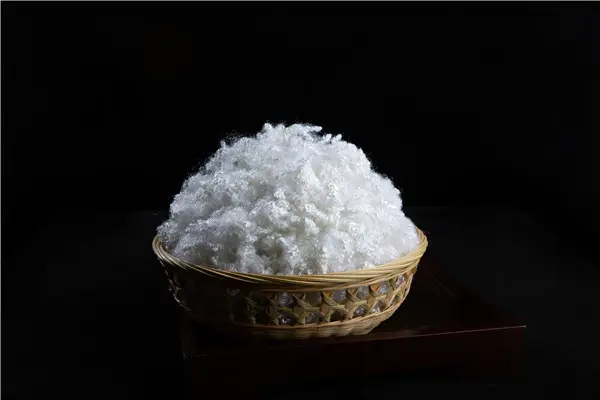
    Recycled Polyester Staple Fibre is more than a “greener” version of traditional fibers-it is an innovation material that changed the course for many industries. Coming from recycled plastic bottles and other post-consumer waste, RPSF integrates two seemingly opposing demands: environmental stewardship with great performance, offering a versatile solution for industries demanding performance, durability, and environmental stewardship. But how many can this single fiber really impact? Let’s take a look.

    The Textile Industry:

    Most affected is the textile sector. RPSF has already applied to building fabrics from clothing to home furnishings and industrial textiles. The beneficial properties include high tensile strength, durability, moisture resistance, and provides a suitable option for fast fashion as well as sustainably apparel brands. Hence, the use of RPSF means further pushing down the dependency on virgin polyester within the textile industry, in line with efforts being carried out to minimize carbon footprints across the world.

    Automotive:

    Although RPSF is used in the auto industry to make seat covers, carpets, and upholstery, its resilience and toughness enable it to be used in applications that experience heavy wear and tear. This is a green solution as the industry continues to focus on sustainability. If used to make vehicles, manufacturers cut down on waste but are still able to produce cars with less negative impacts on the environment.

    Furniture :

    RPSF can be very revolutionary in furniture and home decor. Because it is used in stuffing cushions, mattresses, and sofas, it gives comfort and robustness. Plus, the malleability with other material textures makes it pretty easily used as curtains, carpets, and rugs. Thus, RPSF is quickly becoming a newly preferred choice among the industry of home decor where sustainability has become a challenging factor, offering consumers the eco-friendly choice in their accommodation.

    Building: Strength in Sustainability

    The building industry employs RPSF as a fibre for reinforcement and as insulation. The Concrete and asphalt containing RPSF enhance the strength, reduce cracking propensity, and increase durability. RPSF is also used for soil stabilisation through geotextiles and for facilitating drainage while protecting soil from erosion. This kind of application proves that one fibre can make infrastructures more robust and more environment-friendly.

    Packaging: A Circular Solution

    In the wake of sustainability gaining emphasis within the packaging industry, RPSF stands out as a great material for sustainable packaging. This is applied to non-woven materials used to make a range of packing bags, covers, and other forms of packaging, which enable the effectiveness of a sustainable economy by eliminating virgin plastic dependence.

    Sports and Outdoor Gear: Built to Perform

    RPSF has strength and moisture-wicking properties, making it suitable for sportswear and outdoor products. This fiber ensures durability in jackets, activewear, backpacks, and tents. Its environmental credentials also appeal to the values of eco-conscious adventurers and athletes.

    Agriculture: Growth

    In agriculture, RPSF is applied in the manufacture of non-woven crops covers, weed control mats, and greenhouse linings in efforts aimed at improving agricultural productivity by reducing damage to the environment. This clearly shows how the fiber has a great impact in one of the largest industries in the country.

    Also Read: Future Trends in Recycling What Should India Expect

    The Big Picture: A Fibre of Boundless Possibility

    One of the great versatility aspects of RPSF lies in its ability to undertake the unique demands of various industries and yet support sustainability. From textiles to automotive, agriculture, and construction, RPSF has proved that in one fibre lie revolutions for an industry.

    Large-scale usage is not only something that goes to help the environment, but also brings innovation all around the globe. As companies embrace sustainability as increasingly significant, the role of RPSF will certainly thrive because it shows that this fiber is not just something manufactured-it’s a movement towards a greener future.

    It is in an arena where great strides towards progress and good stewardship of the environment is always being pursued, that RPSF showcases the dynamism on how innovation leads to meaningful change, one fibre at a time.
  • Future Trends in Recycling: What Should India Expect?

    Future Trends in Recycling: What Should India Expect?

    Recycling has emerged as a holistic response to the environmental onslaught spawned by rapid urbanization, industrialization, and population growth. In India, which is experiencing all these factors in an intensity that rivals most other places on earth, recycling represents both a need and a significant opportunity. The future of recycling in India will continue to grow with the awareness of sustainability.

    It discusses trends in the future of recycling and shows what India can expect in the coming years with all the focus on development in technology, policy, and consumer behavior that is forming the industry.


    1. Emphasis on Circular Economy Models

    A circular economy is a system designed to reduce waste and the generation of by-products by reusing, repairing, and recycling materials. Over the next few years, India is expected to be more circular and reduce its dependence on virgin resources as much as possible and also increase the country’s efficiency in managing waste.

    Focus on recyclable product design: The packaging, textiles, and electronics sectors are going to focus more on designing recyclable products. Companies will look for partner recycling facilities that will help in the recovery of materials like plastics and metals and glass. Examples may include reusable packaging systems for FMCGs or modular designs for electronics.


    2. Recycling Technologies

    The innovations that will be seen are significant innovations in the recycling technologies themselves.
    Technological innovation is going to revolutionize the concept of recycling in India.
    Advanced technologies like AI-driven sorting systems, robotics, and chemical recycling are going to make recycling more efficient and cost-effective.


    AI and Machine Learning: The AI and machine learning technology will work to improve waste sorting as it can identify and segregate materials with high precision, hence reducing contamination and increasing the quality of recycled products.

    Chemical recycling: Even though mechanical recycling degrades materials such as plastic into smaller pieces so that they can be recycled as raw material in less quality material, chemical recycling degrades these materials again into their molecular compositions, so the re-use of materials can take place as good-quality raw material. Such technology applied may well speed up the recycling rate of complex or contaminated plastics.

    Blockchain for Transparency: Blockchain will have relevance for tracking each step taken in the recycling process, making waste management systems transparent as well as motivating parties involved to take accountability.


    3. Development of Extended Producer Responsibility (EPR)

    Extended Producer Responsibility is part of the policy approach that makes the producers accountable for the whole lifecycle of their products, including post-consumer waste. EPR-related regulations for plastics and e-waste have already been implemented in India, and strict enforcement of the same will be anticipated going forward.

    Producers will invest highly into better collection systems, recycling infrastructure, and public awareness initiatives to respond to EPR regulations. This is likely to enable companies to design their products sustainably and interact with certified recyclers so the material can be recovered with maximum efficiency.


    4. Growing integration of the informal sector

    The informal waste management sector is important in recycling because many millions of waste pickers collect and sort materials. Future trends indicate more integration of this sector into the formal recycling systems.

    The governments and private companies would invest in training programs, provide protective equipment, and assure the person of hiring a legal contract with waste pickers so as to assure them of fair wages and safe working conditions. This integration would mean that not only does it improve recycling efficiency but also brings social and economic value to vulnerable communities.


    5. Plastic Recycling Innovations

    Plastic waste continues to be one of the largest environmental issues that India is still facing today. Plastics of the future would focus on increasingly more innovative ideas, including the following:

    Bioplastics and Compostable Alternatives: Though recycling will remain on the table, reductions in plastic production itself will come into the picture. Biodegradable plastics and compostable materials begin to be used as alternatives so that the use of the traditional plastics will be reduced.

    High-tech PET Recycling: Already one of the most efficient PET recyclers globally, food-grade rPETs will seal the recycling loop tighter than ever.

    Plastic Roads: The “plastic in roads momentum” is growing and so will the reach of this trend in the states.


    6. Digital Platforms for Waste Management

    Needless to say, the emerging digital solutions will certainly have a significant influence on India’s future of waste collection and recycling. Mobile applications and online platforms will connect households, businesses, and recyclers to streamline the recycling process. For instance, individuals will be able to schedule waste pickups, track recycling rates or claim rewards for recycling by using apps.

    Such platforms would also enable connectivity with trusted recycling partners and monitor progress toward sustainability goals, ensuring a more connected and transparent ecosystem.


    7. Policy for Change

    The Indian government has been actively taking steps to upscale recycling and the effective management of waste. The policies will be implemented more strictly in the near future, and new incentives include:

    Almost certainly, stricter recycling targets for companies would spur innovation and infrastructure investment in recycling. Gains of tax benefits for eco-friendly practice among other eco-friendly practices such as using recycled materials or zero-waste operations would be encouraged.

    Bans on Single-Use Plastics: Bans on single-use plastics are already in existence in certain geographies; strict implementation along with an extension of these bans will continue to decrease the plastic waste.

    8. Behavioral Change Among Consumers

    The success of recycling will be ensured through consumer participation. Rising awareness among people about sustainability will ensure that people begin changing their behavior and treating themselves with care to segregate, use reusable products, and encourage brands that follow recycling procedures.

    Education campaigns by governments, NGOs, and businesses, as the flagship activity toward changing consumer minds and encourage responsible disposal.


    9. Increased Private Sector Participation

    Private companies will have a bigger role in recycling. Some of the expectations from the private sector are investment in infrastructure, innovative recycling initiatives, etc. It is expected to form partnerships between companies, the recycler, and governments that create scalable and effective recycling solutions.


    Conclusion


    Much promising and potential work is still on the horizons of India regarding recycling. With each new development in technology, change in policy, and growing public awareness, the recycling industry is envisioned to be more productive, expansive, and impactful.
    India can work out its waste issue while developing a good source of business and creating a sustainable future.

    From individual citizens to business houses and the government, each of them needs to step through this transformative journey towards sustainability through recycling. India together can redefine waste, transform challenges into opportunities, and set global examples in innovative recycling practices.

  • Redefining Waste: Why Recycled Polyester is the Fiber of the Future

    Redefining Waste: Why Recycled Polyester is the Fiber of the Future

    In a world increasingly concerned with environmental issues and mounting demands for sustainable solutions, comes a new textile player: turned out of trash, recycled polyester-a largely bottle-based fiber that is turning waste into one of the world’s most popular fibers. Amid the textile and fashion industries’ searching for alternatives to send most of their negative environmental impacts into directions, recycled polyester proves to be a route that converts plastic waste into valuable resources.

    Let’s dive right into why recycled polyester is rewriting the fabric of fashion, and why it’s poised to be the fiber of the future.

    The Problem with Traditional Polyester and Plastic Waste

    Polyester, being a synthetic fiber, has received more preference in the textile market concerning durability, affordability, and versatility. However, as polyester from old times is extracted from a nonrenewable source, its production is energy intensive and leads to heavy emission of carbon. Moreover, tiny pieces of plastic called microplastics are released while washing polyester clothing into the sea.

    Meanwhile, plastic waste, especially single-use plastic bottles, has become the new global crisis. Million tons of plastic waste are led to landfills and oceans every year, polluting the ecosystems and threatening marine life. Consequently, the magnitude of waste has pushed innovation into finding solutions that address not only the environmental footprint of fashion but also the plastic waste pandemic.

    Rise of Recycled Polyester

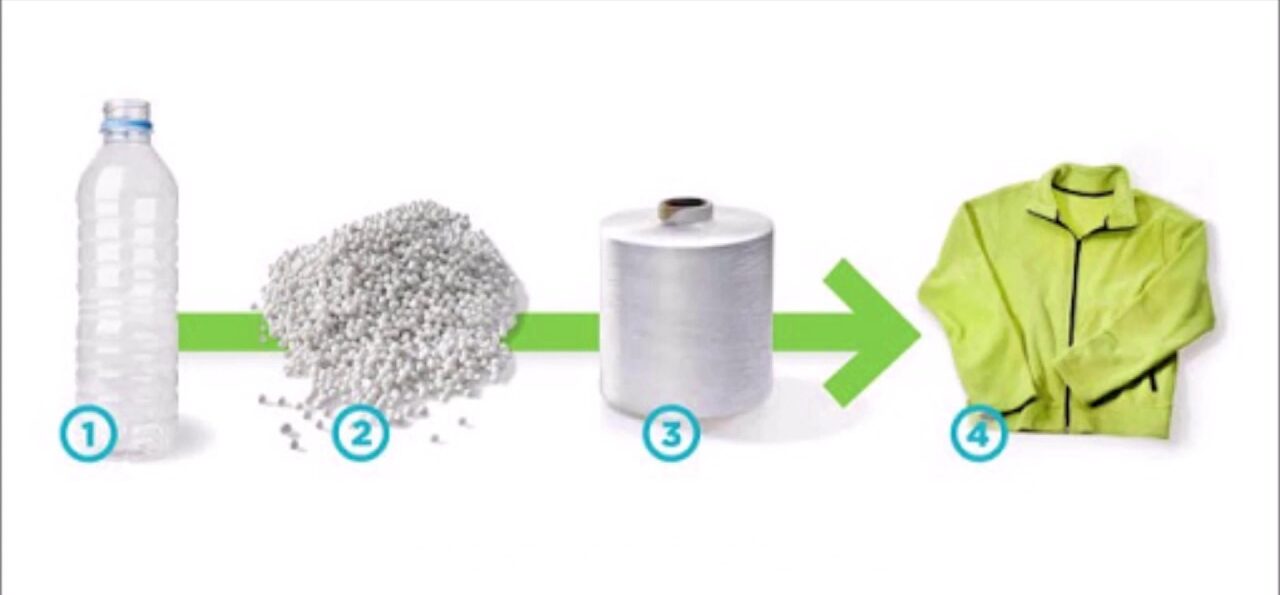
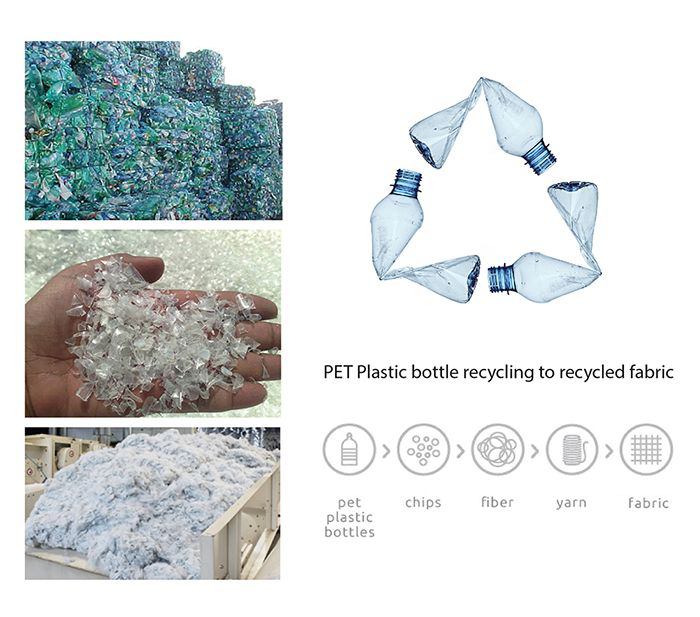
    The second raw material available at Time Apparel is recycled polyester, commonly referred to as rPET, or recycled polyethylene terephthalate. Use of recycled polyester is a better alternative to virgin polyester. This fabric is made when plastic bottles are crushed down and used as polyester fibers. They gather plastic wastes, clean the same, and convert it into small PET flakes, melts them, and spins into yarn. The result is a material that looks and feels just like the old polyester but uses fewer natural resources to create.

    Why Recycled Polyester is the Fiber of the Future

    The use of recycled polyester addresses some of the most pressing environmental concerns while retaining the practical benefits that have made polyester a staple fiber. Here’s why recycled polyester is destined to lead the future of textiles.

    1. Significant Reduction in Carbon Emissions

    Producing recycled polyester is estimated to consume about 59% less energy when compared to virgin polyester manufactured from raw materials. As rPET manufacturing avoids the extraction process of petroleum, carbon emissions are lower and more energy is saved. Moreover, the use of recycled polyester over virgin polyester is said to be able to decrease fossil fuel demand.

    It has been estimated that recycling one ton of PET saves 1.5 tons of carbon, thus rPET is an appropriate choice by the fashion industry to reduce carbon emissions from itself.

    2. Ending plastic waste from a closed loop.

    The extensive criticism of the fashion industry’s usage of plastic-derived fibers in designing clothes is that they contribute to the plastic pollution of the earth. Here, using recycled polyester flips the story upside down by converting plastic waste into something valuable. Once the plastic bottles are given a second life by turning them into recycled polyester, this material insulates potential plastic waste from landfills and oceans while also spurring circularity in the economy-a constant recycling rather than persistent throwing away of waste material.

    This closed-loop approach reduces the environmental burden of plastic waste while giving a constant supply of raw materials for the textile industry. As we recycle more polyester garments, we make a step toward a more circular, sustainable fashion system.

    3. Maintain Durability and Versatility

    The primary advantages of polyester include its durability, which rPET retains. This will give rPET the possibility to be strong enough for sportswear, home textiles, and even outdoor gear. This is important in the creation of products that can resist wear and tear and significantly have a longer life, with fewer replacements.

    Another characteristic that recycled polyester does not lose is the stretchiness of natural polyester. It can be blended with natural fibers such as cotton for soft and cozy materials or processed to impart the qualities of silk or wool. Such flexibility makes it possible for designers to use recycled polyester in a wide variety of products that ensure sustainability without compromising quality or style.

    4. Water Conservation

    The other environmental benefit of recycled polyester is its saving of water consumption. Normal production requires a lot of water for virgin polyester, whereas recycles polyester will need much less. This really makes it very important in the context of increasingly scarce freshwater resources in the world. For brands wanting to preserve water, using rPET instead of virgin polyester would be a useful way to cut their water footprint.

    5. Supporting Conscious Consumerism

    With increasing demands for sustainable options in everyday purchases, especially in the fashion sector, the value of recycled polyester neatly fits into this shift in conscious consumerism and reflects principles of a responsible environmental conscience. With each purchase, consumers become active participants in reducing waste, conserving resources, and supporting sustainability through brands.

    As environmental concerns gain more attention and eco-friendly material demand grows, recycled polyester is appearing in more and more fashion brands’ collections. For an industry looking for reasons to spur change, this is a remarkable shift, bound to make sustainable options more widely available.

    Challenges and Future Potential of Recycled Polyester

    Indeed, while recycling polyester staple fibre greatly offers many advantages for the environment, it still bears some problems. One of the major problems deals with the issue of microplastics, since rPET fabrics will still shed small plastic particles during washing. Yet development in textile technology has found ways to minimize these particles or capture them to lessen the negative effects on oceans.

    Recycling processes are continuously being developed with further research on how best to improve them efficiently and qualitatively. Advanced chemical recycling is some work in progress whereby polyester can be broken down even up to the molecular level, meaning that it can be recycled infinitely without losing its quality.

    When such innovations take place, recycled polyester will probably be more sustainable, a keystone material for future textiles.


    Also Read:  How Eco-friendly Recycled Polyester Staple Fiber RPSF is made from pet flakes 

    Conclusion: Future Road to a Green Future

    Recycled polyester is such an answer to two of the world’s most big problems-issues sustainable as pertaining to fashion and the rising waste problem that pertains to plastic. Defining waste and turning something discarded like plastic into the fabric of value, recycled polyester opens up to give the door for a more responsible, circular fashion industry.

    As a fabric of the future, recycled polyester makes possible eco-friendly choices in production without effects on the quality, style, or performance. In that regards, choosing rPET products is a movement toward sustainable fashion, but it is also an opportunity to live in a world in which waste is perceived as an opportunity—first step toward a greener and more sustainable future for all.

  • How Eco-Friendly Recycled Polyester Staple Fiber (RPSF) is Made from PET Flakes

    How Eco-Friendly Recycled Polyester Staple Fiber (RPSF) is Made from PET Flakes

    The government has continuously been pursuing plastic waste management because the price at which plastic waste is generated is alarming. If this problem is not addressed well in time, the plastic in the unload yards will begin leaking and invading all the environmental factors like soil, air, water, and so on.

    This could have unsafe outcomes on all residing beings. The Rakshitam Ecofibre commenced a mission Rakshitam Ecofibre and soon emerged because the high-quality RPSF manufacturer in India.

    About Rakshitam Ecofibre

    Rakshitam Ecofibre is an enterprise to do away with the most amount of plastic waste and remodel it into exquisite recycled polyester staple fibre. We constantly innovate and improve our generation and knowledge to ensure that the products supplied after plastic recycling meets all excellent requirements.

    Plastic merchandise are used throughout numerous industries in step with their software. We use all possible kinds of recyclable plastic to make high-elegance PET flakes. These flakes are both provided to distinctive product-making organizations or transformed into nice RPSF, which serves as uncooked material for industries like apparel, furnishing, vehicle, and many others.

    The adventure commenced as an Recycled Polyester Staple Fibre (RPSF) producer in Gujarat, and nowadays, we at Rakshitam Ecofibre have recycling plant gadgets throughout the usa.


    Eco-pleasant Recycled Polyester Staple Fiber (RPSF)

    RPSF, recycled polyester staple fibre, effects from recycled PET bottles and polyester scraps. This fibre has some salient capabilities like excessive heat resistance, superb power, water absorption, and high abrasion resistance.

    Besides being used in clothing, fibre is likewise used as insulation cloth, filtration industry, in non-woven carpets, fillings for pillows, cushions, fishing nets, and much extra.

    As leading rPET flakes producers in India, we provide distinct forms of polyester fibre, which may be classified based totally on the subsequent parameters:

    Length: Usually, better lengths are in demand because it offers liberty to the product manufacturers. We use our years of knowledge as rPET flakes producers and cater to the varied needs of our customers.

    Stretchability: This parameter deals with the issue wherein the fabric may be stretched without damage. Top rPET flakes manufacturers in rajkot render fiber with high elasticity and power.

    Oil pickup: We make a fiber that has proper strength and a sleek end for which we spray a certain quantity of oil at the fiber. This oil is absorbed and allows enhance the high-quality.

    Shades and colour fastness: We are amongst the few rPET flake producers in Rajkot who provide numerous sun shades inside the fiber class. We additionally make certain that our products are coloration speedy, so they may not fade or get dull after use.

    How the PET flakes producers in India make rPSF

    Making green Recycled Polyester Staple Fibre (RPSF) needs superior expertise with technology and processes. Here is an outline of ways we make fiber at Rakshitam Ecofibre.

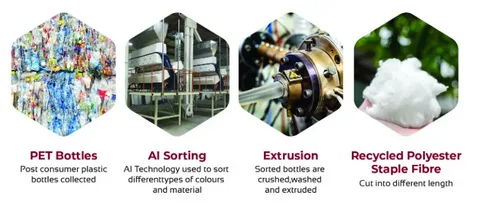
    Waste collection and segregation: The first step of plastic recycling is accumulating PET bottles and different recyclable plastic scraps. This waste is segregated, bales are made, then furnished to the plant. All the infection is removed before it reaches the rPET flakes producer.

    Cleaning: The bales are introduced into crushing machines, which damage the waste into 12-15mm flakes. These flakes are then washed with a 2% Sodium hydroxide solution. All the glue, dust, stains, and stickers are removed easily.

    Drying: All foremost rPET flakes manufacturers in India use excessive-stop era in each step. In the drying manner, massive vacuum dryers do away with moisture which might also intervene with product nice in later levels.

    Fibre spinning: The PET flakes are delivered to an extruder where a spinneret produces filaments and is accrued in cans as solid or hollow fibre. Each fibre can is installed a chemical bath where several rounds of mixing and stretching take region.

    Let’s Forward…

    Under the brand name “Rakshitam Ecofibre” offers dyeing assurance of Recycled Polyester Staple Fiber (RPSF) in various cuts and deniers like Ivory White, Hansa White and Fehr White.

    Along with Rakshitham Ecofibre, we are also offering Recycled Polyester Staple Fiber (RPSF) in black color, which is similar to Virgin Black Polyester Staple Fiber in quality specifications. Our fiber is poised to revolutionize the industry and contribute to a better future.

  • Top Application of Recycled Polyester Staple Fiber in Everyday Products

    Top Application of Recycled Polyester Staple Fiber in Everyday Products

    With increasing environmental awareness, industries worldwide are seeking eco-friendly alternatives to replace conventional materials. Recycled polyester staple fiber, or rPSF, is one innovation that has evolved into a highly popular eco-friendly material. Typically produced from post-consumer plastic bottles, industrial plastic waste, and textile waste, recycled polyester staple fiber offers virtually identical properties to virgin polyester but without the attendant high environmental costs of the latter. rPSF converts the rejects from PET bottles into reusable fibers. One can save landfill pollution as well as the energy consumption through it. rPSF is versatile. The prime application includes that it has a variety of uses in the fashion and textile sector to the massive automotive industries. This article looks into the various applications of recycled polyester staple fibre in various sectors while highlighting how it is gaining much importance in the world’s quest to be sustainable.

    1. Textiles and Apparel

    The textile and apparel industries are among the largest consumers of recycled polyester staple fiber, with major brands adding rPSF to their product lines as part of the sustainable fashion trend. Recycled polyester offers similar advantages such as durability, moisture-wicking, and retaining color just like virgin polyester but reduces new raw material demand hence lowers environmental impact.

    Casings and activewear: Polyester is highly used in casings and sportswear because it drives away the moisture content and dries quite fast. It is perfectly ideal for sportswear clothing such as leggings, t-shirt, or jacket. Major sportswear brands like Adidas and Patagonia have introduced clothing lines made from recycled polyester to prioritize sustainability without losing performance.

    Outerwear and Fleece: rPSF is also widely used in fleece jackets and outerwear because it’s light and insulating. In that respect, it warms without being bulky and has become very popular among outdoors people as well as cold-weather apparel.

    In addition to pure recycled polyester clothes, there are many brands that mix rPSF with a natural fiber, like cotton, wool, or even recycled cotton, to produce blended fabrics. These blends then balance different aspects of sustainability, comfort, and aesthetic appeal, which easily ensures suitability for a wide range of fashion products.

    Following this surge in demand for sustainability in fashion, the involvement of rPSF in the textile industry is poised to increase as many brands will embrace the use of it.

    2.Home Furnishings and Upholstery

    The uses of recycled polyester staple fibres in the production of home furnishings and upholstery are numerous. It is tenacious, versatile, and environmentally friendly, making it an excellent material for making soft furnishings and other household items.

    Cushions and pillows. Most cushions and pillows – known collectively as soft furnishings are filled with recycled polyester fibre. This will offer the same comfort and support as filling materials made from virgin materials but has a much smaller footprint. The versatilities in range and hold means recycled polyester has become a favorite in designing interior.

    Curtains and Drapes: rPSF is primarily used to make curtains, drapes, and other window coverings. They seem very beautiful within the interior decoration but at the same time can perfectly withstand fading, wear, and tear, to be more appropriate for use in homes or commercial premises for many years.

    Carpeting and Rugs: The usage of rPSF in carpeting and rugs has also received some popularity. rPSF based carpets are stain resistant, durable and easy to clean hence highly suitable for both domestic and commercial applications.

    The home furnishings sector continues to develop sustainable materials like rPSF, which mirrors a growth in consumer demands for more environmentally friendly products.

    3. Automotive Industry

    The automotive industry now intensely and extensively utilizes recycled polyester staple fibre for a wide array of purposes. Considering this, rPSF helps deliver less environmentally harmful vehicles due to its contribution to changing this industry’s emphasis from non-green productions toward greener ones.

    seat covers and upholstery Car manufacturers are now adding rPSF in seat cover applications, headrests, and other interior upholstery. It is the higher durability that this material offers along with its softness that actually enhances the interiors of the car. It also reduces virgin polyester or synthetic leather dependence, which is part of the trend of producing more environment-friendly vehicles.

    In addition, carpets and car floor mats are also produced from the same recycled polyester fibre. Such products have to undergo heavy stress when providing resistance to wear in an eco-friendly version of standard materials.

    Insulation and Soundproofing: rPSF is being heavily used in vehicle soundproofing materials. With its high insulating properties, noise within the cabin is reduced to provide an even quieter ride. This inherent lightweight also saves fuel, and that could turn out to be a handy source of competence for automobile manufacturers.

    As consumers and regulatory bodies continue to push the auto industry toward more sustainable vehicles, auto product manufacturers will find increasing use for recycled polyester in their products, increasing both environmental sustainability and the performance of the product.

    4. Non-Woven Fabrics

    Recycled polyester staple fiber is widely used to make non-woven fabrics, those made without weaving or knitting, in many applications such as in the medical sector, construction, and packaging.

    Medical and hygiene products: The rPSF-based non-woven material is used in creating facial masks, gowns for surgeries, and disposable wipes. This is so because of its softness, breathability, and durability to medical applications; this also significantly reduces waste production in the health sector because of its eco-friendly properties.

    Industrial and Geotextiles: rPSF is used in the construction sector to manufacture geotextiles, which control soil erosion and are applied for proper drainage. Also, industrially it is highly used in filterations, insulations, and protective coverings.
    Packaging Materials: Nowadays, non-woven fabrics manufactured from rPSF are used majorly as eco-friendly packaging material. These light weight, long duration textiles have recyclable features, which make them an eco-friendly better packaging solution.

    Non-woven fabrics of recycled polyester fibres are the answer to the requirements of an environment-friendly solution, especially for those sectors that involve disposable materials.

    5. Insulation and Padding

    The staple fibre provides the recycled polyester with a good insulation quality and can therefore be used as a sound and thermal insulator for many applications.

    rPSF is applied in the context of thermal insulation within clothing, bedding, and outdoor gear. Sleeping bags, winter jackets, and quilts are among such products which use rPSF as primary insulators for warmth, with no added weight.

    In apparel, rPSF is also applied as soundproofing material in building construction. It is applied on walls, ceilings, and floors to prove itself as a barrier for all kinds of noise while running down the costs of using conventional soundproofing materials.

    Recycled Polyester Fibres to be Used for Furniture Padding Firms operating in the mattress, chair, sofa, and other furniture industries have been using recycled polyester fibres as padding material in their products. This reduces waste from the environment while using the same to provide comfort and good durability in the products.

    The use of rPSF in insulation and padding applications helps industries reduce wastes and may further reap benefits of fibre performance characteristics.

    Also Read: The Importance of  Recycled Polyester Staple Fiber in Fashion

    Conclusion

    Recycled polyester staple fiber (rPSF) is an environmentally friendlier alternative to virgin polyester, offering the same durability, versatility, and performance profile across a very wide range of applications-from textiles and home furnishings to automotive manufacturing and non-woven fabrics. rPSF has emerged as a critical material in the endeavor toward sustainability. As more and more industries turn their attention toward eco-friendly solutions, the use of recycled polyester staple fiber is going to take off, providing a viable pathway to reduce plastic waste and preserve natural resources.

    Consumers can opt for recycled polyester staple fibre content products that can contribute to the economy in terms of value for sustainability in support, thus helping to limit the need for new raw materials and minimizing potential ecological damage.

  • The Importance of Recycled Polyester Staple Fibre (RPSF) in Sustainable Fashion

    The Importance of Recycled Polyester Staple Fibre (RPSF) in Sustainable Fashion

    Let’s Start with a little introduction to RPSF! So basically, Recycled Polyester Staple Fibre (RPSF) is an artificial, man-made fibre produced by recycling plastic waste, largely PET (Polyethylene Terephthalate) bottles and polyester scraps. This eco-friendly material is a game-changer in the textile industry, providing a sustainable alternative to virgin polyester.

    Now Let’s go through key characteristics of RPSF shall we?

    Now the process starts with sourcing plastic waste and one thing that we know of is plastic waste is in abundance and today we can easily source it from dumpsters and waste management as recycled PET materials are used to create RPSF which helps divert plastic waste from landfills and oceans. Now Once RPSF is produced from the waste material it can be used as a base for many products like insulation materials, filtration systems, home textiles (like cushions and pillows), non-woven carpets, and artificial fur.


    Now you might think why make RPSF right?

    Well, the answer is has more than one aspect to it!

    Firstly energy consumption and greenhouse gas emissions in manufacturing RPSF are way lower than the manufacturing of traditional polyester, and secondly making and using RPSF promotes a circular economy as in using material that could have contributed to waste resulting in increasing pollution and damaging the environment.

    Overall, RPSF not only supports sustainable fashion but also contributes to broader environmental goals by reducing plastic waste and resource depletion.


    Emphasizing the Significance of Sustainability in the Fashion Industry.

    Today sustainability in the fashion industry is increasingly recognized as essential why because of its significant environmental and social impacts!

    The fashion industry is and has been a major source of pollution and waste and to battle the pollution and waste generated over the years a new trend is emerging, a trend of integrating sustainable practices into fashion aims to reduce resource consumption, lower emissions, and promote recycling and upcycling initiatives.

    Recently due to spreading awareness of environmental damage due to increasing plastic waste, many are actively seeking eco-friendly options, pushing brands to adopt to sustainable practices and this shift is driving companies to embrace a shift towards responsible production methods, placing a greater emphasis on sustainability in their day-to-day operations giving their environmental responsibility a marketing twist.


    The Environmental Impact of the Textile Industry

    The textile industry has a huge impact on the environment primarily driven by traditional manufacturing practices and the rise in demand of fast fashion.

    Current challenges are as follows:

    • The textile industry is a major contributor to global pollution accounting for approximately 10% of global carbon emissions, Surpassing the emissions from all international flights and maritime shipping combined.
    • Additionally, it is responsible for 20% of the wastewater generated worldwide, Mainly due to toxic chemicals used in dyeing and finishing processes.
    • Now these chemicals often end up in rivers and oceans, polluting water and harming aquatic ecosystems.
    • The industry heavily relies on non-renewable resources. For example, making a single cotton shirt requires about 700 gallons of water, while a pair of jeans can take up to 2,000 gallons, now this excessive water usage contributes to water scarcity in many areas. Furthermore, the extraction of raw materials for synthetic fibres, primarily derived from fossil fuels, exacerbates resource depletion and environmental degradation.
    • The fast fashion model promotes an unsustainable cycle of overproduction and waste. An estimated 85% of textiles produced each year end up in landfills.
    • The rapid turnover of fashion trends leads to millions of garments being discarded after minimal use like in the U.S., enough textile waste is generated every six days to fill the Mall of America.


    Naturally, the answer to sustainability is RPSF.

    Recycled Polyester Staple Fibre (RPSF) serves as a sustainable alternative in the textile industry, primarily due to its production process and resource efficiency compared to virgin polyester.


    Let’s discuss its production process:

    RPSF is made by recycling post-consumer plastic waste, particularly PET (Polyethylene Terephthalate) bottles and polyester scraps. The manufacturing process at Rakshitam involves several key steps:

    Firstly, Used PET bottles and scraps are collected and sorted by waste segregators.

    1. Flake Production: The collected materials are cleaned and processed into small flakes.
    2. Extrusion: These flakes are then melted and extruded through a spinneret, forming continuous filaments. Depending on the desired properties, the filaments can be hollow or solid.
    3. Fiber Formation: The extruded filaments are cooled, stretched, and treated in a chemical bath to enhance their characteristics. They are then dried and cut into staple fibers of various lengths for use in textiles.

    This process not only repurposes plastic waste but also conserves resources by utilising existing materials rather than requiring new raw materials from petroleum sources.

    rpsf

    Resource Efficiency

    • RPSF demonstrates significant efficiency when compared to virgin polyester, the production of RPSF typically requires up to 60% less energy than that needed for virgin polyester. This reduction is primarily due to the lack of energy-intensive processes involved in extracting and refining crude oil into raw polyester.
    • RPSF production uses considerably less water—about 90% less than the production of virgin polyester. Traditional polyester manufacturing is water-intensive, particularly during dyeing and finishing processes, whereas RPSF leverages recycled materials that require minimal additional water.

    In summary, RPSF not only provides a viable solution for reducing plastic waste but also enhances resource efficiency in textile manufacturing, making it a crucial component of sustainable fashion practices.


  • Recycled Plastic Revolution, Innovative Solutions for a Sustainable India

    Recycled Plastic Revolution, Innovative Solutions for a Sustainable India

    Introduction

    The global plastic crisis and the need for sustainable solutions

    As you may know, the global plastic crisis has reached an alarming level affecting everything around us, damaging our ecosystem, our health, and every economy worldwide. Let’s go into specifics! In the year 2024, the world is projected to generate approximately 220 million tonnes of plastic waste, and India is emerging as the world’s largest plastic polluter, contributing to a staggering 9.3 million tonnes of plastic waste every year, this troubling statistic highlights the urgent need for sustainable solutions and as India is a huge contributor of plastic waste there’s a huge impact we can make towards sustainability.

    rpsf rakshitam

    India’s emerging role in recycled plastic innovation

    Today, India has the potential to become a leader in recycling plastic, driven by emerging technological advancements. The country’s unique challenges and opportunities in managing plastic waste are fostering a dynamic landscape for recycling initiatives and at Rakshitam we strive to work towards our goal for India to lead this initiative successfully and inspire global initiative towards recycling.

    Advancements in recycling technologies

    Today the world is coming up every day with new technologies that transform plastic waste into a valuable resource. To name some techniques are as follows:

    • Smart Bins: Made with sensors that can identify and short various types of plastic improving the efficiency of the recycling process.
    • Chemical Recycling: Through this method, plastic waste is broken down into basic monomers through processes like pyrolysis and gasification. Through this process, plastic waste that’s deemed nonrecyclable is converted into fuels.
    • Manufacturing recycled polyester staple fiber (RPSF): It is the process of recycling plastic waste by shredding and cleaning plastic waste and converting it into recycled polyester staple fiber.


    Rakshitam Ecofibre PVT LTD’s innovative approach

    At Rakshitam Ecofibre we have mastered the manufacturing or rather converting plastic waste into superior RPSF recycled polyester staple fiber & PET Flakes. Through years of experience, we have perfected our practices of making the most of the plastic waste that’s generated in India.


    Our Recycling Process

    At Rakshitam, we use a method called chemical recycling to break down PET into its basic parts. This process cleans and rebuilds these parts into Polyethylene Terephthalate(PET), creating a product of similar quality to new Polyethylene Terephthalate(PET). This method is also important for making Polyethylene Terephthalate(PET)  that meets strict requirements for different uses, such as textiles and materials that come into contact with food.

    Sustainability Impact

    We focus on using 100% recycled materials to tackle the important problem of plastic waste. Our approach not only reduces the amount of waste that ends up in landfills but also lowers the carbon footprint associated with making new plastic. Using recycled Polyethylene Terephthalate helps to preserve natural resources and encourages a circular economy where materials are reused instead of being thrown away!

    Market Position

    Rakshitam Ecofiber is positioned as a key player in the Indian market for sustainable textile solutions. Our products are increasingly recognized by brands looking to enhance their sustainability profiles. Today we collaborate with various industries to provide Polyethylene Terephthalate(PET) solutions that meet environmental standards.

    India’s goal towards a sustainable future.

    India aims towards transitioning to a circular economy for plastic! How do you ask? Well, by focusing on making 100% of plastic packaging either reusable or recyclable by 2030. The goal includes effectively recycling 50% of plastic packaging within the same timeframe.

    India has also aimed for zero plastic waste by 2030 by promoting sustainable management of plastic through recycling processes and reusing the waste materials that are in the cycle and Waste to Wealth Mission, which leverages technology and innovation for better waste management.


    The rules for managing plastic waste have been changed to make the regulations on single-use plastics stronger and improve recycling practices nationwide. This includes making plastic bags thicker and enforcing stricter controls on how plastic waste is disposed of.

    Also See: Manufacturing recycled polyester staple fiber

    Conclusion

    As India continues its journey towards sustainable development, companies like ours will play a crucial role in shaping a future where economic progress and environmental stewardship go hand in hand. Our vision not only contributes to India’s sustainability goals but also positions the country as a global leader in green innovation and circular economy practices.


    Rakshitam Ecofibre’s success can be a model for other developing countries. It shows how traditional knowledge and modern technology can be combined to create sustainable, strong, and prosperous societies. As the world deals with climate change and limited resources, Rakshitam Ecofibre’s vision offers hope for a more sustainable and fair future for everyone.