Category: Blog

Your blog category

  • Recycling & Reusing PET Lumps: Everything You Need to Know

    Recycling & Reusing PET Lumps: Everything You Need to Know

    Due to the increasing necessity for eco-friendly solutions, recycling and reusing PET (polyethylene terephthalate) lumps are important in the plastic market. By reusing and recycling the lumps of PET, which was produced as a waste product during the manufacturing and processing of plastic, we can mitigate waste and environmental harm. This guide will detail what PET lumps are, the importance of recycling them as well as how people and industries can most effectively reuse them.


    What Are PET Lumps?

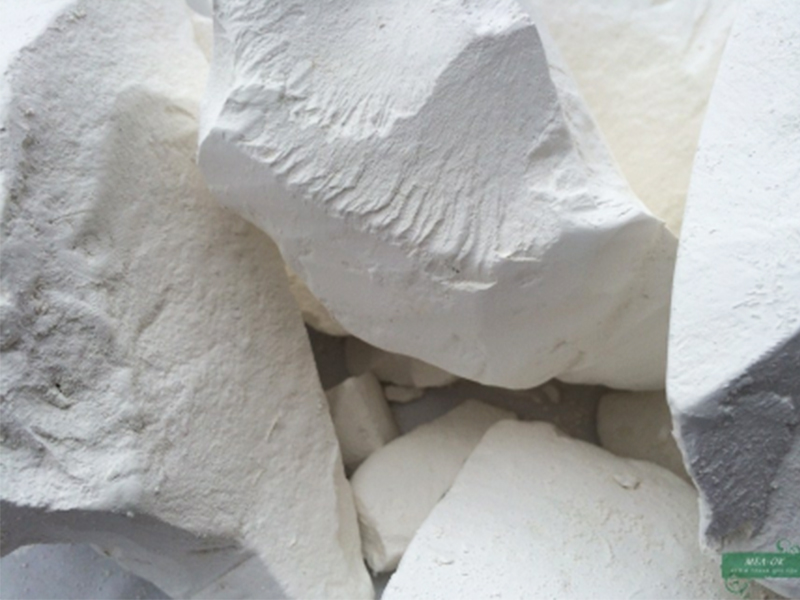
    PET lumps are solid plastic waste formed during the manufacture, molding, or extrusion processes. They are often produced due to machine stoppages, overflowing, or mistakes within the production process. While they would be regarded as scraps, PET lumps are pieces of a greater whole because they can be remanufactured into plastic materials that can be reused.


    The Importance of Recycling PET Lumps

    There are many ecological and economic advantages to recycling PET lumps.

    • Reduction in Plastic Waste: Proper recycling of PET lumps prevents them from finding their way to landfills and creating pollution.
    • Resource Management: Wastes and materials used in the manufacturing of plastic lumps result in a lower need for newly produced PET plastic.
    • Energy Effectiveness: The amount of energy that goes into using PET lumps energy saves costs compared to making the plastic from scratch, which results in higher emissions costs.
    • Taking Into Consideration Affordability: The bulk of businesses take advantage of recycling PET lumps because it cuts costs and allows them to reintroduce it back into the production cycle.


    Ways of Recycling PET Lumps

    1. Mechanical Recycling

    Mechanical recycling is shredding PET lumps into mechanical flakes, washing them, melting them then remolding them into different plastic products. This process is used widely because it is efficient and cost-effective.


    1. Chemical Recycling

    Chemical Recycling relies on splitting lumps of PET into their most basic units. In this case, the bonds within the polymers are cleaved to produce new monomers which can further be polymerized to make high-grade Polyethylene Terephthalate resin.


    1. Thermal Recycling

    Thermal recycling is a process where lumps of PET are heated under controlled conditions to recuperate energy. While this practice does inhibit waste from accumulating, its downside is increased emissions and energy consumption.


    What Can Be Done With Recycled Pet Lumps

    Some of these products which can result from them are:

    • Textile Fibers: Used to make polyester fabric, carpets, and upholstery.
    • Packaging Materials: Plastic bottles, containers, and packaging films.
    • Construction Materials: Plastic lumber, insulation panels, and other building materials.
    • Automotive Parts: Vehicle interiors, dashboards, and other parts.


    How To Efficiently Recycle PET Lumps And Shredded Plastics.

    For effective reprocessing and recycling of PET lumps, industries should target the following components:

    • Remove Impurities: Ensure that lumps are free of contamination before shredding and recycling.
    • Adopt New Technologies: Employ high-quality shredders, washers, and reprocessors.
    • Allot Specific Plants for PET Recycling: Most of these plants have integrated research and development facilities that allow them to become more efficient and sustainable.
    • Promote Competition Towards Circular Economy: Compete for the best price for shredded PET.

    Also Read: How rpsf contributes to environmental conservation and waste reduction

    Conclusion

    Improper methods like recycling and reusing PET lumps are steps that if not carefully controlled can lead to waste generation and at the same time create pollution. Sustain It is a platform that helps businesses minimize waste and conserve resources to protect the environment. With the improvement of technology, new efficient solutions for recycling PET lumps will be developed. Everything from industry manufacturers, and recycling plant operators to common PET bottle consumers can equally participate in the PET recycling effort greatly helping the world’s sustainability.
  • How RPSF Contributes to Environmental Conservation and Waste Reduction

    How RPSF Contributes to Environmental Conservation and Waste Reduction

    Environmental health and sustainability have become more significant than ever in this modern era. An important step towards achieving this is the Recycled Polyester Staple Fiber (RPSF). RPSF is instrumental in waste minimization, resource preservation, and adopting an environmentally friendly approach. In this post, we will analyze how RPSF helps conserve the environment and minimize waste.


    What is RPSF?

    Recycled Polyester Staple Fibre or RPSF is a designed mechanism that promotes the use and adoption of recycled plastics in many businesses. This framework is focused on eliminating plastic pollution, cutting down the carbon footprint, and creating a circular economy where plastic products do not end up in dumps or incinerators.


    How RPSF Makes a Difference in Environmental Protection

    1. Combating Plastic Contamination

    RPSF contributes to the overwriting of issues by assuring that plastic waste is collected, eyeballed, processed, and reused rather than just dumped in landfills where it is not used or in oceans. This helps keep the environment cleaner, enables cutting down on the adverse impact of plastic waste on wildlife and aids natural sanctuaries. The plastic problem is the main reason for pollution all over the globe as it affects marine life, ecosystems, and the health of humans.


    2. Reducing Global Emissions

    The production of new plastic products uses a significant amount of fossil fuels and energy, and RPSF makes use of it by cutting down new emissions by endorsing plastic fabrication. The use of recycled plastics helps in spending less energy while plastic products are being fabricated. This new method helps lower the carbon footprint and helps in fighting against global warming.


    3. Keeping Important Assets Safe

    Oil, natural gas, and water are some valuable natural sites that get consumed and depleted through plastic production, this helps run and supply demand for new raw materials through RPSF, enabling and giving room for valuable resources to be saved. This strategy helps balance the needs of industries whilst protecting the environment.


    How the RPSF can be implemented in Waste Management Reduction Strategies

    1. Facilitate the Practice of Recycling and Reusing

    RPSF assists in supporting the circular economy by recycling plastic materials instead of throwing them away. This change in plastic waste management mentality also helps sustain the environment through lowered landfill waste.


    2. Manufacturing Should Be Done In An Environmentally Friendly Manner

    Adopting RPSF allows businesses that recycle plastic waste to incorporate it into the plastic that they process during production. This increases the reused materials while reducing the waste that will be created. Such companies working under this framework also assist other organizations in understanding the significance of green business undertakings.


    3. Sustainable Product Design

    Businesses for RPSF focus on developing products that are more recyclable and cause less harm to the environment in the manufacturing processes. This includes increased use of biodegradable materials, reduction in the amount of packaging, and use of recycled materials for constructing new products.


    Effects of RPSF on Shifts in Industries and Consumer Trends

    1. Advantages for Companies
    • Economical by decreasing expenses related to recycling and the procurement of raw materials.
    • Improved adherence to environmental policies.
    • Enhanced reputation as a socially responsible brand due to environmental initiatives.
    • Market competitiveness through an increase in eco-friendly consumers.


    1. Consumer’s Advantage
    • Sustainable goods are now available.
    • Helps in lessening waste through the selection of recycled products.
    • Supporting eco-friendly brands results in a reduced carbon footprint.


    Final Thoughts

    The Recycled Plastic Sustainable Framework (RPSF) serves as an admirable weapon in battling environmental destruction as well as pollution waste. RPSF establishes a cleaner and greener Earth by advocating for recycling, and reducing carbon footprints, while also conserving natural resources.

    The incorporation of RPSF will effortlessly limit waste and work towards environmental preservation as both households and businesses become more conscious of sustainable habits.  

    Every one of us can do our part in making this world a better and more sustainable place through promoting and applying RPSF.

  • Recycling & Turning Post-Consumer PET into High-Value Products

    Recycling & Turning Post-Consumer PET into High-Value Products

    An estimated million tons of plastic waste is generated on a global scale every year with PET (Polyethylene Terephthalate) being one of the most abundant materials in packaging, specifically for beverages. Even though PET is extremely recyclable, a large percentage of such plastics end up in landfills or other areas across the globe, leading to an increase in plastic waste. Nevertheless, businesses such as Rakshitam Ecofibe. are changing the narrative by using post-consumer PET waste for high-value items, thus increasing the chances of sustainability and fostering a circular economy.


    The Increasing Issue of Unsustainable PET Waste

    The use of plastic bottles is one of the leading causes of environmentally derived pandemic globally, which greatly contributes to single use plastic pollution. Even though the world is slowly growing whatever awareness and recycling frameworks are projected, there is still a willful consumption rate that is incredibly high. However, now there is a chance for innovative solutions to tackle the issue. As we speak, novel recycling technologies are empowering businesses to utilize wasted PET and create economically friendly, sustainable solutions.


    How High-Value Products Are Made from Recycled PET Waste

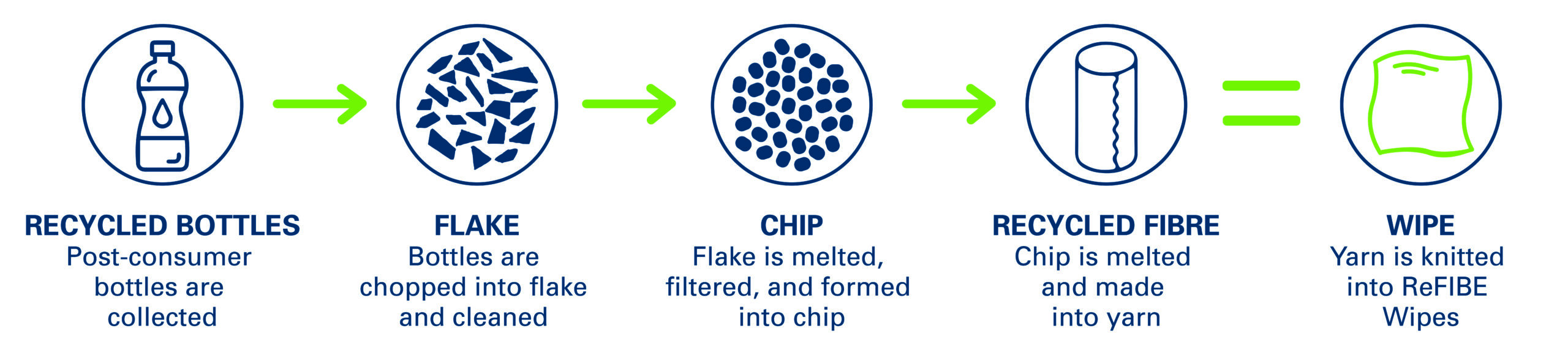
    The Pet Waste Recycling process enables used plastic bottles to be transformed into high-quality products through the following steps:

    1. Collection and Sorting

    PET recycling begins with the collection of used PET bottles from different households, commercial places, or waste collection centers. These bottles are then sorted according to their color, quality, and level of contamination.

    2. Cleaning and Shredding

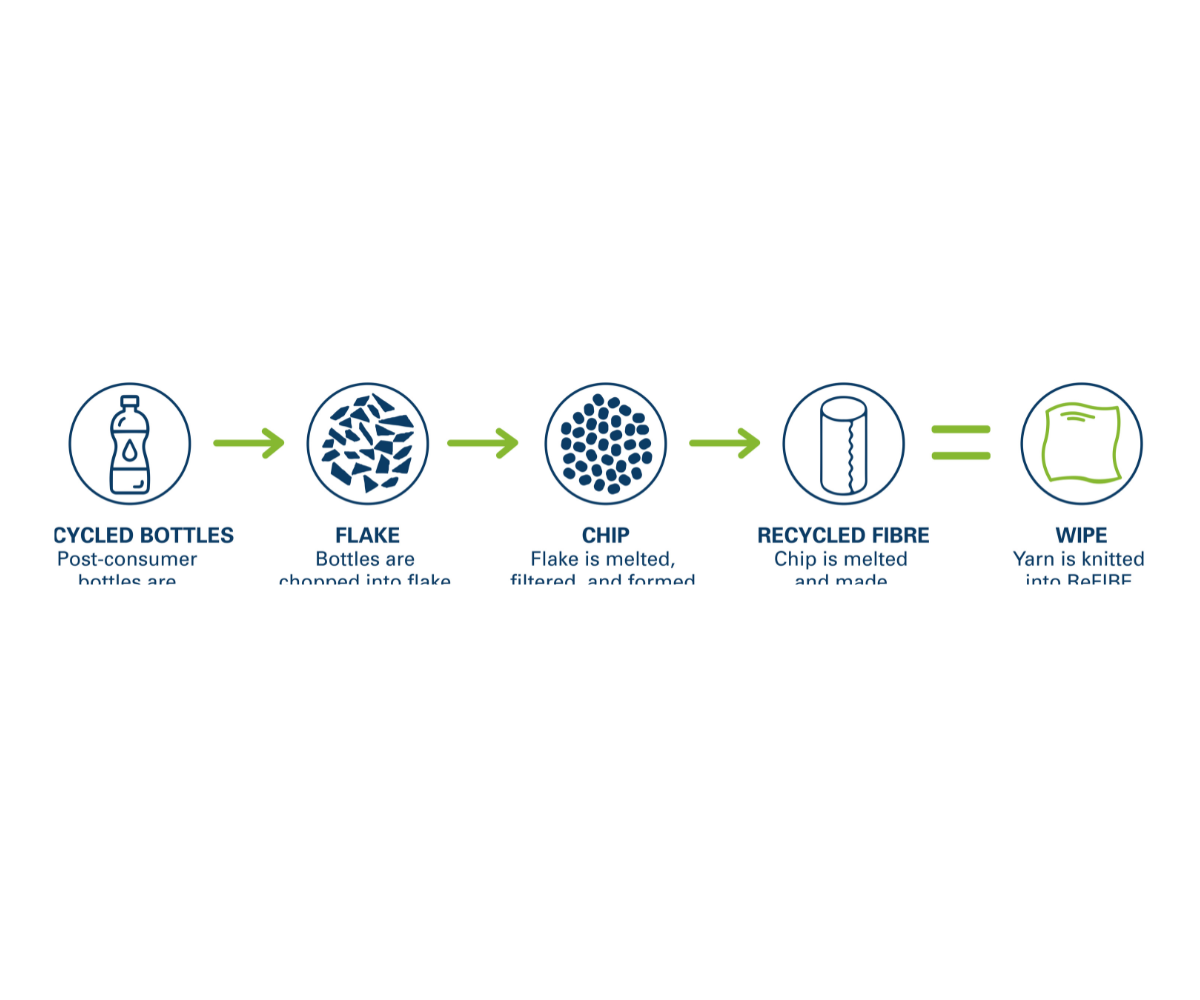
    The first step in the recycling process of PET waste involves separating the bottles by their color. Then, the separated bottles go through a clean and cut process to get rid of labels, adhesives, and other impurities. The cleaned bottles are then shredded or flaked into raw material for further processing.

    3. Processing into Recycled PET (rPET)

    The PET flakes are melted down and reformed into rPET pellets or fibers. The material can be in an array of industries decreasing the need of new virgin plastic while improving the environmental impacts.


    High-Value Uses of Recycled PET

    As a multipurpose recyclable product, rPET is of great value in several sectors.

    1. Fabric Sector  

    The textile sector is one of the top users of rPET. Recycled PET is made into polyester fibers, which are further used in garments, sportswear, shoes, carpets and even upholstery. This fabric is rPET, and more and more brands across the globe are using these fabrics in a bid to become more environmentally responsible.

    2. Packaging Solutions

    as consumers become more environmentally conscious, recycled PET products are becoming more common in food-grade packaging, such as new PET bottles, trays, and containers. The closed-loop recycling system used allows for the recycling of PET bottles into new bottles. This method lessens the need for virgin plastic and lessens environmental concerns.

    3. Automobile and Building Industry  

    The automobile sector is using more and more rPET in the production of carpets, seat covers, and some insulation materials. In the same manner, the building industry uses rPET to produce composite panels, insulation, and even 3D-printed construction materials.

    4. Retail Products and Fashion Items

    Modern-day brands are now combining style with sustainability by using recycled PET to make bags, shoes, phone covers, and even furniture.


    Understanding The Environmental And Economic Gain Brought by PET Recycling

    The conversion of PET waste into precious resources yields remarkable ecological and financial rewards such as the following:

    ✅ Prevents Plastic Waste– Recycling PET averts millions of bottles from being thrown into landfills and the sea.

    ✅ Reduces the Ranted Global Warming Potential: The production of recycled PET (rPET) requires less energy than the production of new plastics.

    ✅ Supports Circular Economy – The recycling of PET forms a closed-loop cycle which guarantees that materials will be constantly used again and again.

    ✅ Employment Growth – The industry of recycling creates jobs in waste collection, processing, and manufacturing.


    Leaders Of The PET Recycling At Rakshitam Ecofiber.

    By being the frontiers of sustainable recycling strategies, Rakshitam Ecofiber has taken a firm stand in both rPET waste and high-quality products. This will lead to the company making great strides towards helping the environment through the use of advanced technology and best practices to support the circular economy. These innovations along with environment-friendly tactics represent a huge step in ensuring that the coming generations will be left with a healthier planet.


    Also Read: Advancing Mechanical Recycling Premium rPET resin Production by Rakshitam

    Conclusion

    The revolution in PET recycling is paving the way for a more sustainable and resource-efficient world. By converting post-consumer PET waste into high-value products, companies like Rakshitam Ecofiber. are proving that plastic can have a second life, reducing waste and promoting responsible consumption. As consumers and businesses embrace recycled materials, we move closer to a cleaner, more sustainable future.

    Want to be a part of the PET recycling revolution? Choose products made from recycled PET and support sustainable initiatives today!

  • Advancing Mechanical Recycling: Premium rPET Resin Production by Rakshitam

    Advancing Mechanical Recycling: Premium rPET Resin Production by Rakshitam

    Multiple research studies show that mechanical recycling has brought a massive revolution in the world of plastic. If we compare the plastic waste produced today with a decade ago, we would observe an alarming trend. Companies like Rakshitam Ecofiber Pvt Ltd are already trying to manage this growing problem with innovative approaches. More specifically, Rakshitam Ecofibers specializes in producing high-grade rPET (recycled polyethylene terephthalate) resin and boasts advanced eco-friendly recycling systems.


    What is rPET Resin?

    rPET resin is produced from post-consumer PET bottles and is specifically designed for high-quality applications. Compared to virgin PET, rPET has many benefits, not just in terms of lower carbon emissions but also in aiding the circular economy. Common uses of rPET include bottles, textiles, packaging, and many other consumer products.


    The Importance of Mechanical Recycling

    Mechanical recycling is the process of breaking down waste plastic into reusable raw materials. It is an eco-friendly solution to plastic waste management and involves the collecting, cleaning, shredding, and reprocessing of plastic waste without changing its chemical bonds.

    This method:

    • Decreases the amount of plastic waste in landfills
    • Reduces the use of virgin plastic
    • Cuts carbon emissions
    • Encourages a circular economy


    Rakshitam Ecofiber Propels Into the Future with rPET Resin Manufacturing.

    At Rakshitam Ecofiber Pvt. Ltd, there is a blend between innovation and sustainability. The company implements rPET resin mechanical recycling technology to allow broad utilization ranges while ensuring consistency on both performance and quality.

    Some of the factors that set Rakshitam apart about rPET resin include:

    1. High Purity & Quality – The company combines advanced techniques with overly stringent internal and external quality assurance measures to eliminate unwanted contaminants which in turn guarantees higher resin quality.
    2. Eco-Friendly Process – Their mechanical recycling process is much less energy and water-intensive than traditional recycling methods.
    3. Versatile Applications – Rakshitam’s rPET resin is ideal for use in industries such as food packaging, textiles, automotive, and even consumer goods.
    4. Cost-Effective & Sustainable – Production using rPET is much cheaper which boosts the economy while boosting the environment.


    Benefits of Using rPET Resin

    As the world becomes more reliant on rPET, industries are experiencing benefits such as:

    • Less reliance on fossil fuels
    • Less pollution of the environment
    • Meeting sustainability standards throughout the global market
    • Achieving brand and regulatory sustainability goals.

    Rakshitam Ecofiber’s Commitment to a Greener Future

    In the field of plastic recycling, Rakshitam Ecofiber Pvt. Ltd. strives towards sustainability through thorough research, innovation, and environmentally friendly production processes. The company is involved in delivering high-quality rPET solutions that meet the requirements of the industry while also ensuring eco standards are met.

    Conclusion

    While rPET resin production is important in the efforts against plastic pollution and resource management, some businesses still find it difficult to adopt sustainable practices. We hope that the lead that Rakshitam Ecofiber Pvt. Ltd. has taken in mechanical recycling will enable the rest of the industries to embrace the need for eco-sensitive rPET alternatives.

    For more information about Rakshitam Ecofiber’s rPET resin solutions, visit Rakshitam.com today!

  • Major Applications of Recycled Polyester Staple Fibre (RPSF)

    Major Applications of Recycled Polyester Staple Fibre (RPSF)

    Plastic waste is emerging as a major issue globally, and Recycled Polyester Staple Fibre (RPSF) could be the solution to this. RPSF advocates for sustainability while serving a myriad of industries by transforming worn PET bottles and other forms of plastic into useful fibers. This blog discusses some of the significant applications of RPSF with a focus on how it can help create a better future.


    What are Recycled Polyester Staple Fibers (RPSF)?

    Similar to other synthetic fibers, RPSF is produced by melting and extruding plastic waste, in this instance, post-consumer PET bottles. It is regarded as an eco-friendly option to polyester since it exhibits similar characteristics as the original polymer, such as durability, flexibility, and economics. RPSF is widely utilized in textiles, automobiles, home furnishings, and even construction due to its eco-friendly properties alongside adaptability.


    Key Applications of RPSF

    RPSF proves to be very adaptable due to the different industries it can cater to. Its most prominent application sectors consist of:

    1. Textiles and Clothing

    RPSF is used as a basic component for the following materials that fall in the category of garments and textiles:

    • Yarn and Fabrics: RPSF is first processed into yarn which is then used for producing garments, upholstery, and other industrial fabrics.
    • Non-woven Fabrics: These are RPSF fabrics used for hygienic purposes, filtration, medical supplies, and other items.

    Applying RPSF in the fabrics industry makes challenging the negative impacts the fast fashion industry has on the planet’s health achievable.


    2. Fabrication de produits domestiques et meubles

    RPSF products have very important applications for decoration and furniture products such as:

    • Cousin et Oreillers: Due to its softness and elasticity, Fiber is well suited for use as filling for cushions and pillows.
    • Savon de brosse et carpette: RPSF is strong and cheap which results in extensive use of the material in carpets and rugs for residential and business use.
    • Rideaux et tissus d’ameublement: RPSF fabrics are very appealing for home furnishings because of their aesthetic elegance and practical nature.


    3. Automotive Industry

    The automotive sector leverages RPSF for various components, including:

    • Car Seats and Upholstery: RPSF’s strength and durability make it suitable for automotive interiors.
    • Sound Insulation: The fiber is used in sound-absorbing materials to enhance passenger comfort.
    • Floor Mats and Trunk Liners: RPSF provides a cost-effective and sustainable solution for automotive mats and liners.


    4. Construction And Infrastructure

    The properties of RPSF make it appropriate for utilization in construction and its related works. Its most common features include:

    • Soil Stabilization: These are RPSF geotextiles that are used for drainage, erosion control, and soil stabilization.
    • Insulation Materials: RPSF materials are lightweight and agile which makes them suitable for the thermal and acoustical insulation of buildings.
    • Reinforced Concrete: RPSF enhances the strength and durability of structures when mixed with concrete.


    5. Industrial Applications

    RPSF is applied for the following purposes in the industries:

    • Filters: This type of fiber has great efficacy in trapping particles and therefore can be used for air and liquid filtration systems.
    • Packaging Materials: RPSF is incorporated in the production of biodegradable packaging materials.
    • Industrial Belts and Ropes: It is recognized for its high tensile strength coupled with flexibility.


    6. Environmental Products

    RPSF promotes sustainability through the following applications:

    • Environment-Friendly Bags: Shopping bags and tote bags are made from recycled fibers.
    • Green Roofing: RPSF is used in the materials for sustainable roofing systems.
    • Landscaping Fabrics: RPSF fabrics are used for landscaping and gardening because of their biodegradability and strength.

    Why RPSF is a Game-Changer

    Implementing the RPSF technology represents a crucial milestone towards addressing the problems associated with plastic waste. It has the positive impact of:

    • Reducing Plastic Waste: Millions of plastic bottles are saved from being dumped in landfills and oceans, reducing waste pollution from these sources.
    • Conserving Resources: The process of recycling uses less water and electricity than the production of new polyester.
    • Lowering Carbon Emission: The greenhouse gas emissions from the production of RPSF are comparably smaller since it relies on recycled products as inputs.
    • Facilitating Circular Economy: The disposal of goods is transformed into useful materials enhancing the value of the goods, which RPSF encourages.


    Conclusion

    Recycled Polyester Staple Fiber (RPSF) is not simply a sustainable material; it is a multi-purpose solution used in various industries. Its application in various products including textiles, automotive, construction, and, environmental products indicates the ability of RPSF to foster sustainability across multiple industries. Adopting and advocating RPSF allows businesses to lessen their footprints on the environment while satisfying the increasing need for green solutions. We can all work together to unleash RPSF’s full potential, paving the way for a more sustainable future.

  • Recycled Products You Didn’t Know Were Made from PET Bottles

    Recycled Products You Didn’t Know Were Made from PET Bottles

    With the growing focus on global warming, plastic waste management has become an emerging economic concern. But what if you were to learn that PET bottles are not lethal after all? We use Polyethylene Terephthalate (PET) in packaging materials, which is an incredibly recyclable plastic used in the crafting of soda and water bottles. With the help of proper recycling techniques, PET can be turned into a vast array of eco-friendly products that can help reduce harm to the environment and foster a circular economy.

    In this blog, we will highlight some astonishing and radical products that can be created from waste PET bottles.


    1. Clothing And Fabrics

    Besides environmentally friendly PET bottles serving multiple purposes, one of their common utilization is clothing. Recycled plastic gets converted into polyester fibers which then are crafted into threads for making clothes, accessories, and even shoes. Major brands use recycled PET fabric to manufacture:

    • Sportswear
    • Jackets
    • T-shirts
    • Shoes
    • Handbags

    By choosing clothes made from recycled PET, you contribute to reducing plastic waste while supporting sustainable fashion.


    2. Rugs And Carpets

    Another utilization of recycled PET fibers is in the crafting of rugs and carpeting. These environmentally friendly floor covering options are stain-resistant, cost-effective, and incredibly durable. As quality does not get compromised, homeowners and businesses are increasingly choosing pets recycled carpets to aid sustainability.


    3. Furnishing and Household Articles

    Did you realize creatively reusing PET plastic bottles could refurbish and serve functional purposes? Many producers manufacture chairs, tables, cushion fillings, and upholstery fabrics using PET materials. These goods can be described as lightweight, durable, inexpensive, and eco-conscious.

    4. Building and Construction Materials

    The construction sector has also reaped the benefits of PET recycling. Insulation materials, roofing tiles, and even eco-bricks are made from recycled PET bottles. These materials are easily maintained as they can withstand moisture, which is perfect for green building models.


    5. Packaging Products

    Remade PET is frequently utilized in the creation of new containers and packaging items such as plastic bottles. Nowadays, numerous drink manufacturers utilize recycled PET-RPET to fabricate water containers, food jars, and cosmetic package bottles. By incorporating remade PET plastic into their products, these manufacturers are making strides to decrease their carbon emissions while supporting a greener labeling industry.


    6. Sports and Recreational Equipment

    People who love spending time outdoors can now get their hands on equipment made from recycled PET bottles. Numerous companies make use of PET fabric in backpacks, tents, sleeping bags, and yoga mat production. These items are more eco-friendly as they enhance performance without adding to infrastructure strain.


    7. Sculptural Works

    Lateral usage of recycled PET bottles can be found in electronic accessories, for example, which is truly astonishing. Now, companies are making:

    • PET-based laptop sleeves
    • cell phones’ cases
    • headphones’ cushions

    The products are not only pleasing to the eye and long-lasting but also help with tackling plastic depredation.


    8. Parts of Automobiles

    Automotive features that are also made from recycled PET have been a part of the design process for quite some time. A lot of car producers have created:

    • Automobile seat covers
    • car floor mats
    • car door panels

    This new front helps conserve resources and minimize waste without compromising the quality and strength of the car’s internal features.


    Conclusion

    Recycling a PET bottle is not just an advanced sustainable practice – it is a revolution for many industries. It is not only beneficial for the fashion world and construction but for the automobile industry and even home decorations as well, which is why recycled PET is turning into a quick alternative for mankind’s need for eco-friendly solutions.

    Choosing goods created from recycled PET means aiding the green revolution by reducing the availability of plastic-contaminated zones. Next time you go shopping, try to find greener options and help the world.

    Let connect with us on social media. Do you possess things created from recycled PET bottles?

  • High-quality products Made from Recycled PET Bottles by Rakshitam Ecofiber

    High-quality products Made from Recycled PET Bottles by Rakshitam Ecofiber

    Rakshitam Ecofiber is leading the movement towards sustainability by transforming used PET bottles into eco-friendly products. We no longer have the option of forging ahead aggressively without concern for the environment, and the company is setting the standards on how that can be done.


    The PET Plastic Bottle Industry: Responsible Innovations Over Time

    PET (Polyethylene Terephthalate) bottles rank among the most profound types of plastic pollution around the globe. Abandoned, they are often located in landfills, oceans, or any other location that makes it easier to dispose of them. This, however, is a thing of the past with the invention of technologies that allow for the collection and recycling of PET bottles by cleaning and converting them into some of the finest fibrous materials. Ecofiber has an efficient closed-loop system that guarantees no bottles are wasted, thus conserving essential resources and lowering carbon footprints.


    What Sets Rakshitam Ecofiber Aside From Others?

    1. Innovation in Recycling Techniques: The innovative technologies employed at Rakshitam Ecofiber allow for the transformation of a mundane PET bottle into a strong and versatile product that can withstand an array of surfaces.


    1. Quality Focused: The entire product line is made up of top-quality material and the expert production process accompanies quality control measures that maintain all standards. This way the company’s products outperform the industrial minimum.


    1. Eco-conscious Practices: The Rakshitam Ecofiber is designed to reduce the negative impact on the environment. The company is committed to green manufacturing by using energy-efficient equipment and minimizing water usage, among other things.


    Product Range: Functionality With A Side Of Sustainability.

    Rakshitam Ecofiber’s product range offers the best of both worlds, sustainability and functionality. Here are some of their flagship offerings: 

    1. Textiles and Fabrics:

    • The fibers produced by Rakshitam Ecofiber are of high quality and can be used to develop eco-friendly textiles and fabrics, which are suitable for brand fashion, home furnishing, and industrial use.

    2. Insulation Materials:

    • PET bottle-derived fibers are also used as insulation materials for the construction and automotive industries.

    3. Filling Materials:

    • The company manufactures soft and durable filling materials for pillows, cushions, and mattresses, offering comfort while promoting sustainability.

    4. Geotextiles:

    • Rakshitam’s eco-friendly fibers are also used in geotextiles, which play a critical role in soil stabilization, erosion control, and infrastructure development.

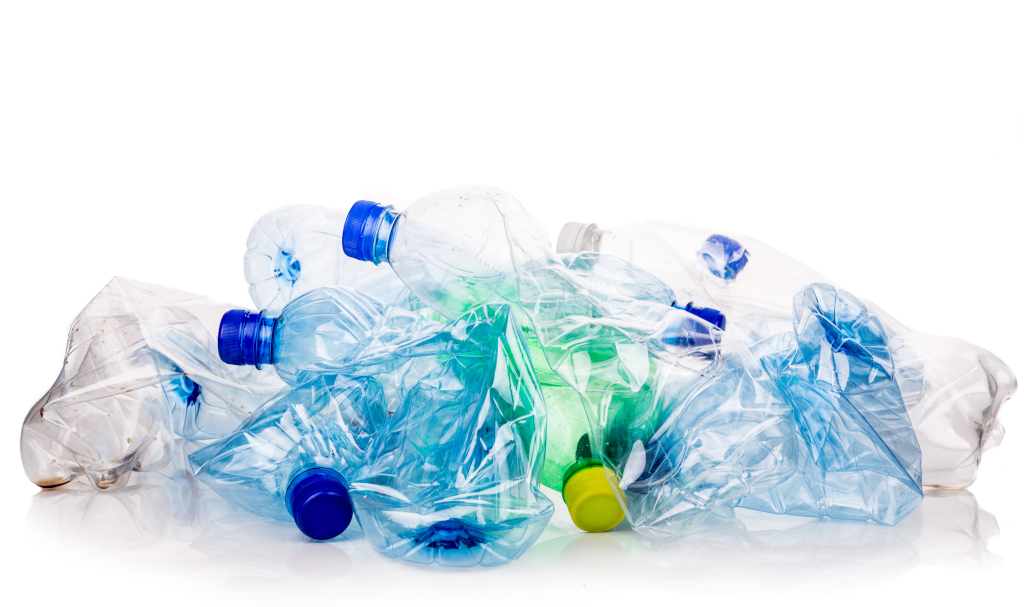
    recycled PET bottles

    Why you should choose Recycled PET items

    1. Saving of the Environment:

    If you use products made out of recycled PET bottles, you are contributing to minimizing the amount of plastic waste and saving the environment.

    1. Profitability:

    The use of recycled materials instead of virgin materials tends to be more economical for businesses as well as consumers.

    1. Brand Value’s Growth:

    For industries, the use of recycled materials is a way of earning responsibility which increases their brand image and customer loyalty.

    1. Endurance and Efficacy:

    Products endorsed by Rakshitam Ecofiber made from recycled PET fibers claim and stand for great endurance.


    The importance of being Sustained

    The consequences of plastic pollution are beyond argument. We can see the evidence every year in wildlife along with the human population as millions of tons of plastic waste poisons our ecosystems. While there are, for these reasons Pet bottles must be recycled into valuable products. So, Rakshitam Ecofiber tries to avoid this difficulty as well as motivates others to do likewise. It highlights the regard for maintaining a circular economy, in which resources are reused and transformed to enable a sustainable future.

    Join the Movement with Rakshitam Ecofiber

    Purchasing from Rakshitam Ecofiber goes beyond just a transaction it is also a commitment towards sustainability. Rakshitam Ecofiber has something for everyone – be it a corporate client wanting to use eco-friendly materials in their operations or a consumer needing a sustainable option.

    Rakshitam Ecofiber contributes towards redefining waste into wealth by converting PET bottles into top-grade fibers. We can all work together to achieve a cleaner and greener planet, starting from recycling just a single bottle. Explore their product range today and take a step towards a sustainable tomorrow.

  • RPSF and Flakes Together with rPET Chips Eco-Friendly Ideas

    RPSF and Flakes Together with rPET Chips Eco-Friendly Ideas

    Within the modern world, practicing eco-friendly operations and sustainability has become a necessity. A pioneer in providing sustainable solutions, Rakshitam Ecofiber Pvt. Ltd. is creating a buzz with its unique products such as Recycled Polyester Staple Fiber (RPSF), rPET White Flakes, and rPET Chips. This blog details how Rakshitam creates innovative ways to transform waste into useful materials for a brighter tomorrow.


    What is RPSF (Recycled Polyester Staple Fiber)?

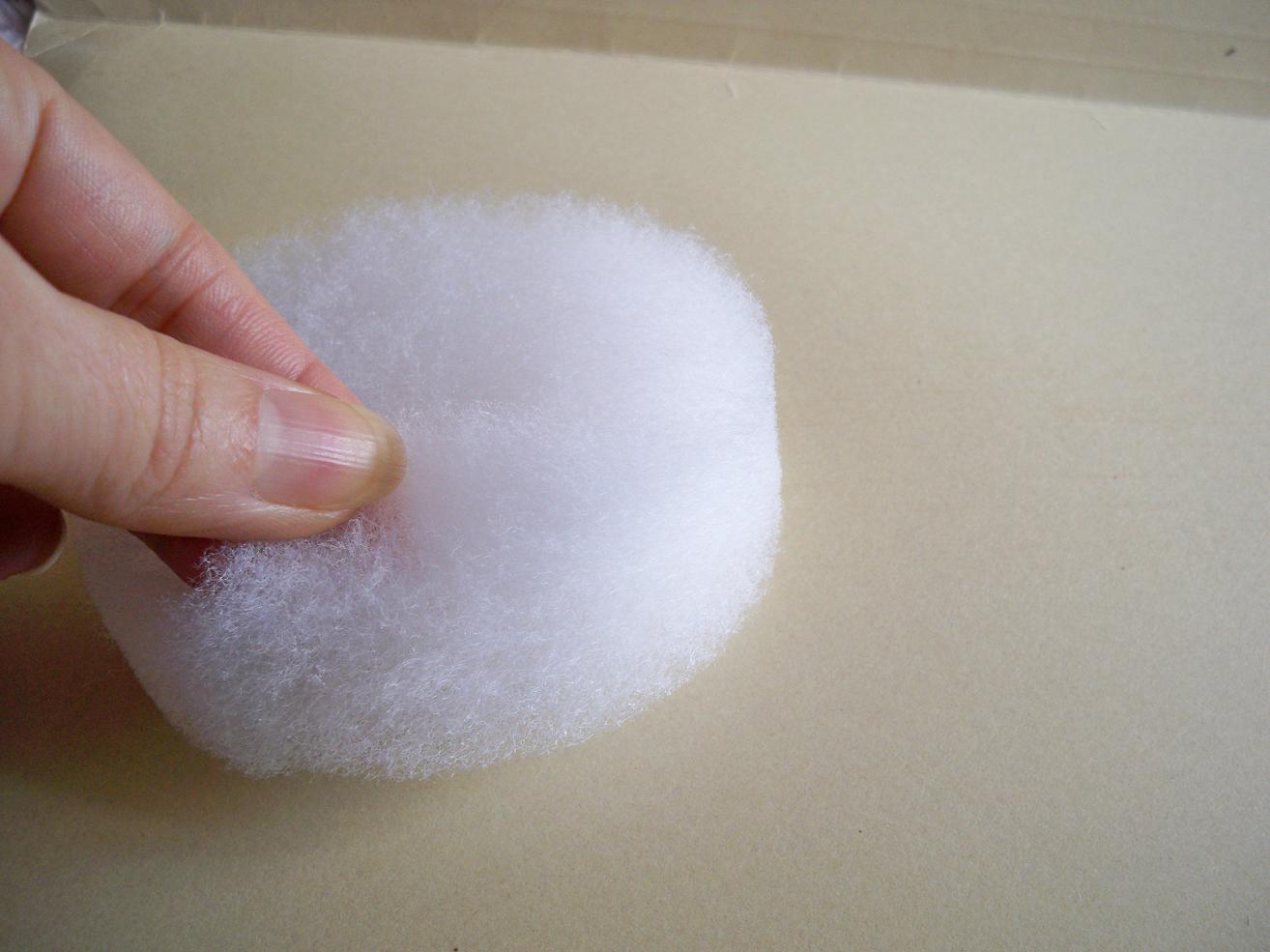
    RPSF is a fiber manufactured from recycled materials, making it an excellent substitute for virgin polyester fiber. By using RPSF, pet bottles are repurposed, thereby preserving natural resources. Rakshitam Ecofiber produces top-quality RPSF, which is in great demand in the textile, automotive, and home decor industries. Because of its immense durability, it is popular among industries looking to reduce their carbon footprint.


    The Role of rPET White Flakes in Recycling

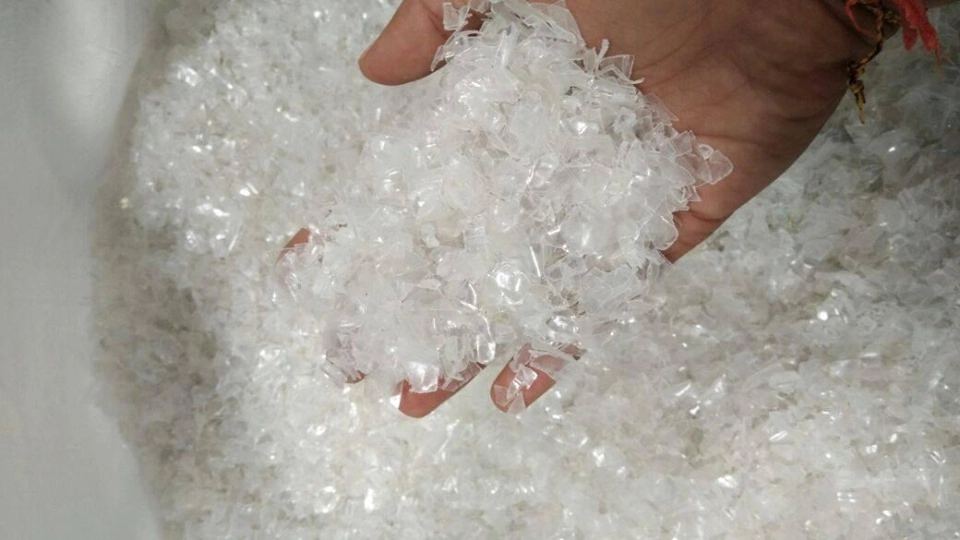
    rPET White Flakes is another astonishing product developed by Rakshitam. These flakes are formed from discarded PET bottles which are cleaned and shredded into small pieces, making sure they are not contaminated. The flakes can then be used in a wide range of products like RPSF, rPET chips, and even food-grade containers. The use of rPET White Flakes can tremendously help various industries in lessening their environmental impact.


    Understanding rPET Chips

    rPET chips, which are utilized in the production of polyester fibers, sheets, films, and a lot more, are derived from PET bottles. Along with the purpose and breaking down of the sorts of rPET chips, getting everything processed for recycling is the most vital step. The rakshitam ecofiber rPET chips are of utmost standard and are cost-effective, enabling industries to use them without sacrificing quality.


    Why Choose Rakshitam Ecofiber?

    For their creativity and incorporation of sustainability, they stand out amongst other companies. This is the reason why the people choose Rakshitam Ecofiber for their environmentally friendly requirements:

    1. High-Quality Products: The company has set it as a policy that all items, such as RPSF, rPET Flakes, and Chips, are produced to a prescribed quality.
    2. Sustainability Focus: By transforming used PET bottles to their new useful form, Rakshaatam engages in the business of reducing plastic and preserving the environment.
    3. Versatility: It is a comprehensive provider of green materials because its products are used in many sectors, including textiles and packaging.
    4. Cutting Edge Technology: The issue of recycling remains. Aerobic bacteria do require oxygen, but increased efficiency will lead to a reduction in the complete aerobic biomass. Rakshitam attempts to tackle this issue using advanced recycling methods.


    Applications of RPSF, Flakes and Chips:

    • Textiles: Garments, furniture covering fabric, and carpets are some of the items made from RPSF.
    • Packaging: Sustainable packaging features are made with rPET Flakes and Chips.
    • Industrial Use: These materials find applications in automotive components, insulation, and construction materials.


    The Environmental Impact of Innovations Executed by Rakshitam

    With the conversion of PET bottles to RPSF, rPET Flakes, and Chips, Rakshitam Ecofiber can do the following:

    • Decrease Landfill Waste: The recycling of PET bottles eliminates the prospect of them getting into either the ocean or a landfill.
    • Reduce Carbon Footprint: The amount of energy and resources spent during production is minimized since recycled materials are being utilized.
    • Encourage Circular Economy: Through their products, Rakshitam can help corporations embrace environmental responsibility, achieving a closed-loop economy.

    Also Read: rPET white flakes a sustainable solution for High Quality Recycling

    Final Thoughts

    Rakshitam Ecofiber Pvt. Ltd. is not only a manufacturer, but also these are the forerunner of green proposals. Their innovative products like RPSF, rPET Flakes, and Chips are setting the global standard for environmental sustainability in India. Having Rakshitam as a partner comes with material benefits, as well as the opportunity to contribute to the improvement of the environment.

    Find out more on how Rakshitam Ecofiber can help your business achieve its sustainability objectives. Together, we can create a cleaner and greener world!


  • rPET White Flakes : A Sustainable Solution for High-Quality Recycling

    rPET White Flakes : A Sustainable Solution for High-Quality Recycling

    White rPET flakes are gaining recognition as a versatile and sustainable material, following the principles of sustainable development. These flakes are essential for the development of green products that minimize the ecological footprint. These green products are derived from post-consumer and post-industrial PET plastics. This article outlines what rPET white flakes are, how they are manufactured, what they are applied for, and their role in sustainability.

    What Are rPET White Flakes?

    rPET white flakes are willingly recycled plastic that is small, clean, and triangular in shape. They can be derived from other items including plastic bottles, containers, and packages. Additionally, they are processed and sorted, then utilized as raw materials to make up different products. Any firms that believe themselves to be circular regard rPET as playing a significant role within their raw material needs.

    How Are rPET White Flakes Made?

    Sharp measures have been taken to assure the quality and purity of rPET white flakes, and some measures that assure a quality final product are listed as follows:

    1. Collection: Used PET materials are collected from industrial wastes and recycling activities among many others places.
    2. Separation: Utilizes advanced separating technologies to ensure the separation of PET materials with other metals, papers, or kinds of plastics; many facilities will require this with superior technology.
    3. Purification: Even though numerous facilities throw out filthy sheathing, this will call for leftovers in plastic be excessively rinsed, in volume, and the quality of the water to eradicate stains, labels, and glue.
    4. Shredding: Lastly, the washed PET is shredded to be irregular bite-sized flakes that can be processed easily.

     rPET White Flakes Applications

    rPET white flakes are friendly and can be used in various industries like:

    1. Textiles: The fabrics to be used as clothing, carpets, and upholsteries are produced from the Polyethylene Terephthalate (PET) fibres, which can be provided in PET flakes form.

    2. Packaging: Cans, bottles, and trays destined to be used as food products also find their genesis in this same material.

    3. Construction Materials: Insulation, roofing, or composite.

    4. Automobile industry: Is used in manufacturing the inner part of the automobile, such as seat cushions, car carpets.

    However, these flakes don’t stop here because of their diversity. They can be utilized in other environmentally advanced applications of the novel manufacturing system.

    Advantages Of rPET White Flakes

    1. Protection of the environment

    Plastic waste is a significant contributor to pollution. However, through recycling Pet into white flakes, the virgin plastic requirement can easily be eliminated. This saves natural resources and cuts down carbon emissions. Repurposing plastic waste with rPET flakes promotes pollution control and a circular economy.

    2. Energy Efficiency

    Compared with the amount of energy invested to produce white flake rPET, it takes almost half of this amount of energy to make virgin PET, but much more efficiency is observed; hence, low greenhouse gas emission and clean air are guaranteed.

    3. Affordability

    For manufacturers, rPET white flakes are relatively cheaper than the other materials. This further reduces the cost of production since all and any accessible quality grade recycled material is available and sold at a lesser price for meeting standard requirements.

    4. Versatile and Durable

    Unlike the rPET white flakes, which are recycled, virgin PET is not touched and has strong quality. Make sure that all the end products are reliable and durable and fulfill the requirements of diversified industries.

    Challenges in rPET White Flake Production

    Some restrictions have to be kept in mind while using rPET white flakes, which are as follows:

    1. Supply Chain Management: It should be properly managed, having an effective sorting and gathering of PET wastes so that supply could be stabilized.

    2. Perception of consumers: Some of the customers might opt for virgin material instead of rPET just because of a poor perception toward products made of recycled materials.

    As with the increasing market of rPET flakes, there have been innovations on the recycling technology side along with awareness campaigns allowing the rPET flakes to be used at a broader and more global level.

    What Are The Benefits Of rPET White Flakes To Your Enterprise?

    To show a step in the direction towards sustainability, environmentally friendly rPET white flakes, offering the same performance capacity as virgin materials, are an eco-friendly solution for enterprises. The sector you deal with may be packaging, textiles, or some other sector. Using rPET flakes is an effective way of demonstrating your seriousness about green technologies and resource usage efficiency.

    Summary

    rPET white flakes are more than merely recycled material; these flakes represent the safe fight against the problem of plastic waste pollution plaguing our earth. With rPET flakes, firms can decrease their carbon footprint and alter their manufacturing while devising an overall cost-effective and resource-wise environmentally sustainable circular economy model.

  • Recycled PET (rPET): Separating Myths from Facts on Quality, Safety, and Sustainability

    Recycled PET (rPET): Separating Myths from Facts on Quality, Safety, and Sustainability

    Recycled PET (RPET) has become exceptional and more helpful in recent years. It has become easier to consume, shrinks down waste, and has set a high standard that has inched its way while retaining its essential quality, and people often seem to have an issue with that. This blog will discuss rPET and its most common misconceptions while clarifying its impact.


    What Is rPET?

    During the recycling of used PET (Polyethylene Terephthalate) bottles and containers, this plastic is typically rPET, which is obtained when this plastic is further processed. It becomes a brand-new material that can be used as packaging, textiles, or other products.


    Myth #1: rPET is a compromise on the quality

    Fact: The Certificated Standard offered to rPET is Virgin PET.

    One of the strong misconceptions in public is that rPET products can never compete against rPET as they are made with virgin glucose. But it must be noted that movies with advanced technology fused with rPET are now widely used in performance, strength, and firmness more clearly than older films. Additionally, rPET is now commonly used in the food and beverage industry, making it the rPET standard.


    Myth #2: rPET is unsuited for food packaging

    Fact: All rPET materials are endorsed for carefully going through safety evaluations.

    The widespread belief regarding rPET is that it is not fit for food-grade applications, but this remains unproven. After conducting specific tests, RPET used in food packages is always certified by competent authorities like the FDA and EFSA. These tests verify that rPET complies with rigorous manufacturer safety standards, making it a reliable choice for food and beverage containers.


    Myth #3: Recycling PET Is Costlier Than It Is Worth

    Fact: Recycling PET is economically savvier and helps save on costs.

    The belief that recycling PET consumes energy presupposes an electric misuse significant to the surrounding environment. The technique of producing rPET has been shown to utilize dramatically more resources. rPET technology can potentially halt greenhouse gas emissions by as much as 40% in some locations. In this way, it is safe to say that rPET is more eco-friendly than whatever the industry’s current position.


    The advantages of rPET on the Environment

    1. Aids in Plastic Waste Decrease: 

    Recycling PET helps save millions of tons of plastic from being thrown away.

    2. Contributes in Resource Management: 

    Greater depletion of new PET and fossil fuels utilized for its manufacture is lessened by reusing

    3. Circular Economy Advocate:

     rPET supports a sustainable approach to manufacturing by ensuring that materials are reused rather than wasted.


    Resolving rPET Apprehension

    Even though rPET does have its benefits, there are certain apprehensions, such as:


    1. Durability: rPET packaging is expected to possess similar strength to any virgin material.
    2. Aesthetics: With the development of technology, it can be ensured that versions made of rPET are of good quality.
    3. Cost: rPET requires more effort to process, which results in higher prices. However, it results in saving money in the long run.


    Which rPET Should You Use and Why

    The rPET is an ethical innovation that replaces plastic waste with sustainable services. The companies that use it have proved their corporate responsibility and commitment to preserving the environment and its core values.


    Final Remarks

    As consumers and businesses, knowing the truth about recycled PET is critical to making educated choices. The reality is that rPET is not the compromise many presume to be; it is an excellent, safe, and natural solution for the ever-growing waste plastic problem. Instead, if rPET is adopted, a greener planet and sustainable economic development are ideal.

    Go rPET for a better future now!