Category: Blog

Your blog category

  • High Tenacity Recycled Polyester Staple Fiber: Properties, Process, and Uses

    High Tenacity Recycled Polyester Staple Fiber: Properties, Process, and Uses

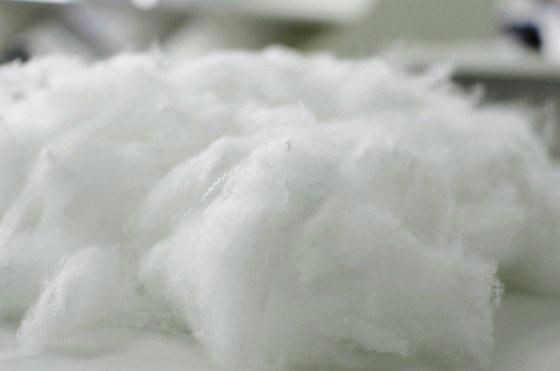
    Today, the interdependence between sustainability and innovation creates space for eco-friendly solutions. RPSF, or high-tenacity recycled polyester staple fiber, turns out to be one of the best materials boasting strength, durability, and environmental conservation. This blog examines the features, manufacturing techniques, and wide range of uses of high-tenacity RPSF while also discussing its increasing popularity in this modern world.


    To begin with, what is high-tenacity RPSF?

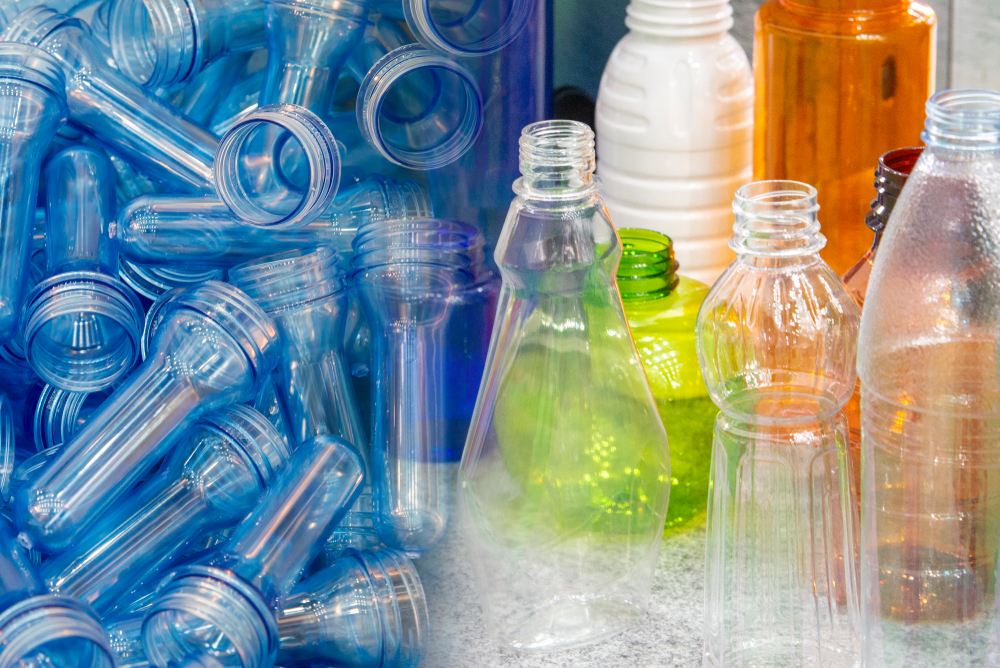
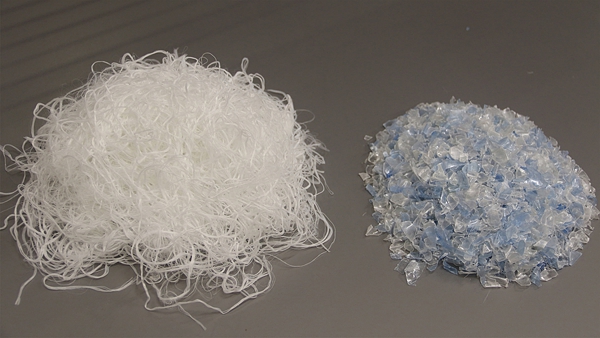
    High-tenacity recycled  is defined as recycled polyester fiber made from different applications, such as PET bottles, postconsumers, and any other application. The term “high tenacity” is used because of its ability to withstand great stress without breaking, which makes it suitable for use in harsh environments. This fiber helps greatly alleviate pollution with the use of recycled materials.


    Properties of High-Tenacity RPSF

    1. Strength and Durability: One major advantage of the high tenacity feature is that it gives the fiber high tensile strength fabric that is highly resistant to any wear and tear.
    2. Lightweight: Because of being lightweight, coupled with high tensile strength, this fiber is useful in many industries.
    3. Eco-Friendly: Protecting the environment by ensuring a net positive petrichor, through an upcycled product while also endorsing circularity.
    4. Moisture Resistance: The characteristic of the fiber is that there is strong moisture resistance and it can be stored for long periods without deteriorating.
    5. Thermal Stability: High temperatures can be dealt with which fuels the assurance of overlaps in the environmental weathering.
    6. Customizability: Driven easily to meet one’s standards, the fiber is supplied in multiple colors with multiple finishes.


    The Manufacturing Process of High-Tenacity RPSF

    1. Collection of Recycled Materials: The entire process starts with a collection of PET bottles and some other recyclable polyester materials.
    2. Cleaning and Sorting: Collected material is then cleaned from impurities and sorted for quality assurance.
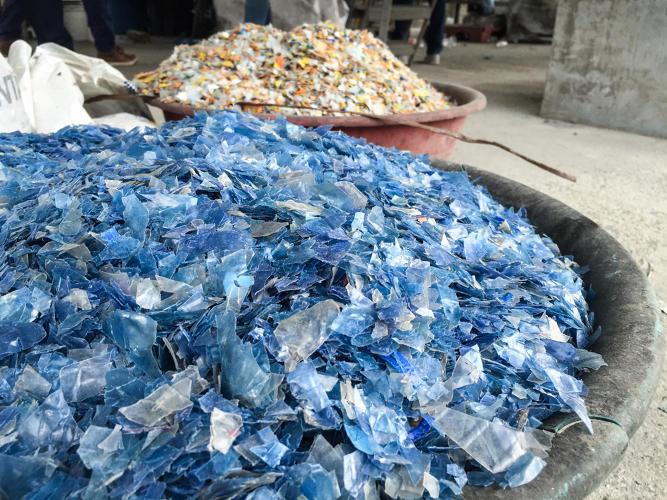
    3. Shredding: Cleaned material is then broken up into small flakes to ready them for cleaning and processing.
    4. Melting and Extrusion: The flakes are heated until becoming softened and formed into threads.
    5. Drawing and Crimping: The thread is pulled apart to strengthen the polymer’s molecule position and structure and then crimped to integrate the texture of the staple fiber.
    6. Cutting and Finishing: The fibers are trimmed to the required length and are ready for sewing and packaging.


    Uses of High-Tenacity Recycled Polyester Staple Fiber

    1. Textile Industry: RPSF has found substantial use in the textile industry for manufacturing garments, furnishing fabrics, and household items on account of its strength and comfort.
    2. Non-Woven Fabrics: Recycle Plastics fiber is also suitable for use in geotextiles, filters, and other industrial purposes.
    3. Automotive Sector: Similar cords have been used in a wide range of automotive textile applications like seat covers, carpets, and insulation.
    4. Construction: In the construction sector, rpsf finds use in reinforcing concrete and in the production of composite materials.
    5. Packaging: a is also suitable for use in green packaging materials.
    6. Outdoor Gear: Recycled polyester staple fiber is increasingly used in the manufacture of ropes, tents, and other high-strength outdoor equipment.

    Also Read: Understanding the Recycling Symbols on Water Bottles

    Why Choose High Tenacity Recycled Polyester Staple Fiber?

    With the current global shift towards greener technology, it only makes sense that the use of high-tenacity recycled polyester staple fiber is embraced. High-tenacity recycled polyester staple fiber has plenty of applications, and because it is strong, durable, and environmentally friendly, it is an ideal option for several purposes. Your business and other stakeholders will achieve their environmental strategies while assuring quality products & services via the implementation of this innovative material.

    To find out more on high-tenacity recycled polyester staple fiber and how to go about with other sustainable methods, visit Rakshitam. Their zeal for recycling and innovation places them at the forefront of the industry making a huge impact on building a better tomorrow.
  • Understanding the Recycling Symbols on Water Bottles

    Understanding the Recycling Symbols on Water Bottles

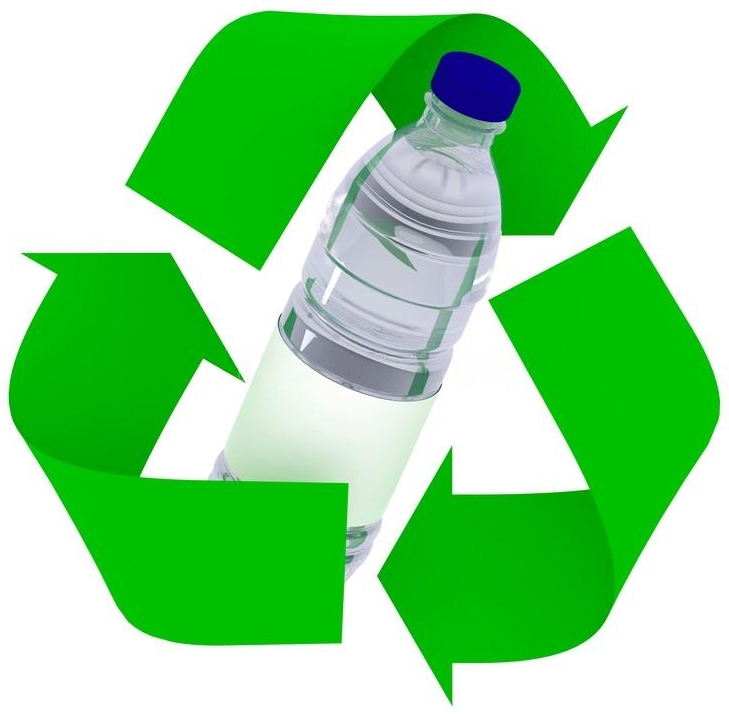
    What are those small triangular recycling symbols sometimes accompanied by a number or letters on the neck of a water bottle? These Resin Identification Codes, or RICs, are more than just marks: they carry very important information about what kind of plastic is used in the bottle and whether it’s recyclable. Knowing these symbols is important in making informed decisions about recycling and contributing to sustainability.

    This will help you know common recycling symbols found on water bottles, what they mean, and their effects in recycling.

    1. What are Recycling Symbols?

    Recycling symbols on water bottles are standardized codes designed to classify plastics based on chemical composition. First adopted by the Society of the Plastics Industry in 1988, the codes are there to guide the recycling community as well as the consumers on which kind of plastic and its possibility to be recycled.

    The symbols usually have a number in a triangular loop of arrows, along with letters that indicate the type of material.

    2. Common Recycling Symbols on Water Bottles

    Let’s look at the most common recycling symbols found on water bottles:

    a. PET or PETE (Polyethylene Terephthalate)
    Symbol: ♺ Code: 1
    PET is the most commonly used plastic for water bottles. It is light, transparent, and strong. PET bottles can be recycled and turned into items such as polyester fabric, carpets, or even new bottles.

    Recycling Tip: Empty and clean the bottle before recycling. Remove caps and labels if your local recycling guidelines require it.

    b. HDPE (High-Density Polyethylene)
    Symbol: ♺ Code: 2
    While less often for water bottles, HDPE is used in thicker, sturdier containers. It can be recycled and commonly becomes items such as plastic lumber, pipes, or detergent bottles.

    Recycling Tip: Crush the bottle to save space and check local rules for special requirements.

    c. LDPE (Low-Density Polyethylene)
    ♺ Code: 4
    Though less common for traditional water bottles, LDPE may be found in flexible pouches or squeeze bottles. LDPE is sometimes recyclable and often gets “downcycled” into trash bags or floor tiles.

    Recycling Tip: Find out if your facility takes LDPE plastics.

    d. Other (Mixed Plastics)
    Symbol: ♺ Code: 7
    This type of plastic may include polycarbonate and bioplastics that are not very easy to recycle. Bottles that have “7” on the code may have specialty plastics or compostable materials.

    Recycling Tip: Items bearing this code may not be collected in regular recycling programs, so it is recommended to search for special recycling facilities or composting facilities.

    3. Why Are These Symbols Important?

    Knowing what the recycling symbols mean helps you

    Correct Segregation of Plastics: Proper segregation ensures the efficient recycling of plastics, preventing contamination in the recycling streams.
    Reduce Waste: Identifying what can be recycled helps divert more waste from the landfills.
    Informed Decision: Knowing what is easier to recycle can sometimes influence your purchase decisions.

    4. Problems associated with Plastic Recycling

    Although the symbols are useful, the recycling systems themselves are not standardised everywhere. There may be areas that do not have facilities for processing certain types of plastic. Moreover, contamination from food residues or mixing of plastics with other non-recyclable materials also prevents recycling from happening.

    5. Responsible Recycling Tips

    Wash Before Recycling: Bottle residue should be cleaned off.

    Local Guidelines: Each municipality has its own set of rules regarding recyclables.

    Avoid Single-Use Plastics: Use a refillable water bottle to avoid unnecessary waste.

    Awareness: Let others know why recycling symbols are so important and the importance of waste management.

    The numbers on the water bottle recycling symbol are more than just a bunch of numbers. They tell you what kind of plastic it is, whether or not it can be recycled, and what its potential impact on the environment might be. Decoding these symbols and adopting responsible recycling habits can really make a difference in reducing plastic waste and keeping our environment safe. Next time you pick up that water bottle, take a glance at the symbol, understand its meaning, and recycle wisely!

  • How to Precisely Calculate the Tensile Strength of RPSF?

    How to Precisely Calculate the Tensile Strength of RPSF?

    Plastic bottles and plastic goods constitute one of the biggest threats to the environment, with millions of them being thrown away daily. This sort of waste not only accumulates in dumping areas but also has pollution potential, mainly for soil and water, with the possibility of emitting dangerous gases in the future.

    Plastic pollution can be said to have reached catastrophic levels worldwide, and even the inhabitants of the affected areas suffer. In this scenario, it has become urgent and crucial to recycle plastic waste.


    The Recycling Technologies that Assist Different Industries

    There is a paradigm shift in how industries have treated waste materials owing to the innovation of recycling technologies. Such innovation is Recycled Polyester Staple Fiber (RPSF), which is made from PET bottles and is used by textile, automotive, and home furnishing industries. With the help of cutting-edge recycling techniques, waste can be converted into fibres with excellent mechanical properties. It can be used in many sectors without negatively impacting the product’s performance.

    Tensile strength, which is one of the RPSF’s mechanical characteristics, enables many uses to be fulfilled. The amount of force or stress applied to a material on its stretching or pulling to the point it fails to hold the stress is called tensile strength. In the case of RPSF, it is of great importance to be able to comprehend and evaluate tensile strength since it is one of the prerequisites to the quality and industrial applications of the RPSF.


    Dissecting the Understanding of Tensile Strength on Recycled Polyester Staple Fiber (RPSF)

    It is important to understand that tensile strength is a major requirement for almost all materials, including RPSF. This has quite an impact on the fibre’s ability to withstand wear and tear, usage effectiveness, and the way the fibre can be used in yarns, ropes, and other industries. For RPSF, the tensile strength is dependent on these factors:

    1. Source Material Quality: The fibre’s tensile properties are influenced by the quality and purity of the PET bottles that were used.
    2. Manufacturing Process: The processes of extrusion and spinning have a direct impact on the total structure of the fibre.
    3. Additives: Reinforcements or stabilizers employed during the making of a product assist in increasing the tensile strength.


    The Way Tensile Strength Affects Technology and the Use of Waste Material

    Proper tensile strength is a significant disadvantage that will determine how effective the use of waste materials for construction, such as PET bottles, can be. The recycled fibres must have high tenacity, which means the fibres can be put to harsh uses, and thus, they can substitute virgin materials. For industries, this entails the following:

    • Cost Savings: The use of durable RPSF ensures that there is minimal wastage of materials and increases the lifespan of the product.
    • Sustainability: The fibres obtained from recycled materials are able to replace the use of fibres made from non-renewable resources.
    • Performance Assurance: In construction materials such as automotive interiors and geotextiles, the materials need to have a high tensile strength to ensure safety and functionality.


    Key Facts About Fabric Tensile Strength of RPSF

    1. Measurement Units: Typically, for any material, the tensile strength is represented in megapascals (Mpa) or pounds per square inch (Psi).
    2. Standards: To avoid disparity, ASTM and ISO guidelines are used to aid tensile strength tests.
    3. Applications: Transformed RPSF has a definitive tensile strength, making it usable in heavy-duty applications such as


    Methods for Evaluating the Tensile Strength of Recycled Polyester Staple Fibers (RPSF)

    To measure the tensile strength accurately, the following test methods are generally followed;

    1. Universal Testing Machine (UTM):
    • The sample fibre is held at one end and is pulled until the fibre snaps.
    • The machine automatically notes the best force that it can pull together with the elongation achieved at the breaking of the fibre.
    1. Tensile Testing Procedure:
    • Sample Preparation: The fibres to be used are cut to a standard specified length and allowed to equilibrate to a standard temperature and humidity.
    • Load Application: The sample is being pulled at a constant speed until it fails.
    • Data Analysis: The data retrieved will entail the force of tension created, the percentage elongation achieved, and the modulus of elasticity.
    1. Microscopic Inspection: Microscopic structural examination is useful in establishing any deficiency in the internal structure that affects tensile strength.
    2. Batch Testing: Testing a few samples of the batch helps in assessing the uniformity and profiles of the batch


    Key Takeaways

    • Recycling has enabled the RPSF to be thicker and thinner in different applications across industries.
    • Tensile strength is deemed a major performance indicator as far as RPSF usability and reliability in various applications are concerned.
    • The tensile strength of a product is sure to be affected by factors like the source material and the processes used in its manufacture.
    • The use of the test methods UTM and the batch analyses allows for sufficient computation and benchmarking of such products.
  • How Rakshitam Group Became the Leading Recycled Polyester Staple Fibre Company in India

    How Rakshitam Group Became the Leading Recycled Polyester Staple Fibre Company in India

    The Rakshitam Group has emerged as a trailblazer in the recycled polyester staple fibre (PSF) industry in India, setting benchmarks for innovation, sustainability, and operational excellence. As the world grapples with environmental challenges, the group’s unwavering commitment to eco-friendly practices and cutting-edge technology has propelled it to the forefront of this sector. This article delves into the journey of Rakshitam Group and the factors that have contributed to its leadership position in the recycled PSF market.

    1. Visionary Leadership and Strategic Planning

    At the core of Rakshitam Group’s success lies its visionary leadership. The founders recognized the growing demand for sustainable alternatives in the textile and fibre industry early on. By aligning their business objectives with global sustainability goals, they positioned the company as a pioneer in recycled polyester production. Strategic investments in infrastructure, technology, and human resources laid a strong foundation for the company’s growth.

    2. Focus on Sustainability

    The Rakshitam Group’s dedication to environmental sustainability has been a key differentiator. By recycling post-consumer PET bottles into high-quality PSF, the company has significantly reduced plastic waste that would otherwise end up in landfills or oceans. This process not only addresses the global plastic pollution crisis but also reduces dependence on virgin polyester, conserving natural resources like crude oil and energy.

    The group’s commitment extends beyond recycling; it continuously innovates to minimize its carbon footprint and optimize resource efficiency. By adhering to sustainable practices, Rakshitam Group has earned the trust of environmentally conscious clients and stakeholders.

    3. State-of-the-Art Technology

    Innovation has been the cornerstone of Rakshitam Group’s operations. The company has invested heavily in advanced recycling technologies and automated systems to ensure the highest quality of recycled PSF. From efficient bottle collection systems to state-of-the-art processing units, every aspect of the production cycle is designed to maximize output and maintain consistency.

    The adoption of cutting-edge technologies has enabled the group to produce PSF that meets global quality standards. This ensures that the fibre is suitable for a wide range of applications, including textiles, home furnishings, and industrial uses.

    4. Commitment to Quality

    Rakshitam Group has established itself as a trusted name in the industry by maintaining uncompromising quality standards. The company implements rigorous testing protocols at every stage of production to ensure the durability, texture, and performance of its fibres. This focus on quality has helped it forge strong relationships with domestic and international clients, driving its growth in competitive markets.

    5. Strong Supply Chain and Distribution Network

    The company’s robust supply chain and extensive distribution network have played a crucial role in its success. By fostering partnerships with suppliers and recyclers, Rakshitam Group ensures a steady supply of raw materials. Additionally, its efficient distribution channels allow the company to cater to clients across India and export markets, further strengthening its market position.

    6. Customer-Centric Approach

    Rakshitam Group places a high value on customer satisfaction. By understanding the unique needs of its clients and offering customized solutions, the company has built long-lasting relationships with customers in various industries. This customer-centric approach has not only boosted brand loyalty but also contributed to the company’s reputation as a reliable and innovative partner.

    7. Awards and Recognition

    The group’s achievements have been recognized with numerous awards and accolades, underscoring its contributions to sustainability and innovation. These recognitions have further cemented Rakshitam Group’s position as a leader in the recycled PSF industry.

    8. Future Outlook

    As the demand for sustainable products continues to rise, Rakshitam Group is poised for even greater success. The company plans to expand its production capacity, explore new markets, and invest in research and development to stay ahead of industry trends. By continuing to prioritize sustainability and innovation, the Rakshitam Group is well-equipped to maintain its leadership position and inspire others in the industry.

    Conclusion

    The rise of Rakshitam Group as the most leading recycled polyester staple fibre company in India is a testament to its vision, dedication, and relentless pursuit of excellence. By championing sustainability, investing in technology, and focusing on customer satisfaction, the company has set a gold standard in the industry. As it continues to grow and innovate, Rakshitam Group not only contributes to a greener planet but also exemplifies the transformative potential of responsible business practices.

  • Exploring the Booming Market Trends of Recycled Polyester Staple Fibre (RPSF)

    Exploring the Booming Market Trends of Recycled Polyester Staple Fibre (RPSF)

    The requirement of RPSF in global markets is attracting new investments that are further propelled by the worldwide focus towards sustainability, which has led to the idea of this recycling polyester. With regard to that, this industry that uses this eco-friendly alternative will continue to expand while contributing to the overall economy. Therefore, let us examine the trends related to RPSF and its impact on the modern society.


    Paybacks of Sustainable Recycled Polyester Staple Fibre (RPSF) Used Globally

    The benefits of RPSF are multifaceted, making it a preferred choice across industries:

    • Environmental Conservation
    • RPSF production reduces landfill waste by recycling PET bottles and other plastic waste.
    • It reduces greenhouse gas emissions and saves energy compared to virgin polyester production.
    1. Assorted Refers
    • Apart from apparel and rugs, it is also applied in upholstery, structures, and automobiles. Such a range is incredible as it is usually limited to a few items only.
    1. Cost-Effectiveness
    • As RPSF is produced from recycled resources which saves the price of raw materials, the business can save a lot of money.
    1. Improved Performance
    • Due to the increased heat and moisture resistance, RPSF uses it for multiple industrial tasks.


    Economic Assistance by Global Adoption of Recycled Polyester Staple Fibre (RPSF)

    In the first place, using RPSF is not only advantageous to the environment but has economic advantages also as follows:


    • Job Creation
      • Every recycling and manufacturing activity generates jobs across the world, whether in developed countries or developing countries.
    • Trade Opportunities
      • The nations that embrace RPSF technologies can grow their exports, thereby improving their economy.
    • Reduced Import Dependence
      • Recycled materials come from local sources and thus reduce the dependence on imported materials. 
    • Incentives and Support
      • Countries all over the world have introduced grants and incentives for recycling schemes, which is also a plus for the RPSF market. 

    Swift Growth and Expansion of PET Recycling Business

    New Developments In Direct Spindle PET Recycling Business The business of PET recycling has grown tremendously due to the need for recycling at this hour. Significant developments of this growth are as follows:

    1. Technological Advancements
      • Improvements in the recycling of RPSF materials have improved the process’s efficiency and production characteristics.
    2. Increased Awareness
      • There is a growing consumer trend of using only environmentally friendly products, and this has increased the appetite for RPSF.
    3. Corporate Responsibility
      • Recycled materials are now more commonplace in business supply chains as companies try to win customers who value green businesses.
    4. Global Regulations
      • Stringent environmental policies and bans on single-use plastics have fueled the need for PET recycling and RPSF production.


    About Rakshitam Ecofiber

    Founded on the vision of ensuring a plastic-free environment, Rakshitam Ecofiber is a firm dedicated to full-scale re-purposing of plastic waste. In contributing to this effort, Rakshitam Ecofiber considerably decreases the adverse effects of plastic waste by recycling plastic bottles into polyester staple fibre and converting them into threads used for production.

    • Sustainability Focus
      • Rakshitam In its operations, Rakshitam Ecofiber minimizes the use of harmful chemicals such as heavy metals which is compliant with its goal to reduce waste during the entire supply chain.
    • Quality Assurance
      • Various sectors of the economy utilize their products because their advanced technology enables them to produce RPSF that is internationally compliant.
    • Community Impact
      • With Rakshitam Ecofiber working alongside local waste collection and local communities, it can promote infrastructural and economic growth.


    Key Takeaways

    • Growing Demand: RPSF is seeing more demand than ever on a global scale, thanks to the need for sustainability and the change in consumer behaviour.
    • Economic and Environmental Benefits: RPSF is a suitable replacement due to its environmental benefits and its ability to create more bubbles in the economy by creating more jobs and being traded.
    • Innovation in Recycling: Better PET recycling processes can improve the means of making RPSF.
    • Pioneering Efforts: Rakshitam Ecofiber and other firms are key players in the push for the sustainable agenda and producing RPSF products.

    Conclusion

    Recycled Polyester Staple Fibre (RPSF) is not only a product but rather a vision for a sustainable and affordable future. It is time for industries and consumers to actively engage in exploiting RPSF and work towards the cause of saving the planet. The booming market trends indicate a bright future for RPSF and represent a cornerstone for the sustainable revolution.

  • The Environmental Benefits of Using rPET Resins in Food Packaging

    The Environmental Benefits of Using rPET Resins in Food Packaging

    The awareness of environmental sustainability over the past years has forced industries to change their practices and move towards greener methods. Among such measures, rPET resins in food packaging is considered one of the significant moves toward the reduction of impact on the environment. rPET, a resin from recycled plastic bottles and containers, offers a number of benefits that are environmentally friendly and also economically sound. This article discusses the environmental impact of rPET resins on food packaging and explores how they can help a greener future.

    Plastic Waste Reduction

    Perhaps the most compelling argument to use rPET resins in food packaging is plastic waste reduction. The earth produces millions of tons of plastic every year, most of which end up in the landfill or in natural ecosystems that pollute them. Manufacturers convert used PET bottles and containers into rPET resins, hence diverting plastic waste away from landfills and oceans. This recycling process minimizes the volume of wastes and reduces the need to produce virgin plastic, eliminating the source of plastic pollution.

    Conservation of Natural Resources

    Although high-volume usage of virgin PET requires enormous reservoirs of crude oil and natural gas, which are very precious depleting resources, its production of rPET-based resins relies on recycling existing plastic waste instead of raw materials, making them unnecessary completely. Further, the consumption of rPET by industries conserves natural resources further. This also saves the pollution caused by the extraction and further processing of the resources.

    Carbon Footprint Reduction

    The production of rPET resins consumes relatively less energy compared to the virgin PET. Studies reveal that rPET can decrease greenhouse gas emissions by as much as 60% in comparison to the virgin PET production. This is through reduction in energy usage in recycling and avoidance of emissions related to the extraction and processing of raw materials. With the adoption of rPET in food packaging, companies can significantly reduce their carbon footprint, aligning with global efforts to combat climate change.

    Support for a Circular Economy

    rPET resins are highly significant in advancing the circular economy, which is a system that places emphasis on reusing and recycling materials to prevent waste from happening. As applied in food packaging, rPET manifests the potential of a close-loop system where materials are continuously recycled and repurposed. In doing so, it not only avoids waste but also creates value by developing industries for recycling as well as encouraging innovation in sustainable package solutions.

    Reduced Virgin Plastics Dependence

    The demand for virgin plastics has been a push factor for plastic pollution and environmental degradation for many years. If virgin PET is replaced by rPET, then the new production of plastics will become less dependent on industries, thus saving resources and countering the environmental impacts in virgin plastic production, such as habitat destruction and water pollution, as well as greenhouse gas emissions.

    Consumer Awareness

    This would, in turn, communicate a strong message to the consumers about the importance of recycling and sustainability. Whenever a consumer finds a product packaged in recycled material, they tend to buy brands that take responsibility for the environment. Such awareness would promote increased recycling rates and motivate people to choose the environment-friendly options that could be further carried beyond the packaging.

    Food Safety

    Although the environmental benefits are extremely crucial, food packaging materials should not pose a health hazard to human consumption. rPET resins undergo extreme cleaning and processing so as to be free of stringent regulations in terms of food-grade packaging. Modern technologies ensure that the recyclable material is contamination-free and, thus safe for the storage of food and beverages. With dual benefits such as environmental sustainability and food safety, rPET has been chosen for the ideal option of green packaging solutions.

    Innovation in Recycling

    Increasing demand for rPET resins has stimulated new innovations in recycling technologies. Improved sorting techniques, new cleaning processes, and enhancements in the lines enhance not only the efficiency but the quality of recycled materials too. All this contributes both to the development of the packaging industry and to the overall infrastructure of recycling and the ease with which it will eventually be possible to recycle other types of plastics and other materials.

    Economic activities boom

    The use of rPET in food packages goes to support the industry, hence creating employment in a nation and boosting economies as a whole. Where people need more recycled items, so do they necessitate proper collection, sorting and processing mechanisms. This results in the stronger recycling industry but propels a greener economy.

    Conclusion

    Of all the environmental benefits as depicted above, the use of rPET resins for food packaging is true without doubt. rPET is a sustainable alternative to traditional packaging materials by reducing plastic waste, conserving resources, lowering carbon emissions, and supporting a circular economy. It also ensures food safety while raising consumer awareness, making it a versatile and practical solution. It means we move closer to the more sustainable future where material is valued, resources conserved, and the earth preserved for generations to come. And as industries and consumers embrace the shift toward rPET, we look forward to a brighter tomorrow.

  • Are PET Bottles Safe for All Types of Drinks?

    Are PET Bottles Safe for All Types of Drinks?

    PET is one of the most commonly used packaging materials in the beverage industry. Lightweight, shatterproof, and recyclable, PET bottles are used for water, soda, juices, and even alcoholic beverages. Questions regarding their safety for various types of drinks often arise, especially with increased consumer awareness about health and sustainability. This article would outline the safety of PET bottles, their use in various drinks, and some of the best practices regarding the use of PET bottles.

    Understanding PET Bottles

    PET is one of the most common plastics used in packaging. It is tough, transparent, and shatter-resistant. The chemical inertness of PET allows it to hold carbonated and non-carbonated beverages. PET bottles are also approved by health authorities for food and beverage applications. Examples include the U.S. Food and Drug Administration (FDA), the European Food Safety Authority (EFSA), and others around the world.

    Safety of PET Bottles

    1. Approved by Health Authorities

    PET bottles are put through comprehensive testing before they are approved for usage. Regulatory agencies make sure that PET does not leach into the beverages it holds hazardous chemicals under normal conditions of usage. Studies have been conclusive in showing that PET bottles are nontoxic and do not pose a danger to human health when used properly.

    2. Harmless to Chemicals

    One common misconception is that PET bottles contain Bisphenol A (BPA), a chemical found in some plastics that has raised health concerns. PET is completely BPA-free. Additionally, PET bottles do not contain phthalates, another group of chemicals often associated with plastics.

    3. Resistant to Contamination

    PET’s impermeable surface prevents bacteria and other contaminants from penetrating the material, making it safe for storing beverages over extended periods.

    Suitability for Different Types of Drinks

    PET bottles are safe for most beverages, but the performance and life vary with the type of drink being stored.

    1. Water and Non-Carbonated Beverages

    PET bottles are very suitable for water and non-carbonated beverages like iced tea, juice, and sports drinks. Their lightweight nature and durability make them ideal for on-the-go consumption.

    2. Carbonated Drinks

    Other carbonated drinks, such as soda and sparkling water, can be safely packaged in PET bottles because they can withstand the pressure generated by carbonation from inside without affecting the integrity of the bottle.

    3. Liquors

    PET bottles are mainly used for some beverages like beer or premixed cocktails that contain a low content of alcohol. High alcohol drinks have fewer applications since high levels of alcohol may affect the PET structure gradually with time.

    4. Hot Liquids

    PET bottles are not acceptable for hot drinks. At high temperatures, the material can deform and increase chemical leaching. For hot drinks, glass or other thermoplastics specifically developed for such use are preferable.

    5. Acidic Drinks

    High acidity beverages, like citrus juices or some energy drinks, are usually safe in PET bottles. However, the long storage of highly acidic drinks may degrade the material a little bit.

    Factors to Consider for Safe Use

    While PET bottles are safe for most beverages, there are factors to consider to ensure optimal performance:

    Avoid Extreme Temperatures

    Exposing the PET bottles to high heat sources, and direct sunlight for hours could weaken the material with potential trace chemicals release within the beverage.

    One Use versus Reuse

    They are meant to be a single-use product. Many repeats use will cause scratches that turn into cracks, the dirt, and the bacteria chance and, at times, are easy to clean.

    Storage Length

    Long-term storage in PET bottles is usually safe for water and non-carbonated drinks. However, carbonated and acidic drinks should be consumed within the time frame recommended by the manufacturer.

    Proper Recycling

    For environmental sustainability, always recycle PET bottles. Many beverages are now sold in recyclable PET packaging that can be processed into new bottles or other products.

    Environmental Considerations

    PET bottles may be safe for drinks but definitely a problem for the environment. Annually, millions of PET bottles are disposed of irresponsibly, contributing to plastic litter. However, of all plastics, PET is among the most recycled ones; therefore, using recycled PET can dramatically reduce waste and consumption of energy.

    Conclusion

    PET bottles are safe and versatile to use for packaging a wide range of beverages, including water, carbonated drinks, and juices. They are light in weight, durable, and cost-effective, which makes them a preferred choice for manufacturers and consumers alike. However, they should be used responsibly, avoiding exposure to high temperatures and recycling practices to reduce environmental impact.


    Understanding the properties and limitations of PET bottles allows consumers to consume their beverages with confidence, knowing they are using a safe and sustainable product.

  • Why rPET is the Safest and Most Sustainable Choice for Food Packaging in India

    Why rPET is the Safest and Most Sustainable Choice for Food Packaging in India

    In India, the food packaging sector is being turned upside down courtesy of the rise of Recycled Polyethylene Terephthalate (rPET). rPET’s emergence as the darling of food packaging can be attributed to the heightened awareness of sustainability among consumers coupled with strict food safety practices. In this blog, we will delve into the reasons rPET comes out as the best and the most environmentally friendly alternative for food-grade applications in India.

    food grade

    What is rPET?

    rPET is obtained from the scraps of PET bottles, food containers, and other such consumer goods. These wastes are sourced, sanitized, and then converted into premium granules or flakes through refinement. This cycle not only enhances the life cycle of PET but also curbs the requirement of manufacturing new plastic from scratch.

    Food Safety Standards and rPET

    1. Regulatory Compliance: Food grade rPET material used in India for packaging has to adhere to certain standards, which could include BIS (Bureau of Indian Standards) and FDA (Food and Drug Administration), certification as provided by the EFSA (European Food Safety Authority). With these certifications, rPET is endorsed for usage in direct contact with food and beverages.

    2. Purity Levels: Thanks to advanced recycling technologies, it is possible to obtain rPET devoid of any contaminants, satisfying the most severe purity levels of food packaging materials. Also, processes like chemical recycling further improve the safety and value of rPET.

    3. Traceability: The manufacturers of the leading rPET products make sure to maintain the traceability of the material at every point in the chain making them trust that it is of food-grade quality.

    Environmental Advantages of rPET

    1. Reduced Carbon Footprint: Consumption of rPET is reported to lessen the amount of Greenhouse gases that are emitted into the atmosphere in comparison with the use of virgin PET. Converting plastic waste so that it is not disposed of in a landfill or ocean, aids in a circular economy.

    2. Energy Efficiency: Compared to the production of virgin plastic, the production of rPET takes up less energy and is therefore more sustainable for industrial use.

    3. Waste Reduction: The use of rPET in food packing helps tackle the serious menace posed by plastic pollution, which resonates with India’s Swachh Bharat Abhiyan and other programs claiming to reduce waste management.

    Advantages for the Food Packaging Sector

    1. Versatile Applications: Since rPET may be produced in the form of bottles, trays, and containers, it can be used for a number of food packages.

    2. High Resistance: rPET obtains the strength, and high resistance of virgin PET making sure the food product does not get rotten in order to keep the food product safe.

    3. Marketing and Advertising: Most competitors prefer to use products that are easily visible and rPET is an excellent substitute as it is non-concealed and clear.

    4. Affordable: rPET can be considered a cheap option since the influx of sustainable materials in the market is high which creates further demand for this specific resource.

    Rising Use of rPET in India

    The application of rPET in the Indian market is shifting upwards as a result of government initiatives and business goals due to the want to be more sustainable. Companies such as Coca-Cola and Pepsi have started rPET packaging lining up with consumer preferences. Also, there are local companies that are installing modern recycling technologies to have higher-grade food rPET.

    Challenges and Innovations

    1. The Collection and Recycling Systems: The complete unorganized structure of collection regarding rPET waste is something that makes it difficult for industries specializing in Indian rPET production to increase their output levels numerous fold. Nonetheless, new and inventive approaches such as the deposit return scheme and public-private partnerships

    2. Technology Upgrades: Advances in recycling technology such as chemical depolymerization are making it possible to achieve near-virgin quality rPET, boosting its safety and usability for food packaging.

    3. Consumer Awareness: Educating consumers about the safety and benefits of rPET can drive its acceptance and adoption, creating a larger market for sustainable packaging solutions

  • Top Products Made from Polyester Staple Fibre You Didn’t Know About

    Top Products Made from Polyester Staple Fibre You Didn’t Know About

    One of the most versatile materials in the textile and manufacturing industries is polyester staple fibre. Once used only for clothing and fabrics, PSF has undergone tremendous evolution and emerged far beyond its conventional uses. Today, this material is a critical component in many ranges of products, and some of these may really surprise you. Now, let’s look at some of the lesser-known products made from polyester staple fiber and see why this material has become so highly sought after.

    Plush Toys

    Plush toys are the most coveted childhood good, and most of these owe their softness and resilience to polyester staple fiber. PSF is mainly used as filling in plush toys because it is light, hypoallergic, and easy to clean. This makes sure that shape will be maintained long after extensive use-why a manufacturer would love it.

    Furniture Upholstery

    Polyester staple fibre mainly plays a significant role in the furniture industry, particularly in upholstery. PSF is used as padding for cushions, sofas, and chairs which are comfortable and rugged. Its resistance to wrinkles, moisture and wear gives a wide application to furniture that needs to maintain appearance and functionality over a long time.

    With this, PSF is often mixed with other material to make the upholstery fabrics attractive and strong enough while at the same time retaining style and durability.

    Mattresses and Pillows

    Materials for comfortable mattresses and pillows must be those that give good loft and support. Most of these are filled with polyester staple fibre. Therefore, PSF is perfect for bedding products due to its anti-microbial properties and resistance to allergens, which makes it ideal for sensitive people.

    Recycled PSF, derived from post-consumer plastic, is also gaining importance in the bedding industry as a sustainable alternative to the traditional materials.

    Automotive Interiors

    Polyester staple fibre has been a surprise in the automotive world. It is used in car seat padding, headrests, and door panels, which help to provide comfort and sound insulation. PSF also plays a major role in car carpets and floor mats, where its strength and moisture resistance are called into play.

    Increasingly, the car interior is made of recycled PSF, because auto makers want to produce eco-friendly cars.

    Geotextiles

    Geotextiles are commercially produced engineering textiles for civil engineering construction applications such as pavement construction, soil erosion, and drainage. Non-woven geotextiles are most widely used with polyester staple fiber based mainly on its tensile strength, flexibility, and durability against environmental factors such as UV and moisture.

    PSF is more viable to use in infrastructure projects due to the fact that it’s more durable and less costly when long-term performance is desired.

    Filters

    The third most infrequent application of polyester staple fiber is in manufacturing filters. Because of finer fibers, it finds use in air and water filters because the particles catch well. From air purifiers to industrial water filters and HVAC systems, PSF manages to ensure proper performance of these appliances by achieving optimum filtration efficiency.

    It is also fit for use in highly demanding environments because of its resistance to chemicals and heat.

    Insulation Material

    PSF is used for the thermal and acoustic insulation of buildings. PSF is an excellent material for the following products: wall panels, roofing, and flooring because it is light in weight and has an insulating property.

    Recycled PSF has gained a great interest in green building projects. It reduces dependency on non-renewable sources and yet provides a sound solution to insulation problems.

    Shopping Bags

    With the momentum on single-use plastics, reusable shopping bags have gained popularity, and most of them are made from polyester staple fibre. PSF-based bags are lightweight, tear-resistant, and durable, which makes them a practical and environment-friendly alternative to plastic bags.

    Most of these bags use recycled PSF, hence promoting sustainability and minimizing plastic waste within the environment.

    Artificial Flowers and Plants

    Among other decoration items, artificial flowers and plants are the most basic for a home and an office. Polyester staple fiber is among the most common materials in the making of artificial flowers and plants. PSF has facilitated the production of very realistic-looking flowers and leaves that are vigorous and easy to clean.

    It is highly flexible, and it holds dye very well, making it an excellent choice for creating vivid and lifelike designs.

    Cleaning Equipment

    Most of cleaning equipment’s like mops, dusters, and microfibers are made from PSF. As far as dust particles or moisture trapping by PSF tight structure makes it one of the best material offering a clean effect.

    PSF microfiber cloths are specifically in demand because they do not scuff and leave no lint on the object being cleaned, which for delicate electronics, glassware, and any delicate surface, is important.

    Polyester staple fibre is one versatile material and is used for applications other than textile. It is found in stuffed toys and mattresses, to automotive interiors and geotextiles, and proved itself to be of great value across industries.

    Its recyclability has further increased its appeal in making it an important player in the shift towards sustainable practices. As innovation continues, so will the product range developed from polyester staple fibre; it will have proven significant in shaping a more sustainable and efficient future.

    Polyester staple fibre is definitely revolutionizing industries in ways that might not be as noticeable-comfortable, durable, and sustainable.

  • Why Recycled Polyester is Transforming the Textile Industry

    Why Recycled Polyester is Transforming the Textile Industry

    One of the world’s largest and most resource-intensive sectors is the textile industry, and it is under pressure to go green. At the helm of this revolution is recycled polyester (rPET), which not only is friendly to the environment but also versatile and economical. With the need to balance economic growth with environmental responsibility, recycled polyester is now an important player in this field. Here’s why recycled polyester is transforming the textile industry.

    Knowing Recycled Polyester

    Recycled polyester is generally referred to as rPET. This fiber comes from post-consumer plastic waste, which can include the PET bottles thrown away by consumers or other types of industrial polyester waste. Through collecting, cleaning, and melting the plastic, one obtains high-quality fibers to weave into fabric. It looks and feels and even feels just as strong as virgin polyester even though it was recycled from something that has been disposed of in a landfill or incinerator.

    Environmental Challenges

    The textile industry has significant environmental challenges, such as high water consumption, greenhouse gas emissions, and waste generation. Recycled polyester has a more sustainable production process.

    Reduce Plastic Waste: Plastic pollution is a global crisis, with billions of PET bottles being thrown away every year. rPET reduces the volume of plastic waste in landfills and oceans by converting this waste into textile fibers.

    Reduce Carbon Footprint: rPET requires much less energy to produce than virgin polyester. This means a reduction in greenhouse gas emissions and is in line with global efforts to combat climate change.

    Saves Natural Resources: Since rPET is produced from existing materials, natural resources are conserved and the new raw material is also preserved.

    Multi-usage Applications

    One of the most compelling reasons for why recycled polyester is finding its space in the textile industry is due to versatility. rPET can be used in a variety of products like clothes, accessories, home textiles, and industrial fabrics.

    Fashion Industry: High fashion houses are using rPET in all types of products such as active wear, casual wear, and haute couture.

    Outdoor Gear: This rPET is very suited for outdoor clothing such as jackets, backpacks, and tents due to water resistance and durability.

    Home Textiles: The recycled polyester is being applied to curtains, upholstery, and carpets to allow people to have an eco-friendly interior design.

    Meeting Consumer Demand for Sustainability

    Presently, the green-conscious consumer demands greater sustainability in purchasing decisions. Such change in the nature of consumers makes green products more desirable, and companies are selecting sustainable materials such as rPET for producing goods.

    Premium products fulfilling the needs and values of the environmentally conscious consumer serve as a perfect answer for rPET in satisfying such consumers. Labels or marks related to recycled material have now become a good marketing tool as they enhance the reputation of brands and contribute to consumer loyalty.

    Circular Fashion Support

    Recycled polyester is one of the pillars of circular fashion, the aim behind which is to achieve an almost closed loop for this industry. In such a structure, materials are continuously used repeatedly over and over again, further reducing waste and maximizing the lifecycle of products.

    An example is recycling polyester garments into new fibers, reducing virgin resource dependence and encouraging sustainable production cycles. As recycling technologies continue to evolve, the vision of a fully circular textile industry draws closer.

     rPET Overcoming Obstacles

    rPET has several advantages but still suffers from challenges with the large-scale use of its application:

    Quality Control: It is hard to ensure the constancy and quality of rPET fibers when working with materials collected from different waste streams.

    Cost: Sometimes, rPET production can be more costly than virgin polyester because it involves complicated recycling processes.

    Scaling: The recycling infrastructures have to be developed, and production capacity has to be scaled up to provide for the increased demand for rPET.

    These industry players have now started to address the said issues through innovation, cooperation, and investment in rPET technologies.

    Trends around the World Promoting rPET Use

    Some of the global trends support increased adoption of rPET: The governments globally are enforcing legislation that eliminates plastic waste generation and enhances recycling. Therefore, it becomes easy to adopt rPET.

    Company Sustainability Targets: Many companies have reported bold targets for sustainability. For example, such companies claim the use of 100% recycled materials in their productions by a certain date.

    Consumer Awareness: Awareness about the environmental impact of textiles has driven demand for sustainable alternatives.

    Future of Recycled Polyester

    In the context of a growingly sustainable textile industry, recycled polyester will continue to be at the forefront of that development. Improvements in recycling technology, including chemical recycling, will further increase the quality and scalability of rPET. Interactions between brands, governments, and NGOs are driving the way toward a more sustainable textile ecosystem.

    The future of recycled polyester lies in its ability to be integrated into a more circular economy, where materials would be reused and waste at minimum. This vision meets the global efforts to help create a more sustainable, resilient textile industry.

    Conclusion

    Recycled polyester is much more than a sustainable material; it is a change in production and consumption by the textile industry. rPET, by addressing environmental challenges, meeting consumer demand, and supporting circular fashion, transforms the industry for the better.

    As brands and manufacturers continue to innovate and focus on sustainability, recycled polyester will shape the future of textiles. The future of the textile industry will be balanced with economic growth and environmental stewardship.