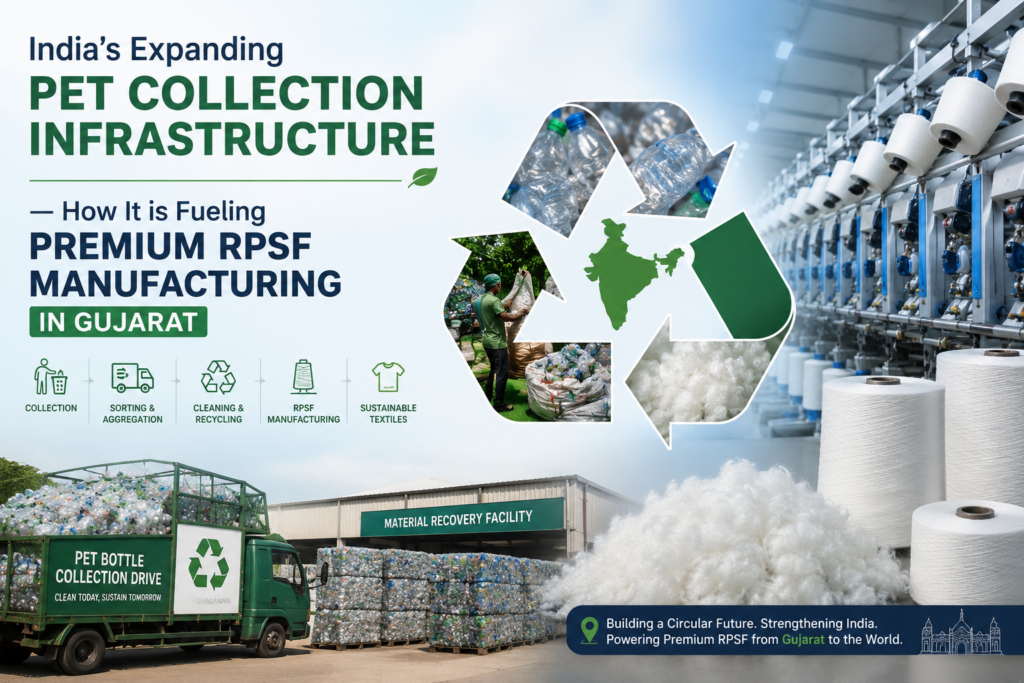
Plastic waste has become one of the largest environmental challenges in India. With rapid urbanization and rising consumption, the country generates millions of tons of plastic waste every year. To address this problem, the government has rolled out several policies and regulations aimed at promoting recycling and cutting down plastic pollution. Understanding these government policies and the future of plastic recycling in India is vital for businesses, manufacturers, and environmental advocates.
Overview of Plastic Recycling in India
India is among the top countries in plastic recycling, with a large informal sector playing an important role in collecting and processing plastic waste. However, issues like improper waste sorting, poor infrastructure, and low awareness continue to hamper the effectiveness of recycling systems.
To tackle these challenges, the government has established structured policies to enhance the plastic recycling ecosystem.
Key Government Policies on Plastic Recycling
1. Plastic Waste Management Rules (PWM), 2016
The Plastic Waste Management Rules, 2016, marked an important step toward organized waste management. These rules introduced guidelines for waste sorting, collection, and recycling.
Key highlights include:
- Mandatory sorting of plastic waste
- Responsibility of local authorities for waste management
- Promotion of recycling and reuse practices
2. Extended Producer Responsibility (EPR)
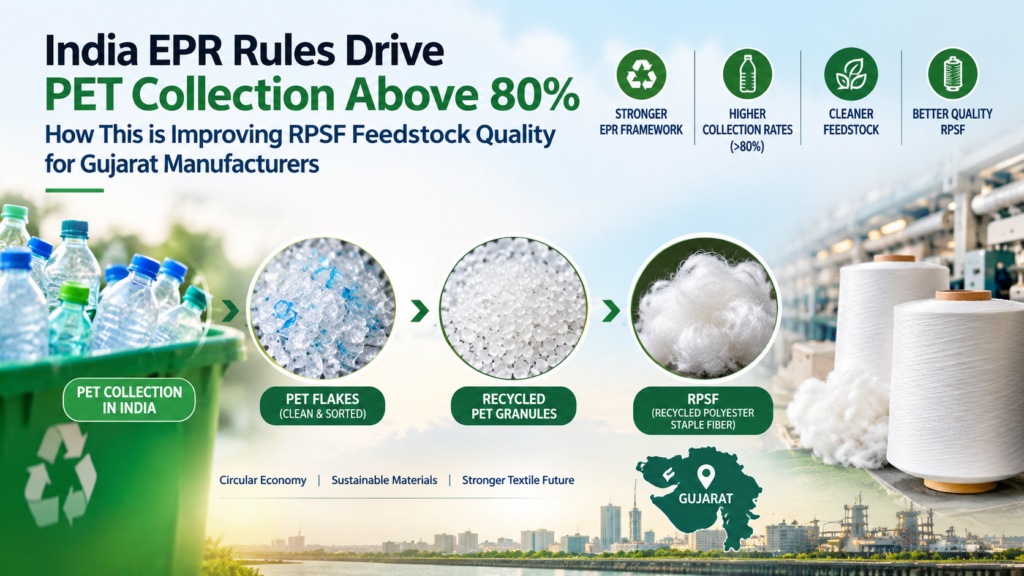
One of the most significant policies is Extended Producer Responsibility (EPR). Under EPR, manufacturers, importers, and brand owners are responsible for handling the plastic waste generated from their products.
This policy encourages companies to:
- Use recyclable materials
- Invest in recycling infrastructure.
- Reduce plastic use
3. Ban on Single-Use Plastics
The Indian government has placed restrictions on single-use plastics, including items like plastic bags, straws, and cutlery. This move aims to cut plastic waste at the source and support sustainable alternatives.
4. Swachh Bharat Mission
The Swachh Bharat Mission has also enhanced waste management systems across the country. It promotes cleanliness, waste sorting, and recycling awareness at the community level.
Trends Shaping the Future of Plastic Recycling in India
Increased Use of Recycled Materials
Industries are increasingly using recycled plastics like rPET for packaging and manufacturing. This change is driven by both regulatory demands and consumer interest in sustainable products.
Technological Advancements
Innovations in recycling technologies are enhancing the quality of recycled plastic, making it suitable for high-end applications such as food-grade packaging and industrial use.
Growing Investment in Recycling Infrastructure
Both government and private sectors are investing in modern recycling facilities to boost efficiency and capacity.
Rising Consumer Awareness
Consumers are becoming more aware of environmental issues, prompting brands to adopt eco-friendly packaging and recycling practices.
Opportunities for Businesses
The evolving regulatory landscape offers several opportunities for businesses:
- Building recycling plants and infrastructure
- Producing recycled materials like PET flakes and RPSF
- Creating sustainable packaging solutions
- Collaborating with government initiatives
Companies that follow these policies can gain a competitive edge and enhance their brand image.
Challenges in Plastic Recycling
Despite progress, India still faces challenges like:
- Inadequate waste sorting
- Dependency on the informal sector
- Limited awareness in rural areas
- High costs of advanced recycling technologies
Addressing these issues will be essential for achieving long-term sustainability goals.
Also Read: Industrial Uses of PET Chips in Fibre, Film, and Bottle Manufacturing
Conclusion
The government policies and future of plastic recycling in India show a strong commitment to sustainability and environmental protection. With initiatives like EPR, plastic bans, and improved waste management rules, India is moving toward a more organized recycling system.
As technology improves and awareness grows, plastic recycling in India is expected to expand significantly. Businesses that embrace sustainable practices and adhere to government policies will be crucial in shaping a cleaner and greener future.