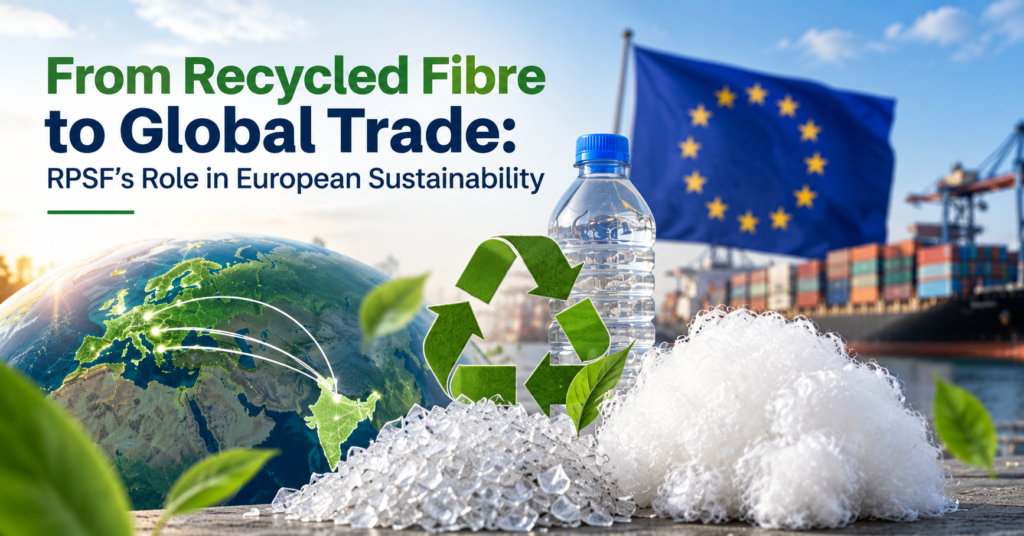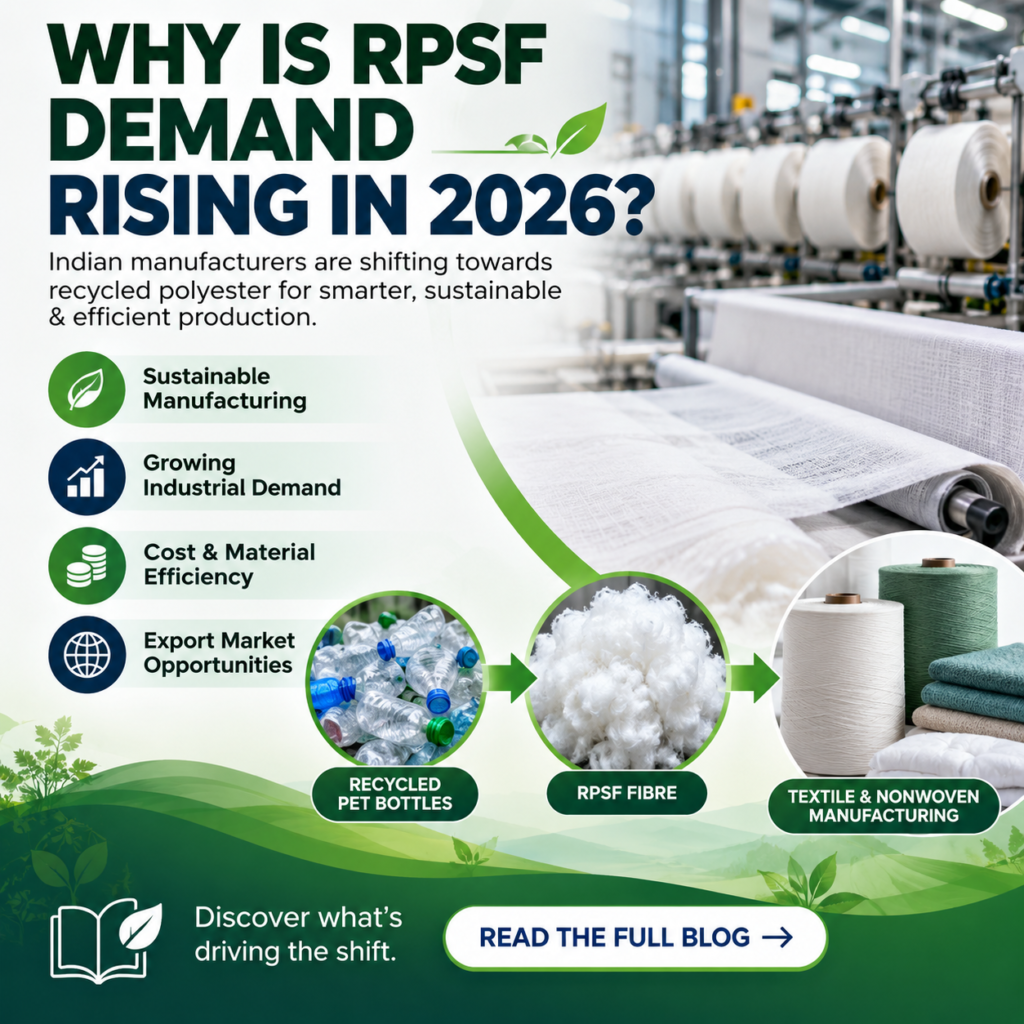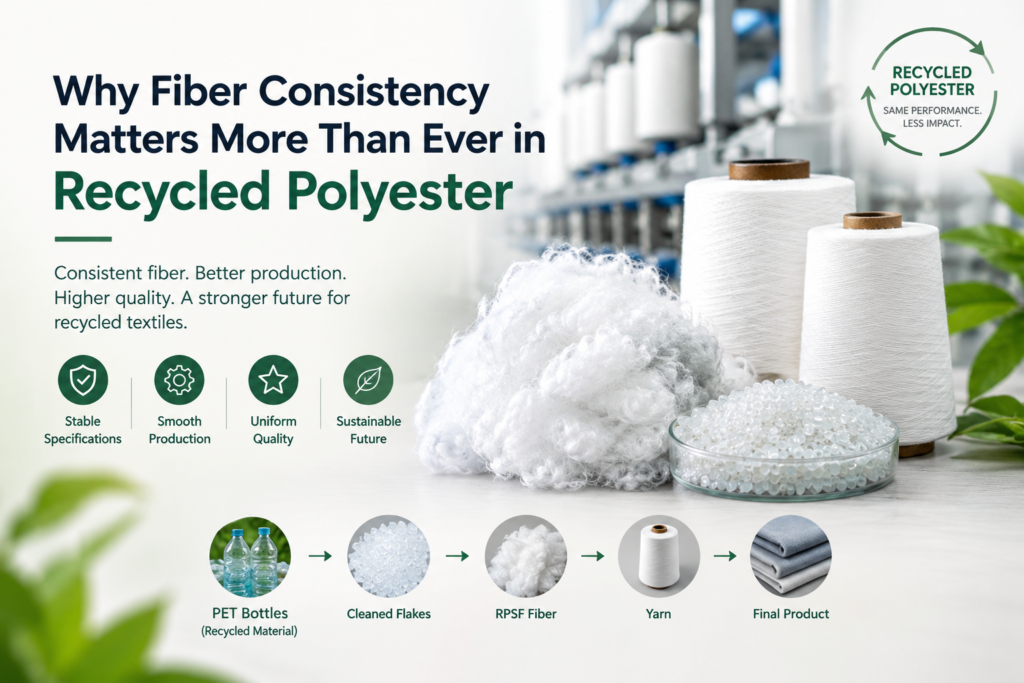
Sustainability has become one of the most important priorities in the textile and home furnishing industries in recent years. The modern consumer is more aware of the environmental issues and they are consciously choosing eco-friendly products for their home. This has created a demand for sustainable raw materials and Recycled Polyester Staple Fibre (RPSF) is one such material playing a major role.
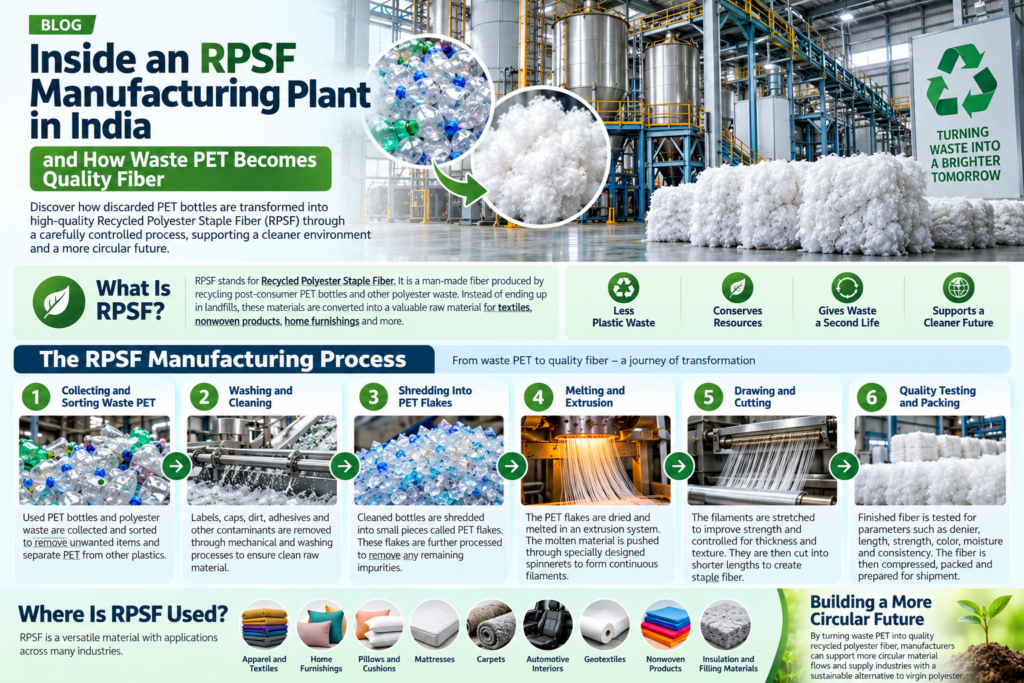
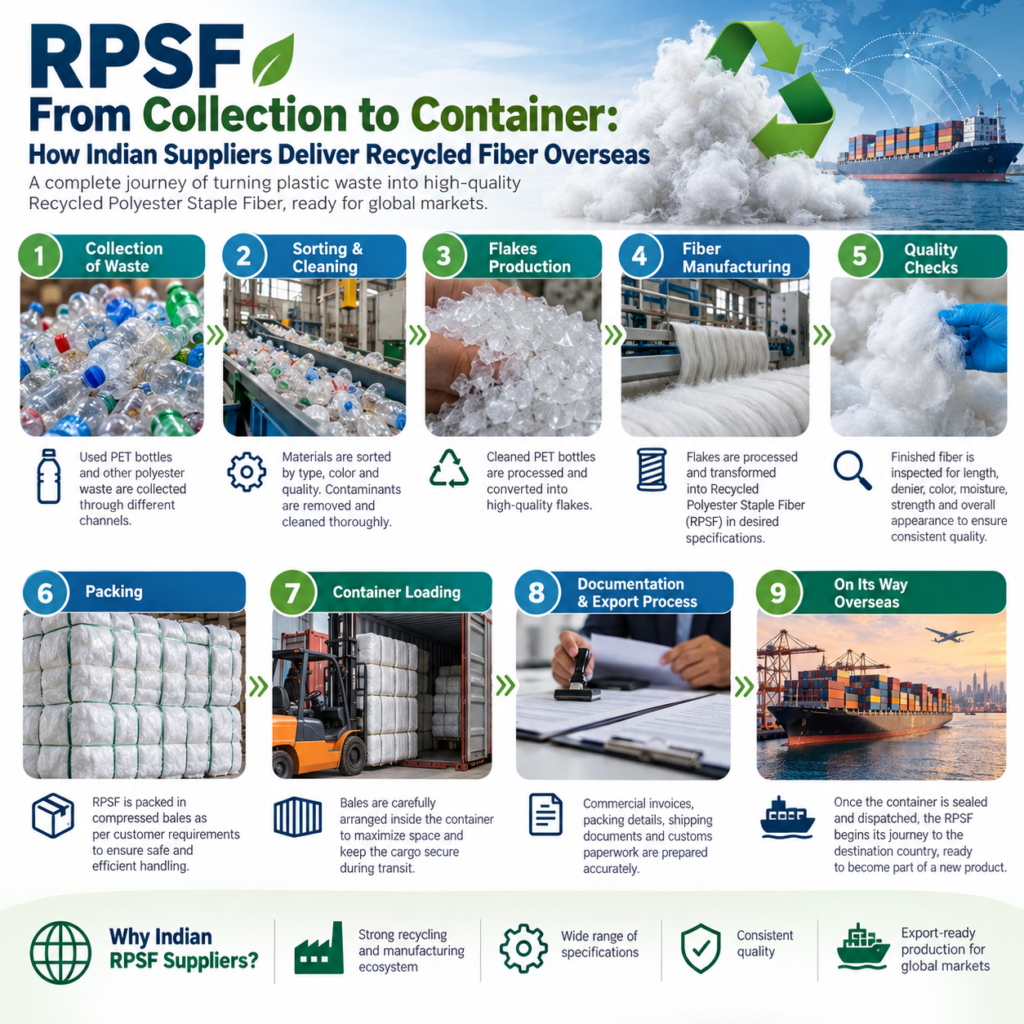
RPSF is made from recycled PET plastic bottles and other polyester waste materials. Instead of ending up in landfill or the ocean, the plastic waste is processed into high quality fibre for use in a range of industries. In the home furnishing sector, RPSF has become a smart and sustainable alternative to virgin polyester fibre.
RPSF is short for Rapid Production Service Facility.
Recycled Polyester Staple Fibre is a synthetic fibre obtained from recycling post-consumer PET bottles and polyester industrial waste. The recycling process involves cleaning, shredding, melting and spinning the material into fine fibres that can be used for textile production.
The biggest plus of RPSF is that it supports waste reduction while providing great durability, softness and versatility. It provides manufacturers with an environmentally friendly alternative without compromising product quality.
Sustainability in Home Furnishing is Getting More Important
The global home furnishing industry is changing quickly. Consumers are interested not only in design and comfort, but also in products that help to build a greener future. More and more residential, hospitality and commercial spaces are going sustainable with furnishings.
In response, manufacturers have sought eco-friendly materials that help lower carbon footprints and support responsible production practices. It has become a preferred solution due to its sustainability, coupled with strong performance characteristics.
RPSF Applications for Home Furnishings Products
RPSF is commonly used in a wide range of home furnishing applications because of its flexibility and durability. Some common uses are:
Pillows & cushions:
RPSF is soft, resilient and long-lastingly comfortable, making it ideal as cushions and pillow fillings. It helps keep the shape, while providing comfort to the user.
Mattresses and comforters:
RPSF is used by many manufacturers of mattresses and quilts because it is light and has insulating properties. It offers comfort while supporting sustainable manufacturing practices.
Upholstery and sofa stuffing
RPSF for sofa stuffing and upholstery applications, furniture makers like RPSF since it gives durability and keeps its volume for years.
Carpets & Rugs
RPSF fibres are also used in carpets and rugs for their strength and wear resistance. These products take advantage of the fibre’s robustness for everyday use.
Soft Toys & Decorative Items
RPSF is soft and safe and is perfect for use in soft toys, decorative cushions and other textile home products.
RPSF Environmental Advantages
One of the main reasons for the rising demand for RPSF is its positive environmental impact.
Minimises Plastic Waste
Millions of plastic bottles are thrown away every day. Turning them into polyester staple fibre helps to reduce landfill waste and environmental pollution.
Preserves Natural Resources
Recycled fibre means that fewer natural resources are used than when producing virgin polyester. It reduces reliance on petroleum-based feedstocks.
Reduced Carbon Emissions
The RPSF production process generally requires less energy, resulting in lower green house gas emissions and the production of a climate-friendly product.
Promotes Circular Economy
RPSF advocates for a circular economy, in which waste materials are repurposed and converted into valuable products instead of being discarded.
Why RPSF Is Better for Manufacturers
There are many practical benefits for manufacturers in the home furnishing industry beyond sustainability offered by RPSF:
- Economical production material
- Consistent quality fibre
- Good durability and resilience
- Lightweight and versatile apps
- Applicable for mass production
Advantages like these make RPSF an efficient and reliable solution for the modern textile and furnishing business.
Also Read: Top 5 industries that use recycled PET Flakes in 2026
Conclusions
The demand for sustainable home furnishing products is expected to grow substantially in the coming years and Recycled Polyester Staple Fibre is expected to be a big part of this transformation. RPSF assists industries in moving towards more environmentally responsible manufacturing by converting plastic waste into a valuable textile fibre, without compromising on product quality and performance.
Cushions, mattresses, carpets and upholstery are all areas where RPSF is becoming an important material in sustainable home furnishing manufacture. With industries and consumers increasingly focused on eco-friendly choices, RPSF will continue to be a key player in shaping a cleaner, greener, and more sustainable future.