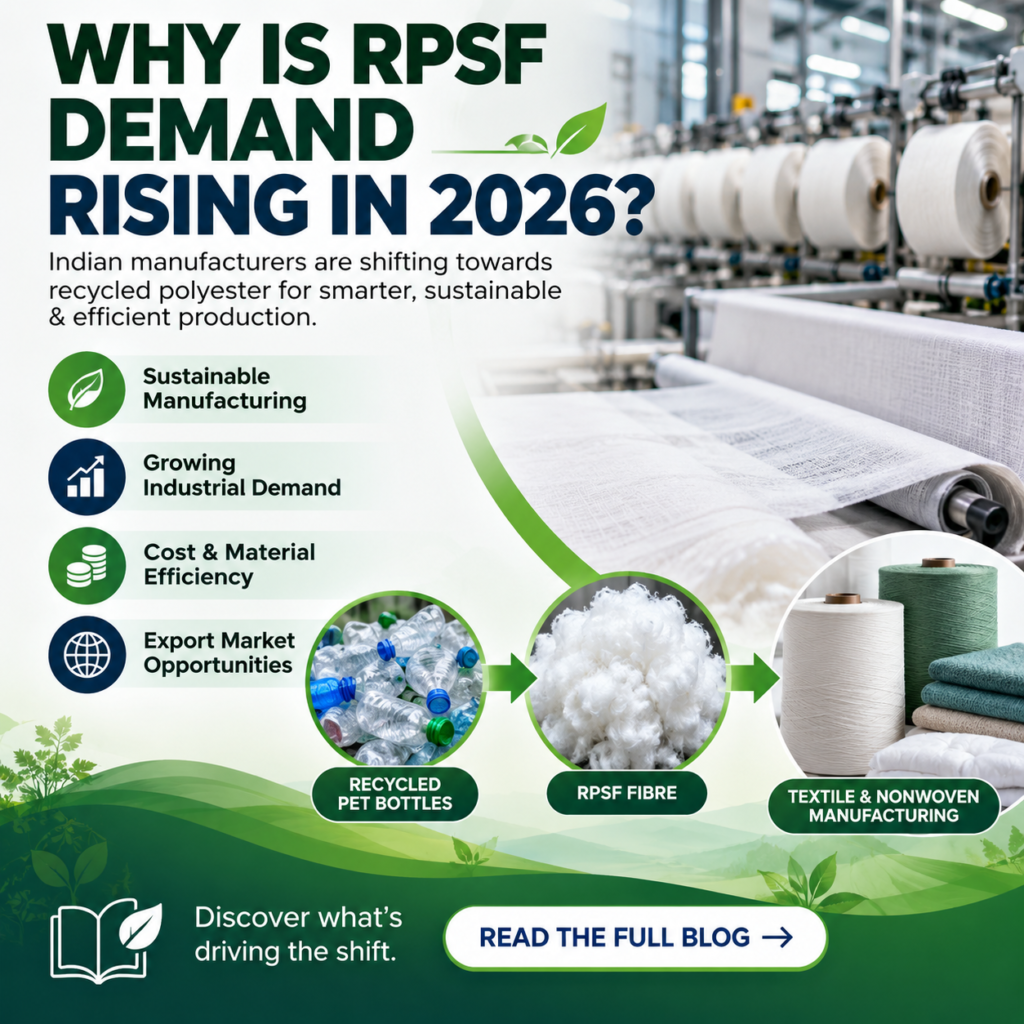
As demand for recycled materials increases, the global textile industry is changing. As manufacturers and brands seek to reduce their dependence on virgin polyester, recycled polyester staple fibre (RPSF) is becoming a practical alternative for many textile applications.
Bangladesh and Vietnam are two markets with strong potential because of their large textile and garment manufacturing industries. The need for sustainable raw materials is growing increasingly urgent, with both countries deeply embedded in the global apparel supply chains.
Bangladesh: Robust Textile Market for RPSF
You know that Bangladesh is known for its garment manufacturing industry. The country has built a huge textile ecosystem, from spinning and knitting to garment production and export, that supplies clothing to markets around the world.
This makes Bangladesh an important market of recycled polyester staple fibre.
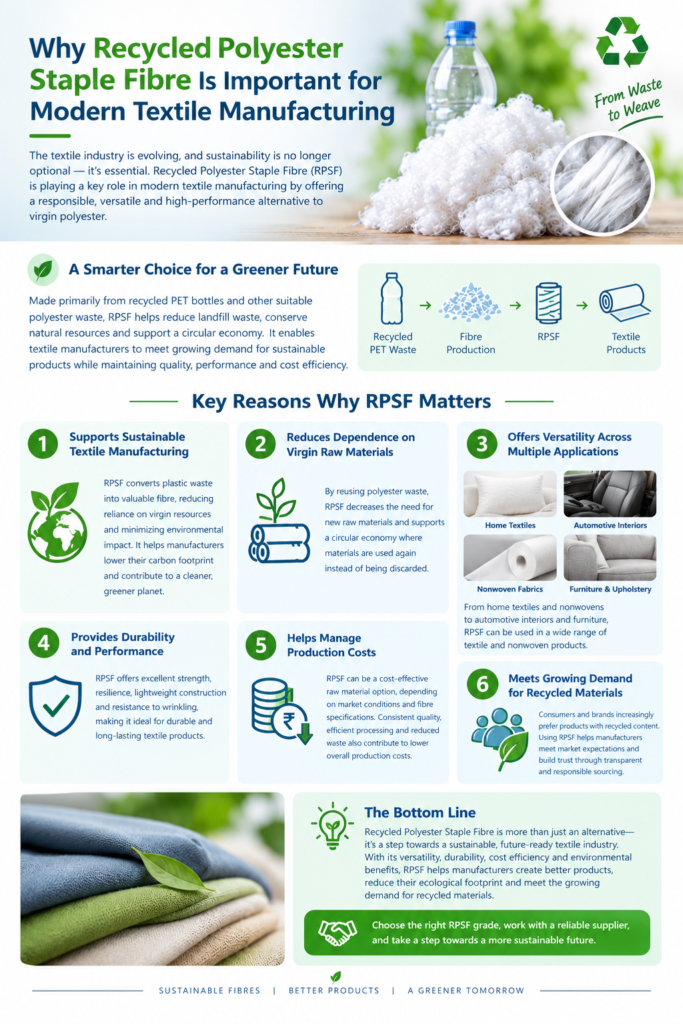
RPSF is applied in the production of yarn, non-woven fabrics, filling materials, home textiles and other textile products. Bangladeshi manufacturers are researching alternatives that can satisfy the needs of international brands that are increasingly pushing their suppliers to adopt recycled and more sustainable materials.
For textile producers, the upside of recycled polyester is that they can add recycled content to their products and still achieve the performance characteristics they need for a wide range of applications.
The country’s existing textile supply chain also gives RPSF suppliers the opportunity to work with a variety of buyers, from fibre processors and spinners to textile manufacturers.
Vietnam’s demands are growing too
Vietnam has emerged as another major manufacturing hub in the world’s textile and apparel industry. Its export-oriented manufacturing sector supplies products to customers in a number of major international markets.
With sustainability becoming an increasingly important consideration for global brands, Vietnamese manufacturers are also exploring recycled raw materials.
Recycled Polyester Staple Fibre can assist in this transformation by offering a recycled alternative for yarn production, non-woven products, padding, home textiles and other industrial textile applications.
Vietnam’s growing manufacturing capability and export orientation make it an interesting market for RPSF producers seeking to develop new international customers.
Why RPSF Suppliers Should Keep An Eye On These Markets
Bangladesh and Vietnam have the opportunity not only to increase fibre consumption. It’s also about changing expectations of textile buyers.
More questions are being asked by international customers like:- From where does the raw material come?
– Is this material recycled?
The quality is consistent from shipment to shipment?
– Can the supplier deliver on a regular basis?- Do you have the required certifications and documentation?
– Is the supplier able to deliver on time?
For RPSF exporters, clear answers to these questions can help build trust with buyers overseas.
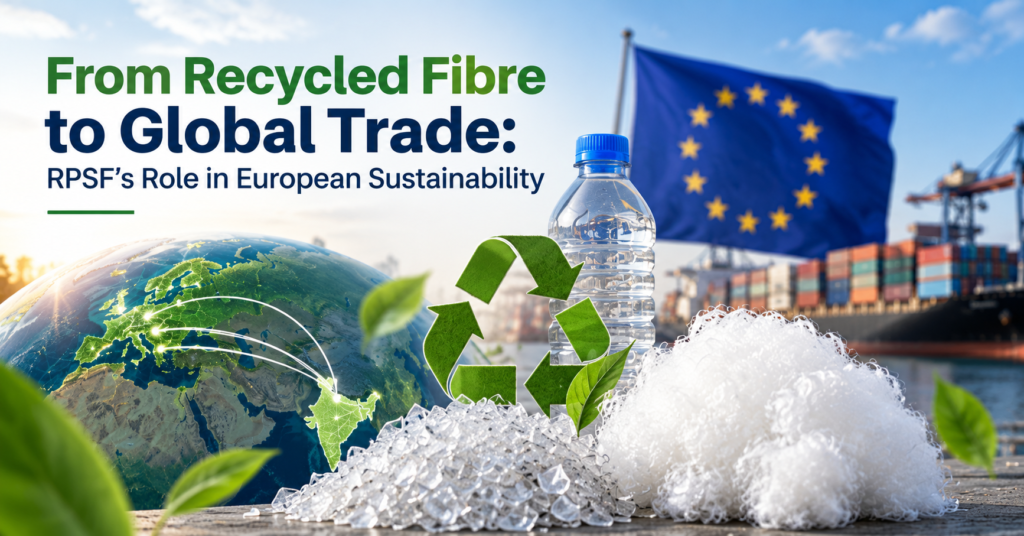
India has a developing recycling ecosystem and established polyester manufacturing capabilities. This means that Indian manufacturers can particularly explore these markets. Competitive price, good packaging, standard quality and reliable logistics help Indian suppliers in competing in international markets.
Quality Remains Important
While sustainability is a driver of the increased interest in recycled polyester, quality remains a key purchasing factor.
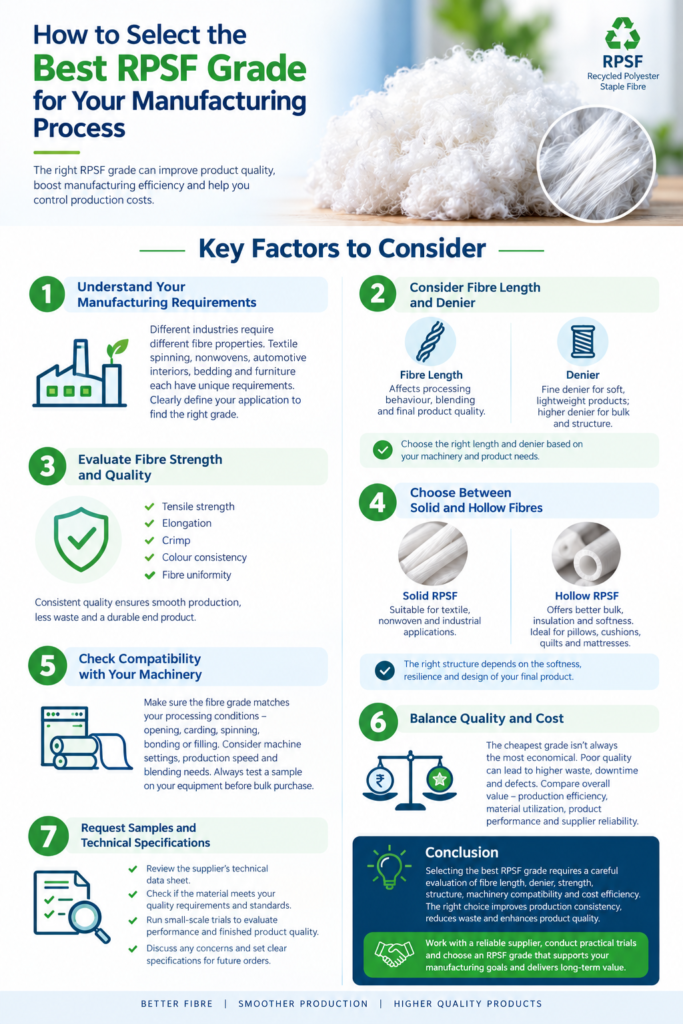
Buyers may have specific requirements related to denier, cut length, colour, silicon content, fibre strength and application. A supplier that can consistently meet these specifications has a better chance of developing long-term business relationships.
Rather than just marketing recycled fibre as a cheap alternative to virgin polyester, manufacturers and exporters can promote it as a material that provides performance, sustainability and commercial value.
Looking Forward
The textile industry is gradually adopting more responsible sources of materials. This shift is opening up opportunities for producers of recycled polyester staple fibre.
Both Bangladesh’s huge garment industry and Vietnam’s growing textile manufacturing industry are appealing markets for RPSF suppliers.
Indian exporters need to first understand the requirements of the buyers, identify the right textile segments, maintain consistent product quality and develop reliable international supply relationships.
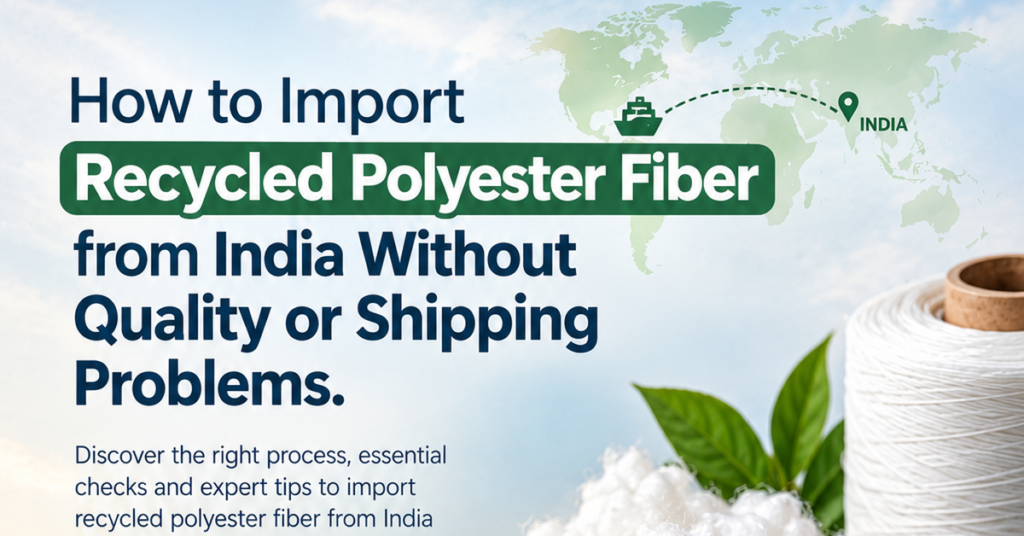
Also Read: how to import recycled polyester fibre from india without quality or shipping issue
As sustainable textiles move from being a trend to a long-term industry requirement, Bangladesh and Vietnam could be growing markets for recycled polyester staple fibre.