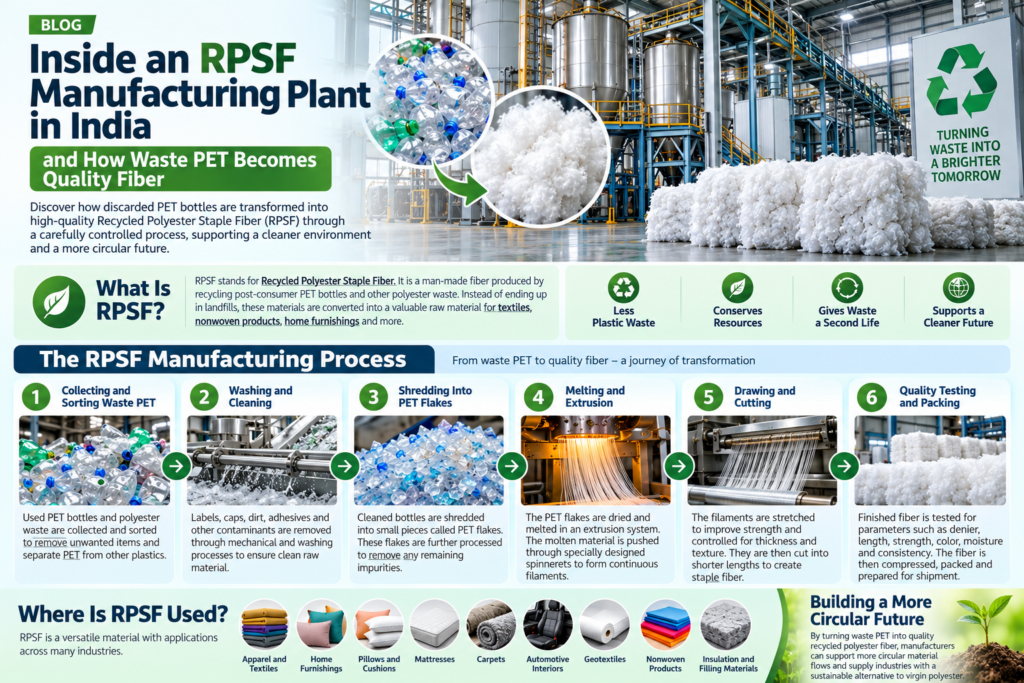
Spinning mills, non-woven producers and brands are seeking sustainable raw materials, driving a rapid increase in demand for recycled polyester staple fibre (RPSF). India has become a reliable source with competitive prices and large scale manufacturing. But if you skip the basics, importing fibre from overseas can go wrong. This is a practical, step-by-step guide to getting it right.
Step 1: Identify Exactly What You Want
Write down your requirements before you contact any supplier. Recycled polyester fibre has different grades, so be specific about:
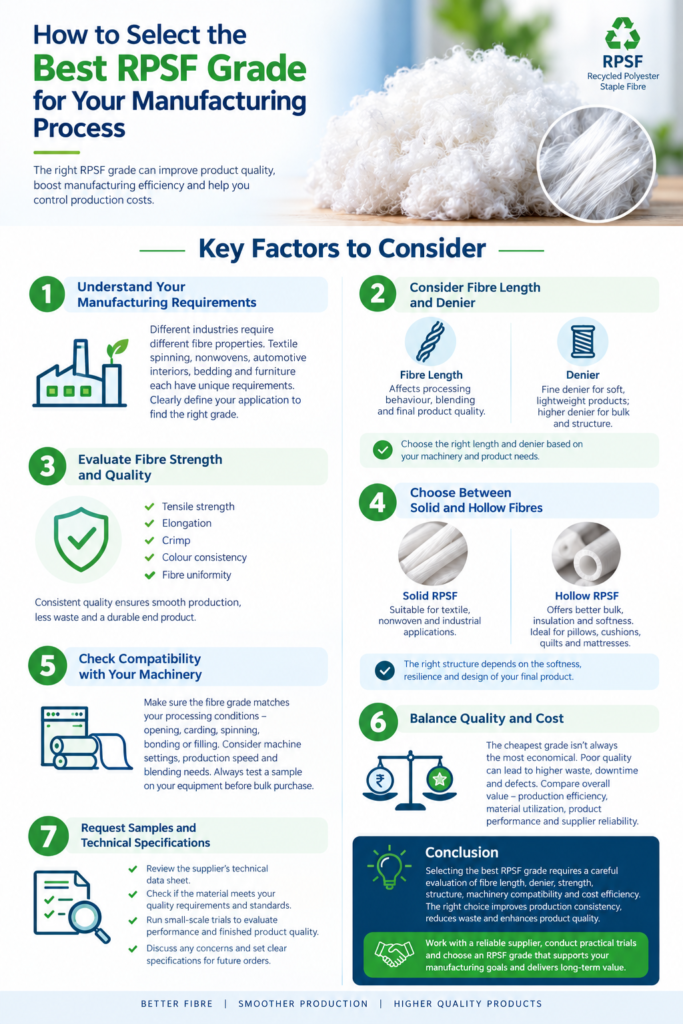
Fibre type: Solid or hollow (depends on whether it is for spinning or filling).
Denier and cut length: Must work with your machines and your end product.
Colour: Normally white or specified colour.
Monthly volume: This is a way for suppliers to confirm they can meet your demand.
Most quality disputes are avoided by clear specification later.
Step 2: Choosing a Trustworthy Indian Supplier
The greatest factor in your success is your supplier. Look for a manufacturer and not a trader as manufacturers control quality from raw material to finished fibre. Look for:
• Recycling and quality certifications to prove recycled content.
Raw material traceability – i.e. they can tell you from where their PET bottles, flakes or chips come from.
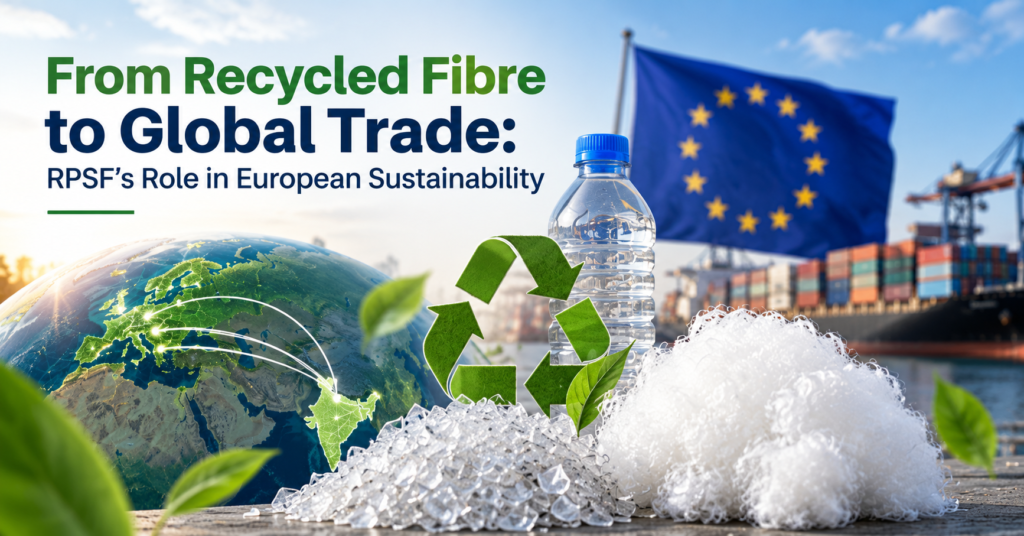
Experience in export to your region, Turkey, Europe or USA.
Production capacity to reliably fulfilll your orders.
An integrated supplier also trading in rPET flakes, rPET chips and PET bottles is generally more flexible and reliable.
Step 3: Always Test Samples First
Never buy a large order without testing. Ask for samples and test them through your own process. Test fibre strength, cleanliness, colour consistency and how it performs in spinning or processing. If you like the sample ask the supplier to confirm that bulk shipments will be the same.
Step 4: Put the Quality Terms in Writing
Specify everything in the purchase contract, including specs, tolerance limits, packaging and testing standards. Consider a third party inspection before shipment. This protects both parties and gives you a clear reference in case of any problems.
Step 5: Know the Price and Incoterms
Make sure who pays what is clear. Common terms are FOB (you take care of goods from the Indian port), CIF (supplier takes care of goods and insurance to your port) and others. Don’t just look at the price per kilo, look at the total landed cost, because you have to add freight, insurance, duties and port charges.
6. Correctly Document
Customs delays are most often caused by missing or incorrect paperwork. Make sure you have:
Airway bill or bill of lading
Certificate of origin
Certificates of Quality and Recycled-Content
Any import documents required in the country of destination
Make sure to check your local customs rules and duty rates beforehand to avoid any surprises at the port.
Step 7: Prepare for Packaging and Logistics
Recycled fibre is typically shipped in compressed bales. Request moisture resistant and well strapped packaging to avoid damage during long sea journeys. Confirm loading port (Mundra, Kandla, Nhava Sheva etc), estimated transit time and shipment tracking. Please expect delays, especially during busy shipping seasons.
Step 8: Create a Long-Term Relationship
“But once your first shipment arrives successfully, keep the communication going. Discuss price or volume agreements, pre-plan orders and exchange feedback. Long-term partners often enjoy better pricing, priority production and faster support.
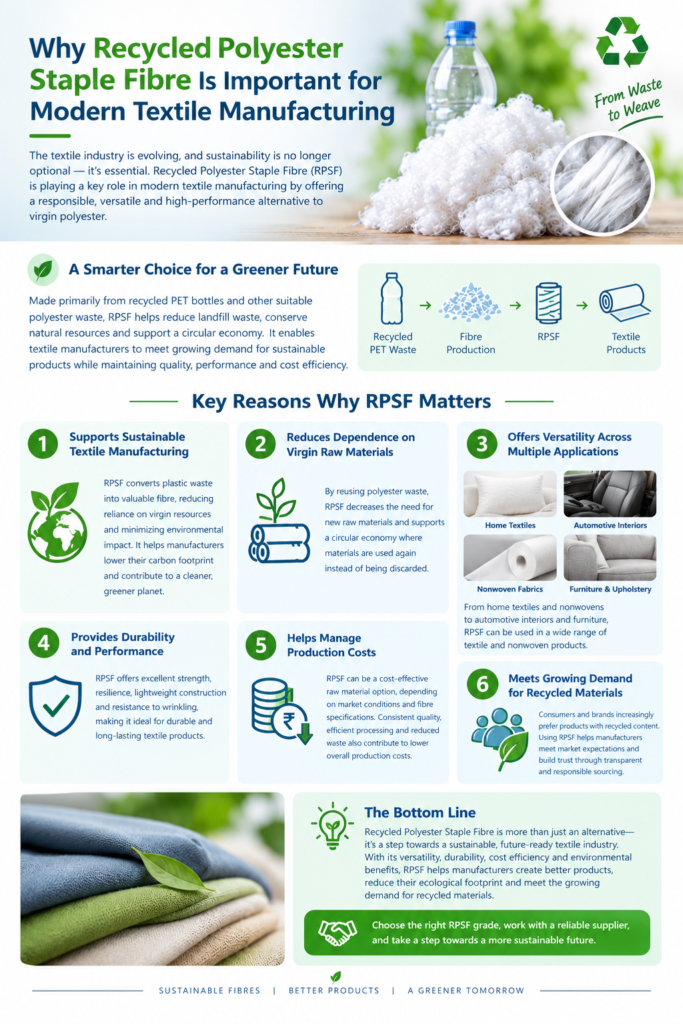
Also Read: the importance of recycled polyester staple fibre in todays textile manufacturing
If you plan well, it is easy to import recycled polyester fibre from India: define your needs, find a certified manufacturer, test samples, agree terms in writing and get the paperwork right.
Morbi-based Rakshitam Ecofibre Pvt. Ltd. produces recycled polyester staple fibre and supplies rPET flakes, chips & PET bottles to its customers in Turkey, Europe, USA and Asia.