Polyethylene Terephthalate (PET) is one of the most common packaging materials in the food, beverage, and consumer goods industries. It is strong, clear, lightweight, and recyclable. Many manufacturers prefer PET for its safety, durability, and sustainability.
PET is essential for various modern packaging solutions, including water bottles, food containers, cosmetic jars, and packaging for household products.
What Is PET Packaging Material?
PET (Polyethylene Terephthalate) is a thermoplastic polymer from the polyester family. It is often used to produce:
- Beverage bottles
- Food trays and containers
- Edible oil bottles
- Pharmaceutical packaging
- Personal care product containers
PET is valued for its transparency, impact resistance, and barrier properties. These features protect products from contamination and moisture.
Why PET Is Preferred for Food and Beverage Packaging
1. Food Safety Compliance
PET is approved by global food safety authorities for direct contact with food. It does not react with food or drinks, making it safe for packaging water, carbonated beverages, juices, and edible oils.
2. Excellent Barrier Properties
PET effectively resists moisture and gases, helping to maintain freshness and extend shelf life, especially in beverages and dairy products.
3. Lightweight and Durable
PET is lighter than glass or metal packaging, which lowers transportation costs and reduces carbon emissions. It is also very durable and less prone to breakage during shipping and handling.
4. Crystal Clear Transparency
PET bottles and containers are clear, allowing consumers to see the product. This clarity boosts product appeal and builds consumer trust.
Applications of PET in Consumer Packaging
Besides food and beverages, PET packaging is widely used in consumer goods.
1. Personal Care and Cosmetics
Shampoos, lotions, and cosmetics are often packaged in PET due to their durability and good looks.
2. Household Products
Cleaning supplies and detergents are frequently stored in PET bottles because of their chemical resistance and strength.
3. Pharmaceutical Packaging
PET is used in various pharmaceutical packaging due to its protective qualities and safety standards.
Sustainability and Recyclability of PET Packaging
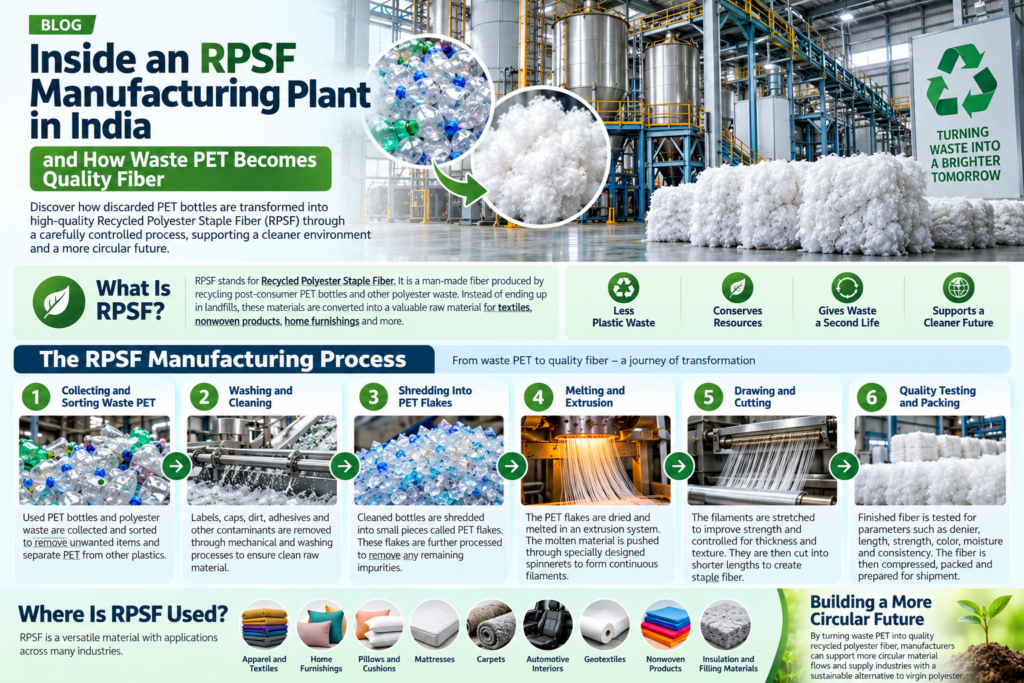
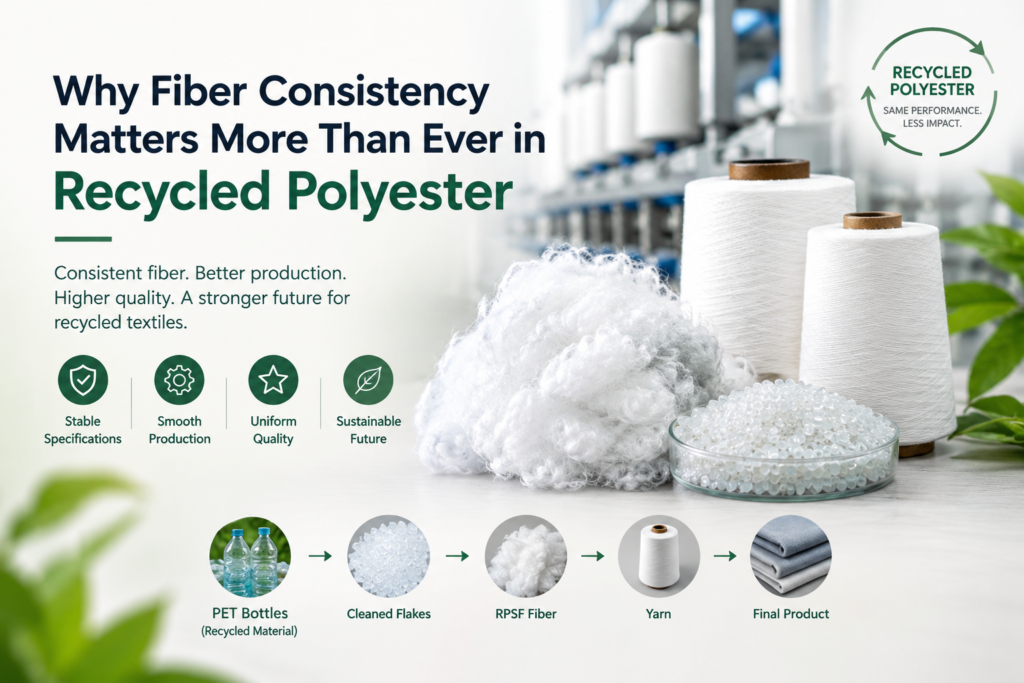
One of the main benefits of PET packaging is its recyclability. PET is fully recyclable and can be turned into:
- rPET flakes
- Recycled PET chips
- Polyester fibers
- New PET bottles and containers
Using recycled PET (rPET) significantly cuts down on plastic waste and lowers carbon emissions compared to producing virgin PET. Many global brands now use a higher percentage of recycled PET in their packaging to meet sustainability goals.
The push toward circular economy practices has increased the demand for food-grade recycled PET, especially in beverage packaging.
Advantages of PET Over Other Packaging Materials
Compared to materials like glass, aluminum, or PVC, PET has several advantages:
- Lower production and transportation costs
- Reduced carbon footprint
- High recyclability
- Strong mechanical performance
- Flexible design options
These benefits make PET a cost-effective and eco-friendly choice for manufacturers.
Future Trends in PET Packaging
The packaging industry is changing quickly, with a growing focus on sustainability and regulatory compliance. Key trends include:
- Increased use of recycled PET (rPET)
- Lightweight bottle designs
- Improved recycling technologies
- Development of bio-based PET materials
As environmental awareness rises, PET packaging continues to evolve to meet consumer expectations and global sustainability standards.
Also Read: How Recycling PET Reduces Environmental Pollution
Frequently Asked Questions (FAQ)
- Is PET safe for food and beverage packaging?
Yes. PET is approved for food contact and does not react with food or beverages. It meets global food safety standards and is widely used for bottled water and soft drinks.
- Can PET packaging be recycled?
Yes. PET is completely recyclable. It can be processed into recycled PET (rPET) and reused for new bottles, fibers, and packaging materials.
- What are the advantages of PET over glass packaging?
PET is lightweight, shatter-resistant, cost-effective, and easier to transport compared to glass, which helps reduce the overall carbon footprint.
- What industries use PET packaging material?
PET is used in the food, beverage, cosmetics, pharmaceuticals, household products, and industrial packaging sectors.
- Does recycled PET maintain the same quality as virgin PET?
With modern recycling technologies, high-quality recycled PET can meet performance standards similar to virgin PET, especially for non-food and approved food-grade applications.