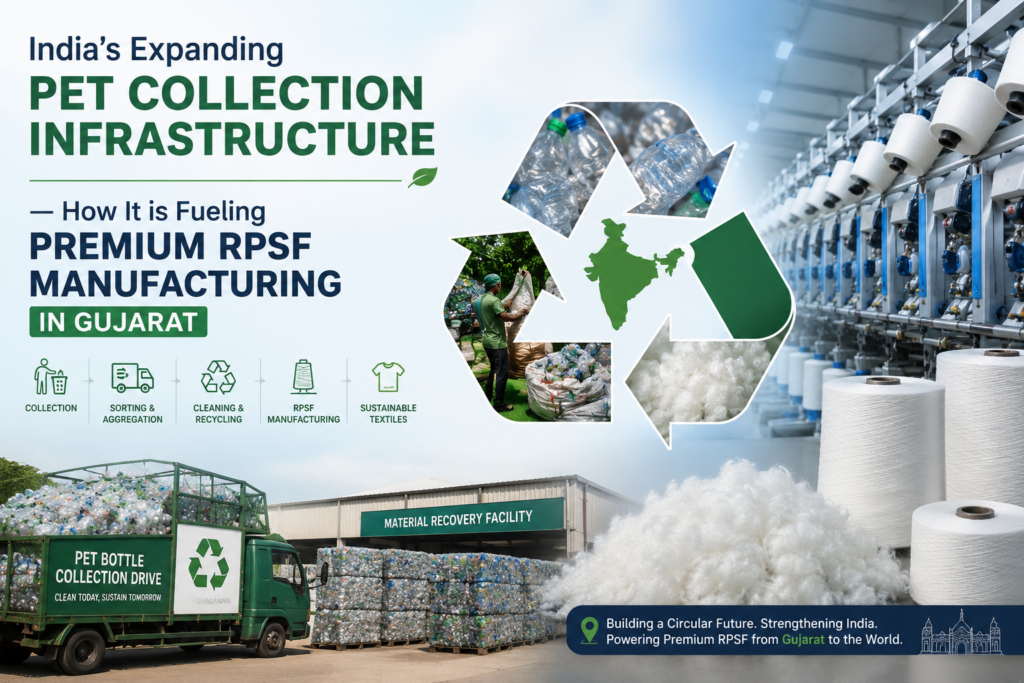
Plastic pollution has become one of the biggest environmental challenges worldwide. Among various plastics, PET (Polyethylene Terephthalate) is widely used in bottles, packaging, and textiles. While PET is durable and lightweight, improper disposal contributes significantly to landfills and ocean pollution.
Recycling PET plays a vital role in reducing environmental pollution and supporting a circular economy. By turning used PET bottles into reusable materials like rPET flakes, PET chips, and recycled polyester fiber, industries can significantly lower their environmental impact.
What Is PET and Why Is It a Concern?
PET is commonly used in:
- Beverage bottles
- Food packaging
- Polyester textiles
- Industrial strapping
Because of its strength and clarity, PET is very popular. However, when thrown away incorrectly, PET waste can take hundreds of years to decompose. Large amounts of plastic waste end up in oceans, harming marine life and ecosystems.
Recycling PET helps prevent this build-up and reduces long-term environmental damage.
How PET Recycling Works
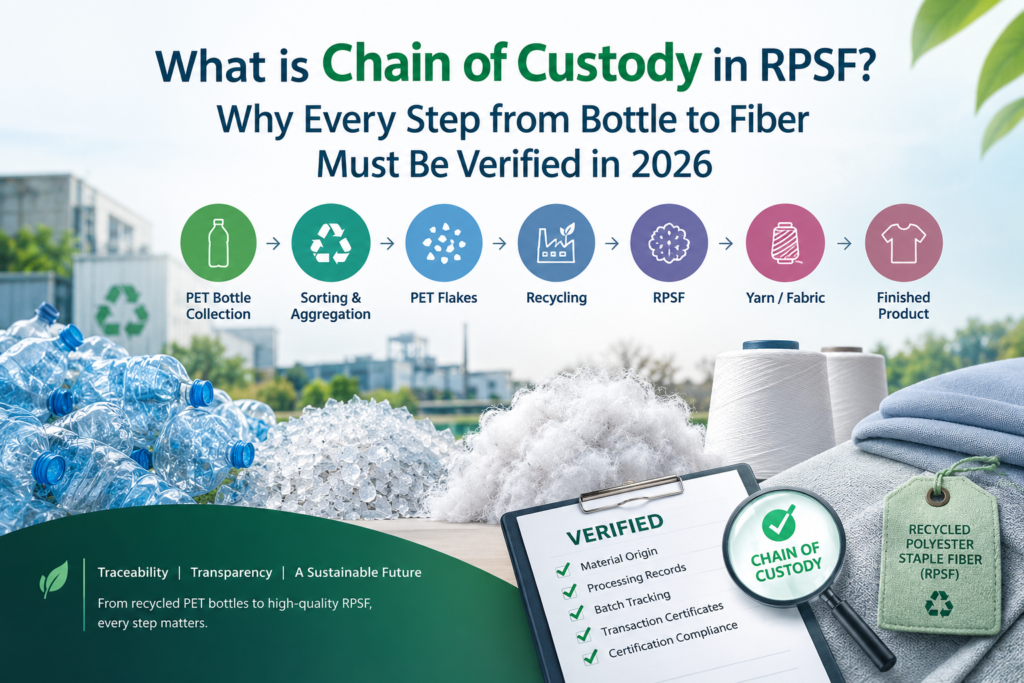
The PET recycling process includes several stages:
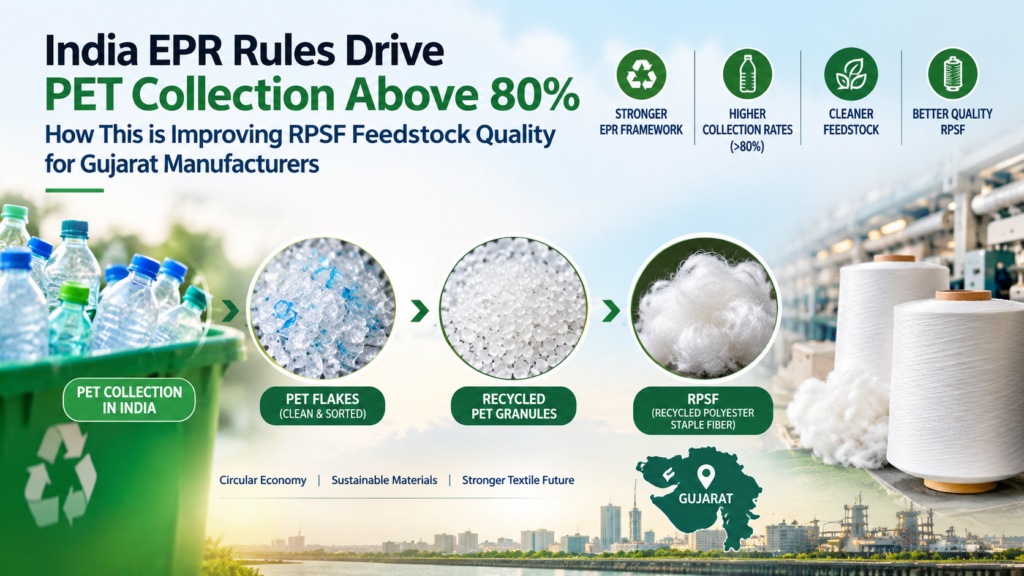
- Collection of used PET bottles
- Sorting and removal of contaminants
- Crushing into flakes
- Washing and purification
- Conversion into rPET flakes or PET chips
These recycled materials are then used to make new bottles, fibers, sheets, and packaging products.
Since PET is 100% recyclable, it can be processed multiple times without losing quality.
Environmental Benefits of Recycling PET
1. Reduction in Plastic Waste
Recycling PET directly lowers the amount of plastic entering landfills and oceans. Each recycled bottle prevents more plastic pollution and reduces the need for waste incineration.
2. Lower Carbon Emissions
Producing recycled PET uses much less energy compared to making virgin PET. Lower energy use means fewer greenhouse gas emissions, helping to tackle climate change.
Studies show that recycling PET can cut carbon emissions by 50-60% compared to producing new plastic.
3. Conservation of Natural Resources
Virgin PET comes from petroleum-based raw materials. Recycling decreases dependence on fossil fuels, conserves natural resources, and reduces environmental damage from extraction.
4. Reduced Water Consumption
Recycling PET uses less water than making new plastic from raw materials, which further eases environmental strain.
5. Support for Circular Economy
Recycling PET supports a closed-loop system where plastic waste turns into a valuable raw material rather than becoming pollution.
Impact on Marine and Land Ecosystems
Plastic waste in oceans breaks down into microplastics, which marine organisms consume. This disrupts food chains and threatens biodiversity.
By recycling PET:
- Fewer bottles enter waterways
- Marine ecosystems are safer
- Wildlife has less exposure to plastic waste
On land, less landfill waste helps lower soil contamination and prevents toxic leakage.
Role of Industries in PET Recycling
Industries are increasingly using recycled PET in:
- Beverage packaging
- Textile manufacturing
- Automotive interiors
- Home furnishings
Many global brands have committed to using larger amounts of recycled PET in their products. This shift increases demand for high-quality rPET materials and strengthens recycling systems.
Government Regulations and Sustainability Goals
Governments around the world are enforcing strict regulations to reduce single-use plastic waste. Recycling targets and extended producer responsibility (EPR) policies encourage businesses to invest in PET recycling systems.
These policies speed up environmental benefits and promote sustainable manufacturing practices.
Future of PET Recycling
With advancements in technology, recycled PET now meets food-grade and high-performance standards. As awareness increases and sustainability becomes a priority, PET recycling will continue to grow.
Improvements in sorting, washing, and purification technologies are enhancing recycling efficiency and material quality.
Also Read: Quality Standards and Testing Methods for PET Chips
Conclusion
Recycling PET significantly cuts down on environmental pollution by reducing plastic waste, lowering carbon emissions, conserving resources, and protecting ecosystems. It transforms waste into valuable industrial raw material and supports global sustainability efforts.
As industries, governments, and consumers collaborate, PET recycling will remain a key solution for reducing plastic pollution and creating a cleaner future.