Sustainability is a top priority for both brands and consumers and the fashion industry is changing dramatically. As environmental concerns grow, regulations tighten and consumers increasingly demand green products, manufacturers are rethinking their sourcing strategies. One of the materials behind this change is Recycled Polyester Staple Fiber (RPSF).
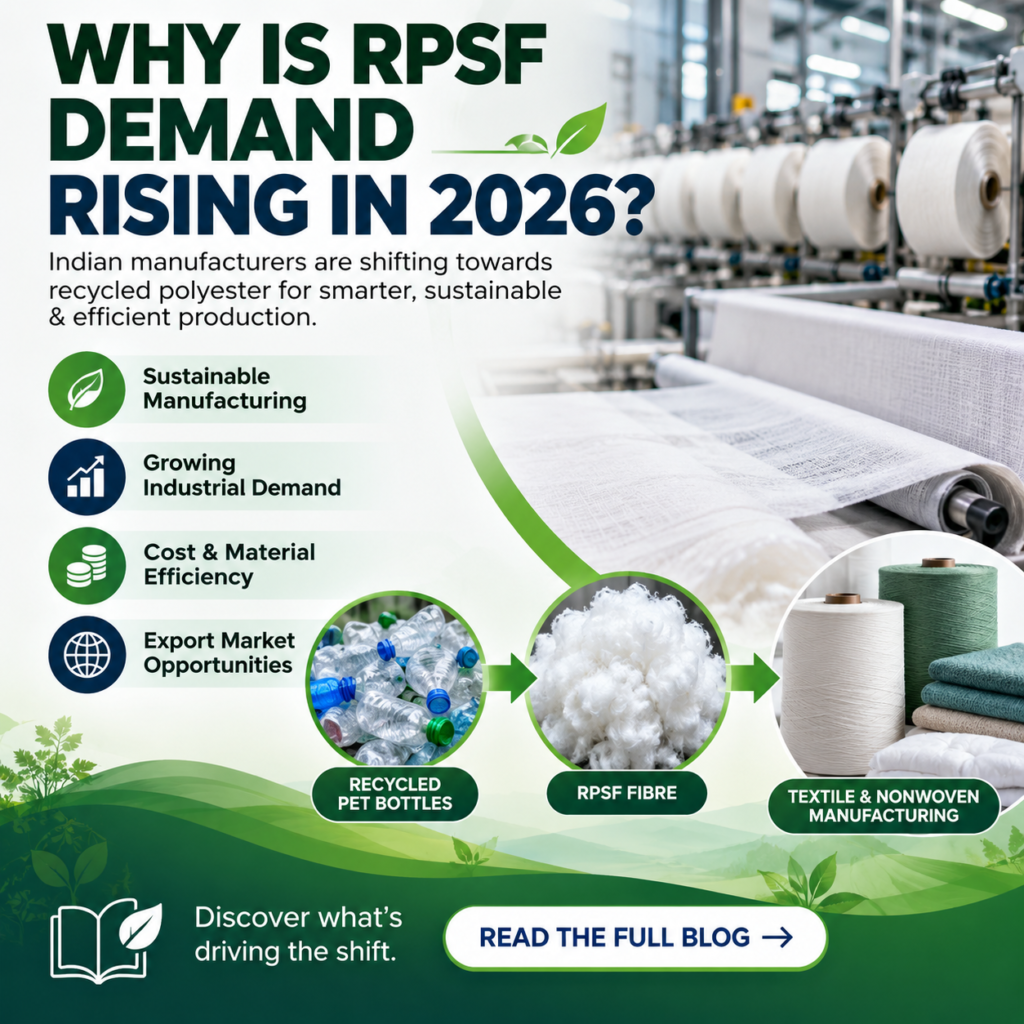
Many fashion brands are expected to increase their use of recycled polyester by 2026 as part of their sustainability pledges. From sportswear and casual apparel to home textiles and fashion accessories, RPSF is becoming a key material for brands that want to balance performance and environmental responsibility.
The Shift to Sustainable Fashion
Today’s consumers are more aware of the environmental impact of the clothes they buy. Many consumers are actively seeking out products made from recycled or sustainable materials, incentivizing brands to adopt greener manufacturing methods.
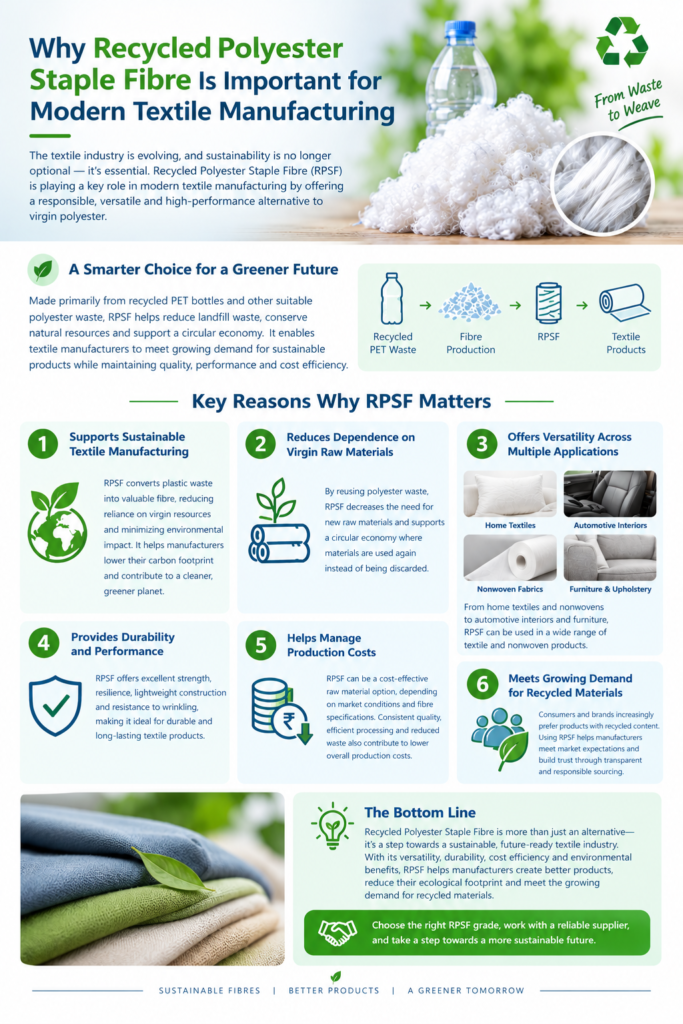
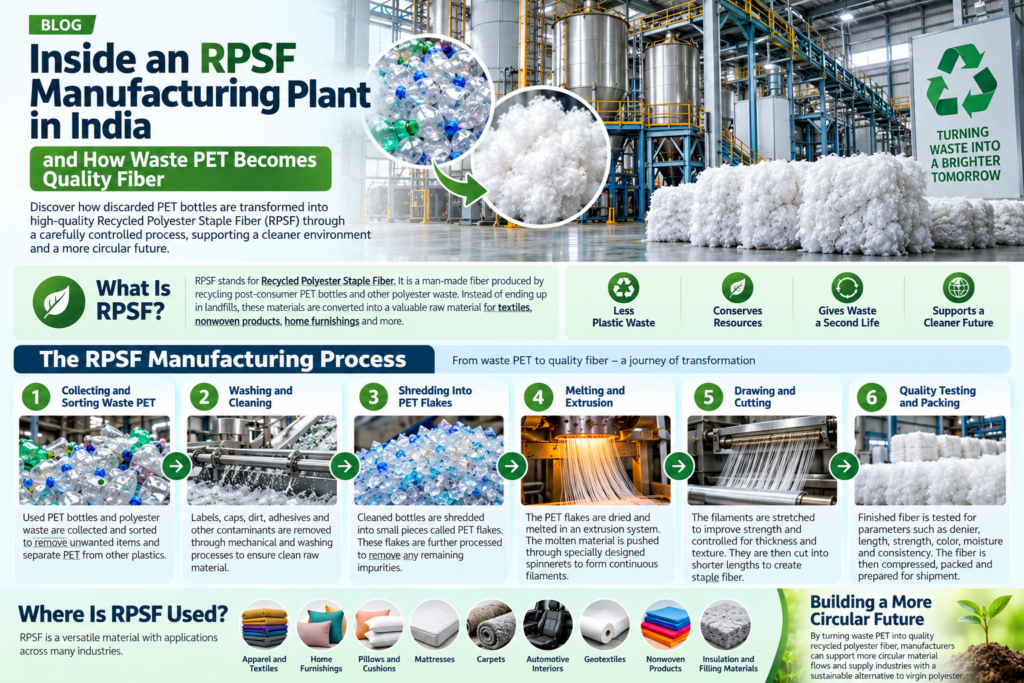
Recycled Polyester Staple Fiber is made from post-consumer PET bottles and recycled polyester waste. Plastic waste no longer needs to be sent to landfills because it can be converted to a high quality fiber that can be used in a variety of textile applications.
This process reduces plastic pollution and promotes a circular economy where valuable materials are kept in use longer.
Environmental Impact Reduced
One of the primary reasons for fashion brands to adopt RPSF is its significantly lower environmental impact compared to virgin polyester.
The manufacture of recycled polyester usually requires fewer natural resources and less energy. It also reduces dependence on petroleum-based raw materials and cuts emissions of greenhouse gases related to fiber production.
For brands on their journey to carbon reduction targets, recycled polyester is a practical, no-compromise solution for product performance.
Achieving Global Sustainability Goals
Many international fashion brands have made ambitious sustainability pledges for the years to come. Often these goals include increasing the percentage of recycled materials used in their products
Brands may utilize Recycled Polyester Staple Fiber to support their environmental programs, corporate ESG strategies and responsible sourcing policies. It also demonstrates a commitment to sustainable manufacturing which is becoming increasingly important to investors, retailers and customers.
High Performance for Today’s Textiles
Sustainability is just one side of the coin. Fashion brands also need materials that provide consistent quality and durability.
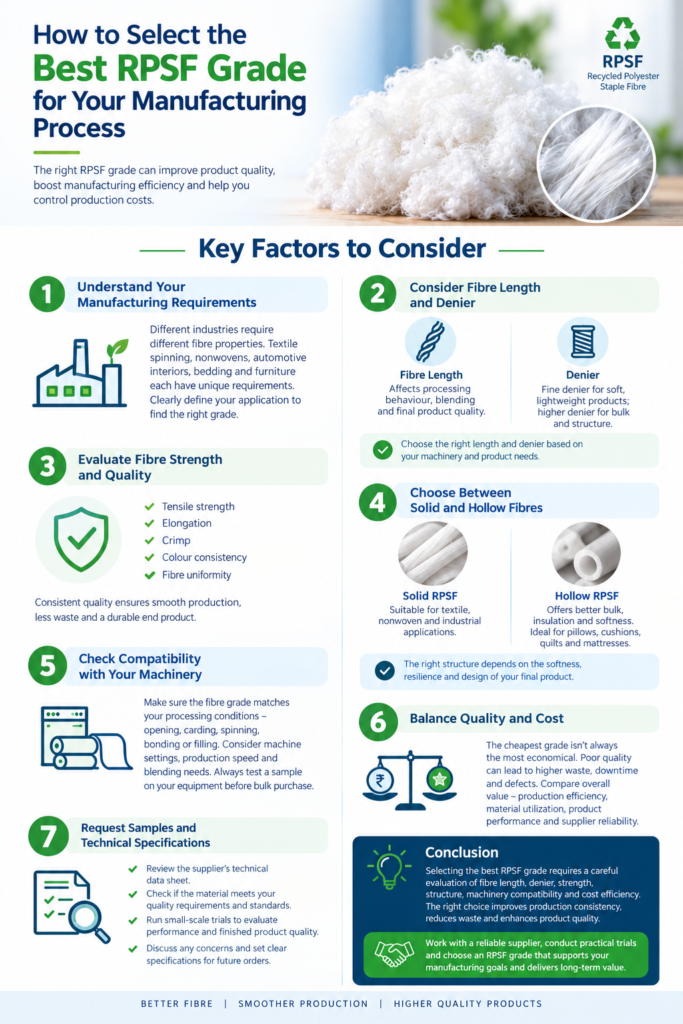
Modern recycling technologies allow manufacturers to produce RPSF with excellent strength, softness, resilience and processing performance. Recycled fibers can be used for apparel, jackets, sportswear, insulation, nonwovens and home furnishings depending on the application.
Recycling processes have been continuously optimized and high quality recycled polyester can be used for demanding textile applications.
Supporting Circular Fashion
Circular fashion is about keeping materials in use for as long as possible, through recycling and ethical manufacturing.
Recycling each PET bottle into polyester staple fiber reduces waste and creates valuable raw material for future products. Fashion companies can help to create a more sustainable supply chain by adding recycled fibers to their collections, rather than using virgin resources only.
This strategy boosts resource efficiency across the textile industry and contributes to achieving long-term environmental goals.
Meeting Consumer Expectations
Today’s consumers are looking beyond style and price. Transparency, responsibly sourced and environmentally conscious production are more and more appreciated.
Fashion brands that incorporate recycled materials into their products can increase customer trust and boost their brand image. Many retailers now feature recycled fiber content as an important product attribute to help consumers make more informed purchasing decisions.
Sustainability is affecting buying behavior, and recycled polyester is becoming a competitive advantage and not just an alternative material.
Advanced Recycling for a reliable supply
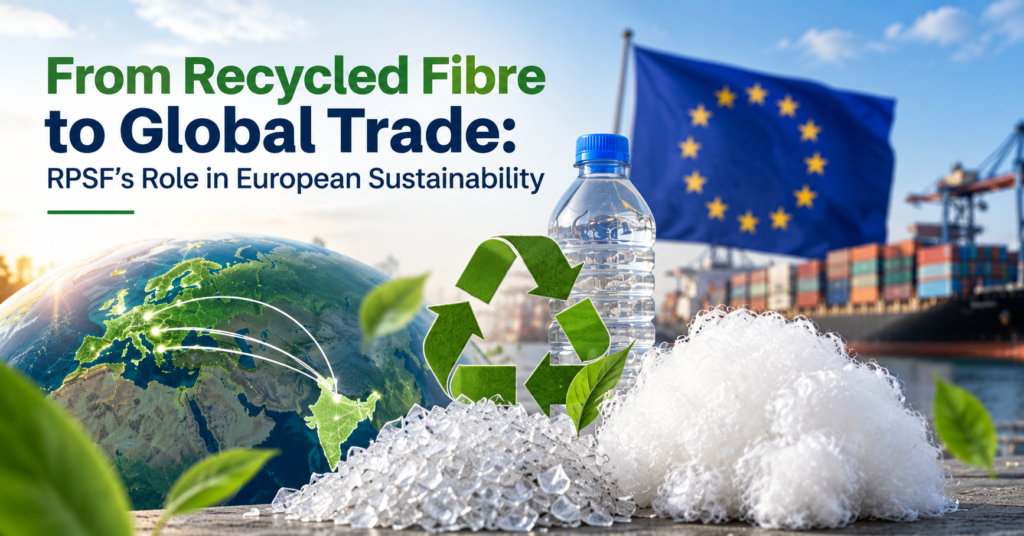
India and several other countries have built up their recycling infrastructure enormously in recent years. High-quality recycled polyester is becoming more available thanks to better PET bottle collection systems, better sorting technologies and better fiber manufacturing processes.
Availability of reliable raw material allows RPSF manufacturers to consistently provide fibers to the textile producers that meet international quality requirements.
The constant flow of goods is meeting the needs of growing international fashion brands.
THE FUTURE OF FASHION PRODUCTION
The textile industry is on its way to more intelligent, cleaner and more sustainable production methods. “Recycled polyester staple fiber will continue to be ever more important as brands strive to reduce waste, improve resource efficiency and meet changing environmental standards.”
With the rapid progress in recycling technology and growing consumer awareness, RPSF is set to become a preferred raw material in multiple segments of fashion.
Also Read: What is EPR for plastics in india how recycled polyester staple fiber manufacturers benefit
The increasing popularity of Recycled Polyester Staple Fiber is proof of the fashion industry’s commitment to sustainable innovation. This change is being driven by lower environmental impact, reliable performance, improved recycling systems and changing consumer expectations.
As more brands adopt responsible manufacturing practices in 2026 and beyond, Recycled Polyester Staple Fiber will continue to be an important material in driving the future of sustainable fashion and helping to build a cleaner, more circular textile industry.