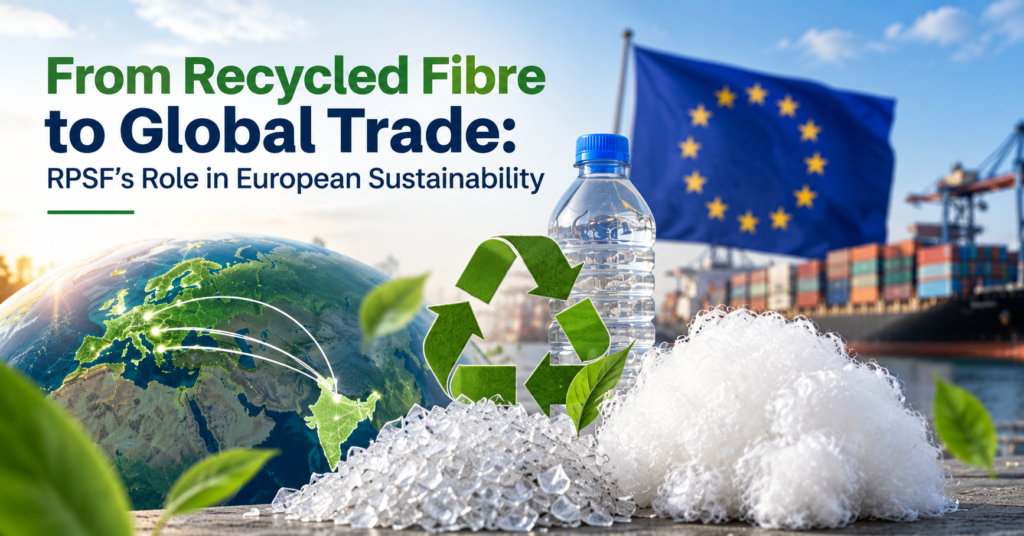
The global packaging industry is undergoing one of its biggest transformations in decades. As environmental concerns continue to grow, governments are introducing stricter regulations to reduce plastic waste and encourage the use of sustainable materials. One of the most significant developments is the European Union’s Packaging and Packaging Waste Regulation (PPWR) 2026, which is expected to reshape the entire packaging value chain. This regulation is also creating new opportunities for manufacturers of Recycled Polyester Staple Fiber (RPSF).
For companies looking to meet sustainability goals while maintaining product performance, recycled polyester staple fiber is becoming an increasingly attractive solution.
What Is PPWR 2026?
The Packaging and Packaging Waste Regulation (PPWR) is the European Union’s latest initiative aimed at reducing packaging waste and supporting a circular economy. Unlike previous directives, PPWR introduces legally binding rules that apply across all EU member states.
The regulation focuses on:
- Reducing unnecessary packaging
- Increasing recyclability of packaging materials
- Promoting recycled content
- Encouraging reuse and circular production
- Minimizing landfill waste
By setting higher sustainability standards, PPWR encourages manufacturers to adopt eco-friendly materials throughout their supply chains.
Why Recycled Polyester Staple Fiber Matters
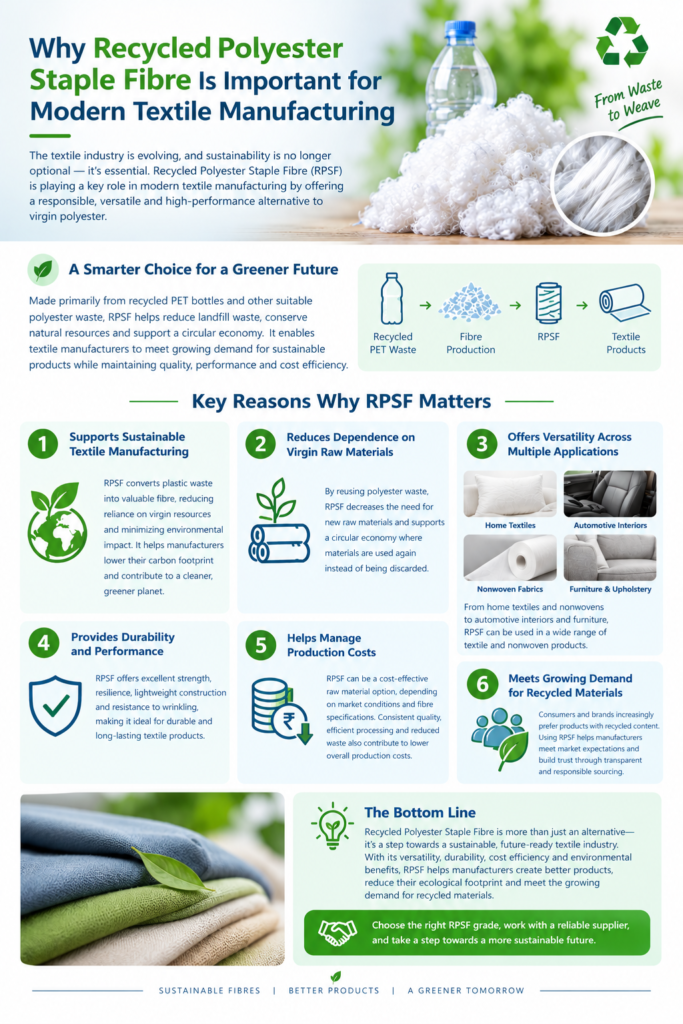
Recycled Polyester Staple Fiber is manufactured using recycled PET bottles and other post-consumer plastic waste. Instead of allowing plastic to end up in landfills or oceans, these materials are processed into high-quality polyester fibers suitable for various industrial applications.
RPSF offers several environmental advantages:
- Reduces plastic waste
- Conserves natural resources
- Requires less energy than virgin polyester production
- Supports circular manufacturing
- Helps lower carbon emissions
These benefits align perfectly with PPWR’s long-term sustainability objectives.
Rising Demand Across the Packaging Industry
Although recycled polyester staple fiber is widely used in textiles, automotive interiors, home furnishings, and geotextiles, its role in sustainable packaging solutions is expanding rapidly.
Manufacturers are increasingly incorporating RPSF into:
- Protective packaging materials
- Cushioning products
- Industrial insulation
- Nonwoven packaging applications
- Eco-friendly transport packaging
As companies adapt to PPWR requirements, demand for recycled raw materials continues to rise.
Supporting Circular Economy Goals
One of PPWR’s primary objectives is to establish a true circular economy where materials remain in use for as long as possible.
Recycled Polyester Staple Fiber plays an important role by converting discarded PET bottles into valuable industrial products. This reduces dependence on virgin petroleum-based resources while keeping recyclable materials within the production cycle.
For manufacturers, using RPSF demonstrates a strong commitment to sustainable manufacturing and responsible resource management.
Sustainability Without Compromising Performance
Modern industries require materials that deliver both environmental benefits and reliable performance. Fortunately, recycled polyester staple fiber offers an excellent balance of durability, strength, flexibility, and consistency.
Depending on the application, RPSF provides:
- Excellent resilience
- High tensile strength
- Moisture resistance
- Thermal insulation
- Long service life
- Consistent product quality
These properties make it suitable for demanding industrial and packaging applications while supporting sustainability targets.
Helping Businesses Meet ESG Commitments
Environmental, Social, and Governance (ESG) reporting has become a major priority for global businesses. Companies supplying European markets are under increasing pressure to demonstrate measurable sustainability improvements.
Using certified recycled polyester staple fiber helps businesses:
- Increase recycled material usage
- Improve environmental reporting
- Strengthen ESG performance
- Support sustainability certifications
- Meet customer expectations for eco-friendly products
As regulations become stricter, sustainable raw materials will continue to influence purchasing decisions across industries.
Certified Recycled Fiber Builds Trust
European buyers increasingly prefer suppliers offering internationally recognized certifications. Manufacturers producing certified recycled polyester staple fiber provide greater transparency regarding recycled content and production practices.
Certifications such as the Global Recycled Standard (GRS) assure customers that products meet strict environmental and social compliance requirements throughout the manufacturing process.
Certified materials not only simplify compliance but also strengthen business relationships with environmentally conscious buyers.
Opportunities for Global Manufacturers
PPWR is not only impacting European manufacturers—it also presents opportunities for exporters worldwide. Suppliers capable of delivering consistent, high-quality recycled polyester staple fiber are well positioned to serve businesses adapting to the new regulation.
Manufacturers investing in advanced recycling technologies, quality control, and sustainable production practices are likely to experience growing demand as industries prioritize responsible sourcing.
Rakshitam Ecofibre: Supporting Sustainable Manufacturing
As industries transition toward circular production models, reliable suppliers of premium recycled polyester staple fiber become essential. Rakshitam Ecofibre manufactures high-quality recycled polyester staple fiber using recycled PET bottles while maintaining strict quality standards.
With a focus on sustainability, consistency, and customer satisfaction, Rakshitam Ecofibre supports businesses seeking eco-friendly raw material solutions for modern industrial applications.
Also Read: Why european automotive OEMs now mandate certified recycled polyester staple fiber for car seating
Europe’s PPWR 2026 is more than a packaging regulation—it represents a major shift toward sustainable manufacturing and responsible resource management. As businesses work to comply with new environmental standards, the demand for recycled materials like Recycled Polyester Staple Fiber will continue to grow.
By offering durability, sustainability, and excellent performance, RPSF enables manufacturers to reduce environmental impact without compromising product quality. For companies serving European markets, investing in certified recycled polyester staple fiber is not only a smart business decision but also an important step toward a greener and more circular future.