The recycling industry has changed over the last 10 years. What used to be mainly seen as a waste management activity is now a key part of sustainable manufacturing and resource conservation. rPET flakes are one of the materials fuelling this transformation and are becoming more and more important.
rPET flakes are manufactured from recycled PET (Polyethylene Terephthalate) plastic bottles and containers and is an excellent raw material for many industries. The demand for high-quality recycled materials remains strong as businesses and consumers continue to prioritize sustainability. This change is one of the key drivers behind the increasing awareness of rPET flakes in international recycling markets.
What is rPET Flakes?
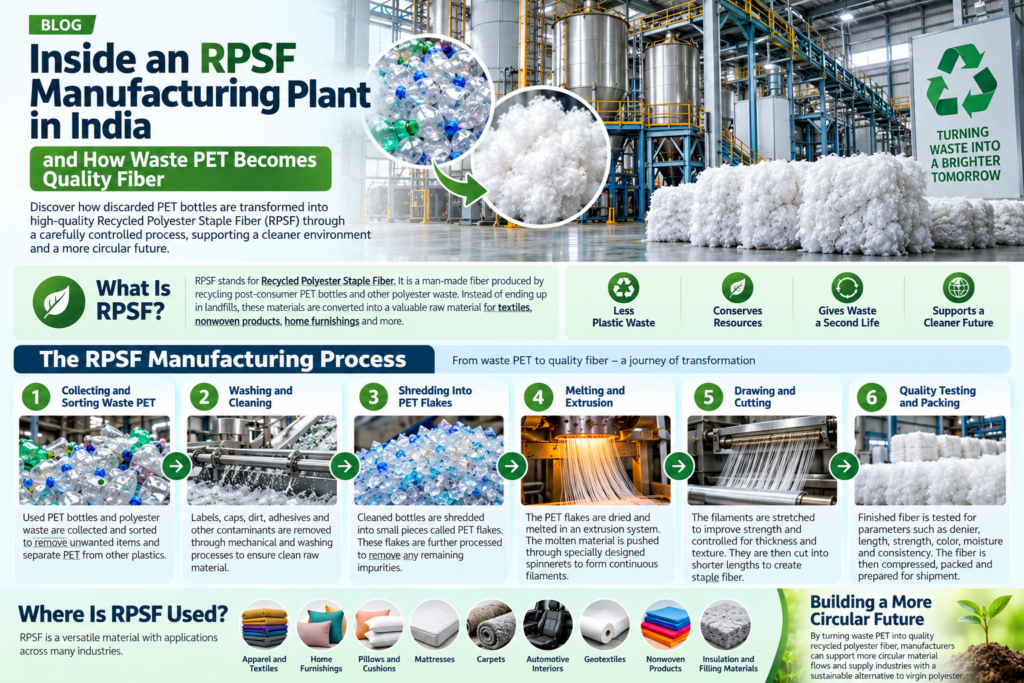
rPET flakes are small processed pieces of recycled PET plastic, obtained by a systematic recycling process. Used PET bottles are collected, sorted, cleaned and shredded into flakes that can be used later in manufacturing applications.
These flakes are an efficient way to recover plastic waste and return it to the production cycle, instead of sending it to landfills or allowing it to enter the environment.
Today, rPET flakes are used extensively for the production of:
- Recycled polyester staple fibre (RPSF)
- Packaging materials
- Textile goods
- Non woven fabric
- Sheet plastic
- Uses in the industry
They are versatile and an important part of modern recycling systems.
What is driving the increasing demand for rPET flakes?
A number of factors including the increased focus on sustainability are driving the increased demand. Companies in many industries are seeking methods to lessen their environmental impact and to reduce reliance on virgin plastic materials.
Recycled PET flakes can be used by manufacturers to:
- Less plastic waste
- Reduced resource consumption
- Back circular economy initiatives
- Better sustainability performance
- Meet environmental requirements
As governments and industries set increasingly ambitious sustainability targets, recycled raw materials are only increasing in value.
Supporting the Circular Economy
The circular economy is now a major focus of the recycling industry. The objective of circular systems is to keep materials in use for as long as possible, as opposed to the traditional “use and dispose” model.
rPET flakes play a key role in this process.
By recycling PET bottles to flakes and making new products from them, these valuable resources remain in the production cycle. It reduces the amount of waste produced and reduces the demand for fresh raw materials.
This means that rPET flakes are directly contributing to more sustainable manufacturing processes.
Growing Applications Across Various Industries
The significance of rPET flakes is also associated with their increasing industrial uses.
Textile Commerce
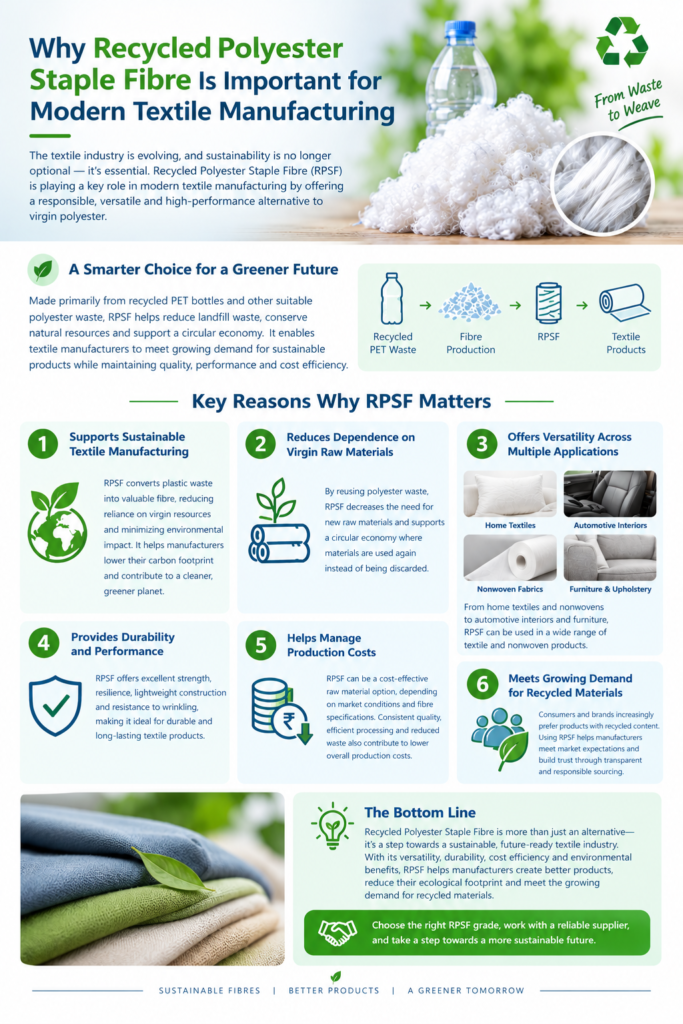
The textile industry is one of the largest consumers of recycled PET materials. The polyester fibres are made from rPET flakes and are used in clothing, home furnishings and industrial textiles.
With the rising demand for sustainable fabrics, textile manufacturers are turning to recycled raw materials.
Packaging Sector
Many packaging companies are incorporating recycled PET content into their products to reduce impact on the environment.
rPET flakes enable companies to meet sustainability goals without compromising on product quality and performance.
Industrial Production
Recycled PET flakes are used in various industrial sectors for the production of sheets, straps, nonwoven materials and so on.
They are versatile and can be used in a wide variety of applications.
Environmental Advantages of rPET Flakes
Major environmental benefits of PET plastic recycling.
The recycling process turns plastic waste into reusable flakes, thus contributing to:
- Less waste going to landfill
- Reduce plastic pollution
- Lower carbon emissions
- Save natural resources
- Encourage responsible use of materials
Global investment in recycling infrastructure and processing technologies is increasing as a result of these benefits.
Quality is key in rPET flake production
The growing industrial demand has made the manufacturers more attentive to uniform standards of quality.
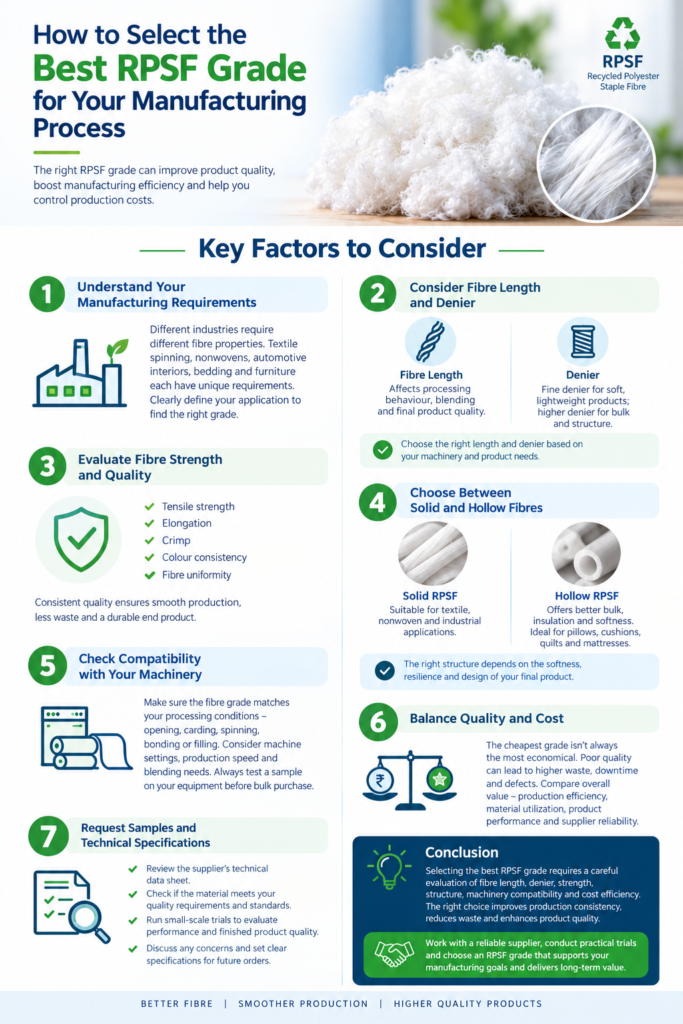
Good quality rPET flakes usually include:
- Low contamination
- Proper washing and cleaning
- Equal sizing
- Material properties you can trust
Quality assurance also helps make sure that recycled materials fit into today’s manufacturing processes.
The Future of rPET Flakes
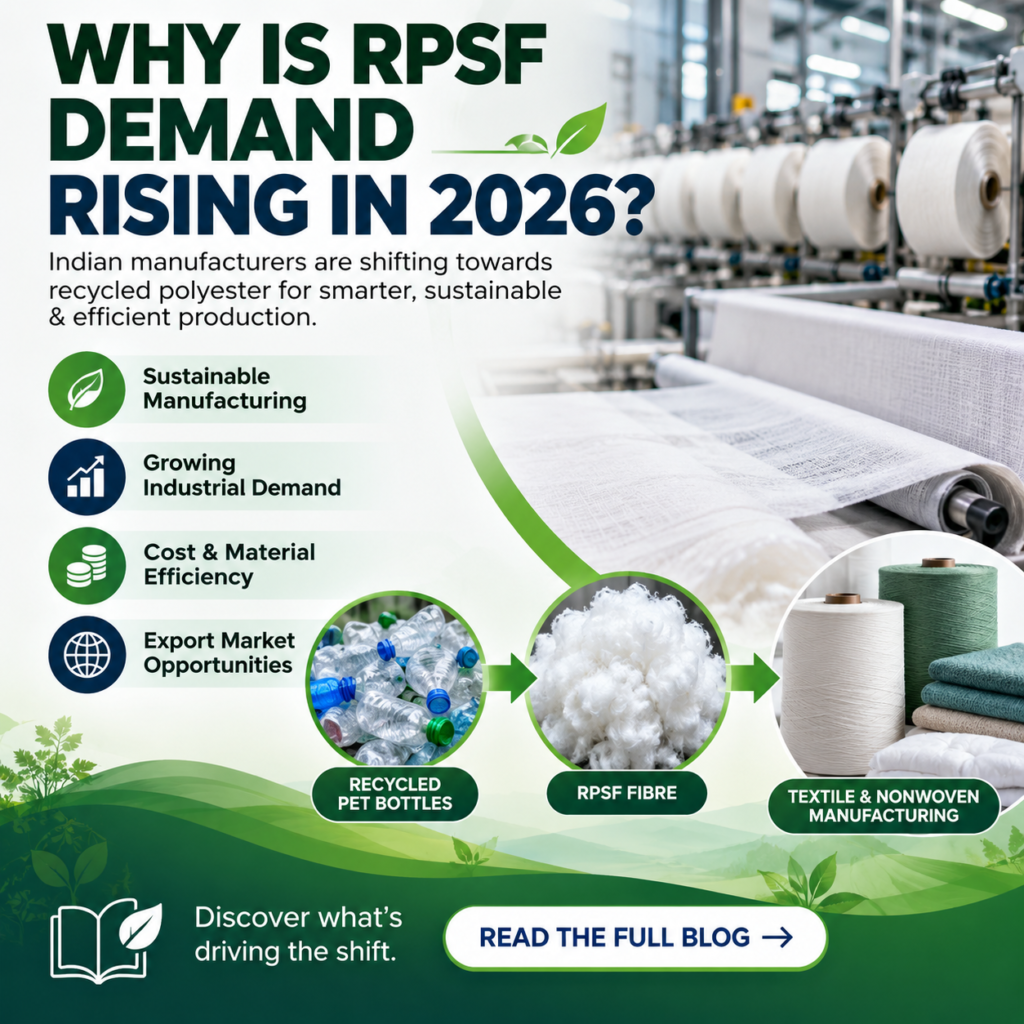
Sustainability is an increasing focus in industries around the world and the outlook for rPET flakes is promising. Companies are increasingly using recycled materials, not only because regulations require them to, but also because that’s what consumers expect.
As recycling technologies improve and environmental awareness grows, demand for quality rPET flakes is forecast to increase further.
Also Read: The Industrial Future of Recycled Polyester Staple Fibre Explained
Conclusions
rPET flakes have become an integral part of the modern recycling industry. Their ability to convert waste plastic into valuable industrial resources supports sustainability, resource efficiency and responsible manufacturing.
The increasing applications of rPET flakes in textiles, packaging and industrial use are helping companies move to a more circular and environmentally conscious future. Their rising importance indicates a wider transition towards sustainable production methods that benefit both industries and the environment.