The global textile industry is going through a big change as sustainability becomes a key focus rather than just a marketing trend. One major change is the increasing use of Recycled Polyester Staple Fibre (rPSF). Brands in various sectors, including fashion, home furnishings, and automotive textiles, are choosing recycled polyester instead of virgin polyester. But why is this change happening? Let’s look at the main reasons brands are moving toward recycled polyester staple fibre.
What is Recycled Polyester Staple Fibre (rPSF)?
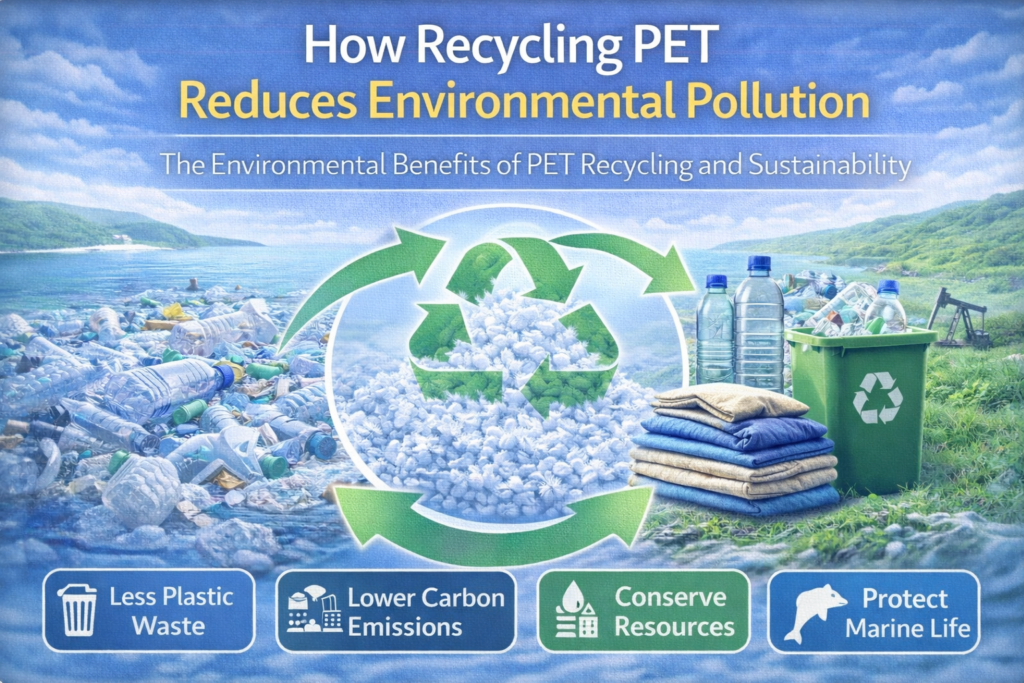
Recycled Polyester Staple Fibre is made by recycling post-consumer PET bottles or polyester waste. These materials are collected, sorted, washed, processed into flakes, and then turned into staple fibres. The result is a high-performance fibre that closely matches virgin polyester in strength, durability, and versatility while providing significant environmental benefits.
Sustainability as a Core Brand Strategy
One important reason why the shift to rPSF is being adopted in the industry is because of sustainability. Virgin polyester, being made from petroleum, results in high greenhouse gas emission and wastage of natural resources. However, recycled polyester fibers are different because they are made from recycled plastics
- Keeps plastic waste out of landfills and oceans
- Saves non-renewable fossil fuels
- Supports circular economy practices
By rPSF, companies are able to indicate support for environmental sustainability and fulfill the demands of the global sustainability agenda.
Reduced Energy Consumption and Carbon Footprint
Compared to virgin polyester, recycled polyester staple fibre production requires less energy and water. Studies indicate that greenhouse gas emissions from recycled polyester are 50-70% lower. For brands aimed at reducing carbon footprint and achieving climate goals, rPSF is an easy and straightforward solution.
Meeting Growing Consumer Demand
The modern-day consumers are seeking sustainable and morally made products. The consumers are now very eager to support brands that use recycled resources, which are openly sourced. The recycled polyester staple fibre helps brands in the following ways:
- Trust of the consumer typically starts when
- Encourage brand loyalty
- Enhance market differentiation
Sustainable labels as well as the use of recycled material help make a product even more attractive, particularly in the international market.
Regulatory Pressure and Industry Commitments
Governments and regulatory bodies around the world are enforcing stricter environmental policies, including requirements for recycled content in textiles. Additionally, many global fashion and textile brands have publicly committed to increasing the use of recycled fibres within set timelines.
By switching to rPSF, brands comply with regulations, lower future risks, and fulfill sustainability commitments without sacrificing product quality.
Performance Comparable to Virgin Polyester
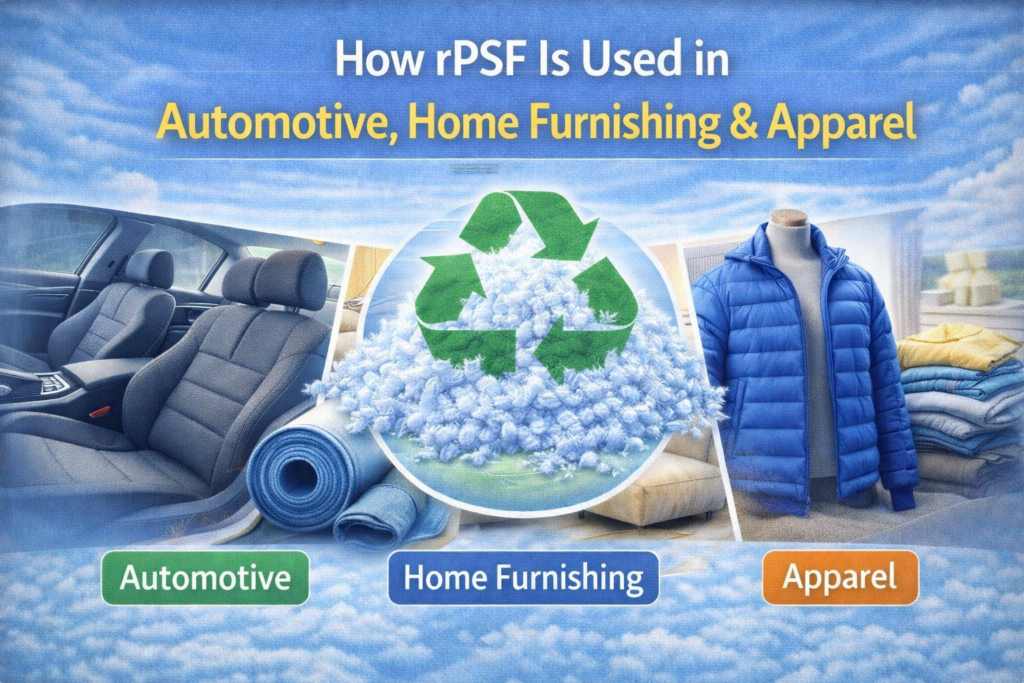
A common misconception is that recycled fibres are of lower quality. However, modern recycling technologies ensure that high-quality rPSF provides excellent strength, durability, and consistency. Recycled polyester staple fibre is widely used in:
- Apparel and sportswear
- Home furnishings like carpets and cushions
- Automotive interiors
- Non-woven and industrial textiles
This performance similarity simplifies the transition for brands.
Cost Stability and Supply Chain Benefits
Virgin polyester prices vary with crude oil markets, creating cost uncertainty. Recycled polyester staple fibre often provides better price stability and lowers dependency on fossil fuels. In areas with strong recycling systems, rPSF also shortens supply chains and improves access to raw materials.
Supporting the Circular Textile Economy
By adopting rPSF, brands contribute to a closed-loop textile system where waste is turned into valuable resources. This circular approach lessens environmental impact while generating long-term economic value for the textile industry.
Also Read: Quality Parameters to Check Before Buying PET Flakes
Brands increasingly prefer Recycled Polyester Staple Fibre for its ideal amalgamation of sustainability, performance, compliance, and consumer appeal. Due to increased awareness of environmental concerns and the introduction of regulations, rPSF is no longer an option but a benchmark.
For brands that wish to maintain competitiveness and responsibility, the future of textiles is in recycled polyester staple fibres.