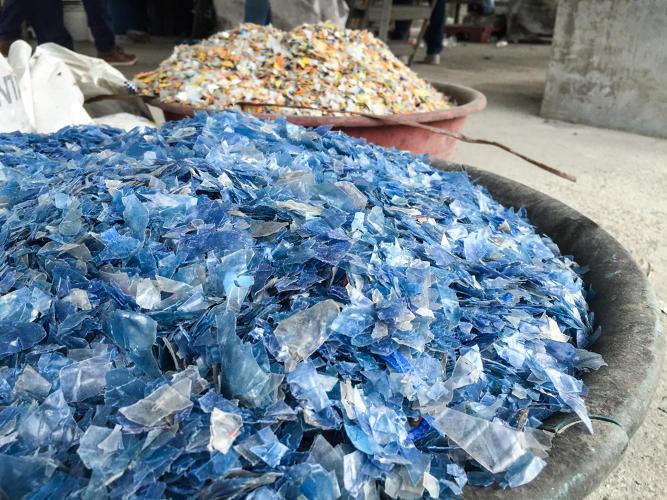
Tag: Recycled Polyester Staple Fibre

  • Exploring the Booming Market Trends of Recycled Polyester Staple Fibre (RPSF)

    Exploring the Booming Market Trends of Recycled Polyester Staple Fibre (RPSF)

    The requirement of RPSF in global markets is attracting new investments that are further propelled by the worldwide focus towards sustainability, which has led to the idea of this recycling polyester. With regard to that, this industry that uses this eco-friendly alternative will continue to expand while contributing to the overall economy. Therefore, let us examine the trends related to RPSF and its impact on the modern society.


    Paybacks of Sustainable Recycled Polyester Staple Fibre (RPSF) Used Globally

    The benefits of RPSF are multifaceted, making it a preferred choice across industries:

    • Environmental Conservation
    • RPSF production reduces landfill waste by recycling PET bottles and other plastic waste.
    • It reduces greenhouse gas emissions and saves energy compared to virgin polyester production.
    1. Assorted Refers
    • Apart from apparel and rugs, it is also applied in upholstery, structures, and automobiles. Such a range is incredible as it is usually limited to a few items only.
    1. Cost-Effectiveness
    • As RPSF is produced from recycled resources which saves the price of raw materials, the business can save a lot of money.
    1. Improved Performance
    • Due to the increased heat and moisture resistance, RPSF uses it for multiple industrial tasks.


    Economic Assistance by Global Adoption of Recycled Polyester Staple Fibre (RPSF)

    In the first place, using RPSF is not only advantageous to the environment but has economic advantages also as follows:


    • Job Creation
      • Every recycling and manufacturing activity generates jobs across the world, whether in developed countries or developing countries.
    • Trade Opportunities
      • The nations that embrace RPSF technologies can grow their exports, thereby improving their economy.
    • Reduced Import Dependence
      • Recycled materials come from local sources and thus reduce the dependence on imported materials. 
    • Incentives and Support
      • Countries all over the world have introduced grants and incentives for recycling schemes, which is also a plus for the RPSF market. 

    Swift Growth and Expansion of PET Recycling Business

    New Developments In Direct Spindle PET Recycling Business The business of PET recycling has grown tremendously due to the need for recycling at this hour. Significant developments of this growth are as follows:

    1. Technological Advancements
      • Improvements in the recycling of RPSF materials have improved the process’s efficiency and production characteristics.
    2. Increased Awareness
      • There is a growing consumer trend of using only environmentally friendly products, and this has increased the appetite for RPSF.
    3. Corporate Responsibility
      • Recycled materials are now more commonplace in business supply chains as companies try to win customers who value green businesses.
    4. Global Regulations
      • Stringent environmental policies and bans on single-use plastics have fueled the need for PET recycling and RPSF production.


    About Rakshitam Ecofiber

    Founded on the vision of ensuring a plastic-free environment, Rakshitam Ecofiber is a firm dedicated to full-scale re-purposing of plastic waste. In contributing to this effort, Rakshitam Ecofiber considerably decreases the adverse effects of plastic waste by recycling plastic bottles into polyester staple fibre and converting them into threads used for production.

    • Sustainability Focus
      • Rakshitam In its operations, Rakshitam Ecofiber minimizes the use of harmful chemicals such as heavy metals which is compliant with its goal to reduce waste during the entire supply chain.
    • Quality Assurance
      • Various sectors of the economy utilize their products because their advanced technology enables them to produce RPSF that is internationally compliant.
    • Community Impact
      • With Rakshitam Ecofiber working alongside local waste collection and local communities, it can promote infrastructural and economic growth.


    Key Takeaways

    • Growing Demand: RPSF is seeing more demand than ever on a global scale, thanks to the need for sustainability and the change in consumer behaviour.
    • Economic and Environmental Benefits: RPSF is a suitable replacement due to its environmental benefits and its ability to create more bubbles in the economy by creating more jobs and being traded.
    • Innovation in Recycling: Better PET recycling processes can improve the means of making RPSF.
    • Pioneering Efforts: Rakshitam Ecofiber and other firms are key players in the push for the sustainable agenda and producing RPSF products.

    Conclusion

    Recycled Polyester Staple Fibre (RPSF) is not only a product but rather a vision for a sustainable and affordable future. It is time for industries and consumers to actively engage in exploiting RPSF and work towards the cause of saving the planet. The booming market trends indicate a bright future for RPSF and represent a cornerstone for the sustainable revolution.
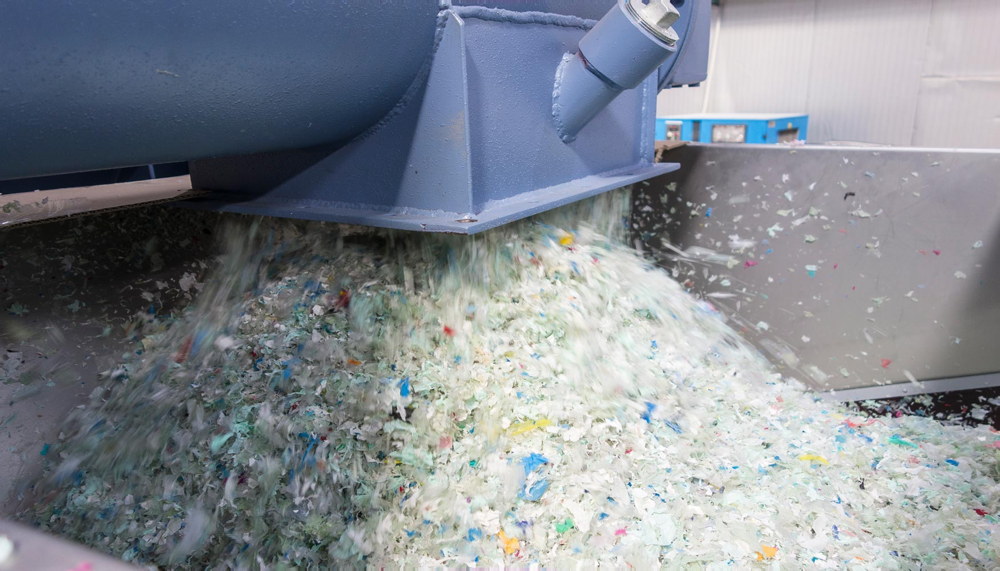
  • How Many Industries Can One Fibre Impact? | RPSF

    How Many Industries Can One Fibre Impact? | RPSF

    Recycled Polyester Staple Fibre is more than a “greener” version of traditional fibers-it is an innovation material that changed the course for many industries. Coming from recycled plastic bottles and other post-consumer waste, RPSF integrates two seemingly opposing demands: environmental stewardship with great performance, offering a versatile solution for industries demanding performance, durability, and environmental stewardship. But how many can this single fiber really impact? Let’s take a look.

    The Textile Industry:

    Most affected is the textile sector. RPSF has already applied to building fabrics from clothing to home furnishings and industrial textiles. The beneficial properties include high tensile strength, durability, moisture resistance, and provides a suitable option for fast fashion as well as sustainably apparel brands. Hence, the use of RPSF means further pushing down the dependency on virgin polyester within the textile industry, in line with efforts being carried out to minimize carbon footprints across the world.

    Automotive:

    Although RPSF is used in the auto industry to make seat covers, carpets, and upholstery, its resilience and toughness enable it to be used in applications that experience heavy wear and tear. This is a green solution as the industry continues to focus on sustainability. If used to make vehicles, manufacturers cut down on waste but are still able to produce cars with less negative impacts on the environment.

    Furniture :

    RPSF can be very revolutionary in furniture and home decor. Because it is used in stuffing cushions, mattresses, and sofas, it gives comfort and robustness. Plus, the malleability with other material textures makes it pretty easily used as curtains, carpets, and rugs. Thus, RPSF is quickly becoming a newly preferred choice among the industry of home decor where sustainability has become a challenging factor, offering consumers the eco-friendly choice in their accommodation.

    Building: Strength in Sustainability

    The building industry employs RPSF as a fibre for reinforcement and as insulation. The Concrete and asphalt containing RPSF enhance the strength, reduce cracking propensity, and increase durability. RPSF is also used for soil stabilisation through geotextiles and for facilitating drainage while protecting soil from erosion. This kind of application proves that one fibre can make infrastructures more robust and more environment-friendly.

    Packaging: A Circular Solution

    In the wake of sustainability gaining emphasis within the packaging industry, RPSF stands out as a great material for sustainable packaging. This is applied to non-woven materials used to make a range of packing bags, covers, and other forms of packaging, which enable the effectiveness of a sustainable economy by eliminating virgin plastic dependence.

    Sports and Outdoor Gear: Built to Perform

    RPSF has strength and moisture-wicking properties, making it suitable for sportswear and outdoor products. This fiber ensures durability in jackets, activewear, backpacks, and tents. Its environmental credentials also appeal to the values of eco-conscious adventurers and athletes.

    Agriculture: Growth

    In agriculture, RPSF is applied in the manufacture of non-woven crops covers, weed control mats, and greenhouse linings in efforts aimed at improving agricultural productivity by reducing damage to the environment. This clearly shows how the fiber has a great impact in one of the largest industries in the country.

    Also Read: Future Trends in Recycling What Should India Expect

    The Big Picture: A Fibre of Boundless Possibility

    One of the great versatility aspects of RPSF lies in its ability to undertake the unique demands of various industries and yet support sustainability. From textiles to automotive, agriculture, and construction, RPSF has proved that in one fibre lie revolutions for an industry.

    Large-scale usage is not only something that goes to help the environment, but also brings innovation all around the globe. As companies embrace sustainability as increasingly significant, the role of RPSF will certainly thrive because it shows that this fiber is not just something manufactured-it’s a movement towards a greener future.

    It is in an arena where great strides towards progress and good stewardship of the environment is always being pursued, that RPSF showcases the dynamism on how innovation leads to meaningful change, one fibre at a time.