In today’s construction and manufacturing industries, the demand for materials that offer both acoustic insulation and thermal resistance is higher than ever. Rising energy costs, urban noise, and growing sustainability concerns have pushed industries to look for innovative solutions. One such advanced material gaining popularity is Recycled Polyester Staple Fiber (RPSF). Known for its strength, flexibility, and eco-friendly nature, RPSF plays a significant role in enhancing insulation efficiency across multiple sectors.
In this blog, we explore how RPSF improves acoustic and thermal insulation performance, the associated benefits, and why industries are increasingly adopting it.
What is RPSF?
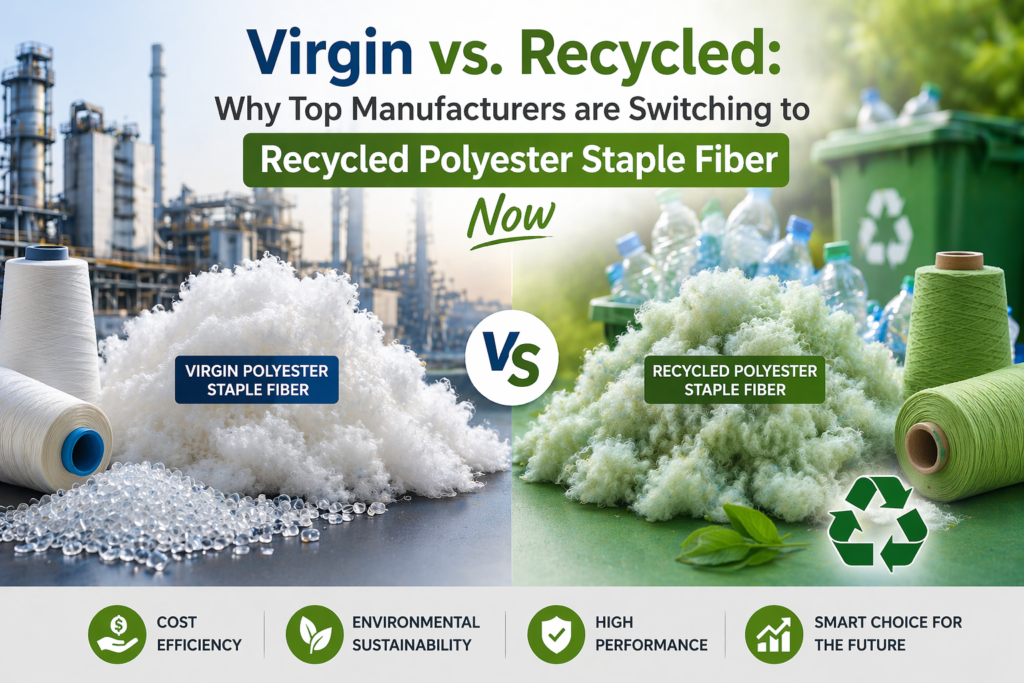
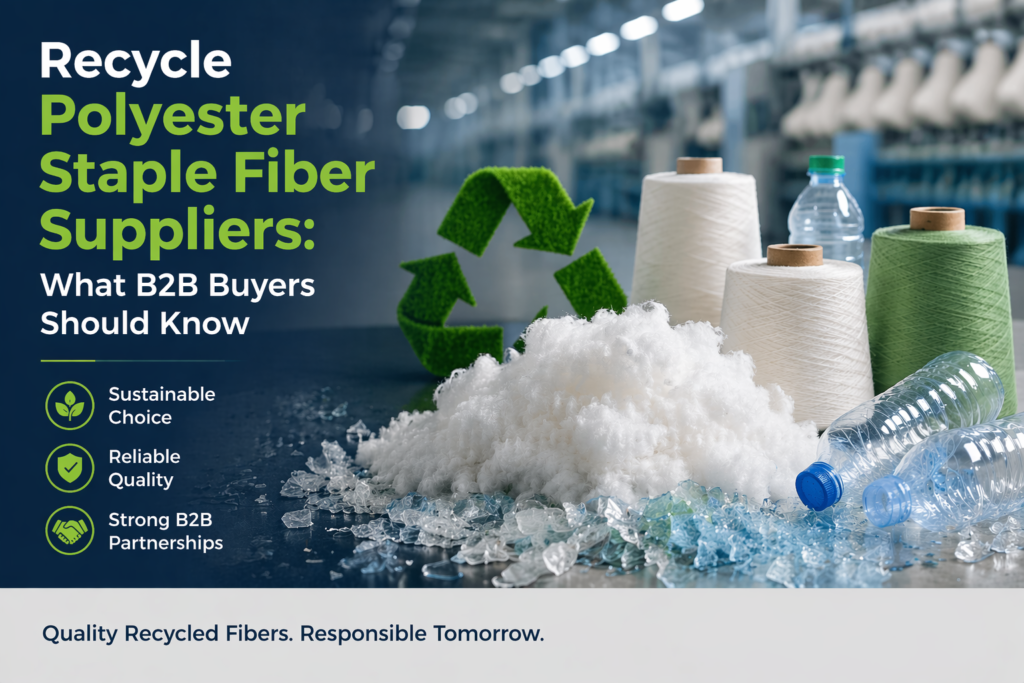
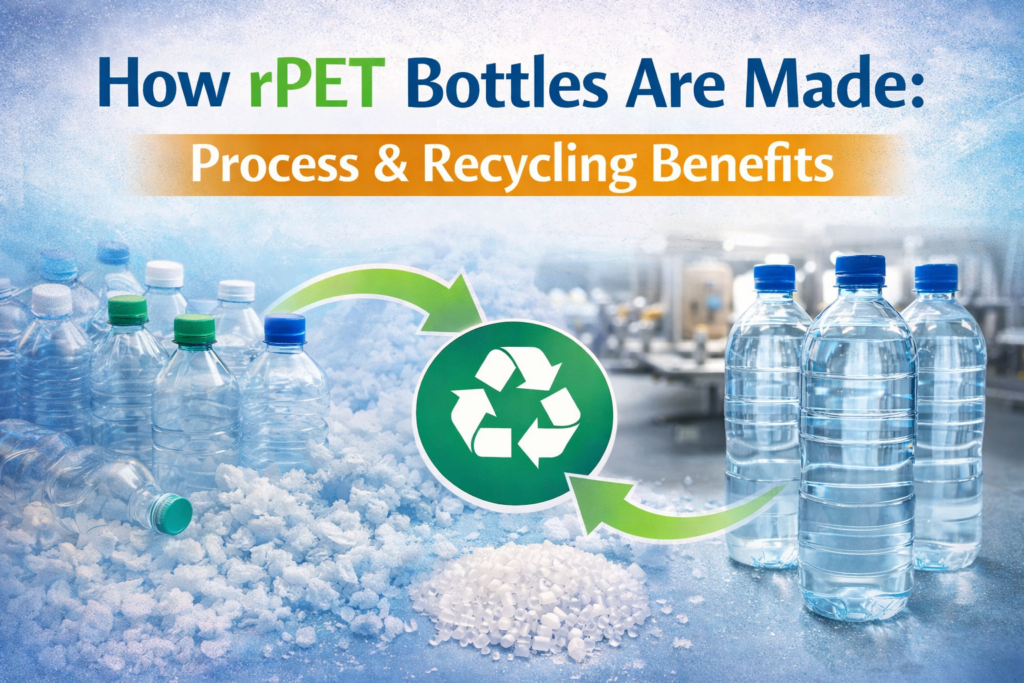
RPSF, or Recycled Polyester Staple Fiber, is produced from reclaimed PET bottles and polyester waste, hence it is considered an eco-friendly substitute for virgin polyester. Its fibrous structure, resilience, and low thermal conductivity make it ideal for insulation applications.
RPSF finds broad applications in:
- Construction
- Automotive Interiors
- Home furnishings
- Sound-absorbing panels
- HVAC insulation boards
It is ideal for modern needs of insulation owing to its versatility and renewable nature.
How RPSF Improves Acoustic Insulation
Noise pollution is increasingly becoming an issue both in residential and commercial buildings. Its sound-absorbing properties result from the open, airy fiber structure of RPSF, which captures sound waves and reduces noise transmissions.
Key Acoustic Advantages of RPSF:
- High Sound Absorption
RPSF is effective in absorbing mid to high-frequency sounds; hence, it is suitable for offices, studios, auditoriums, and homes.
- Reduced Echo and Reverberation
When RPSF is used in wall panels or ceiling boards, it reduces echo significantly, thus creating a smooth and quiet environment.
- Improved Indoor Comfort
Its acoustic insulation helps maintain peaceful surroundings in high-traffic or noisy areas.
- Lightweight & Flexible
Easy to install in various forms: rolls, pads, or boards.
Thermal Insulation Role of RPSF
Beyond acoustics, RPSF is also a strong thermal insulator. The fiber structure traps air pockets, slowing the transfer of heat and helping to keep temperatures balanced.
Thermal Advantages:
1. Thermal conductivity
RPSF restricts heat flow, making it effective for both hot and cold climates.
2. Energy Efficiency
With RPSF, buildings and vehicles require less heating and cooling, reducing energy bills.
3. Fire-Retardant Grades Available
RPSF can be made flame-retardant, which enhances safety, through special treatments.
4. Durability and Long Life
Unlike foam-based insulation, RPSF does not sag or degrade quickly; thus, it provides continued thermal performance.
What Makes RPSF More Important than Traditional Insulation Materials
RPSF is now more popular than its rivals because of its continuous superiority in environmental and performance outcomes.
Key outcomes are:
- Environment-friendly with 100% recyclability
- Strong without any excessive weight
- Non-irritating and friendly to skin as opposed to fiberglass
- Mold, moisture, and pest-resistant
- Economical price on large-scale projects
- Easy to process for producers
The combination of versatility and sustainability for the environment is the main reason every industry chooses RPSF.
Application of RPSF in Insulation
Various industries use RPSF for the dual benefits of acoustic and thermal performance:
- Building insulation boards.
- Car roof liners & door panels,
- Acoustic wall panels,
- HVAC duct insulation,
- Mattresses and other home furnishing paddings.
- Soundproofing for studios & offices.
Its flexibility makes it suitable for structural as well as decorative insulation solutions.
Also Read: From Plastic Waste to rPET Chips Turning Recycled Resin Into Packaging.
Conclusion
RPSF is changing the approach toward acoustic and thermal insulation in industries. The sound-absorbing, temperature-regulating, energy-saving capability, together with its eco-friendly aspect, makes it a perfect choice for modern applications. As sustainability is becoming a global priority, RPSF will keep on playing a major role in delivering practical, durable, and environmentally responsible insulation solutions.