Plastic is an important material in the production of packaging materials, fabrics, and various industrial uses. One of the most frequently used plastics is PET, or Polyethylene Terephthalate. Nowadays, companies and consumers compare the two options—Recycled PET and Virgin PET to find the best one. In this article, the main characteristics and implications of Recycled PET and Virgin PET will be described.
What Is Virgin PET?
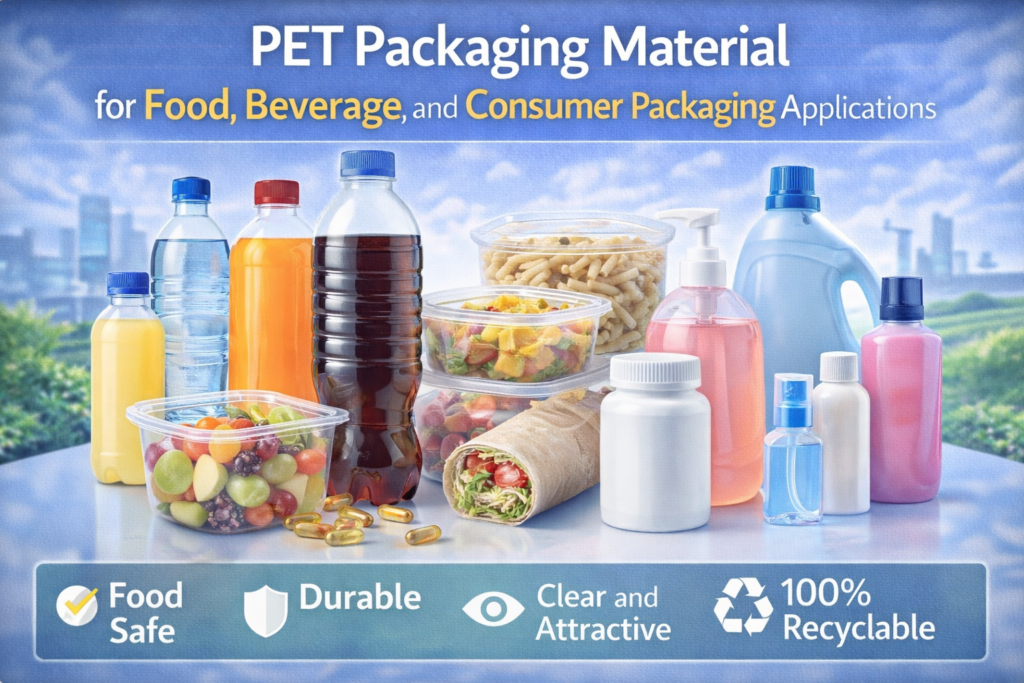
Virgin PET is made from petrochemical materials extracted from crude oil and gas. The material is made without the use of recycled material, so that its quality is maintained at a high standard.
Characteristic Properties of Virgin PET
- Always made up entirely of 100% new raw material.
- High clarity, strength, and uniformity
- Approved for food and beverage packaging
- It is generally used in bottles, packaging, and film.
Common Uses of Virgin PET
- Drinking water and soft drink bottles
- Food packaging trays & jars
- Pharmaceuticals packaging
- Cosmetics containers
Virgin PET is preferred in applications requiring stringent standards of quality and safety, as in food-contact applications.
What is Recycled PET (rPET)?
Recycled PET, abbreviated to rPET, is made from the reprocessing of used PET bottles and containers. Plastic materials are gathered, processed, shredded, and reconstituted.
Important Attributes of rPET
- Derived from post-consumer PET packaging materials
- Reduced carbon footprint over traditional PET packages.
- Promotes the circular economy
- Flake, pellet, or fiber form
rPET in Everyday Life
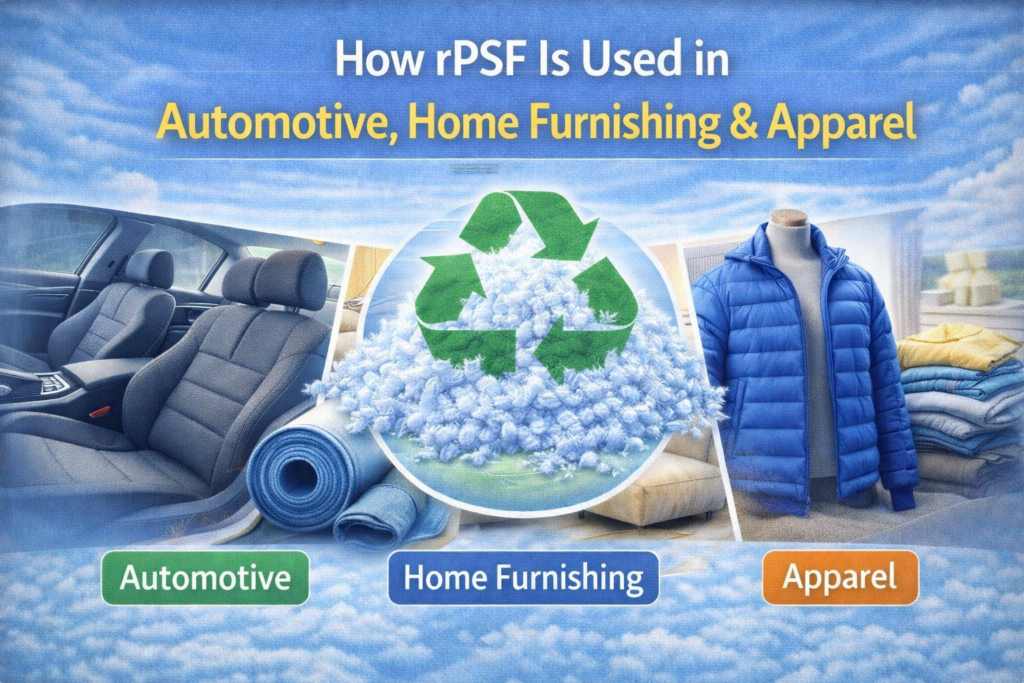
- Textile fibers (RPSF, yarns,
- Non-food packaging
- Strapping and sheets.
- Automotive and construction components
With the use of recycling technology, the production of food-grade rPET is also achieved.
Recycled PET vs Virgin PET: What is the Difference?
1. Environmental Impact
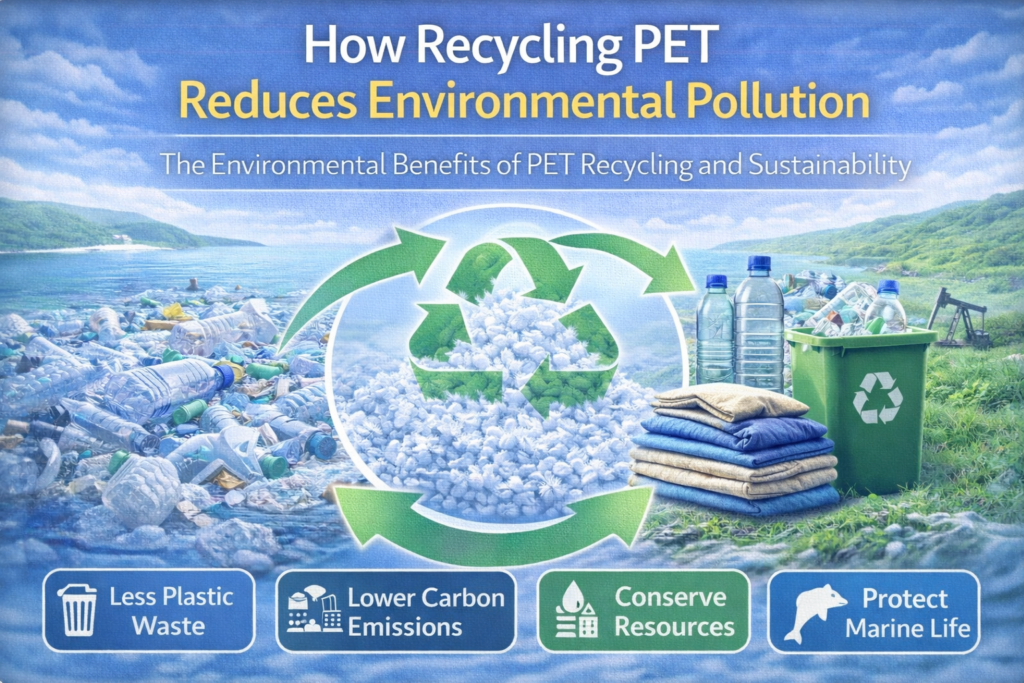
Virgin PET is dependent on fossil fuels and emits more greenhouse gases. On the other hand, rPET reduces plastic waste, saves energy, and reduces carbon emissions significantly.
2. Comparison of Costs
rPET is often cheaper, particularly when crude oil prices are high. The cost of virgin PET varies with oil market fluctuations.
3. Quality & Performance
Virgin PET offers marginally better clarity and uniformity. However, high-quality rPET is able to fulfill performance requirements in many applications.
4. Sustainability
rPET is the clear winner from a sustainability perspective for helping brands meet ESG goals, as well as government recycling regulations.
Advantages of the Use of Recycled PET
- It reduces the landfill and ocean plastic waste.
- It saves natural resources.
- Requires up to 60% less energy than virgin PET
- It enhances brand image by making consumers perceive the brand as eco-friendly.
- Supports global sustainability initiatives
Many global brands have now agreed to use from 30% to 100% recycled PET in their packaging.
When Should You Choose Virgin PET?
Virgin PET is best used when:
- Ultra-high clarity is essential.
- There are regulatory requirements for using virgin material.
- Long shelf life and food safety standards must be emphasized.
When Should You Choose Recycled PET?
rPET is best when:
- Sustainability is a priority.
- Cost optimization is important.
- Products allow recycled content.
- Brand positioning targets eco-sensitive consumers.
Also Read: What Are rPET Chips? Process, Uses, Grades & Market Demand
Final Comparison Summary
Recycled PET and Virgin PET each have their place in the world of plastic. While the advantages offered by Virgin PET include its purity and quality, the benefits offered by rPET include its environmental sustainability and cost-effectiveness. Nowadays, rPET recycling technology is upgrading to become a very reliable option.
The choice between using recycled PET and virgin PET relies on certain requirements. However, firms looking for growth in terms of sustainability are turning towards using recycled PET, thus becoming the future of plastic production.