The global demand for sustainable, high-performance materials has increased the importance of PET chips in modern manufacturing. Made from Polyethylene Terephthalate (PET), these small plastic granules are key raw materials in industries like textile fibre production, packaging films, and bottle manufacturing.
With advancements in recycling technologies, both virgin PET chips and recycled PET (rPET) chips are widely used across various sectors. This blog explores the industrial uses of PET chips in fibre, film, and bottle manufacturing, along with their benefits and applications.
What Are PET Chips?
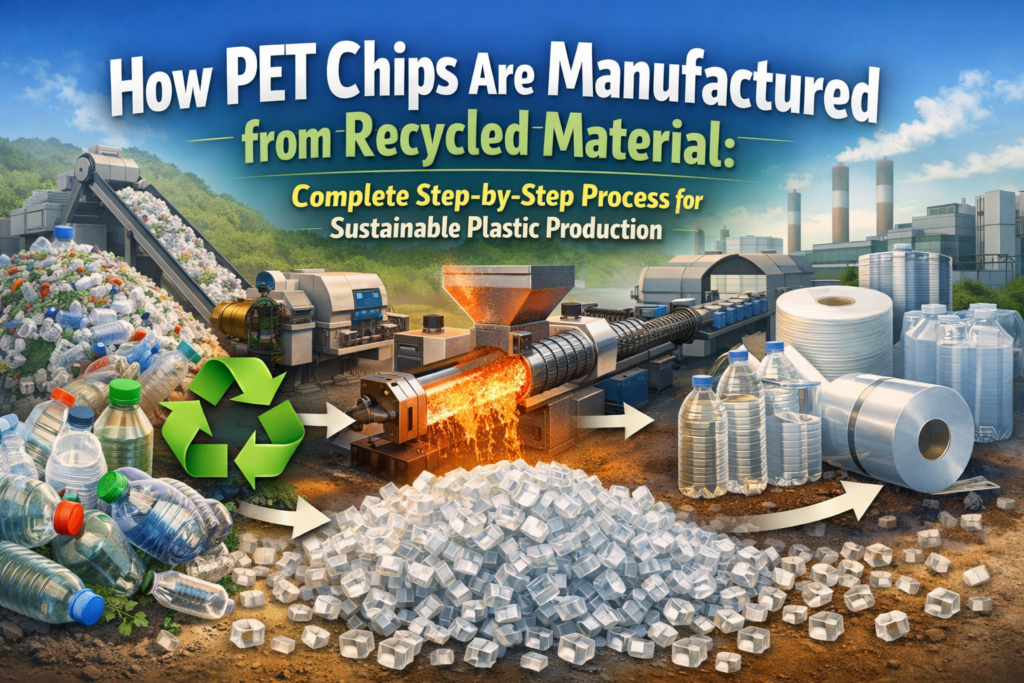
PET chips are small, uniform plastic pellets made from either virgin raw materials or recycled PET bottles. These chips are known for their strength, clarity, chemical resistance, and durability, which make them suitable for a range of industrial applications.
They serve as the base material for producing fibres, films, and bottles found in everyday products as well as industrial solutions.
1. PET Chips in Fibre Manufacturing
One of the largest applications of PET chips is in polyester fibre production.
How It Works
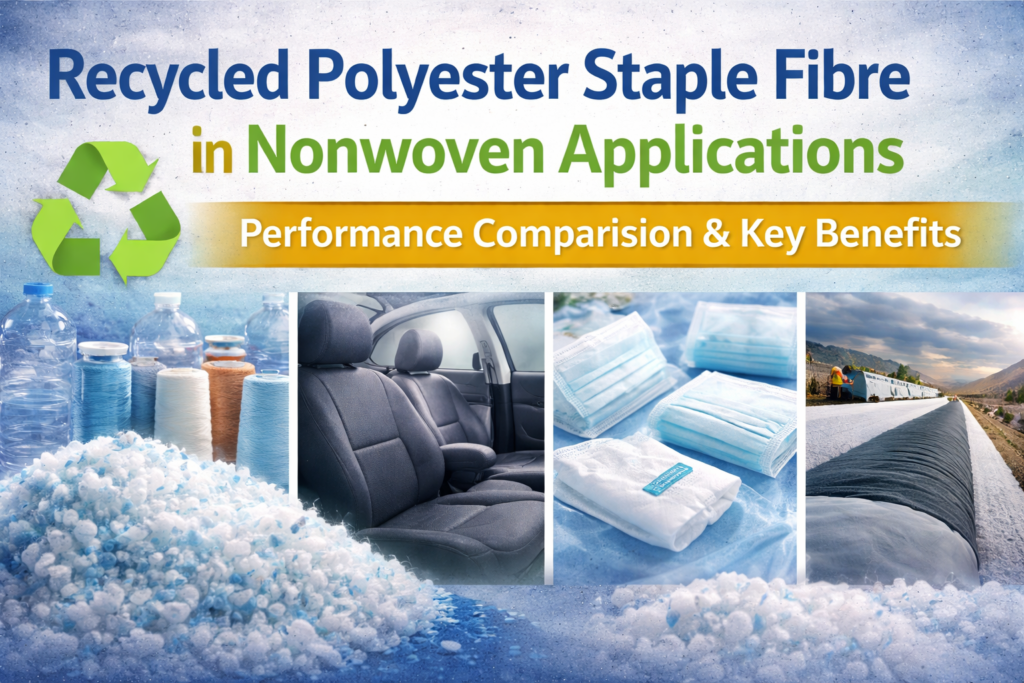
PET chips are melted and extruded through spinnerets to create fine filaments. These filaments are then processed into polyester staple fibre (PSF) or filament yarns.
Industrial Applications
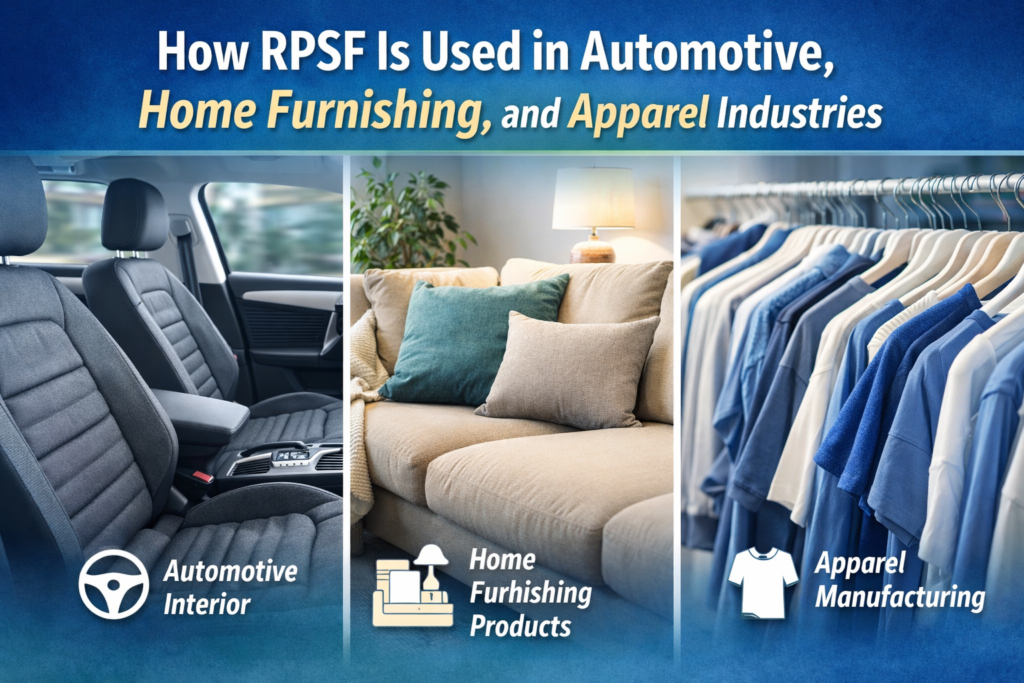
- Textile and apparel manufacturing
- Home furnishing products like pillows, cushions, and carpets
- Automotive seat filling and insulation
- Nonwoven fabrics for industrial use
Benefits
- High tensile strength
- Lightweight and durable
- Cost-effective for large-scale production
PET chips play an important role in meeting the growing demand for sustainable textile materials, especially when sourced from recycled materials.
2. PET Chips in Film Manufacturing
PET chips are commonly used to produce plastic films for packaging and industrial use.
How It Works
The chips are melted and processed into thin sheets or films through extrusion and stretching techniques. These films are then treated to achieve specific properties like heat resistance or barrier performance.
Industrial Applications
- Food and beverage packaging films
- Laminated sheets and flexible packaging
- Electrical insulation films
- Industrial wrapping materials
Benefits
- Excellent clarity and transparency
- Strong barrier properties
- Resistance to moisture and chemicals
PET films are crucial for modern packaging solutions, providing durability and protection for products.
3. PET Chips in Bottle Manufacturing
PET chips are the main raw material for making plastic bottles, particularly in the beverage and packaging sectors.
How It Works
PET chips are melted and molded into preforms, which are then expanded into bottles using blow molding technology.
Industrial Applications
- Water and soft drink bottles
- Edible oil and food containers
- Personal care product packaging
- Pharmaceutical bottles
Benefits
- Lightweight and shatter-resistant
- High clarity and strength
- Recyclable and eco-friendly
The use of rPET chips in bottle manufacturing is on the rise as companies pursue sustainable packaging options.
Advantages of PET Chips in Industrial Applications
PET chips offer several benefits that make them a preferred material in various industries:
- Versatile and suitable for multiple applications
- Cost-efficient for large-scale manufacturing
- Recyclable and environmentally friendly
- Strong, durable, and lightweight
- Supports circular economy practices
These benefits contribute to their widespread use in fibre, film, and bottle production.
Industry Trends and Future Outlook
The demand for PET chips is growing rapidly due to an increased focus on sustainability and recycling. Governments and organizations are promoting the use of recycled PET (rPET) to cut down on plastic waste and carbon emissions.
Technological improvements are also enhancing the quality of recycled PET chips, making them suitable for high-performance applications, including food-grade packaging.
As industries shift toward eco-friendly materials, PET chips will remain a vital component in modern manufacturing.
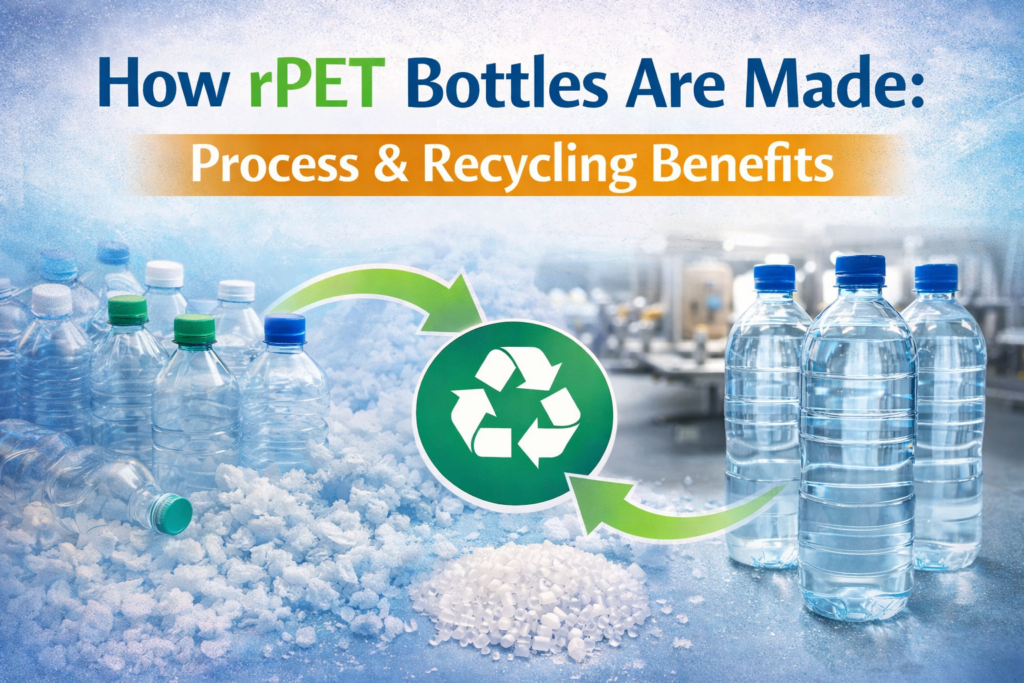
Also Read: How rPET Bottles Are Made and Why They Are Important for Plastic Recycling
Conclusion
The industrial uses of PET chips in fibre, film, and bottle manufacturing highlight their role as a versatile and sustainable raw material. From textile production and packaging films to bottle manufacturing, PET chips are essential in supporting various industries.
With the growing focus on sustainability, the use of recycled PET chips is expected to rise, making them a key part of the future of industrial manufacturing.