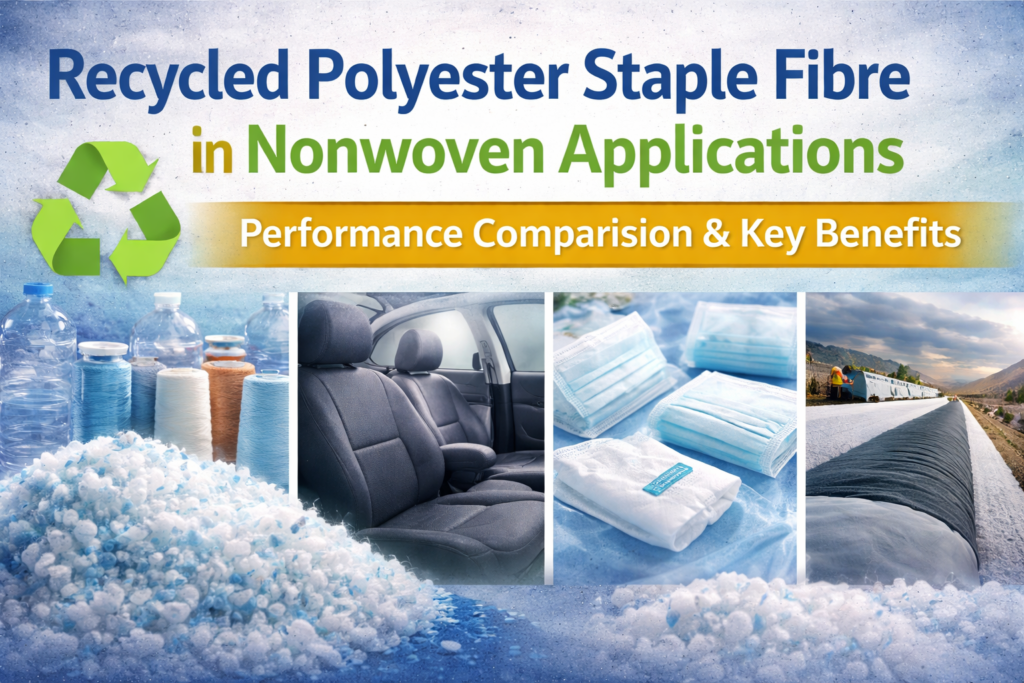
As the demand for sustainable materials grows, industries around the world are looking for recycling solutions to lower their environmental impact. One such innovation is the production of PET chips from recycled materials. These chips are essential for making fibers, packaging materials, and plastic products. But how are PET chips made from recycled plastic? Let’s break down the process step by step.
What Are PET Chips?
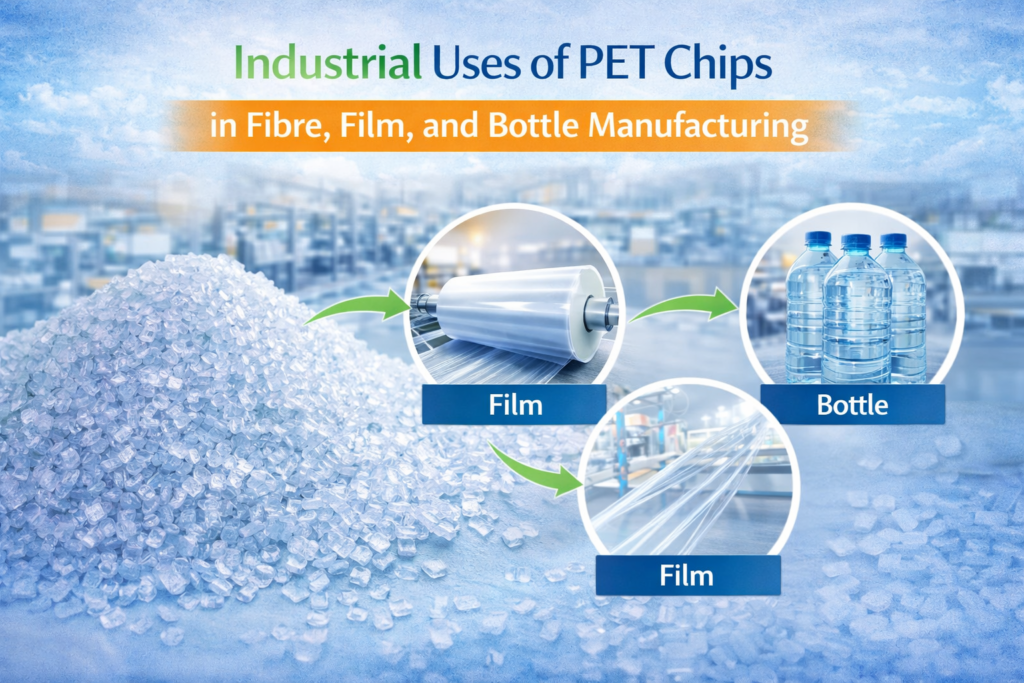
PET (Polyethylene Terephthalate) chips are small granules used as raw materials in various industries like textiles, packaging, and bottling. When they come from recycled sources, they are called rPET chips, offering an eco-friendly alternative to new plastic.
Step-by-Step Process of Making PET Chips from Recycled Material
- Collection of Plastic Waste
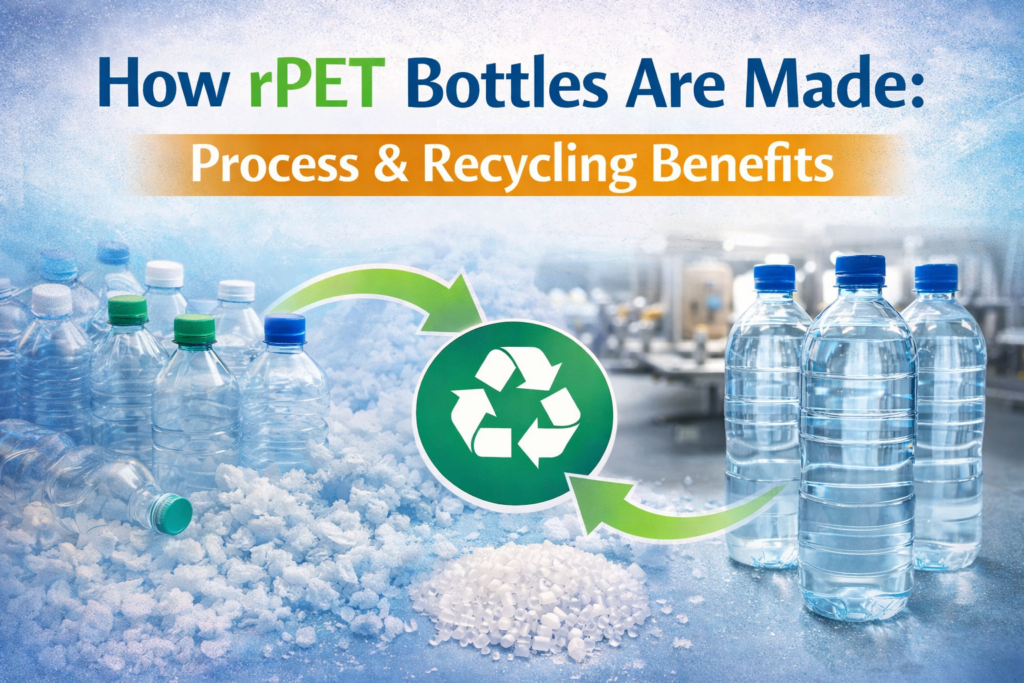
The process begins with collecting post-consumer PET waste, mainly plastic bottles. These materials come from recycling centers, households, and industrial waste streams.
- Sorting and Segregation
Collected plastic is sorted by color, type, and quality. This step is important to ensure the final PET chips meet industry standards. Contaminants like labels, caps, and non-PET materials are removed.
- Washing and Cleaning
The sorted plastic undergoes thorough washing to remove dirt, adhesives, and impurities. Hot washing and chemical treatments are often used to achieve high purity levels.
- Shredding into Flakes
Clean PET bottles are then shredded into small pieces known as PET flakes. These flakes serve as the base material for further processing.
- Drying Process
Removing moisture is crucial before melting. The flakes are dried using specialized equipment to prevent defects in the final product.
- Melting and Extrusion
The dried PET flakes are melted at high temperatures and pushed through an extruder. This process turns the flakes into a molten form.
- Filtration and Purification
The molten plastic is filtered to remove any remaining impurities. Filtration systems ensure high-quality output suitable for industrial use.
- Pelletizing into PET Chips
Finally, the purified molten plastic is cooled and cut into small, uniform granules known as PET chips. These chips are now ready for reuse in manufacturing processes.
Benefits of Using Recycled PET Chips
- Eco-Friendly: Reduces plastic waste and lowers environmental pollution.
- Energy Efficient: Uses less energy compared to new plastic production
- Cost-Effective: Helps manufacturers lower raw material costs.
- Versatile Use: Widely used in textiles, packaging, and automotive industries
Applications of rPET Chips
Recycled PET chips are used in:
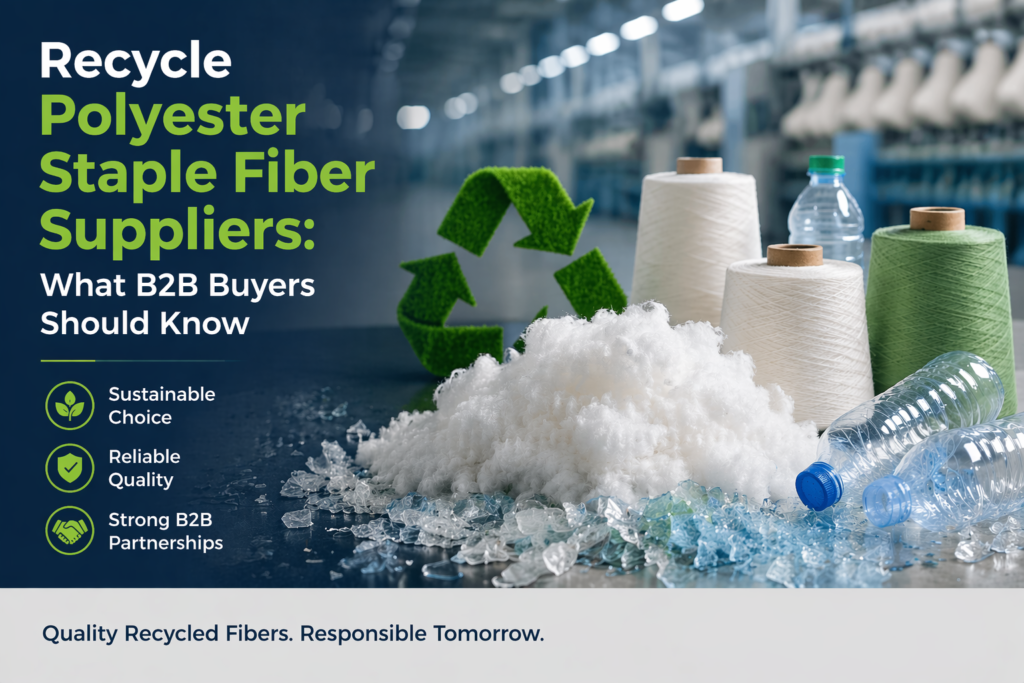
- Polyester fiber manufacturing
- Packaging films
- Bottles and containers
- Home furnishings and apparel
Also Read: How RPSF Is Used in Automotive, Home Furnishing, and Apparel Industries
Conclusion
Making PET chips from recycled material is an important step toward a circular economy. By turning plastic waste into valuable raw material, industries can greatly lower their carbon footprint while keeping product quality. As sustainability becomes a global focus, rPET chips are likely to play an even bigger role in the future of manufacturing.