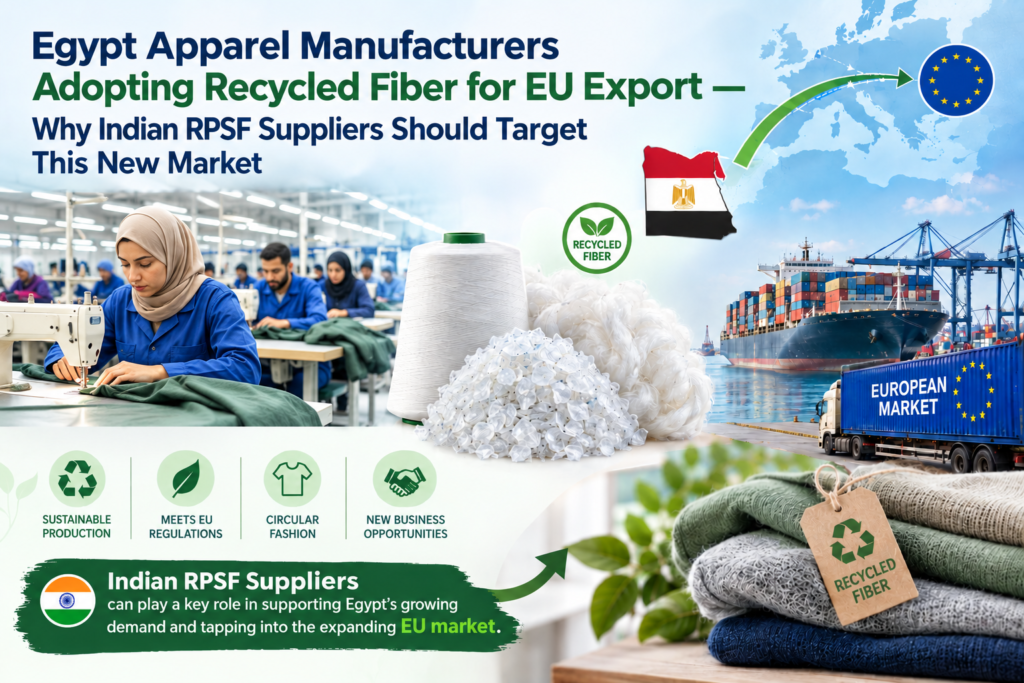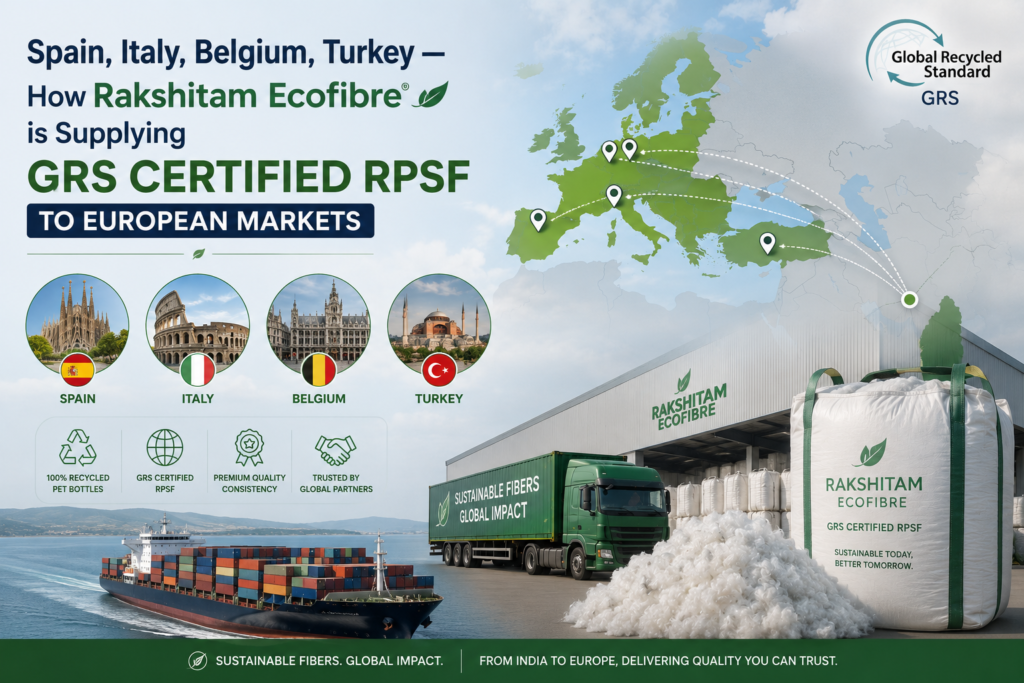
The textile industry significantly contributes to environmental pollution due to high resource use and waste generation. As the world focuses more on sustainability, plastic recycling has become an important solution for creating a more responsible textile industry. By turning plastic waste into valuable textile fibers, recycling is essential for sustainable textile manufacturing.
Understanding Plastic Recycling in Textiles
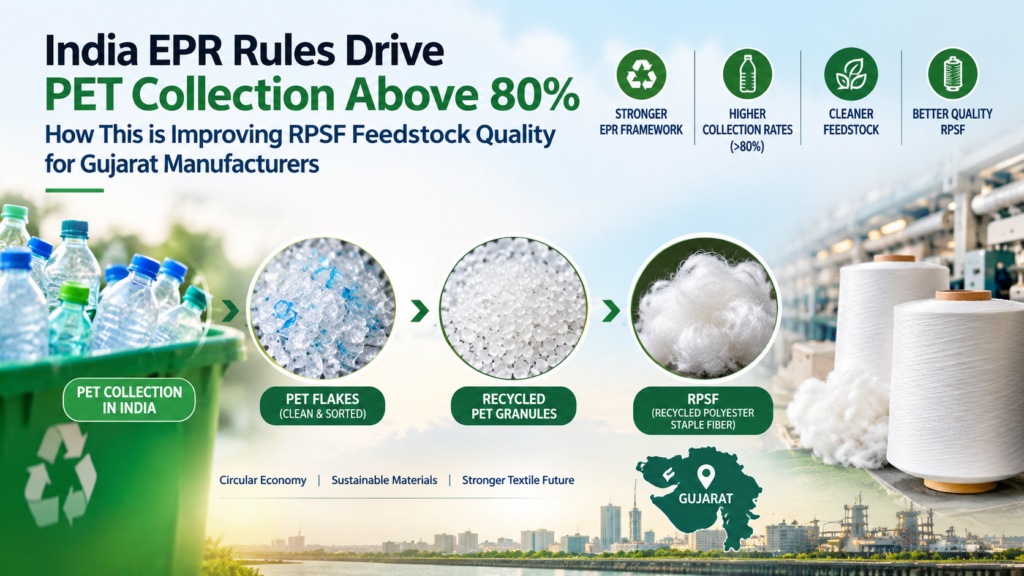
In the textile industry, the recycling of plastic happens when post-consumer PET plastic, such as used water packaging, is recycled into polyester fibers. The obtained polyester fibers can then be spun into fabrics that can be used in manufacturing garments, domestic textiles, and industrial fabrics, thus providing an alternative to petroleum-derived polyester fabrics.
Why Plastic Recycling Matters for Sustainability
1. Reducing Environmental Pollution
Plastic waste is a serious environmental threat, especially when it ends up in landfills or oceans. Recycling plastic into textile fibers keeps waste out of ecosystems and turns it into useful raw materials, helping to lower environmental pollution.
2. Lower Carbon Footprint
Producing recycled polyester uses less energy compared to making virgin polyester. By avoiding crude oil extraction and refining, plastic recycling helps cut greenhouse gas emissions, making textile production more environmentally friendly.
Contribution to Circular Textile Economy
Plastic recycling supports a circular economy, where materials are reused instead of thrown away. In textile manufacturing, recycled plastics are turned into fibers that can be reused multiple times. This circular method reduces waste, conserves resources, and extends the life cycle of plastic materials.
Resource and Energy Conservation
Producing recycled textile fibers requires:
- Less water
- Less energy
- Fewer natural resources
This conservation of resources supports sustainable manufacturing goals. Brands that use recycled fibers also lessen their reliance on unstable fossil fuel markets.
Applications of Recycled Plastics in Textiles
The types of fibers derived from recycled plastic and widely used are:
- Apparel: activewear, jackets, t-shirts
- Household textiles. Carpets, curtains, cushions
- Textile for cars, seats, insulation, etc.
- Industrial textiles: Non-woven textiles
Such applications prove that post-consumer waste can measure up to other fibers in performance and quality attributes.
Role of Brands and Regulation
Brands are adopting recycled materials at a growing pace due to:
- Consumer demand for environmentally friendly products
- Corporate Sustainability and ESG Commitments
- Plastic wastes: government regulation policy on recycling
Extended Producer Responsibility (EPR) is another policy that encourages recycling plastics and, therefore, enhances the existing (recycling textile) value chain.
Challenges in Plastic Recycling for Textiles
Nevertheless, there are still challenges involved:
- Inconsistent waste collection and separation
- Variability in used materials quality
- lack of infrastructure for recycling textiles into textiles. Nevertheless,
The investments in the newer forms of recycling technology help to meet these challenges.
Future of Plastic Recycling in Textile Manufacturing
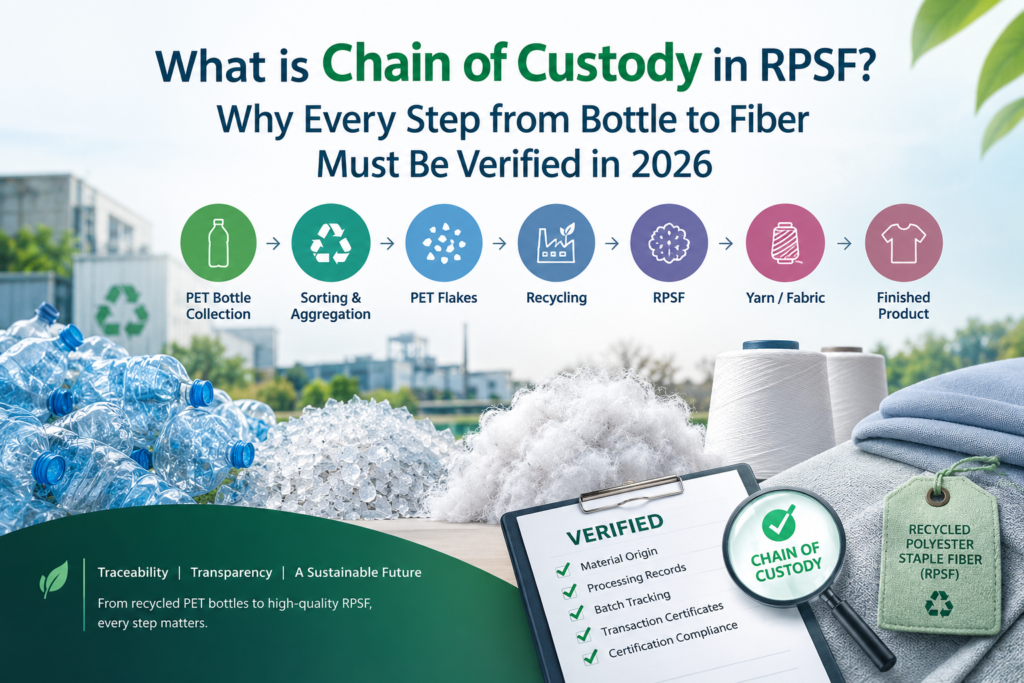
The future appears bright as innovations in chemical recycling, closed-loop systems, and traceability technologies gain momentum. With global brands committing to using more recycled content, plastic recycling will continue to influence the next generation of sustainable textiles.
Also Read: Best rPET Chips in Fibre, Film, and Bottle Manufacturing
Plastic Recycling: Plastic recycling has proven to be a revolutionary way to develop sustainable textile production. Plastic recycling helps reduce waste, lower pollutants, conserve resources, and promote a circular economy. Plastic recycling has already proven to be an important component in sustainable textile production and will continue to do so as advancements in recycling occur.