Plastic recycling constitutes an indispensable part in the chain of modern packaging and manufacturing systems. One of the most identifiable and thriving processes for recycling is converting used PET bottles into rPET products with great value. Knowledge of the process helps industries, brands, and consumers understand the value of a product made from recycled materials and its potential effect on production efficiency.
What are PET bottles and rPET products?
The polyethylene terephthalate bottles are used in beverages, food packaging, and household products because of their lightweight and strength. When these plastic bottles collect and enter the process of recycling, they convert into rPET product forms such as flakes, pellets, fibers and packaging materials.
rPET materials still retain many of the properties of their virgin PET cousins and, therefore, can be repurposed for use in many different industries.
rPET materials still retain many of the properties of their virgin PET cousins and, therefore, can be repurposed for use in many different industries.
Step-by-Step Process: From PET Bottles to rPET Products
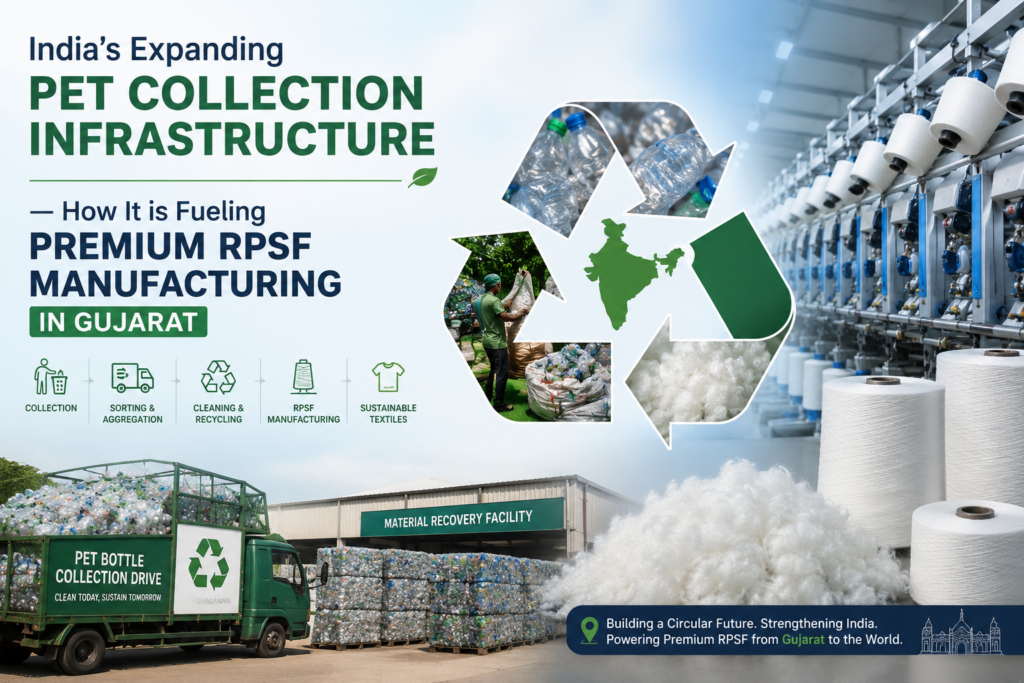
1. Collection & Sorting
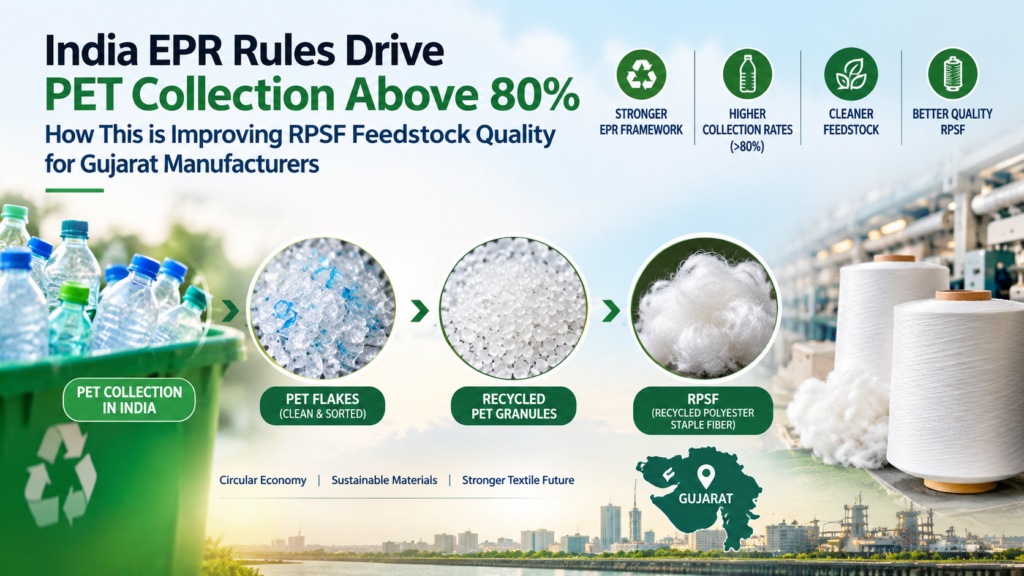
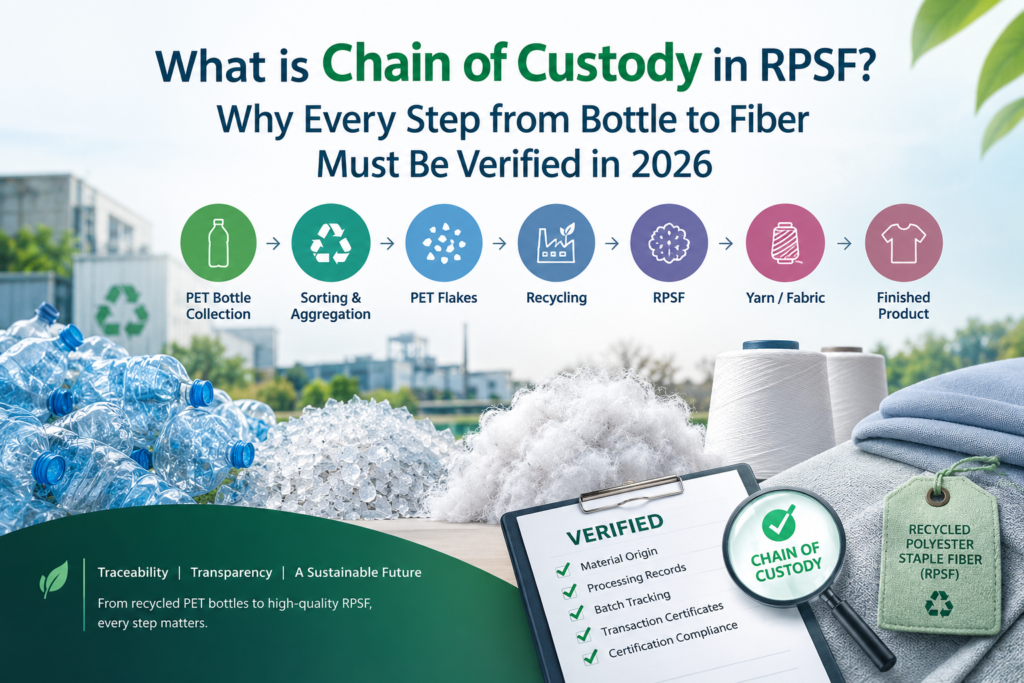
PET recycling involves the processes of collection of post-consumer PET bottles from households, commercial facilities, and waste management systems. Sorting into colour and type is done by using both manual and automated systems to ensure material consistency.
2. Washing & Cleaning
Bottles sorted intensive washing takes away the labels, caps, adhesives, and contaminants. Washing hot ensures high purity for production of quality rPET products.
3. Shredding into PET Flakes
Clean bottles are reduced to small pieces, called PET flakes. The flakes then undergo further cleaning and filtration to get rid of residual impurities, resulting in a consistent, recyclable raw material.
4. Drying & Quality Control
The PET flakes are then dried to a degree that minimizes moisture content and are put through strict quality checks. Flake size, colour consistency, and possible contamination levels are measured based on the industrial requirements for these parameters.
5. Extrusion & Pelletizing
During this stage, PET flakes are melted and extruded into rPET pellets or chips. These pellets act as the base material for manufacturing new rPET products.
How rPET Products Are Manufactured
After the rPET pellets have been produced, they are used in the following processes:
- Packaging: rPET is used in the manufacture of bottles, containers, trays, and films.
- Textiles: rPET pellets are converted into polyester fibers used for clothing and yarns made for home textiles.
- Industrial Products: rPET is used in making strapping, sheets, and molded products.
Due to the versatility of rPET, manufacturers have the opportunity to significantly replace virgin plastic with recyclate.
Why rPET Recycling Is Important
Recycling PET bottles to rPET products has several added advantages:
- Plastic waste reduction in landfills.
- Saves raw materials
- supports efficient resource utilization.
- Helps with meeting regulatory and compliance requirements
These benefits make the recycling of PET a required part of modern material management strategies.
Industries driving rPET demand.
Several industries are speeding up the demand for rPET products:
- Packaging & FMCG
- Textile & apparel manufacturing
- Automotive & construction
- Consumer goods & logistics
This demand continues to grow while companies are in need of reliable recycled raw materials.
Final Thoughts
From PET bottle collection to rPET product development, the cycle shows how recycling can turn waste into a useful resource. By learning about the technology behind PET recycling, companies can make intelligent choices regarding their source materials and methods of production. rPET products represent a pragmatic solution for industries focused on efficiency, quality, and long-term material availability.