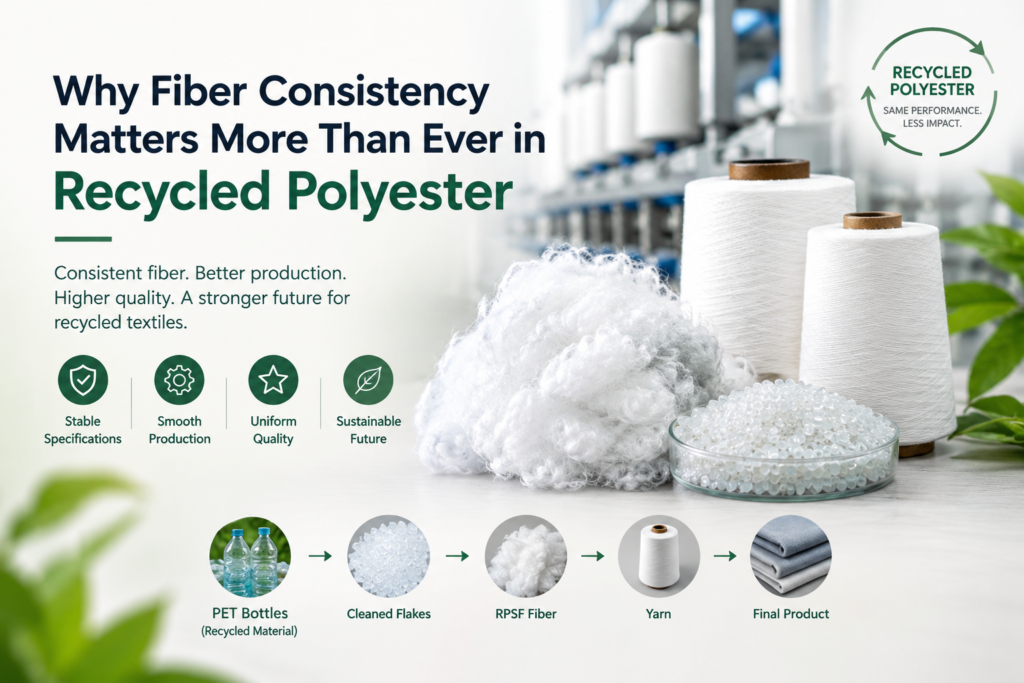
With an ever-growing need for sustainable plastic alternatives, rPET chips have become one of the primary components used in current recycling technology. rPET (recycled polyethylene terephthalate) chips are made from waste PET material generated by consumers and are reused in a wide range of applications, such as packaging and industry.
A clear comprehension of rPET chips recycling technology can be a great help in allowing manufacturers, brands, and recyclers to establish quality standards, adherence, as well as efficiency in recycling technology.
What Are rPET Chips?
rPET chips are processed and pelletized from recycled PET that is extracted from used PET containers. While flakes are irregular in size and shape, chips are more uniform and easier to melt and mold during manufacturing. rPET chips have almost similar performance attributes to those of virgin PET without using raw petrochemicals.
Importance of rPET Chips Recycling
The conversion of PET waste into rPET Chips promotes a circular economy, thereby utilizing plastic waste materials as raw material. This is beneficial for:
- Decrease the landfill and ocean plastic waste.
- Lower carbon emissions compared with virgin PET production.
- Save Energy & Natural Resources
- Satisfy regulatory and branding sustainability requirements.
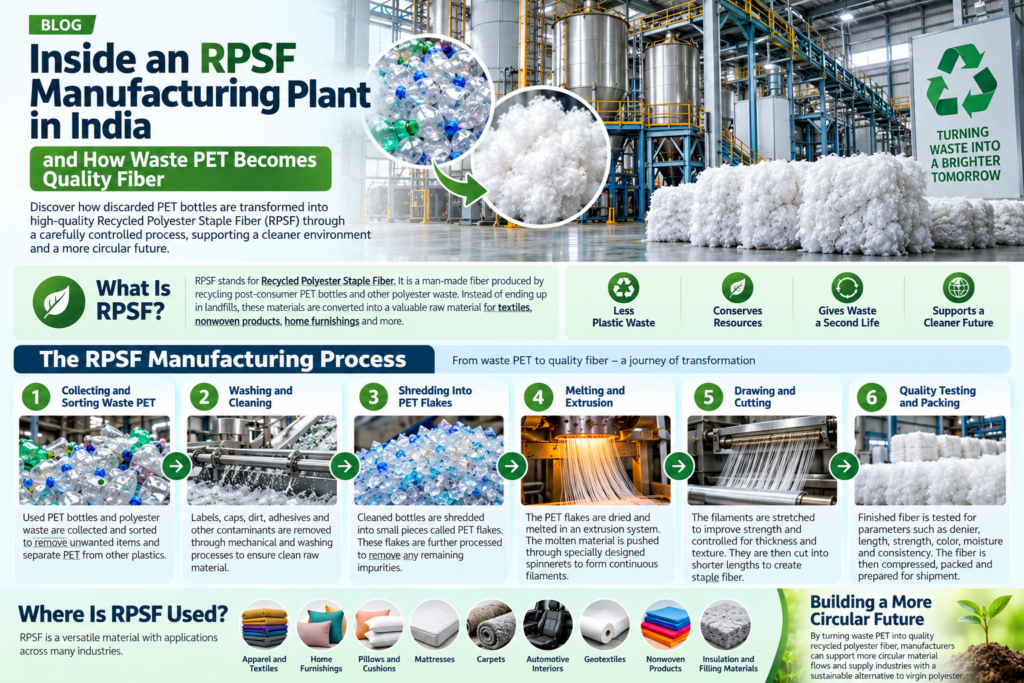
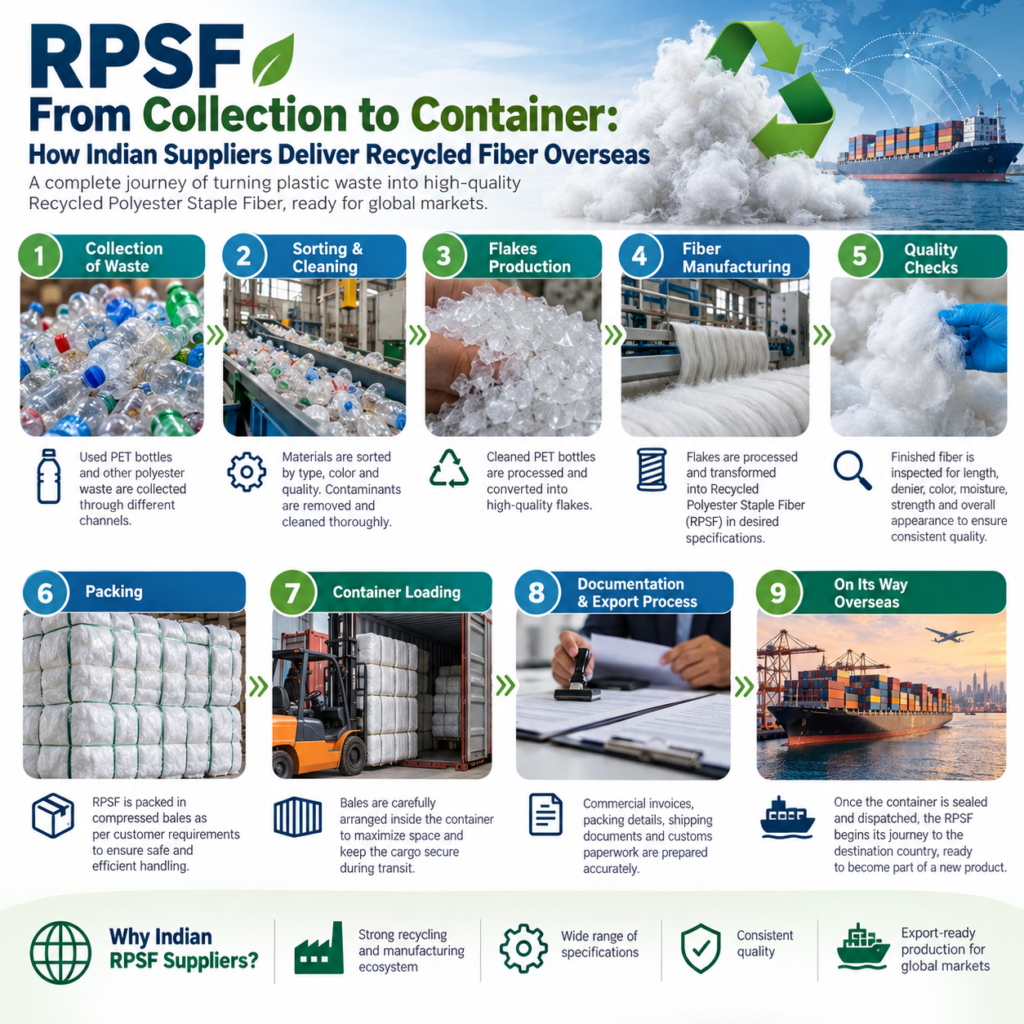
Step-by-Step rPET Chips Recycling Process
1. Collection and Classification of PET Waste
To start, there is the gathering of PET bottles from post-consumer recyclables. PET bottles are sorted by type of polymer and color using both manual and automated methods. Clear PET bottles are the most preferred material when producing quality rPET chips.
2. Shredding and Flake Production
The sorted PET bottles are then reduced to small flakes. The flakes act as the raw material for further cleaning and subsequent processing.
3. Hot Washing & Decontamination
PET flakes are subjected to hot washing, where labels, adhesives, food residues, and impurities are removed. The process is important for obtaining rPET chips for high-performance or food-contacting uses.
4. Drying and Melt Filtration
After purification, the flakes are dried and melted. Modern melt filtration equipment filters out fine contaminants, leaving high-quality material.
5. Extrusion and Chip Removal
Molten PET is extruded and sliced into equal rPET chips. This is quickly cooled to retain the desired level of product crystallinity.
6. Testing & Packing of Quality
rPET chips are checked for intrinsic viscosity, moisture content, color uniformity, and level of contamination prior to their final packing for industrial consumption.
rPET Chips for Food Packaging – Industry
In food contact applications, rPET chips are required to adhere to certain safety standards, such as:
- FDA, EFSA, or equivalent regulatory authority requirements:
- Use of approved decontamination technologies: Boats
- Traceability of raw materials
- Ongoing IV and low levels of contaminants
However, only those rPET chips that meet these requirements can be considered for food and beverage packaging applications.
Applications of rPET Chips
rPET Chips are commonly employed in:
- PET bottles and packaging of drinks
- Food containers and preforms
- Polyester fibers are intended for textiles.
- Strapping, sheets, and thermoformed products
Due to versatility, recycling of these plastics becomes a preferred option in manufacturing factories.
Benefits of Using Rpet Chips
- Comparable quality to virgin PET
- Cost-effective and resource-efficient
- Facilitates sustainability and regulatory requirements support
- Helps mitigate the effects on the
Conclusion
The recycling process of rPET chips is able to convert PET waste into high-quality recyclable material. By adopting sophisticated recycling practices, rPET chips assist in meeting the demand between plastic waste generation and green product manufacturing.
1. What distinguishes rPET chips from rPET flakes?
rPET chips are in pellets, whereas flakes are irregular pieces. Chips are more uniform in their preparation.
2. Are rPET chips safe for food packaging?
rPET chips are Yes, provided the process involves accepted technology and the product meets food standards.
rPET chips are Yes, provided the process involves accepted technology and the product meets food standards.
3. Are rPET chips substitutes for virgin PET?
Depending on the application, rPET chips may be capable of fully or partially replacing virgin PET.
Depending on the application, rPET chips may be capable of fully or partially replacing virgin PET.