Plastic recycling is one of the many global industries’ sustainable solutions. Recycled Polyethylene Terephthalate, or rPET, is one of the most innovative methods of reusing plastic. This waste material is used to manufacture new-age raw materials for the packaging, textile, and other industries.
Let’s look at the recycling process so we can understand the transformation of PET bottles into rPET flakes and the need for this innovation to complete the circular economy.
What are rPET flakes?
rPET flakes are small, clean pieces of recycled PET plastic so they are used in PET bottles. They are the primary feedstock for producing new packaging, fibers, and sheets, are lightweight and strong mechanically similar to virgin PET . The great thing is that they are produced with a lower environmental impact.
rPET is one of the most sustainable modern manufacturing materials because it replaces virgin PET and reduces carbon emissions, landfill waste, and energy consumption.
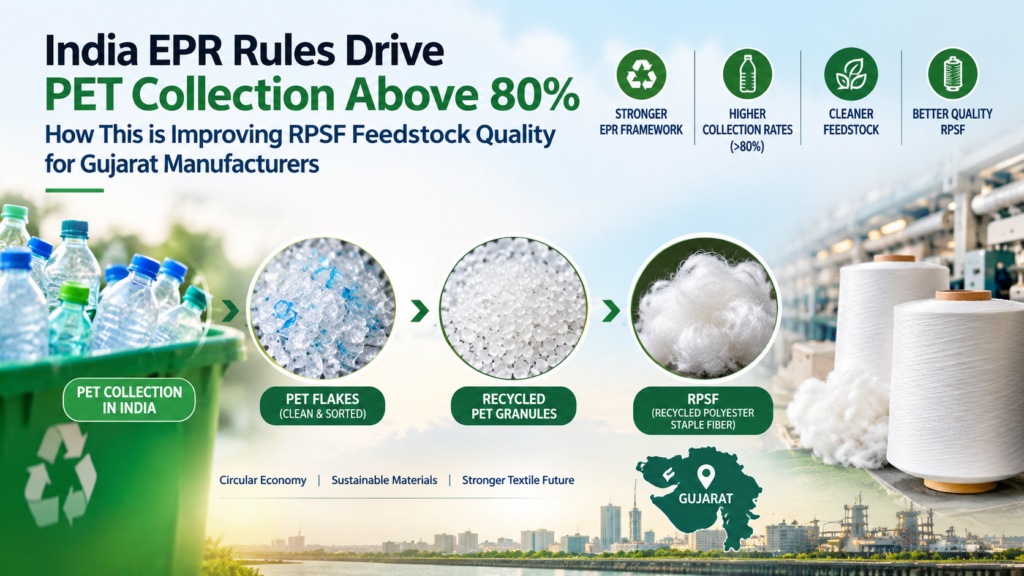
The PET Bottle-to-rPET Flake Recycling Process
1. Collection and sorting.
The process starts with the collection of PET bottles involving households, industries, and recycling centers. To remove pure PET, the bottles are separated from other plastics, and identification and sorting are done based on different colors and resin types.
2. Washing and cleaning.
Sorted bottles undergo washing and cleaning of different stages using hot and cold water, contaminants, caps and adhesives, and labels are removed as well. A clean input ensures that rPET flakes are of high quality as well as clarity and strength.
3. Shredding into flakes.
The next stage of the process involves shredding clean bottles. They are reduced to flakes. Metal detectors and air classifiers will remove residual non-PET contaminants and impurities. These flakes are the building blocks for manufacturing recycled PET products.
4. Decontamination and hot washing.
The hot alkaline washing and chemical decontamination of flakes are done to produce products of food-grade quality. Such treatment removes oil, glue, and organic residues, improving color and purity.
5. Drying and quality testing.
Drying the washed flakes is followed by checking for moisture, color, and invariance of the flakes. They are tested for quality to verify that they are suitable for food-grade or textile-grade rPET.
Applications of rPET Flakes
rPET flakes are versatile. Here are some of the ways they are used across various industries:
- Packaging: Water and beverage bottles, thermoformed trays, and food containers.
- Textiles: Recycled polyester fibers, yarn, and nonwoven fabric.
- Industrial Uses: Strapping tapes, films, and sheets.
Leading brands are increasingly incorporating rPET flakes into their value chains to move towards green packaging and sustainable fashion.
Why rPET Flakes Matter
- Decreases Pollution: Guarantees bottles won’t end up in landfills and oceans.
- Saves Energy: It uses up to 60% less energy in comparison to making virgin PET.
- Enhances the Circular Economy: Transforming waste into a resource that can be reused.
- EPR Compliant: Complies with India’s Extended Producer Responsibility laws.
rPET decreases reliance of industries on virgin plastics and fossil fuels by closing the loop with recycled material.
Future of rPET in India
The manufacturing of rPET flakes in India has rapidly increased due to the growing demand in the packaging and textile industries. rPET will be a key contributor to the green material market by 2025 due to corporate ESG commitments and government sustainability goals.
Also Read: rPET Chips Production Process Turning Plastic Waste into New Packaging
Conclusion
From PET bottles to rPET flakes, the journey illustrates how innovation and recycling together can make a strong impact on the environment. Every bottle recycled contributes to reducing waste and helping build a sustainable future. Further industries using rPET would not consider the plastic wastes a problem but a good raw material.