The demand for sustainable materials in industrial manufacturing has led to the rapid growth of Recycled Polyester Staple Fibre (RPSF). In the nonwoven sector, RPSF has become a popular choice over virgin polyester because it is eco-friendly, cost-effective, and dependable.
Nonwoven fabrics are widely used in industries such as automotive, construction, healthcare, and packaging. This article compares the performance of recycled polyester staple fibre in nonwoven applications and highlights its key benefits.
What Does RPSF Mean in Nonwoven Applications?
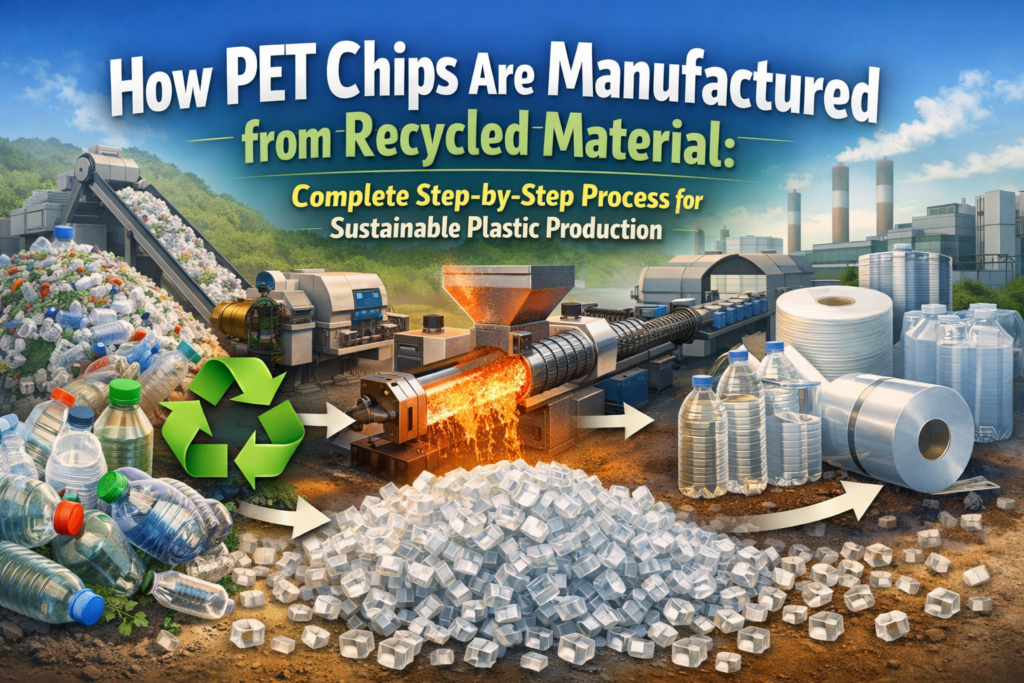
RPSF stands for Recycled Polyester Staple Fibre which is produced by recycling Polyethylene Terephthalate (PET) bottles and polyester waste into short recycled fibres. These fibres are then bonded by the manufacturers using either a mechanical, thermal or a chemical way, to produce nonwoven materials.
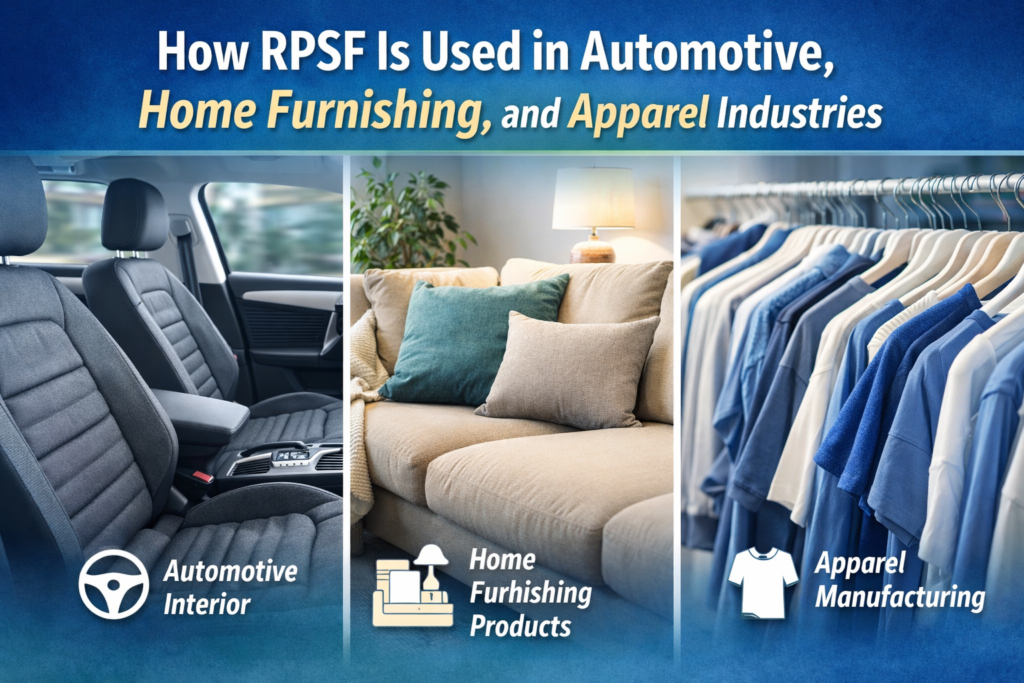
The nonwoven materials produced from RPSF are used in the production of geotextiles, insulation materials, filters, hygiene products and automotive interiors.
Performance Comparison: RPSF versus Virgin Polyester
Understanding how the RPSF performs in regards to the virgin polyester is crucial for manufacturers.
1. Strength and Durability
When processed correctly, RPSF will provide tensile strength comparable to virgin polyester. The latest advancements in recycling technology have allowed for consistent fibre quality which is why RPSF is ideal for industrial nonwoven applications.
2. Thermal and Insulation Properties
RPSF is ideal for automotive insulation and construction materials as it has great thermal resistance, which helps to manage and improve energy efficiency.
3. Moisture Resistance
RPSF has a natural resistance to moisture and is ideal for applications such as hygiene products, filtration systems, and outdoor uses. This is the same as virgin polyester.
4. Cost Efficiency
RPSF’s lower cost is one of the main advantages compared to virgin polyester. This makes it attractive for manufacturers that want to reduce production costs and still get a desirable outcome.
5. Environmental Impact.
RPSF contributes positively to the environment by recycling plastic waste. Producing RPSF uses comparatively less energy than the production of virgin polyester, resulting in less carbon emissions.
Key Benefits of RPSF in Nonwoven Applications
Sustainable Material
RPSF supports eco-friendly manufacturing by reducing plastic waste and encouraging recycling. It helps build a circular economy.
Versatility
RPSF can be used in various nonwoven products, including:
- Geotextiles for construction
- Automotive insulation materials
- Industrial filters
- Medical and hygiene products
- Packaging materials
Lightweight and Flexible
Nonwoven fabrics made from RPSF are lightweight and flexible, making them easy to handle for different industrial applications.
Consistent Quality
Advanced recycling processes allow manufacturers to achieve consistent fibre quality, ensuring reliable performance across applications.
Applications of RPSF-Based Nonwoven Fabrics
The use of RPSF in nonwoven applications is expanding rapidly across industries.
Common applications include:
- Automotive industry: insulation, carpets, and soundproofing materials
- Construction sector: geotextiles and roofing materials
- Healthcare industry: masks, wipes, and hygiene products
- Packaging industry: protective and cushioning materials
These applications show the versatility and growing importance of recycled polyester fibres.
Industry Trends and Future Outlook
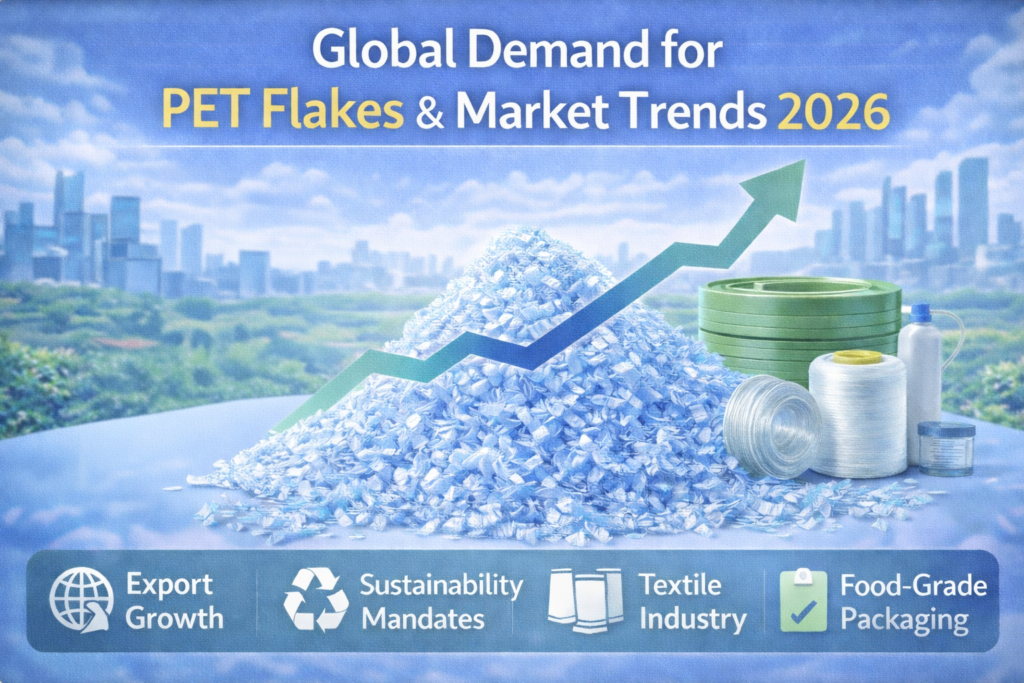
The global push for sustainability is driving demand for recycled materials like RPSF. Governments and organizations are introducing regulations to cut plastic waste, encouraging industries to use eco-friendly options.
Improvements in recycling technology are also enhancing the quality and performance of recycled fibres, making them more competitive with virgin materials.
As a result, RPSF is expected to play a significant role in the future of nonwoven manufacturing.
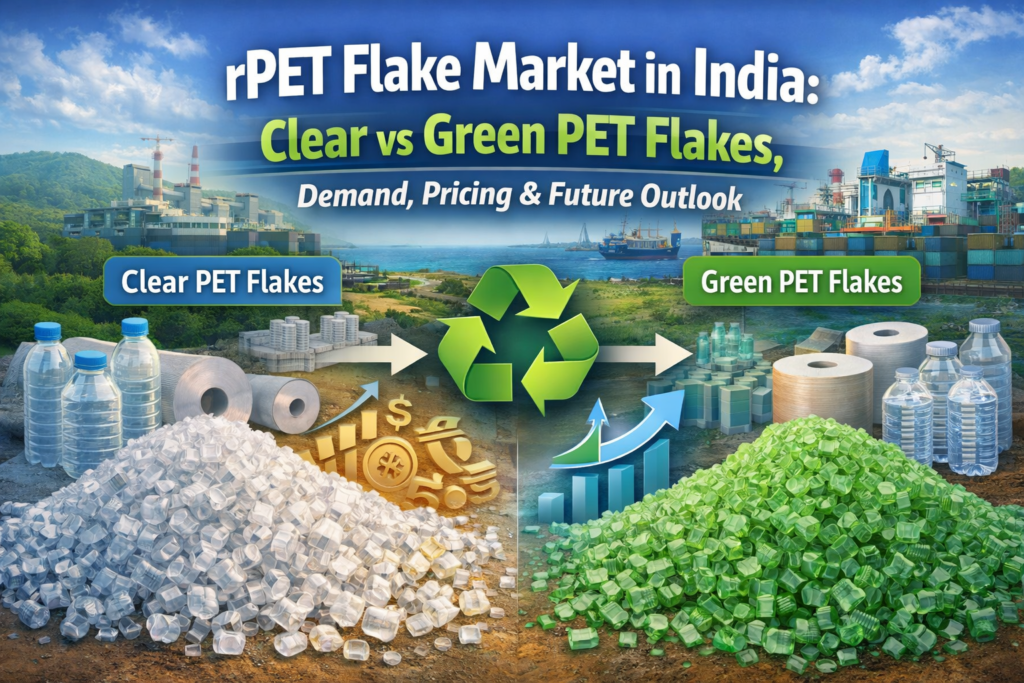
Also Read: India’s rPET Flake Market: Clear vs Green PET Flakes, Demand, Pricing & Future Outlook
Conclusion
Recycled polyester staple fiber (RPSF) has positive attributes in the nonwoven sector, and its comparability to virgin polyester is a sign of a strong, durable, and economical substitute. The fiber’s performance and versatility, coupled with the recycling process to produce RPSF, provides an industrially relevant fiber.
With a focus on increasing sustainability, RPSF will be a valuable fiber in the development of sustainable nonwoven innovations.