The management of plastic waste is now one of the most critical environmental concerns in India. With increased rates of urbanization, population, and consumption, India produces millions of tonnes of plastic waste on an annual basis. To counter this problem, the Indian government has developed several policies, rules, and programs aimed at enhancing plastic recycling and developing a circular economy.
Current Plastic Waste Scenario in India
India ranks in the top tier of the globe’s plastic waste generation. Even though the country has a colossal unorganised recycling industry, hurdles like inadequate waste sorting, recycling of substandard quality, and unintended release of plastic into the surrounding environment persist. Having understood these challenges, the Indian government has made attempts to implement regulations and improve recycling systems.
Plastic Waste Management Rules (PWM Rules)
The plastic recycling regulatory system in India is founded upon the Plastic Waste Management Rules that were first implemented in 2016 and have undergone many variations thereafter. The rules pertain to:
- Source segregation of plastic waste
- Collection, storage, and processing of plastic waste
- Minimizing the use of single-use
- Recycling and Recovery of Waste
Waste recycling is. The PWM Rules make it compulsory for all local bodies, producers, and brand owners to be actively engaged in managing plastic waste.
Extended Producer Responsibility (EPR)
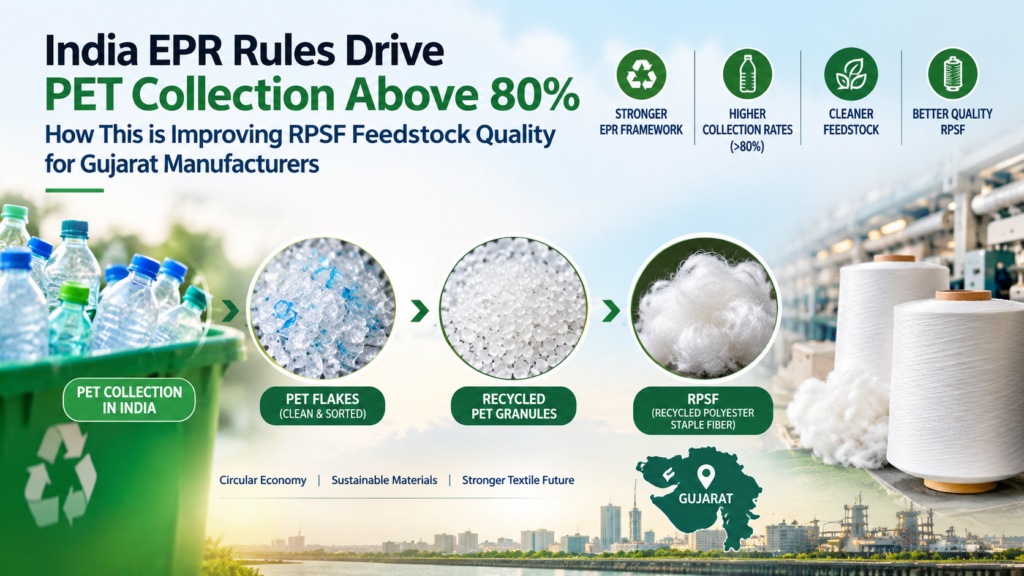
Prominent among the newer policy approaches is Extended Producer Responsibility (EPR). Under the EPR policy, producers, importers, and brand owners (PIBOs) are responsible for:
- Collecting post-consumer plastic waste
- Facilitating recycling and/or responsible end-of-life disposal
- Achieving specified recycling targets each year
EPR has created new opportunities for recyclers, aggregators, and waste management companies, and has compelled brands to include a higher percentage of recycled plastic in their packaging.
Ban on Single-Use Plastics
In 2022, India put into effect a nationwide ban on identified single-use plastic items like straws, cutlery, and thin plastic bags. This policy serves to:
- Include reducing plastic pollution at its source.
- Promote alternatives and reusable materials.
- Improve recycling productivity by reducing low-value waste.
Though there are challenges in implementing, this ban has contributed to increased innovation in sustainable packaging and recycling solutions.
Role of Government Initiatives and Missions
There are national initiatives that assist in the recycling of plastics, such as:
- Swachh Bharat Mission – Works on the segregation of waste and cleanliness in the cities.
- Make in India – Supports the building of infrastructure for recycling in the country.
- Startup India – Fosters new ideas for technologies in recycling.
Also, local governments are implementing policies and incentives to improve the collection and recycling systems.
Future of Plastic Recycling in India
With the support of policies, technology, and a growing market, the future of plastic recycling in India is highly positive. Some of the trends that can be expected are:
- Increased usage of recycled plastics (rPET, rHDPE, rPP) in packaging and textiles
- Increase in chemical recycling and advanced recycling technology
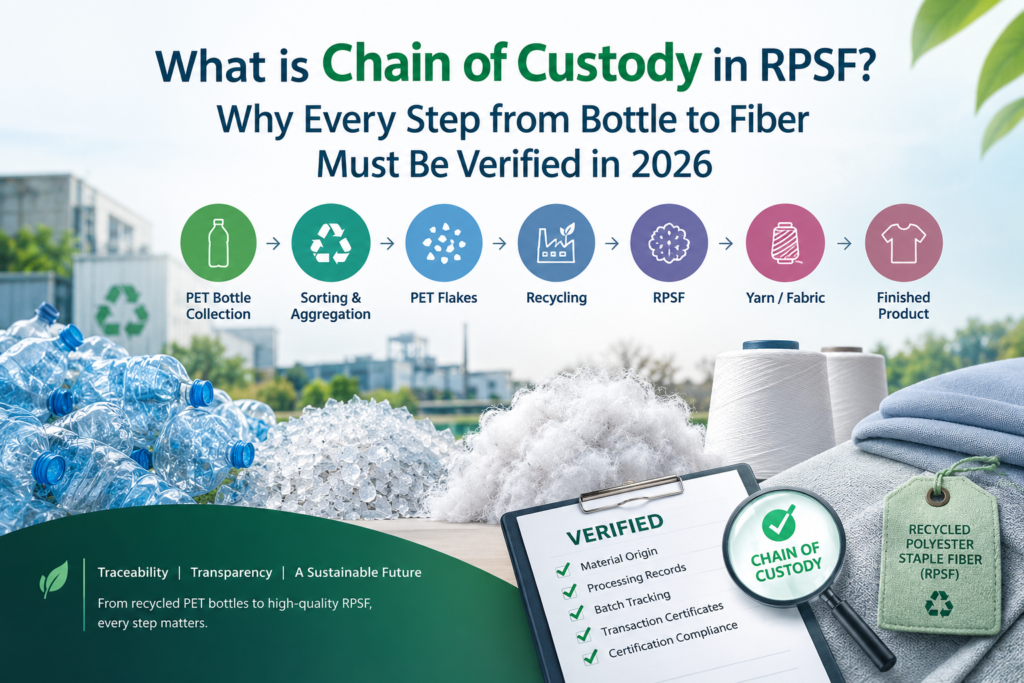
- Enhanced digital tracking and stronger traceability in EPR frameworks
- Increase in the demand for rHDPE.
India is strategically positioned to be a primary market for recycled plastic materials as global brands continue to prioritize sustainability.
Challenges That Need to Be Addressed
Despite the progress made, there are some.
- Poor waste segregation at source
- Small cities and a lack of recycling infrastructure
- quality and consistency of recycled materials
- Awareness Gaps in Consumers and Businesses
These challenges will have to be approached in collaboration by all stakeholders, including government agencies and civil society.
Also Read: How PET Chips Are Manufactured from Recycled Material
Government policies play a vital role in shaping the future of plastic recycling in the country. With strong regulations like PWM Rules, EPR guidelines, and bans on single-use plastic, India moves toward a more sustainable and circular plastic economy. Ongoing policy enforcement, innovative technology, and public participation will, therefore, be pivotal in making the transformation of plastic waste into a valued resource rather than an environmental burden.